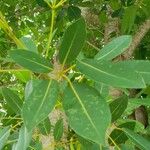
Tabebuia heterophylla
White-cedar · Pink manjack · Pink trumpet-tree · Whitewood · Pink poui
Description
Source: leafsnapTabebuia heterophylla is a species of tree native to the Caribbean, and is also cultivated. It is also known as Roble blanco, pink manjack, pink trumpet tree, white cedar, and whitewood.
🌳 The pink trumpet tree exhibits unexpected versatility beyond its ornamental beauty. It is used as a teaching aid in plant identification and taxonomy training, frequently chosen because of its distinctive characteristics. It also contributes to urban landscaping through its low maintenance needs and drought resistance, making it well-suited for sustainable city planning.
Care Guide
💧 Water
The pink trumpet tree thrives in humid, tropical environments characterized by heavy rainfall and occasional dry periods. It should be watered every three weeks, allowing the soil to dry out slightly between waterings. As an ornamental tree, it is resilient in different climates, but it needs sufficient moisture during the growing season to ensure optimal growth and flowering.
How frequently do I need to water my Pink trumpet tree?
The Pink trumpet tree prefers deep and infrequent watering. When planted in pots, it's important to soak them with a gallon of water each time because the water storage in pots is limited and the soil dries out quickly. In cold regions, watering is required every 3 to 5 days. It's best to water early in the morning when the soil is dry, whether you have the plant indoors or outdoors. To determine if watering is needed, check the soil inside. If the top 2-3 inches of soil are dry, it's time to give the plant a full watering. During hot days, check the soil moisture daily as the heat can quickly dry out the pot. If you have a garden, you'll also need to irrigate the soil. In hot climates, watering once a week is recommended. Only water when about 2 to 3 inches of soil becomes too dry, whether you have the plant indoors or outdoors. Take into account the amount of rainfall on the plant and avoid adding water to prevent root rot. Additional watering may not be necessary if there is ample rainfall. The Pink trumpet tree generally grows in spring and fall. When they are outdoors, adding a mulch layer about 3 to 4 inches deep will help conserve water. Sandy soil drains faster, so plants in this type of soil will need more frequent watering. On the other hand, clay soil requires less frequent watering, where you can wait 2-3 days for the plant to dry out before watering again to avoid root rot. It may be helpful to mark the watering dates on a calendar and pay attention to drooping leaves as a sign that watering might be needed a day earlier.
What is the best way to water my Pink trumpet tree?
To promote excellent root development, place a garden hose at the base of the plant, taking care to avoid directly spraying the leaves. If the plant is outdoors and exposed to direct sunlight, the leaves will require additional watering. Consider using bubblers to moisten the roots of each plant or soaker hoses that cover the entire garden or bed. When adding or removing plants, use the soaker hoses to ensure deep root growth. Remember to drain any excess water and allow the soil to dry before watering again. Water at ground level to prevent diseases. On a sunny day, it may be helpful to spray the entire bush with water. Whether the plant is potted or in the ground, keep in mind that the Pink trumpet tree prefers deep watering rather than light sprinkling.
What should I do if I give the Pink trumpet tree too much or too little water?
An overwatered Pink trumpet tree will exhibit yellow, dropping, and wilting leaves. Additionally, it may appear dull and unhealthy with mushy stems. Adjusting your watering schedule is advisable when these signs appear. Conversely, wilting can also indicate under watering, as evidenced by crispy, dry leaves. When the soil is dry and regular watering is insufficient, it is best to administer a full watering promptly. While this will enable the Pink trumpet tree to recover, the plant may still exhibit dryness and yellowing leaves for several days due to root system damage. Once the plant returns to normal, the yellowing of leaves will cease. When keeping the Pink trumpet tree indoors, it is essential to check the moisture levels in the pot and avoid overwatering. If black spots are observed, allow the pot soil to dry out for a few days. Overwatering can result in root rot, so if signs of discolored and slimy roots are present, consider transferring the plant to a different pot. Take measures to prevent root rot and avoid excessively soggy soil. When planting your Pink trumpet tree outdoors, ensure proper watering by checking the soil. If the soil feels too dry, it may indicate underwatering, and providing adequate water is necessary for plant recovery.
How much water does my Pink trumpet tree need?
The Pink trumpet tree needs about a gallon of water on a regular basis. For potted plants, water them deeply until water drips from the bottom of the pot. Wait for the soil to dry before watering again. Use a water calculator or moisture meter to track how much water you give your plant each week. During the flowering period, provide plenty of water, but allow the moisture to evaporate to prevent root rot. If the Pink trumpet tree is planted outdoors and receives sufficient rainfall, additional watering may not be necessary. However, when the tree is young or newly planted, ensure it receives 1-2 inches of rain per week. As the tree matures, it can rely on rainfall alone, except during hot weather or prolonged periods without rain. In those cases, water the tree fully during cooler times of the day to avoid heat damage. Additional watering is needed during extended dry spells.
Should I water my Pink trumpet tree more or less depending on the time of year or the weather?
The Pink trumpet tree should be kept outdoors and rely on rainwater, only needing additional watering during persistent dry weather. During the spring and fall, the soil should be kept moist but not soggy, alternating between dry and moist conditions. In the summer, hot weather can cause water to evaporate quickly, so more frequent watering may be necessary if there is a lack of rainfall. Less water is usually needed during the winter when the tree is dormant. Using a well-draining but moisture-retentive soil mixture like terracotta can help with moisture evaporation. Once the tree has leafed out and gone dormant, watering can be skipped as it can rely on fall and winter rains. Good drainage is important year-round, especially during winter. When in pots, limited root growth means the tree needs to be well-watered, especially in summer. Avoid shallow sprinkles that reach the leaves, as they encourage fungus growth and do not reach deep into the roots. Avoid drying out completely in fall or winter, even during dormancy. Do not overwater, as the tree does not like sitting in water for extended periods, which can cause death in winter. Applying mulch can reduce stress, conserve water, and promote healthy blooms.
☀️ Light Full sun
The pink trumpet tree does best with plentiful sunlight, resembling its natural environment without shaded areas. From seedling through maturity, bright, clear skies help its optimal growth. Insufficient light can hinder development, while excessive exposure does not necessarily harm the tree.
What are the sunlight requirements for Pink trumpet tree?
The Pink trumpet tree (Tabebuia heterophylla) thrives in full sunlight, requiring more than 6 hours of direct sunlight daily for optimal growth. It is essential to monitor the movement of sunlight through your garden to ensure the right balance of light and shade for the plants. In its natural habitat, the Pink trumpet tree is accustomed to abundant sunlight without the presence of shaded areas, which is critical from its seedling stage to maturity. Insufficient sunlight can hinder its growth, while it generally can withstand overexposure to sunlight without significant damage.
Can artificial lighting be used for Pink trumpet trees, and how?
Yes, artificial lighting can support the growth of Pink trumpet trees, especially when natural sunlight is insufficient, such as during winter or in less sunny locations. Optimal growth under artificial lighting requires selecting the right type of light, such as LED, which can provide specific light wavelengths needed by the plant. Full sun plants like the Pink trumpet tree require 30-50W/sq ft of artificial light. The light source should be placed 12-36 inches above the plant, simulating natural sunlight conditions, and it should be on for 8-12 hours per day to mimic natural daylight hours.
What are the symptoms of insufficient sunlight in Pink trumpet trees?
Pink trumpet trees show several symptoms under low light conditions, including smaller new leaves, leggy or sparse growth, quicker leaf drop, slower or halted new growth, paler new leaves, and symptoms of both chlorosis and sunscald. Chlorosis leads to leaves losing their green color and turning yellow, while sunscald results in damaged leaves or stems from intense sunlight exposure. Additionally, excessive sunlight can cause leaf curling, wilting, and leaf scorching, indicating the plant's struggle with overexposure.
How can you address sunlight-related issues for Pink trumpet trees?
To address sunlight-related issues for Pink trumpet trees, gradually increase their exposure to direct sunlight to ensure they receive at least 6 hours daily. For indoor plants, consider using a south-facing window or artificial lighting for at least 8 hours daily if natural sunlight is inadequate. For outdoor plants, avoid sudden changes in light intensity to prevent sunburn. Additionally, reducing obstructions, like pruning nearby trees, and transplanting smaller plants during their dormant period to sunnier spots can improve sunlight access. While damaged parts may not recover, new growth should flourish with improved light conditions.
🌡️ Temperature 20–37.8°C
The pink trumpet tree is adapted to native habitats where temperatures range from 68 to 100.4 °F (20 to 38 ℃). This plant favors warm conditions and may require careful adjustments to care routines as the seasons change.
What is the ideal temperature range for a Pink trumpet tree?
The Pink trumpet tree, also known by its botanical name Tabebuia heterophylla, thrives in warm temperatures, ideally between 68 to 100.4 °F (20 to 38 °C). It is extremely heat-loving and sensitive to cold temperatures. During winter, to support its growth, it is beneficial to maintain temperatures above 20°C and ensure the plant is not exposed to temperatures approaching 0°C.
How do I care for my Pink trumpet tree in the autumn and winter?
In the autumn, as the Pink trumpet tree is not tolerant of cold temperatures, it's recommended to bring outdoor-grown plants indoors. Place the tree near a bright window to ensure it receives enough light but keep it at a certain distance from heaters, as direct heat can harm the plant. During winter, maintaining temperatures above 20°C is crucial for the health of the plant, as any temperatures nearing 0°C can be detrimental.
What should I do if my Pink trumpet tree is exposed to low temperatures?
If your Pink trumpet tree is impacted by low temperatures, with symptoms like leaves lightening in color or frost damage leading to browning or blackening and wilting, you should immediately trim off the frost-damaged parts. Move the plant indoors to a warm environment for protection against the cold. Placing it near a south-facing window ensures ample sunlight, but avoid putting it near heaters or air conditioning vents to prevent air dryness.
How can I protect my Pink trumpet tree from high temperatures?
During the summer, it's critical to keep the Pink trumpet tree below 38°C to avoid overheating and potential sunburn, where the leaves might lighten and the plant becomes more susceptible to damage. To protect your tree, trim away the sunburned and dried parts of the plant, move it to a shaded location during the harshest midday and afternoon sun, and ensure the soil remains moist by watering in the morning and evening.
💨 Humidity
🪴 Soil 5-7
🌱 Fertilizer
The best time to fertilize a Pink trumpet tree is in early spring, as it breaks dormancy. This encourages overall growth and flower production. Fertilizing improves the foliage, stems, and branches and promotes flowers that are large, vivid, and long-lasting. It helps transport nutrients from the roots to the blooms and enhances the plant’s health and resistance to disease.
🪴 Pot & Repot Every 12 months
✂️ Pruning
The pink trumpet tree showcases stunning pink flowers and should be pruned in early spring. To improve air circulation and shape, remove any damaged or crossing branches. Regular pruning encourages healthy blooms and helps prevent disease. Use clean tools for cutting, and prune gently to preserve the tree's natural form.
🌿 Propagating
🐛 Diseases & pets
☠️ Toxicity
Characteristics
- Plant Type
- Tree, Shrub
- Life Cycle
- Perennial
- Genus
- Tabebuia
- Family
- Bignoniaceae
- Hardiness Zone
- 9-11
- Mature Height
- 6.1 m to 9.14 m
- Mature Spread
- 4.57 m to 7.62 m
- Leaf Color
- Green
- Leaf Type
- Semi-evergreen
- Flower Color
- Pink, White
- Flower Size
- 5.08 cm to 7.62 cm
- Bloom Time
- Mid spring, Late spring, Early summer
- Planting Time
- Summer
- Harvest Time
- Mid summer
- Native Area
- Bahamas, Cuba, Honduras, Trinidad and Tobago, Jamaica