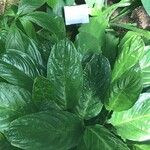
Tacca chantrieri
Black bat flower · Batflower · Devil-flower · Cat's whiskers · Black lily
Description
Source: leafsnapTacca chantrieri, commonly known as the Bat Plant or Devil's Tongue, is a unique and exotic species native to Southeast Asia. It belongs to the Dioscoreaceae family and is renowned for its striking black flowers that resemble a bat's face. The plant features large, glossy green leaves that can grow up to 60 cm in length and 30 cm in width. The Bat Plant thrives in warm, humid conditions with filtered sunlight or partial shade. It prefers well-draining soil and regular watering but can also withstand periods of drought. The plant can reach up to 90 cm in height and has the ability to produce flowers throughout the year. Due to its distinctive appearance, Tacca chantrieri has become a popular ornamental plant among collectors worldwide. Its black flowers are not only visually captivating but also emit an unusual scent that attracts pollinators such as moths. In traditional medicine, various parts of Tacca chantrieri have been utilized for their medicinal properties, including the treatment of fever, coughs, headaches, and skin diseases. Overall, Tacca chantrieri is an intriguing addition to any garden or indoor space, thanks to its unusual appearance and cultural significance in traditional medicine practices.
Care Guide
💧 Water Every 7 days
The black bat flower, native to tropical rainforests, flourishes in high humidity and moist soil. While it can tolerate moderate drought, watering it weekly is essential for its optimal health. When grown indoors, it's important to closely monitor the environment to maintain adequate moisture levels that mimic its natural habitat.
How should I water my Black bat flower?
To properly water the Black bat flower, use filtered water at room temperature. Tap water can harm the plant due to potential harmful particles. The reason for room temperature water is that the Black bat flower is accustomed to warm environments and cold water can be shocking. Avoid overhead watering, as it can cause issues with the foliage. Instead, thoroughly soak the soil with your filtered room temperature water. This helps moisten the roots, allowing them to spread and collect necessary nutrients.
What should I do if I give too much or too little water to my Black bat flower?
Both overwatering and underwatering can harm the health of your Black bat flower, but overwatering is a more common issue. If the plant receives too much water, its stems and leaves may wilt and turn yellow. Overwatering for a long time can also cause diseases like root rot, mold, and mildew, which can be fatal for the plant. Underwatering is not as common, as the Black bat flower can tolerate drought to some extent. However, underwatering can occur, leading to brittle and brown leaves. It is crucial to recognize the signs of overwatering early when caring for your Black bat flower, as some diseases like root rot may not be fixable if left for too long. If you notice these signs, reduce your watering schedule immediately and check the soil's quality. If the soil drains poorly, replace it with a loose, well-draining potting mix. If your Black bat flower shows signs of receiving too little water, increase your watering frequency until the signs subside.
How frequently should I give water to my Black bat flower?
To determine if your Black bat flower needs water, follow these steps based on where it is planted. If your plant is in a pot, simply stick your finger into the soil. If the top two to three inches of soil are dry, it's time to water it. For outdoor plants grown in the ground, use the same method of testing the top few inches of soil. During spring and early fall, watering once a week is usually sufficient. However, in hot weather, you may need to water twice or more per week. It's worth noting that mature Black bat flowers have a remarkable ability to tolerate drought.
How much water does my Black bat flower require?
To properly water your Black bat flower, it's important to give it a generous amount of water without being shy. Make sure the top two to three inches of soil are dry before watering thoroughly. The goal is to soak the soil completely, allowing excess water to flow out through the drainage holes at the bottom of the pot. If you don't see any excess water draining, it's likely that you didn't water enough. However, be careful not to let water accumulate inside the soil as it can harm the plant. On the other hand, if water doesn't drain properly, it may indicate poorly draining soil, which is harmful to the plant's health. If the plant is kept outside, receiving about 1 inch of rain per week should be sufficient.
How do I water my Black bat flower as it grows?
The water needs of the Black bat flower can vary depending on its growth stages. When the plant is in its early years or has been recently transplanted, it requires more water than usual. During these stages, the Black bat flower focuses on growing new roots, which need extra moisture to support future growth. As the plant matures, it will require less water. Another stage that may require increased watering is during the bloom period, as the flowers utilize a significant amount of moisture.
☀️ Light Partial sun
The black bat flower thrives in moderate sunlight. Its native habitat consists of areas with substantial shade that protect it from intense rays. This plant can tolerate minimal light and never requires direct, unobscured exposure. Too much sun can cause leaf burn, while too little light can stunt its growth.
What are the sunlight requirements for the Black bat flower?
The Black bat flower requires partial sunlight, about 3-6 hours of sunlight daily. It's vital to observe how sunlight moves through your garden to find spots that offer a balance of light and shade, ensuring the plant's well-being. Its native habitat provides significant shade, protecting it from harsh sunlight. Excessive sunlight may cause leaf burn, while insufficient light might stunt its growth. For indoor plants, artificial lighting is a useful alternative when natural light is insufficient, especially in less sunny spaces or during winter. LED lights are recommended, needing to mimic the specific wavelength requirements of the plant.
What symptoms indicate the Black bat flower is receiving inappropriate sunlight?
Symptoms of inappropriate sunlight exposure for the Black bat flower include smaller new leaves compared to older ones, leggy or sparse growth, faster leaf drop, halted growth, paler new leaves, chlorosis, sunscald, leaf curling, wilting, and leaf scorching. These symptoms are essential indicators of either too much or too little sunlight, affecting the plant's ability to photosynthesize and maintain health. Adjusting the plant's exposure to light appropriately can mitigate these symptoms.
How can I manage sunlight exposure for the Black bat flower?
To optimize the Black bat flower's sunlight exposure, gradually shift the plant to sunnier spots each week until it receives suitable sunlight, about 3-6 hours daily. If the plant is large or not easily movable, consider using artificial light for at least 8 hours daily. For outdoor plants, it's crucial to avoid sudden changes in light intensity to prevent sunburn. If plants are not receiving enough sunlight, you can reduce obstructions by pruning trees or bushes blocking the light or transplant smaller plants to sunnier locations, ensuring they receive ample sunlight and have good drainage. Remember that parts of the plant affected by insufficient sunlight may not recover, but new growth will be healthy with adequate light adjustment.
🌡️ Temperature 20–35°C
The black bat flower is native to habitats with temperatures ranging from 68 to 95 °F (20 to 35 ℃). It thrives in warmer climates. It is recommended to keep indoor temperatures within this range, especially during seasonal changes.
What are the ideal temperature conditions for growing a Black bat flower?
The Black bat flower, botanically known as Tacca chantrieri, thrives in environments where temperatures are maintained between 68 to 95 °F (20 to 35 °C). This makes it particularly suited to warmer climates. To ensure the health of the plant, especially during season changes, it's recommended to regulate indoor temperatures within this range. During colder seasons, such as autumn, if the plant is grown outdoors, it should be brought indoors and placed near a bright window, while being careful to keep it away from heaters. It's critical to maintain temperatures above 20°C during the winter months, as the plant can be adversely affected by temperatures nearing 5°C.
How should you care for a Black bat flower when it's exposed to low or high temperatures?
For Black bat flowers experiencing low temperature exposure, it's essential to keep them in environments above 20°C to avoid frost damage. If the temperature falls below 1°C, the leaves might lighten, and you might see the plant wilting or drooping as the color turns brown or black after frost damage. The solution involves trimming off the frost-damaged parts and moving the plant to a warmer indoor location, preferably near a south-facing window, to ensure it receives ample sunlight while avoiding the dryness caused by heaters or air conditioning vents. On the other hand, during high temperatures, specifically above 35°C, the Black bat flower requires protection from overheating. The leaves might lighten in color, and the plant could suffer from sunburn if temperatures exceed 41°C. To mitigate this, trim the sunburned sections and relocate the plant to a shaded area especially during the midday and afternoon sun, ensuring to water it in the morning and evening to maintain soil moisture.
💨 Humidity
🪴 Soil 5-6
🌱 Fertilizer
Appropriate fertilization is essential for the health and appearance of the Black bat flower. Fertilize the Black bat flower in summer, repeating the treatment monthly throughout the season. Nutrients supply energy for growth and help maintain the plant’s parts. Fertilizing the Black bat flower improves its floral display, ensuring its best blooms.
Why should I add fertilizer to my Black bat flower?
Fertilizer and soil nutrients are like fuel for your Black bat flower. They are essential for the plant's healthy growth. In general, plants use these nutrients to develop new material and maintain their existing components. For the Black bat flower, fertilization is especially important to showcase its beautiful flowers. Since the flowers are the main attraction of this plant, most gardeners want to make sure they look their best. Fertilization is one of the most reliable methods to help your Black bat flower produce stunning blooms.
When should I fertilize my Black bat flower?
The Black bat flower experiences two phases throughout the year. The first phase, called the dormant phase, occurs in winter and involves minimal new growth. The second phase, known as the active growth phase, takes place during spring and fall. During this phase, the Black bat flower requires the most fertilization. It is recommended to start fertilizing the plant in spring and continue doing so once a month until the end of summer. As fall approaches, the fertilization rate can be gradually reduced.
When is it not a good idea to add fertilizer to my Black bat flower?
If you want to help your Black bat flower grow, be mindful of avoiding root burn. During the spring and summer when your plant is actively growing, it needs extra nutrients. However, in the fall and winter when it enters its dormancy stage, it's best to stop fertilizing.
What kind of fertilizer should I use for my Black bat flower?
To provide the best care for your Black bat flower, there are different options for fertilizers. The preferred choice is a fertilizer that contains a balanced mix of the main plant nutrients, with slightly higher levels of phosphorus. Alternatively, you can enhance the flower's soil by incorporating organic materials like compost, worm castings, and manure. Fertilizers come in various forms, all of which are suitable for your Black bat flower. However, the most effective fertilizers are either in liquid or powdered form. Regardless of the type you choose, make sure to dilute it and apply while watering your Black bat flower.
How do I make my Black bat flower grow better?
To properly fertilize your Black bat flower, start by finding the right fertilizer and knowing when to apply it. Once you have chosen a fertilizer, it's important to follow the manufacturer's instructions for use. Typically, this involves mixing the liquid fertilizer with water to avoid overfertilization. Diluting the fertilizer is an easy task, and once you're done, simply pour the mixture into the soil where your Black bat flower is planted.
🪴 Pot & Repot 2-3 years
Repot the black bat flower every 2-3 years during the spring. Use a container that is 1-2 inches larger and fill it with well-draining soil. Keep the soil consistently moist and place the plant in a shaded area. The black bat flower thrives in high humidity, which is important for its optimal recovery.
✂️ Pruning
The Black Bat Flower has unique dark blooms that resemble a bat. To maintain its health and appearance, it requires pruning either in early spring or late winter. Be sure to remove any dead leaves and cut back spent flower spikes using clean tools. This will promote healthy growth, improve air circulation, and enhance the blooms. Regular pruning also helps maintain the plant's shape and vitality.
🌿 Propagating
🐛 Diseases & pets
☠️ Toxicity
Herbalists in some cultures use the black bat flower to make medicines for alleviating digestive issues. With that being said, ingesting a large quantity of any parts of the plant is potentially harmful and may induce mild to fatal toxicity symptoms.
Characteristics
- Plant Type
- Herb
- Life Cycle
- Perennial, Annual
- Genus
- Tacca
- Family
- Dioscoreaceae
- Hardiness Zone
- 10
- Mature Height
- 0.61 m to 1.22 m
- Mature Spread
- 0.91 m to 1.22 m
- Leaf Color
- Green
- Leaf Type
- Evergreen
- Flower Color
- Black, Purple
- Flower Size
- 15.24 cm to 30.48 cm
- Bloom Time
- Summer, Early fall, Mid fall
- Planting Time
- Spring, Summer, Autumn
- Harvest Time
- Fall, Early winter, Mid winter
- Native Area
- India, Malaysia, Cambodia, Vietnam, Myanmar, Bangladesh, Laos, Thailand, China