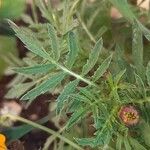
Tagetes erecta
گل جعفری · گیندا · هەمیشە بەهار · Marigold · African marigold
Description
Source: leafsnapTagetes erecta, commonly known as African marigold or Aztec marigold, is a flowering plant in the family Asteraceae. Although native to Mexico and Central America, it has been widely cultivated as an ornamental plant around the world. This plant can grow up to 1 meter tall and is known for its large, showy flowers that come in shades of yellow, orange, and red. Its leaves are dark green, fern-like, and emit a pungent odor when crushed. African marigolds are popular garden plants because of their bright colors and long blooming period, which lasts from summer through fall. They are also used for medicinal purposes, such as treating skin infections, digestive problems, and respiratory issues. The plant thrives in full sun with well-drained soil rich in organic matter. While it can tolerate heat, it does not fare well in frost or extremely cold temperatures. Tagetes erecta has also been utilized for pest control, thanks to its strong scent that repels insects like mosquitoes and whiteflies. In summary, Tagetes erecta is an attractive ornamental flower that not only adds vibrant color to gardens but also offers medicinal benefits. It is a versatile addition for any garden enthusiast or herbalist.
💡 Around 500 years ago, a Spanish officer traveling in Mexico discovered a marigold flower growing in the countryside. Captivated by its beauty, he collected its seeds and brought them back to Europe for cultivation. Marigolds quickly became popular for their striking golden blossoms and were often used in the worship of the Virgin Mary.
🌳 The strong scent of African marigold repels many insects and nematodes, making it a helpful companion plant for crops like tomatoes and potatoes. Its roots release thiophenes that protect against certain bacteria, but its presence can be harmful to legumes because of allelopathy. Besides deterring deer and small mammals, African marigold has a culinary use: its petals are rich in carotenoids such as lutein and are used as a food coloring in the EU, brightening dishes and boosting their nutritional value.
🎭 Spiritual life, paying respects to the deceased, health, love, grief, mourning
Care Guide
💧 Water Every 3 days
African marigolds flourish in tropical climates because they need regular moisture and high humidity. To help them thrive, water them twice a week to simulate their natural environment, which is essential for producing vibrant blooms. During the growing season, keep the soil evenly moist to encourage lush growth and a colorful display, all while avoiding waterlogging.
When Should I Water My African Marigold?
Proper and timely watering is essential for the health and growth of African marigold (Tagetes erecta), significantly impacting its vibrant flower production and disease resistance. To determine the right time to water, check for soil dryness. If the top 1 to 2 inches of soil around the plant base feel dry, it's time to water. Also, look for signs in the plant itself, such as wilted, lackluster leaves or a droopy stem, indicating water is needed. Pay special attention during the pre-flowering stage and periods of warm temperatures and high sunlight exposure, as the plant's water needs increase. However, avoid watering too early when the soil is still moist, to prevent risks such as root rot, and also avoid watering too late after extended dryness to prevent stunted growth or plant death.
How Should I Water My African Marigold?
To water African marigold effectively, adopt a method of deep and infrequent watering to encourage strong root growth and plant health. Use a watering can with a fine spray nozzle to evenly distribute water without displacing soil or damaging roots. Watering in the morning allows leaves to dry out, reducing fungal disease risks. Employing tools like a moisture meter can help in accurately gauging when to water by checking soil moisture levels. Bottom-watering is another technique, especially beneficial for potted plants, ensuring roots are thoroughly hydrated. It's vital to avoid overwatering and to adjust watering frequency during hot, dry periods or for container-grown plants.
How Much Water Does African Marigold Really Need?
The specific amount of water needed for African marigold varies based on factors like pot size, root depth, and plant size. Generally, for a plant with moderate root depth in a 6-inch pot, 1-1.5 cups of water per session should suffice. When properly hydrated, the plant will exhibit healthy leaves and vigorous growth. Avoid both over-watering, which can lead to root rot, and under-watering, which can cause wilt and stunted growth. Always aim for a balance, considering the moisture retention capacity of the soil and ensuring good drainage to prevent over-watering.
What Kind of Water is Best for African Marigold?
African marigold thrives best with rainwater or filtered water, due to their lower likelihood of containing harmful minerals and additives. Although moderately tolerant of chlorine, letting tap water sit to allow chlorine to evaporate is advisable for healthier plant growth. If the tap water is high in fluoride, consider switching to rainwater or filtered water. Ensure the water is at room temperature to avoid shocking the plant's roots and promote optimal absorption.
How Do African Marigold's Watering Needs Change with the Seasons?
Seasonal changes significantly influence the watering needs of African marigold. In spring, with the onset of growth, maintain consistent soil moisture, avoiding overwatering. Summer, marked by the flowering stage and higher evaporation rates, calls for regular watering without oversaturating the soil. As growth slows in autumn, reduce watering frequency, keeping the soil barely moist. In winter, particularly for marigolds indoors or in warmer climates, watering should be minimal to prevent root rot due to reduced evaporation.
☀️ Light Full sun
For strong growth and vivid flowering, the african marigold does best with intense sunlight throughout the day. Without that level of exposure it can still survive with reduced sun, but its flowers may be less vibrant. Excessive shade, however, can cause stunted growth and poor flowering. Since it comes from a sun‑rich environment, the african marigold is most suited to similar growing conditions.
What are the sunlight requirements for African Marigolds?
African marigolds require full sun exposure, defined as more than 6 hours of sunlight daily, to achieve robust growth and vivid blossoming. They can survive with partial sun, about 3-6 hours of sunlight, but may experience less vibrant flower production. In excessive shade, African marigolds can suffer from stunted growth and poor blossoming. It's essential to watch how sunlight moves through your garden and choose spots that offer a balance of light and shade, ensuring the plants' happiness.
How does insufficient sunlight affect African Marigolds, and what are the symptoms?
When African marigolds are grown indoors or under inadequate light, they may exhibit signs of light deficiency. Symptoms include smaller new leaves, leggy or sparse growth, faster leaf drop, slower or no new growth, lighter-colored new leaves, chlorosis (leaves turning yellow), sunscald, leaf curling, wilting, and leaf scorching. These symptoms indicate the plant's struggle to adapt to insufficient light, affecting its growth and health.
What solutions can help African Marigolds thrive in low light conditions?
To ensure optimal growth in low light conditions, gradually move African marigolds to sunnier locations each week until they receive at least 6 hours of direct sunlight daily. Utilize a south-facing window and keep curtains open during the day. If necessary, use artificial light, such as desk lamps or professional plant grow lights, for at least 8 hours daily. For outdoor plants, avoid sudden changes in light intensity to prevent sunburn. Pruning and transplanting can also help reduce obstructions and improve sunlight exposure.
Can artificial lighting be beneficial for African Marigolds, and how should it be used?
Yes, artificial lighting can be crucial for African marigolds, especially when natural sunlight is insufficient. Indoor plants benefit from LED lights, which can be customized to provide necessary wavelengths. For full sun plants, 30-50W/sq ft is recommended, partial sun plants need 20-30W/sq ft, and full shade plants require 10-20W/sq ft. The light source should be placed 12-36 inches above the plant, mimicking natural sunlight for 8-12 hours per day. This promotes faster, healthier growth.
🌡️ Temperature 15–37.8°C
African marigold is native to areas where temperatures can range widely from 68 to 100 °F (20 to 38 ℃). Such climates provide the ideal temperature window for its growth. Seasonal adjustments may be necessary to maintain this temperature range.
What is the ideal temperature range for African marigold growth?
African marigold, scientifically known as Tagetes erecta, thrives in regions where temperatures range widely from 68 to 100 °F (20 to 38 °C). This range represents the ideal temperature conditions for its growth. Adjustments may need to be made seasonally to keep within this temperature range. Although African marigold possesses some cold tolerance and generally does not require special care when the temperature is above 0°C, precautions should be taken if temperatures are expected to drop below freezing. These measures can include wrapping the plant with materials like plastic film or fabric for cold protection until temperatures rise again.
How does African marigold react to low temperatures?
African marigold has a moderate tolerance to low temperatures but performs best when the temperature remains above 20°C. During the winter, care should be taken to ensure the temperature stays above 0°C. If the temperature falls below -10°C, the plant's leaves may begin to droop. While slight drooping might be reversible, severe cases can lead to the leaves wilting and ultimately falling off. In the event of frost damage, the affected parts should be trimmed off, and prior to exposure to more low temperatures, the plant should be wrapped in non-woven fabric or cloth, and a wind barrier should be erected to shield it from cold winds.
How does African marigold react to high temperatures?
In the summer, African marigold should ideally be kept at temperatures below 38°C. Exposing the plant to temperatures above 43°C can lead to lighter leaf coloration, dry and withered leaf tips, curled leaves, and increased susceptibility to sunburn. In such instances, sunburned and dried parts should be trimmed away. Preventive measures include relocating the plant to a shaded area away from the midday and afternoon sun, or using a shade cloth. Additionally, watering in the morning and evening can help keep the soil moist, further mitigating the effects of high temperatures.
💨 Humidity normal (40-60%)
This plant will thrive in moderate humidity, which is probably the level in your home. However, misting it a few times a week can be very beneficial. Make sure the room has good ventilation.
🪴 Soil 5-7
🌱 Fertilizer
Once an African marigold has opened most of its flowers to full size, it's time to resume fertilizing. When the blooms are at their peak, feed the plant every three to four weeks, weather permitting. After the marigold begins producing fewer new flowers, stop fertilizing; there's no purpose in feeding it when it can no longer produce additional blooms.
Why should I add fertilizer to my African marigold?
Plants, including African marigold, rely on nutrients to survive. This is common knowledge among gardeners, regardless of experience. However, without proper nourishment, African marigold will quickly die after its first pollination. To ensure its thriving and the production of large, beautiful flowers, it is crucial to provide the right type and amount of nutrients. Fertilizer is especially beneficial for African marigold as it helps develop a healthy root system. Since the plant's roots are delicate and easily damaged, it needs all the support it can get. By fertilizing at planting, African marigold can establish a strong and stable root structure, setting the stage for impressive flowering. Additionally, timing fertilization correctly can significantly prolong the plant's blooming period.
What kind of plant food does my African marigold need?
African marigolds generally require the same nutrients from fertilizer. It's best to use a fertilizer specifically made for high-yield blooming plants, which usually contains a higher level of phosphorus. This can be identified by a higher P number in its NPK number, such as 10-30-10. Many fertilizer brands offer options suitable for African marigolds, making it easy to provide the necessary nutrients. If you opt for a pre-mixed fertilizer, be sure to follow the package instructions to avoid giving the marigolds too much or too little fertilizer, as either can harm their growth and even cause wilting.
When should I put fertilizer on my African marigold?
African marigold experiences rapid growth after the last frost. It is best to fertilize the plant at this time, during planting. This initial fertilization is sufficient until the plant begins to bloom. Once the marigold is in full bloom, it is time to start fertilizing again. Fertilize every three to four weeks while the plant is producing the most blooms. When the plant starts producing fewer blooms, it is no longer necessary to fertilize.
When is it not a good idea to give my African marigold plant fertilizer?
Regular fertilizing is important for African marigold, but it's crucial to apply it at the right time. If there are issues with the plant, soil, or climate, it's wise to hold back on fertilizing until the situation improves. For instance, if there are severe or unexpected weather changes, like a sudden cold snap in the middle of summer, it's best to wait until it warms up again before fertilizing. Similarly, if the soil is too dry or compacted, the fertilizer won't be absorbed properly by the roots. Additionally, when temperatures reach the 90-degree Fahrenheit range during the hottest parts of the day, it's advisable to avoid fertilizing as high temperatures can break down the fertilizer too quickly. It's also important to deal with any pests or diseases before resuming fertilizing.
How can I give fertilizer to my African marigold plant?
Instructions for fertilizing African marigold may vary depending on the type of fertilizer used. However, there are some general tips to follow. When first planting African marigold, mix the recommended amount of fertilizer into the soil before planting and water the marigold thoroughly. Subsequent fertilizing may require different techniques. For pellet fertilizers, mix them into the top inch of soil around the outer edge of the plant's roots and water them in well initially, followed by regular watering. Other fertilizers can be mixed in a watering can and applied like regular watering. Refer to the fertilizer packaging for specific instructions, but if you prefer a routine, aim to fertilize every three to four weeks.
🪴 Pot & Repot Every 12 months
When repotting an African marigold, choose a pot that is 1–2 inches (2.5–5.1 cm) larger in diameter and that provides good drainage. Use a well-draining potting mix, and consider adding perlite for extra drainage. Repot in spring or early summer, then water thoroughly and place it in a shady spot at first.
✂️ Pruning
African marigolds produce vibrant blooms and benefit from timely pruning from early to late spring. Cutting back dead stems encourages bushier growth, while pinching young plants helps them grow more compactly. Removing faded blooms redirects the plant's energy, reduces the risk of disease, and improves airflow. For best results, always use sterilized tools.
🌿 Propagating
🐛 Diseases & pets
☠️ Toxicity
Characteristics
- Plant Type
- Herb
- Life Cycle
- Annual, Perennial, Biennial
- Genus
- Tagetes
- Family
- Asteraceae
- Hardiness Zone
- 8-11
- Mature Height
- 0.2 m to 1.52 m
- Mature Spread
- 10 cm to 61 cm
- Leaf Color
- Green
- Leaf Type
- Deciduous
- Flower Color
- Orange, Yellow, Gold
- Flower Size
- 5.08 cm to 10.16 cm
- Bloom Time
- Late spring, Summer
- Planting Time
- Spring, Summer
- Harvest Time
- Summer, Early fall
- Native Area
- Honduras, El Salvador, Mexico, Guatemala