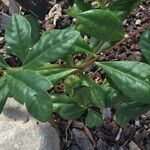
Talinum paniculatum
Fameflower · Jewels of Opar · Jewels-of-Opar · Pink baby's-breath · Pink baby-breath
Description
Source: leafsnapTalinum paniculatum, commonly known as Jewels of Opar, is a perennial herbaceous plant from the Portulacaceae family. Native to tropical regions of Africa and Asia, it has been introduced and naturalized in many parts of the world. The plant can grow up to 60 cm tall, featuring a succulent stem with alternate leaves that are either ovate or lanceolate in shape. The flowers, appearing in panicles at the top of the stem, are small and pink or white in color. Its fruit is a capsule containing numerous small seeds. Jewels of Opar is popular as an ornamental plant due to its attractive foliage and flowers. It thrives in well-drained soil with moderate moisture levels but can also tolerate drought once established. The plant can be propagated through seeds or cuttings. In traditional medicine, Talinum paniculatum has been used for its diuretic properties to treat urinary tract infections and kidney problems. Additionally, it contains antioxidants that may offer health benefits, such as reducing inflammation. Overall, Talinum paniculatum is a visually appealing ornamental plant with potential medicinal properties, making it a valuable addition to any garden or landscape design.
💡 Jewels of Opar leaves can be eaten either raw or cooked. They are succulent and more resilient to dry weather than most salad greens, making them a popular choice for salads and sandwiches. Additionally, their tiny seeds are a good source of omega-3 fatty acids. Although Jewels of Opar is native to the Americas, it has been incorporated into traditional remedies in Asia and Africa as well.
🌳 Jewels of Opar is more than a decorative plant; it also has a scientific function. Botanists have reported that Jewels of Opar can indicate the presence of particular minerals in the soil, such as magnesium and potassium. Its growth and health are directly related to the soil's mineral content, giving farmers and scientists clues about soil conditions.
🎭 Generosity, sociability
Care Guide
💧 Water Every 7 days
Originating from tropical regions, the jewels of Opar thrive in consistently moist environments and benefit from weekly watering. This outdoor plant flourishes in warm conditions and efficiently absorbs water during its growing season, making it an excellent choice for gardeners who want vibrant foliage with minimal watering concerns.
How should I water my Jewels of Opar?
To properly care for the Jewels of Opar plant, it is important to follow these guidelines. First, use filtered water that is at room temperature or slightly warm. Tap water may contain harmful particles, so filtering it is better for the plant's health. Additionally, since the Jewels of Opar is native to warm environments, avoid using cold water as it can shock the plant. Instead of overhead watering, which can cause issues with the foliage, apply the filtered room temperature water directly to the soil until it is thoroughly soaked. This benefits the plant by providing moisture to the roots and helping them absorb the necessary nutrients.
What should I do if I give too much or too little water to my Jewels of Opar?
Overwatering is a more common problem for Jewels of Opar plants, while underwatering is less likely. When overwatered, the stems and leaves may wilt and turn yellow, and prolonged overwatering can lead to root rot, mold, and mildew, which can kill the plant. Underwatering can cause brittle and brown leaves. It is important to notice signs of overwatering early to prevent irreversible damage. Reduce watering if you see early signs and check the soil's drainage. Replace poorly draining soil with a loose, well-draining potting mix. If underwatering is the issue, water more regularly until the signs improve.
How often do I need to water my Jewels of Opar?
If your Jewels of Opar plant is in a pot, the best way to determine if it needs water is to check the soil moisture by sticking your finger in. If the top two to three inches of soil feel dry, it's time to water it. If you're growing your Jewels of Opar outdoors in the ground, you can use a similar method to check the soil moisture. When the top few inches of soil feel dry, it's time to water. In the spring and early fall, watering once a week is often sufficient. However, during extremely hot weather, you may need to water twice or more per week. It's worth mentioning that mature, well-established Jewels of Opar plants have a remarkable ability to withstand drought.
How much water does my Jewels of Opar plant require?
To properly water your Jewels of Opar, don't hold back on the amount of water you give. When the top two to three inches of soil are dry, it's time for a thorough watering. Make sure to water enough to saturate the soil completely, allowing any excess water to flow out through the drainage holes at the bottom of the pot. If you don't see excess water draining, it means you haven't watered enough. However, be cautious not to let water accumulate inside the soil, as this can harm the plant. On the other hand, if water isn't draining properly from the pot, it could mean the soil doesn't drain well, which is bad for the plant's health. If the plant is outside, around 1 inch of rainfall per week should be sufficient.
How do I water my Jewels of Opar at different stages of growth?
The water needs of the Jewels of Opar can vary depending on their growth stages. When your Jewels of Opar is young or has been recently transplanted, it requires more water than usual. During these stages, the plant focuses on developing new roots, which need extra moisture to support future growth. As the plant matures, it requires less water. Another stage that requires increased watering is during the bloom period, as the flowers require a significant amount of moisture.
☀️ Light Partial sun
Jewels of Opar grows best with moderate sunlight, though it can tolerate full sun or complete shade. The amount of sun it receives affects how vigorously it grows. Coming from habitats with varying light conditions, too much or too little illumination can negatively impact its growth and health.
What are the sunlight requirements for Jewels of Opar (Talinum paniculatum)?
Jewels of Opar, also known as Talinum paniculatum, thrives under moderate sun exposure but is versatile enough to grow in full sun or complete shade. The plant benefits from receiving about 3-6 hours of sunlight per day (partial sun), but it can also adapt to conditions with more than 6 hours of sunlight (full sun) or in full shade. Its growth and health are influenced by the amount of sunlight it receives. It's important to observe the light in your garden closely and choose locations that provide a balance of light and shade to ensure the plant's well-being.
How does artificial lighting affect Jewels of Opar indoors?
When natural sunlight is insufficient, especially in spaces with less exposure or during winter, artificial lighting can significantly benefit Jewels of Opar indoors. Adequate lighting is crucial for optimal growth. LED lights are recommended because they can be adjusted to provide specific wavelengths needed by plants. The intensity required varies depending on the plant’s natural sunlight needs: 30-50W/sq ft for plants needing full sun, 20-30W/sq ft for partial sun, and 10-20W/sq ft for full shade. The light source should be placed 12-36 inches from the plant and turned on for 8-12 hours per day to mimic natural daylight hours.
What are the key signs of insufficient or excessive sunlight in Jewels of Opar?
Jewels of Opar shows various symptoms when exposed to inadequate or excessive sunlight. Insufficient light can lead to smaller new leaves, leggy growth, faster leaf drop, slower or stopped growth, and pale leaves indicating a lack of chlorophyll. Excessive sunlight can cause chlorosis (yellowing leaves), sunscald, leaf curling as a defense against water loss, wilting due to increased transpiration, and leaf scorching characterized by brown, dry edges. Observing these symptoms early helps in adjusting the plant's exposure to sunlight to maintain its health.
How can you adjust Jewels of Opar's light exposure for better growth?
To optimize Jewels of Opar's growth according to its light exposure, gradually acclimate the plant to its ideal sunlight conditions. For indoor plants, move them progressively to spots with more sunlight each week or use artificial lighting solutions, such as keeping a lamp on for at least 8 hours daily or investing in grow lights. Outdoors, adapt the plants to sunlight by shifting them to sunnier locations gradually, avoiding sudden changes to prevent sunburn. If sunlight is obstructed, consider pruning or transplanting to a brighter spot. Remember, parts of the plant that suffered due to poor light may not recover, but new growth will be healthy with improved light conditions.
🌡️ Temperature 15–37.8°C
Jewels of Opar comes from areas with moderate climates and is generally most comfortable at temperatures between 68 and 100.4 °F (20 to 38 ℃). Extreme temperatures may stress the plant, so indoor adjustments to accommodate seasonal changes might be required.
What are the ideal growing conditions for Jewels of Opar?
Jewels of Opar, also known as Talinum paniculatum, thrives in regions with moderate climates, preferring temperatures between 68°F (20°C) and 100.4°F (38°C). While the plant has some cold tolerance, extreme temperatures can stress it. Therefore, indoor adjustments may be needed to match seasonal temperature fluctuations. For temperatures above its minimum tolerable growing temperature, Jewels of Opar generally does not need special measures. However, if temperatures drop below this threshold, temporary protective measures like wrapping the plant with plastic film, fabric, or other materials are necessary, and these should be removed once temperatures rise again.
How does Jewels of Opar react to low temperatures?
Jewels of Opar has a moderate tolerance to low temperatures but thrives when kept above its minimum suitable growth temperature. Throughout the winter, it's important to ensure the temperature remains above the plant's tolerable growing temperature minimum. When the temperature falls below its growth limit temperature, the leaves might droop. Mild effects can be reversible, but severe cases can lead to wilting and leaf loss. The recommended solution for low temperature exposure is to trim off frost-damaged parts and, before encountering low temperatures again, wrap the plant with protective materials like non-woven fabric and construct a wind barrier.
What should be done if Jewels of Opar experiences high temperatures?
During the summer, it's crucial to keep Jewels of Opar below its maximum suitable growth temperature. Exposing the plant to temperatures above its tolerable maximum can cause the leaves to lighten in color, tips to dry and wither, leaves to curl, and increase susceptibility to sunburn. To mitigate high temperature damage, trim away sunburned and dried-up parts, relocate the plant to a shaded area during midday and afternoon, or use a shade cloth. Additionally, watering the plant in the morning and evening can help keep the soil moist and reduce temperature stress.
💨 Humidity
🪴 Soil 6-7
🌱 Fertilizer
A single fertilizer application in spring is typically enough for Jewels of Opar, though multiple feedings can maximize growth. Feed every month to every month and a half. Fertilization improves leaf appearance and function, helping maintain uniform color and a healthy texture. It also encourages root growth and boosts nutrient absorption for long-term plant health.
🪴 Pot & Repot Every 12 months
Repot Jewels of Opar in early spring. Choose a pot that is wider than it is deep and has good drainage. Use a loamy, well-draining potting mix enriched with compost. Gently remove old soil from the bulb and set it at a depth equal to the bulb's height. Water thoroughly after repotting and place the pot in a sunny spot. Avoid overwatering to prevent the bulb from rotting.
✂️ Pruning
🌿 Propagating
🐛 Diseases & pets
☠️ Toxicity
Characteristics
- Plant Type
- Herb
- Life Cycle
- Perennial, Annual
- Genus
- Talinum
- Family
- Talinaceae
- Hardiness Zone
- 8-12
- Mature Height
- 30 cm to 91 cm
- Mature Spread
- 61 cm to 91 cm
- Leaf Color
- Green, Blue
- Leaf Type
- Deciduous
- Flower Color
- Pink
- Flower Size
- 0.51 cm
- Bloom Time
- Early summer, Mid summer
- Planting Time
- Spring
- Harvest Time
- Mid summer, Late summer
- Native Area
- Colombia, Belize, Cuba, Honduras, Mexico, Guatemala, Bolivia, Venezuela, Peru, Guyana, El Salvador, Nicaragua, Ecuador, Costa Rica, Panama, Jamaica