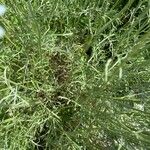
Tanacetum cinerariifolium
Dalmatian Pyrethrum · Dalmatian insect-flower · Pyrethrum · Pyrethrum-flower · Dalmatia Pyrethrum
Description
Source: leafsnapTanacetum cinerariifolium is a species of flowering plant in the aster family, Asteraceae, and formerly part of the genus Pyrethrum, but now placed in the genus Chrysanthemum, or the genus Tanacetum by some biologists. It is called the Dalmatian chrysanthemum, denoting its origin in that region of Europe (Dalmatia). It looks more like the common daisy than other pyrethrums do. Its flowers, typically white with yellow centers, grow from numerous fairly rigid stems. Plants have blue-green leaves and grow to 45 to 100 cm (18 to 39 in) in height.
Care Guide
💧 Water Every 1-2 weeks
Dalmatian pellitory, originally from the Adriatic region, thrives in Mediterranean climates with moderate humidity. It grows best in well-drained soil with consistent moisture, needing watering every one to two weeks. As an herbaceous perennial, dalmatian pellitory benefits from natural rainfall during its growing season, which promotes robust growth without the need for excessive irrigation.
☀️ Light Full sun
Dalmatian pellitory grows best in settings that provide constant access to plentiful sunlight. Native to areas where bright sun is common, this plant's health and development are greatly improved by those conditions. However, too little light or excessive exposure can result in poor growth or damage to the plant.
What are the sunlight requirements for Dalmatian pellitory?
Dalmatian pellitory, or Tanacetum cinerariifolium, thrives best in environments that provide an abundance of sunlight, mimicking its natural habitats where sunlight is plentiful. It requires full sun conditions, defined as exposure to sunlight for more than 6 hours daily, for optimal growth and health. However, it can also tolerate partial sun, which entails about 3-6 hours of sunlight daily. It is crucial to observe how sunlight moves through your garden to ensure that your plants receive the right balance of light and shade, promoting their well-being and growth.
What should I consider regarding artificial lighting for indoor Dalmatian pellitory plants?
For Dalmatian pellitory plants kept indoors, ensuring adequate lighting is vital, especially when natural sunlight is insufficient. Artificial lighting can be a beneficial solution, providing the necessary light intensity and duration to promote healthy plant growth. LED lights are a popular choice, offering customizable wavelengths suitable for plants' needs. The required intensity varies depending on the plant's natural light needs: 30-50W/sq ft for full sun plants, 20-30W/sq ft for partial sun plants, and 10-20W/sq ft for full shade plants. Placing the light source 12-36 inches above the plant mimics natural sunlight conditions, and maintaining a consistent light duration, typically 8-12 hours daily, supports optimal growth.
What are the symptoms of light deficiency in Dalmatian pellitory?
When Dalmatian pellitory experiences inadequate lighting, it may showcase several symptoms indicating light deficiency. These symptoms include smaller new leaves, leggy or sparse growth, early leaf drop to conserve resources, slower or ceased growth as the plant enters survival mode, and lighter-colored new leaves indicative of insufficient chlorophyll. Overexposure symptoms, such as chlorosis, sunscald, leaf curling, wilting, and leaf scorching, also may occur, reflecting the plant's response to excessive sunlight and its effects on hydration and photosynthesis.
How can I remedy light-related issues for Dalmatian pellitory?
Addressing light-related issues in Dalmatian pellitory involves adjusting the plant's exposure to sunlight, whether it's grown indoors or outdoors. For indoor plants, gradually relocating them to sunnier spots or using artificial light to provide at least 6 hours of direct sunlight daily can enhance growth and health. Outdoor plants may require gradual adaptation to sunnier locations, avoiding abrupt changes to prevent sunburn. Reducing obstructions and transplanting smaller plants during their dormant period to locations with ample sunlight and good drainage can improve lighting conditions. Observe that parts of the plant damaged by inadequate light may not recover, but new growth will be healthy with adjusted light exposure.
🌡️ Temperature 5–35°C
Dalmatian pellitory is a plant native to regions with moderate warmth, specifically between 68 and 95 °F (20 to 35 °C). It performs best within this temperature range and may need its surroundings adjusted to maintain optimal growth throughout different seasons.
What is the optimal temperature range for growing Dalmatian Pellitory?
Dalmatian Pellitory (Tanacetum cinerariifolium) thrives best in environments with moderate heat, specifically between 68 to 95 °F (20 to 35 °C). It is essential to maintain these temperatures for optimal growth, making adjustments to the surroundings as necessary depending on the season.
Does Dalmatian Pellitory require any special frost protection measures during winter?
Dalmatian Pellitory has strong cold resistance, so it usually doesn't require special frost protection measures. However, if temperatures are expected to drop below -25°C, it's important to provide cold protection by covering the plant with soil or straw. Additionally, watering the plant abundantly before the first freeze in autumn to ensure moist soil can help prevent drought and water scarcity during winter and early spring.
What should you do if the temperature falls below the Dalmatian Pellitory's cold tolerance level?
If the temperature falls below the Dalmatian Pellitory's cold tolerance level (-25°C), there may not be noticeable changes during winter, but there can be a decrease in sprouting or even no sprouting during springtime. In such cases, it is recommended to remove any parts of the plant that have failed to sprout in spring.
How should Dalmatian Pellitory be cared for during high temperatures?
During summer, it is crucial to keep Dalmatian Pellitory below 35°C. If temperatures exceed 38°C, the leaves may lighten in color, curl, become susceptible to sunburn, or in severe cases, the entire plant may wilt and dry up. In response, trim away the sunburned and dried-up parts, move the plant to a shaded location or use a shade cloth, and water it in the morning and evening to keep the soil moist.
💨 Humidity
🪴 Soil 6-7
🌱 Fertilizer
For Dalmatian pellitory, the primary time to apply fertilizer is in early spring when the flowers are forming. The appropriate fertilizer promotes better blooms and helps Dalmatian pellitory produce attractive flowers. Fertilizing in early spring ensures strong flowering during the season and supplies energy for dormant growth phases.
🪴 Pot & Repot
✂️ Pruning
Dalmatian pellitory is known for its distinctive daisy-like flowers and natural pest-repellent properties. To encourage new growth, prune the plant from late winter to early spring by removing old stems and spent flowers. Additionally, thinning the foliage helps improve air circulation and prevents overcrowding, which in turn promotes healthy blooms throughout the growing season.
🌿 Propagating
🐛 Diseases & pets
☠️ Toxicity
Characteristics
- Plant Type
- Herb
- Life Cycle
- Perennial, Annual
- Genus
- Tanacetum
- Family
- Asteraceae
- Hardiness Zone
- 5-9
- Mature Height
- 46 cm to 61 cm
- Mature Spread
- 30 cm to 46 cm
- Leaf Color
- Silver, Gray
- Leaf Type
- Evergreen
- Flower Color
- White, Yellow
- Flower Size
- 2.54 cm to 5.08 cm
- Bloom Time
- Late spring, Early summer, Mid summer
- Planting Time
- Spring, Autumn
- Harvest Time
- Mid summer, Late summer
- Native Area
- Russia, Montenegro, Albania, Croatia, Ukraine, China