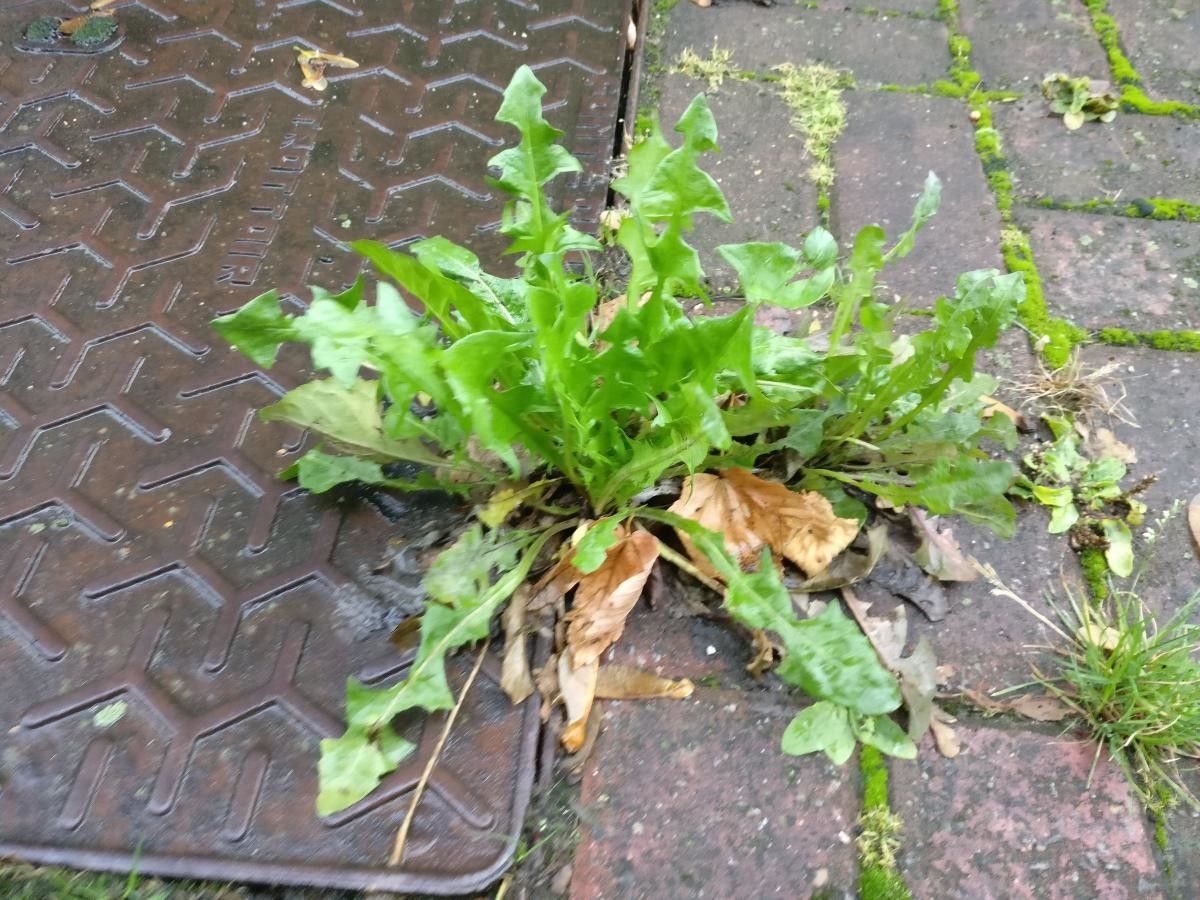
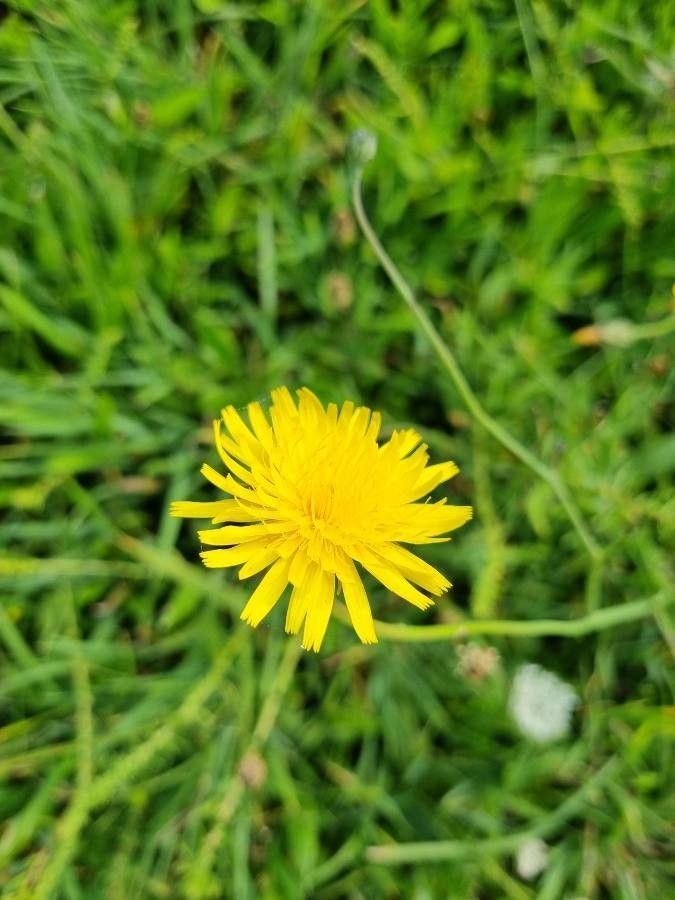
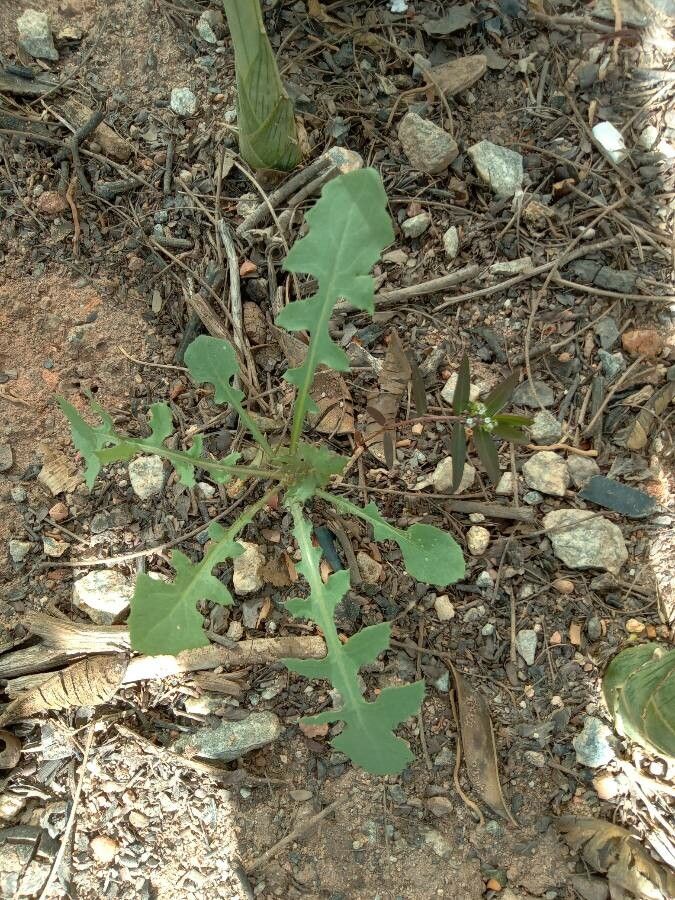
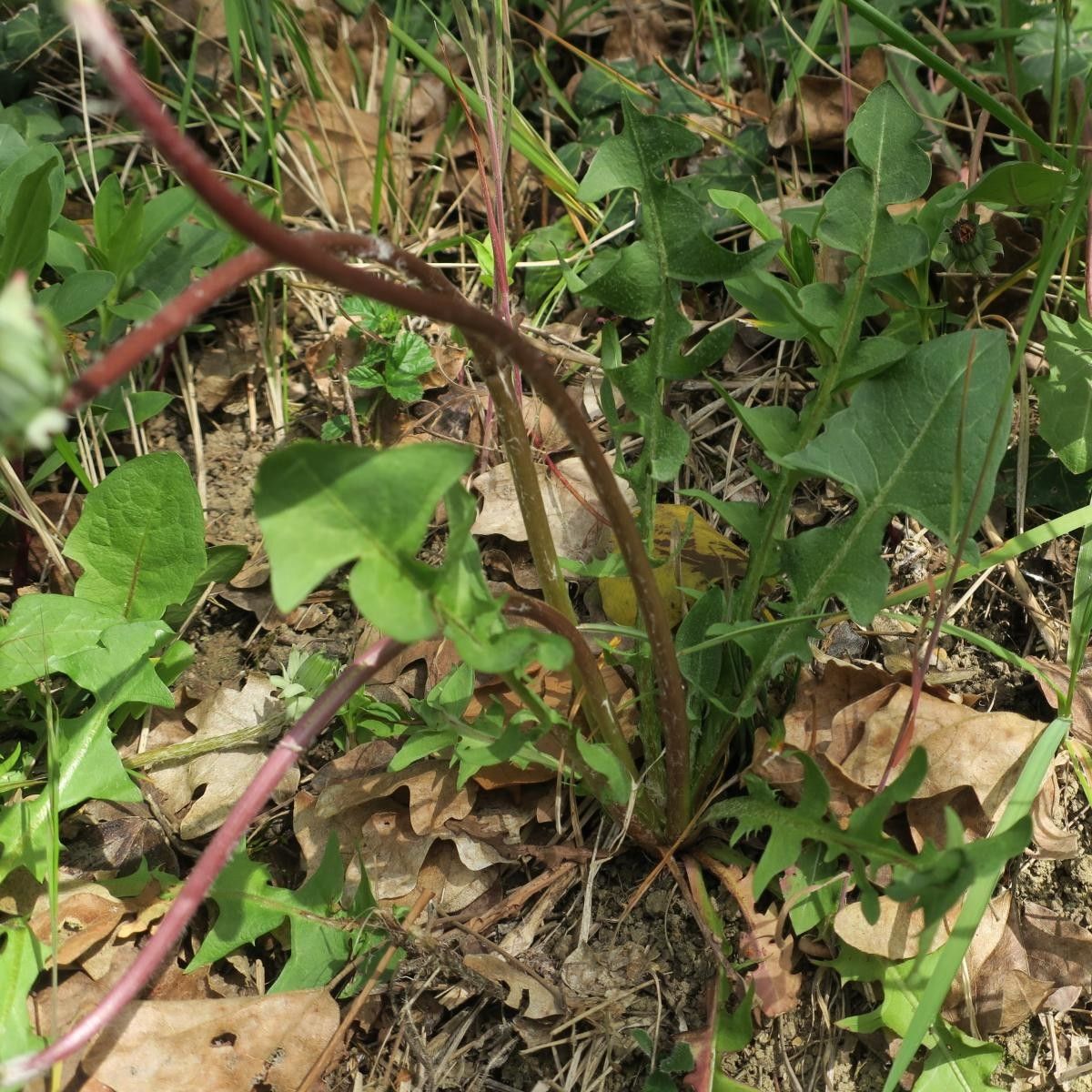
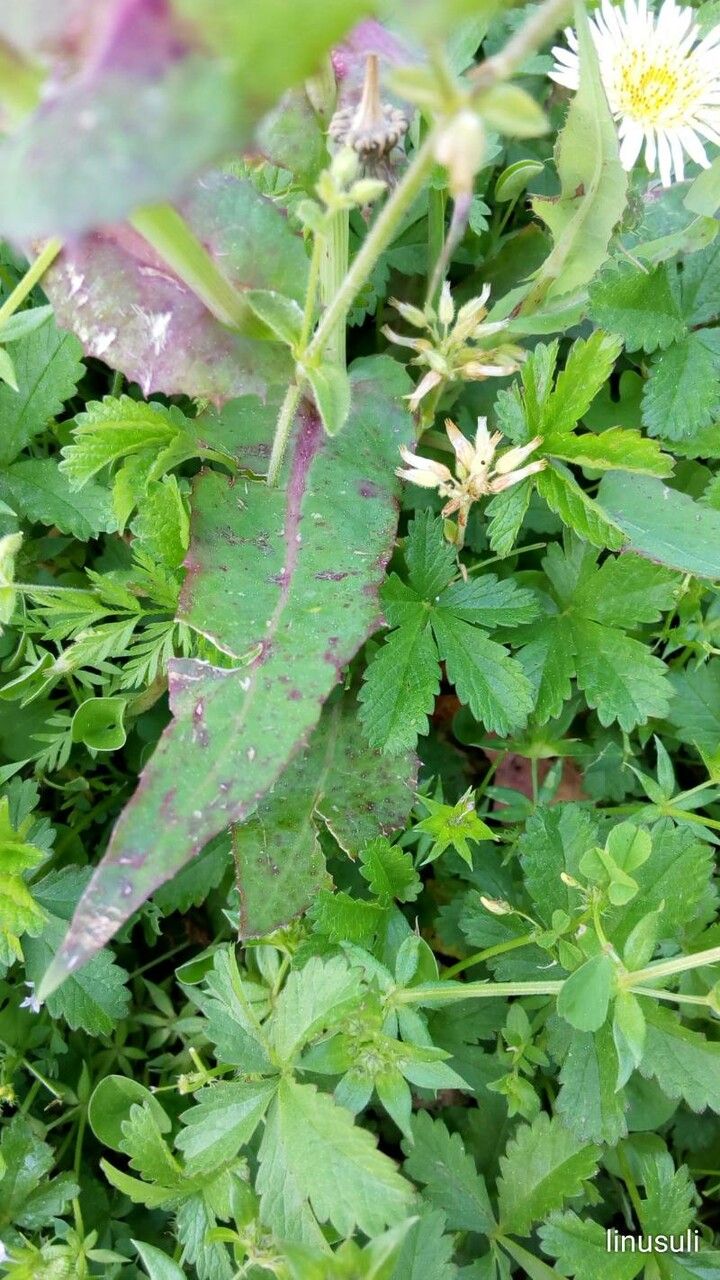
Taraxacum lacistophylloides has moderate disease resistance but can be prone to issues like leaf spot. Its vulnerability to insect pests differs by cultivar, though most varieties tend to be less resistant to pests. For care, Taraxacum lacistophylloides requires regular watering and fertilizing and frequent removal of yellow leaves. It is essential to address pests and diseases as they arise and to harvest the plant promptly. Taraxacum lacistophylloides is appropriate for people who can commit some time and energy to routine care.
How to keep Taraxacum Lacistophylloides.
Light
Taraxacum lacistophylloides is native to habitats with plenty of sunlight, such as open fields and sunlit meadows. It prefers full sun, although it can tolerate partial sun.
Temperature
Taraxacum lacistophylloides prefers moderate temperatures, about the same range people usually find comfortable. It grows best when conditions are not excessively hot or cold. The main concern with high temperatures is the chance of sunburn, so giving some shade in summer is recommended to prevent overheating. When temperatures fall, Taraxacum lacistophylloides becomes dormant. To keep it growing continuously, warmer winter temperatures need to be maintained. Frost can injure the plant and should be avoided.
Fertilizer
To maximize the yield and flavor of Taraxacum lacistophylloides, supply adequate nitrogen at every stage of growth, from before planting through to harvest. Plants that receive regular watering and fertilization develop plentiful, vigorous leaves and are less bitter. Enrich the soil with organic matter such as compost or manure before planting, preferably 2 to 8 weeks ahead.
Botanical profile.
- Plant Type
- Herb
- Life Cycle
- Perennial
- Genus
- Taraxacum
- Family
- Asteraceae
- Hardiness Zone
- 3-9
- Mature Height
- 10 cm to 30 cm
- Mature Spread
- 15 cm to 25 cm
- Leaf Color
- Green, Dark Green
- Leaf Type
- Semi-evergreen
- Flower Color
- Gold, Yellow
- Flower Size
- 3.05 cm to 5.08 cm
- Bloom Time
- Spring, Early summer, Mid summer
- Planting Time
- Spring, Summer, Autumn
- Harvest Time
- Mid spring, Late spring, Summer
- Native Area
- Germany, Austria, Italy, Spain, Switzerland, Czech Republic, Denmark, Slovakia, France, Belgium, Portugal