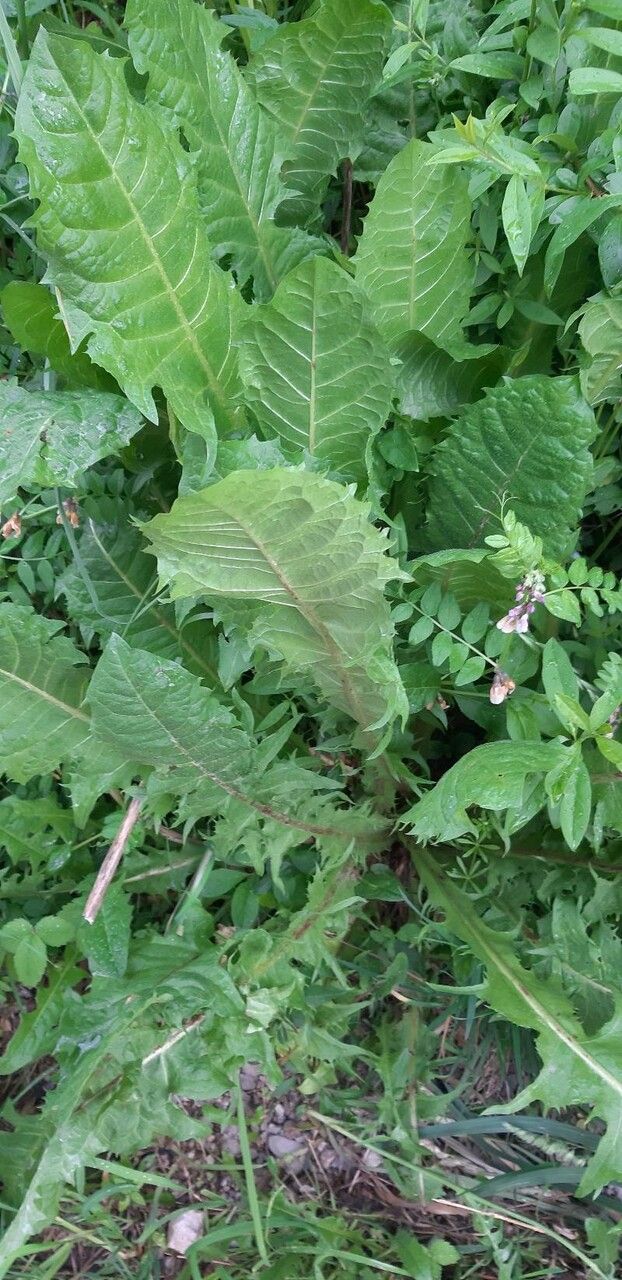
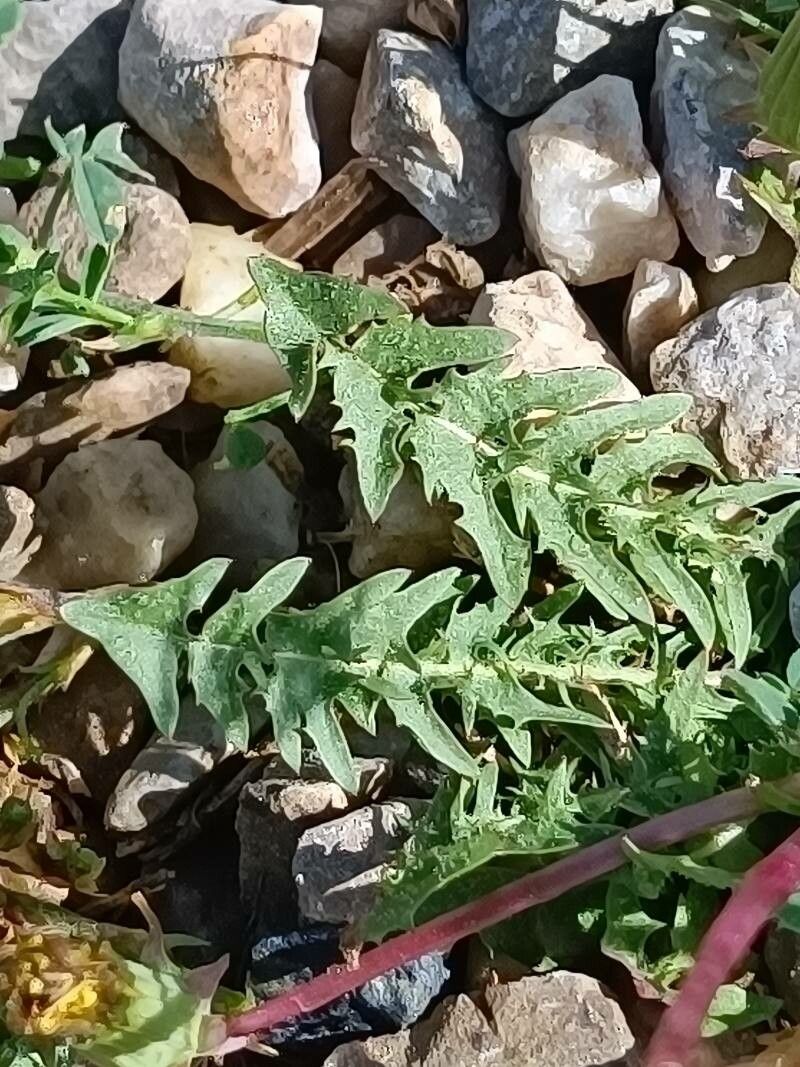
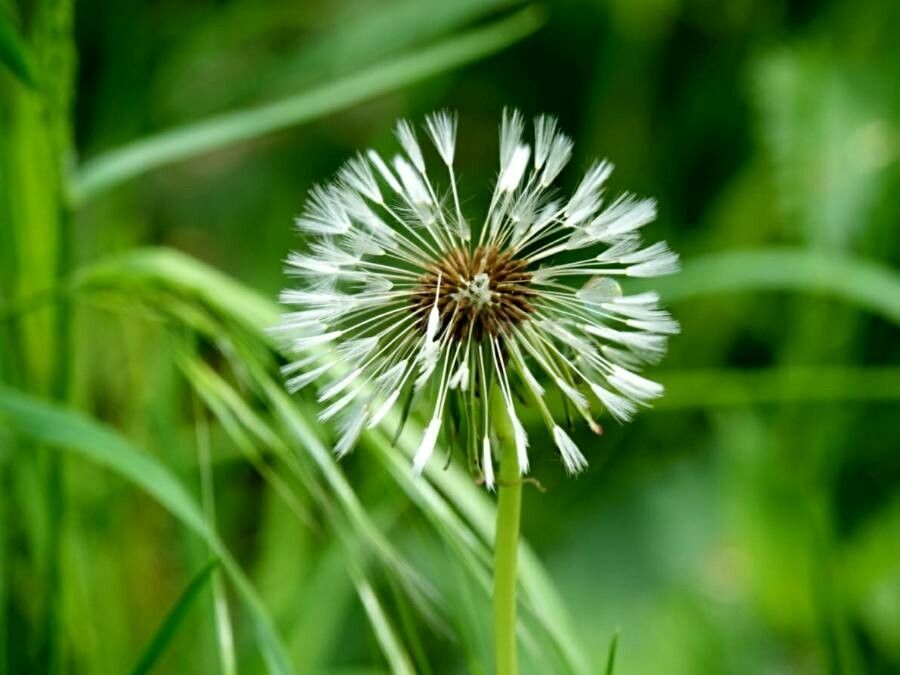
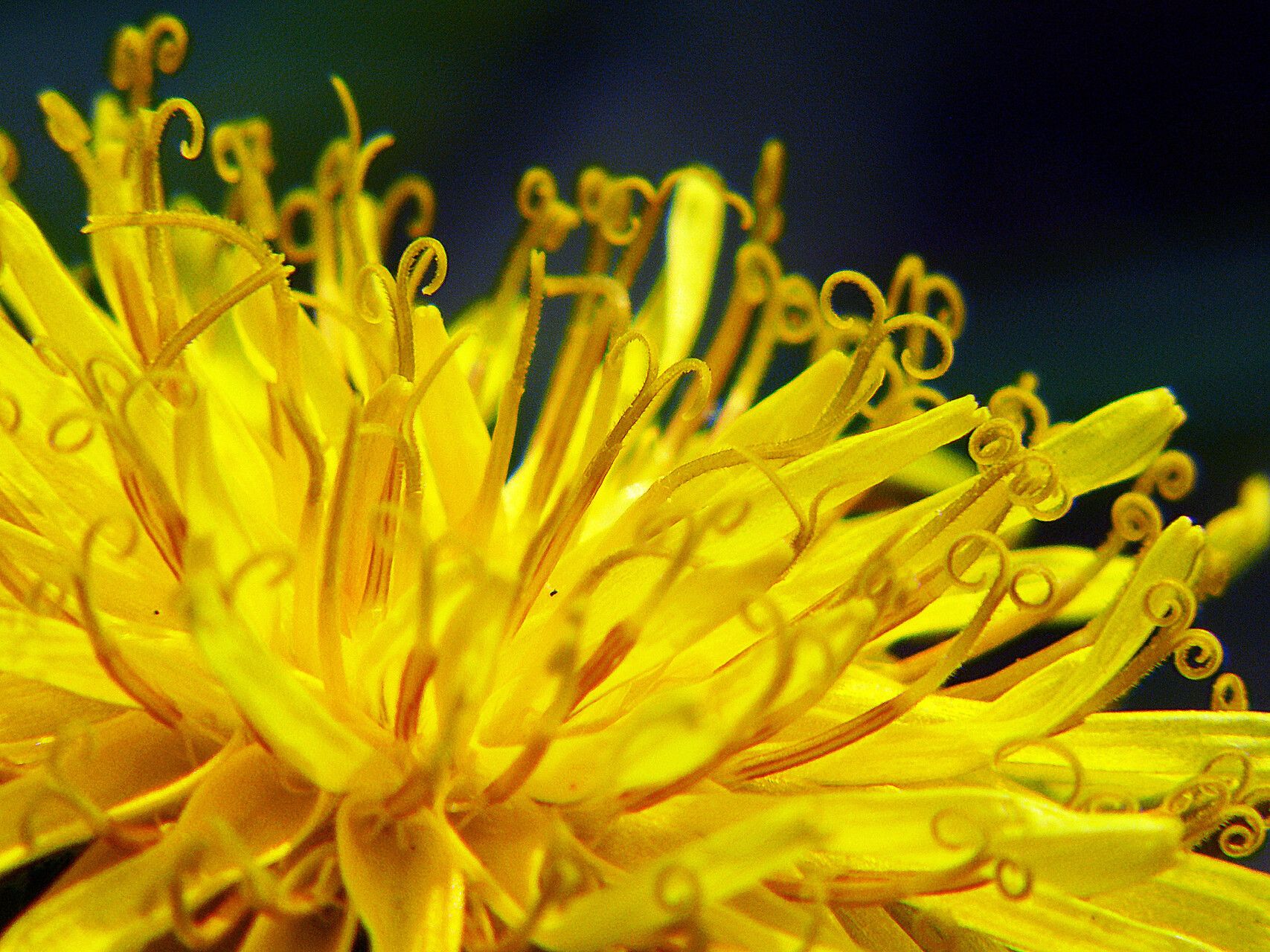
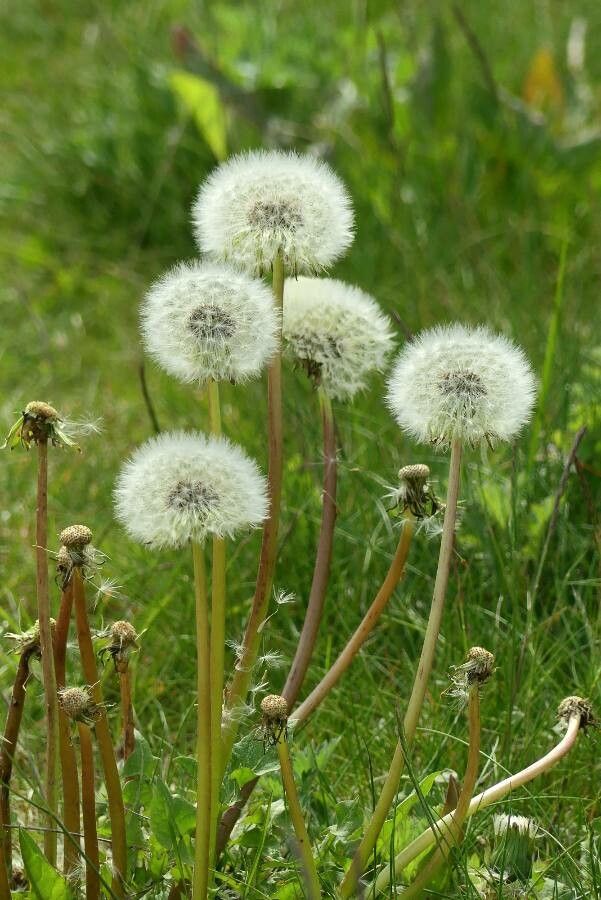
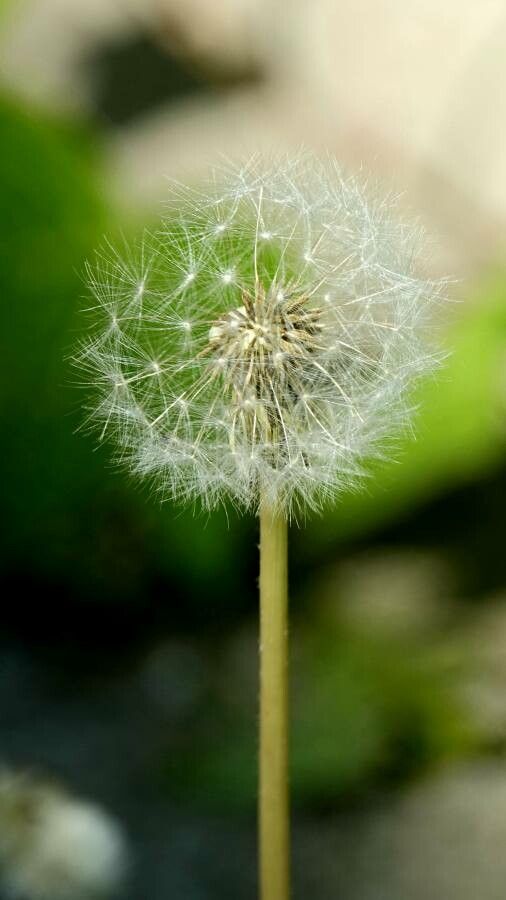
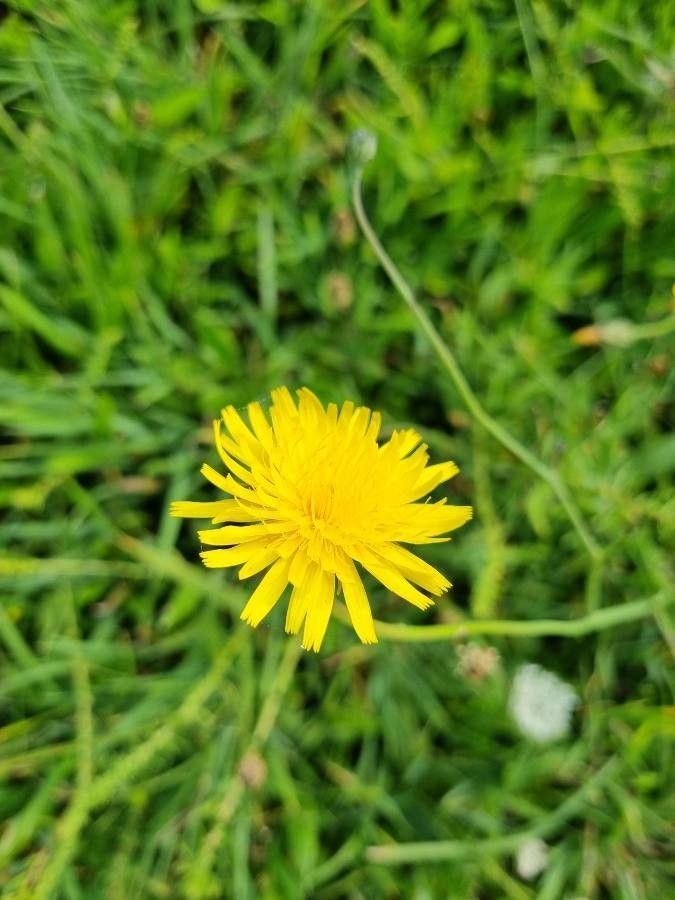
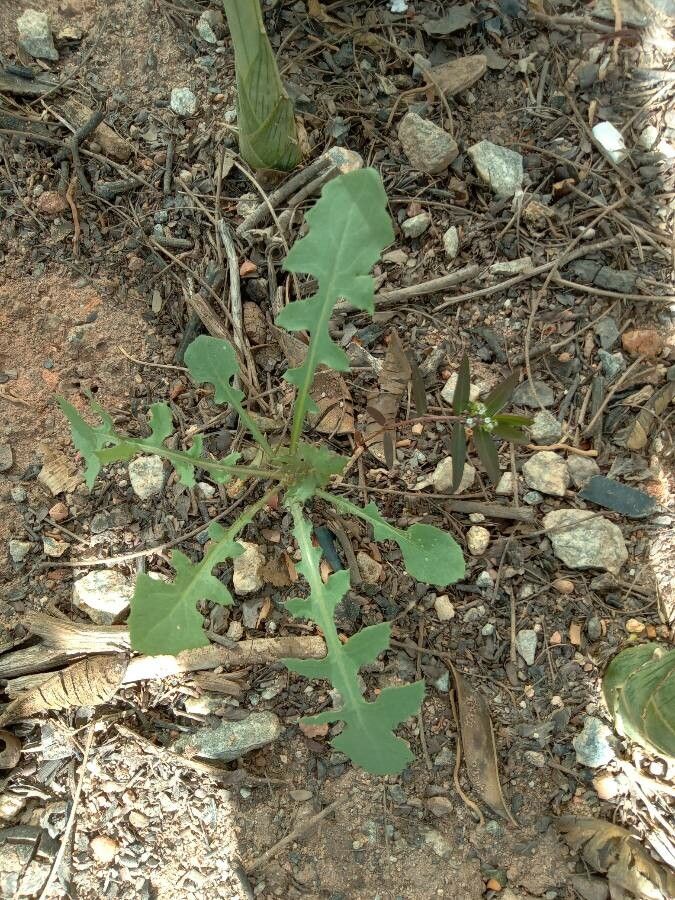
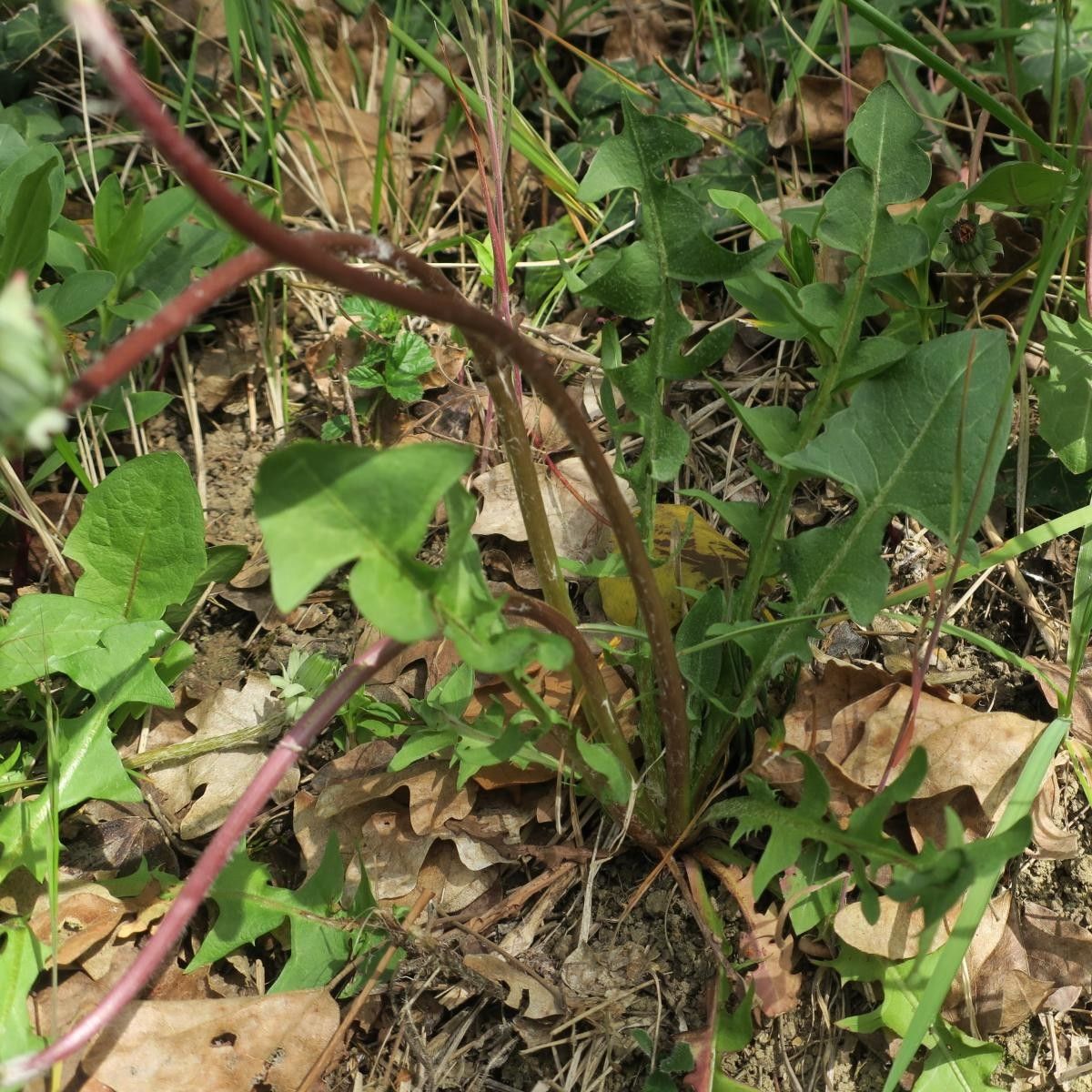
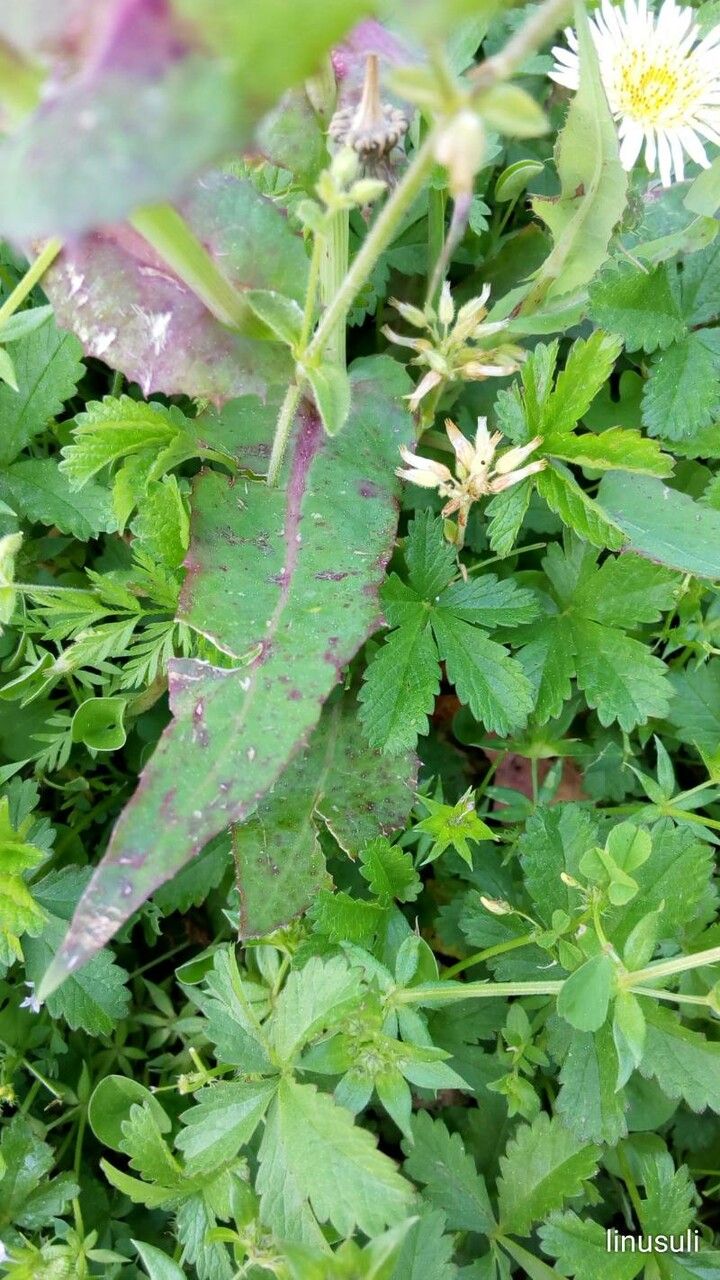
Taraxacum rubicundum, commonly known as the Red-seeded Dandelion, is a perennial herbaceous plant that belongs to the Asteraceae family. Native to Europe and Asia, it has also been introduced and naturalized in many parts of North America. The plant can grow up to 30 cm in height and features a basal rosette of deeply lobed leaves that are either hairless or slightly hairy. The Red-seeded Dandelion produces bright yellow flowers that bloom from April to June. These flowers, measuring about 2-3 cm in diameter, consist of numerous ray florets surrounding a central disk of tiny florets. After pollination, the flower heads transform into fluffy white seed heads, often called "dandelion clocks," which disperse their seeds by wind. Preferring moist soils, the plant can be found in meadows, pastures, lawns, roadsides, and disturbed areas such as waste grounds or railway tracks. Additionally, it is used for its medicinal properties, particularly its diuretic effects that support kidney function. Overall, Taraxacum rubicundum is an attractive wildflower with bright yellow blooms that enhance the landscape while also offering medicinal benefits.
ruddy dandelion has strong resistance to disease and is not usually susceptible to illnesses. However, it can still be affected by pests and diseases present in its environment. Such infections are typically mild. Care-wise, this plant needs moderate maintenance. It should be pruned regularly to maintain a neat appearance and encourage healthy growth. Fertilizing can also help stimulate flowering. ruddy dandelion is suitable for anyone with outdoor space, like a garden or patio, and does not demand much care experience. It may require more attention when kept indoors.
How to keep Taraxacum Rubicundum.
Temperature
ruddy dandelion can tolerate a wide span of temperatures, but its range may still be restricted by particular mixes of moisture and heat. It does best in warm summer conditions with sufficient rainfall or irrigation. Long stretches of cloudy, rainy weather or extended high temperatures can raise the chances of ruddy dandelion dying. In winter, adequate protection from the cold can boost the plant's survival rate.
Fertilizer
One application of fertilizer in spring is typically enough for ruddy dandelion, although several feedings can optimize growth. Apply fertilizer every month to a month and a half. Fertilizing improves the leaves' appearance and function, supporting uniform color and a healthy texture. It also encourages root development and nutrient uptake for long-term plant health.
Botanical profile.
- Plant Type
- Herb
- Life Cycle
- Perennial
- Genus
- Taraxacum
- Family
- Asteraceae
- Hardiness Zone
- 3-10
- Leaf Type
- Semi-evergreen
- Native Area
- Germany, Austria, Sweden, Italy, Spain, Switzerland, Czech Republic, Denmark, Netherlands, Finland, United Kingdom, Hungary, Croatia, Belgium, France
Other names.