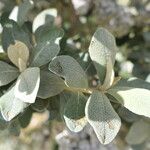
Tarchonanthus littoralis
Description
Source: wikipedia (CC BY-SA)Tarchonanthus littoralis, the coastal camphor bush, is a shrub to small tree that is part of the Asteraceae family. The species is endemic to South Africa and occurs along the coast in KwaZulu-Natal, the Eastern Cape and the Western Cape.
Care Guide
💧 Water
The coastal camphor bush is well-suited for arid regions and thrives with minimal moisture due to its high drought tolerance. It only needs watering every 2-3 weeks and can suffer if overwatered. As an outdoor plant, it benefits from the humidity found in coastal areas, which helps it grow without needing frequent irrigation.
☀️ Light Full sun
The coastal camphor bush comes from open habitats, like sunny meadows and the edges of forests, which supply plentiful light. It does best in Full Sun but can also tolerate Partial Sun, adjusting well to different light conditions.
What amount of sunlight is considered Full Sun and Partial Sun?
Full Sun is described as receiving above 6 hours of sunlight daily, while Partial Sun is about 3-6 hours of sunlight daily. It's important to observe how sunlight moves through your garden to choose spots that offer the right balance of light and shade for your plants, ensuring their wellbeing and happiness.
Where does the Coastal camphor bush naturally thrive, and what are its sunlight requirements?
The Coastal camphor bush, a species originating from open environments such as sunny meadows and forest edges, requires ample light to thrive. Ideally suited to Full Sun conditions, it can also adapt well to Partial Sun, showcasing its versatility in various lighting conditions.
How can artificial lighting help indoor plants, and what should be considered when using it?
For indoor plants that lack sufficient natural sunlight, especially during winter or in less sunny spaces, artificial lighting is a beneficial solution. It promotes faster, healthier growth by providing an optimal light source. When using artificial lights, it's essential to select the right type (such as LED lights), determine the appropriate light intensity and distance from the plant, and mimic natural daylight hours, typically 8-12 hours per day depending on the plant's needs.
What are the symptoms of inadequate light in Coastal camphor bushes?
When Coastal camphor bushes are exposed to suboptimal lighting conditions, they may exhibit symptoms like smaller new leaves, leggy or sparse growth, faster leaf drop, slower or halted growth, and lighter-colored or chlorotic leaves. Additionally, issues such as sunscald, leaf curling, wilting, and leaf scorching can occur due to intense sunlight exposure, indicating either too much or too little sunlight.
What solutions can be applied to improve growth in both indoor and outdoor Coastal camphor bushes facing inadequate light?
To support optimal growth, gradually acclimatize plants to receive at least 6 hours of direct sunlight daily, moving them weekly into sunnier locations. For indoor plants, use natural light from south-facing windows or supplement with artificial lights for at least 8 hours a day. Outdoors, ensure plants are placed in spots with the best exposure to sunlight, avoiding sudden changes to prevent sunburn. If sunlight is blocked by obstructions like trees, consider pruning or transplanting smaller plants during their dormant period to areas with better light and drainage.
🌡️ Temperature 15–37.8°C
Coastal camphor bush is commonly found in warmer climates, doing well in native spontaneous growth environments where temperatures range from 59 to 100.4°F (15 to 38℃). For best health, temperatures within that range are ideal. If those conditions aren't present, seasonal adjustments may be necessary.
What is the ideal temperature range for Coastal camphor bush to thrive?
The ideal temperature range for Coastal camphor bush, scientifically known as Tarchonanthus littoralis, to thrive is between 59 to 100.4°F (15 to 38°C). These conditions are typically found in warmer climates where the plant enjoys native spontaneous growth. Temperatures within this range promote optimum health for the plant.
What should be done to protect Coastal camphor bush in temperatures below -5°C?
Coastal camphor bush possesses some level of cold tolerance and generally doesn't require protective measures if the temperature is above -5°C. However, if the temperature is expected to drop below -5°C, temporary cold protection measures should be taken. This can include wrapping the plant with plastic film, fabric, or other suitable materials to shield it from the cold. Once temperatures rise again, it's important to remove these protective coverings promptly.
How does Coastal camphor bush react to low temperatures?
Coastal camphor bush has a moderate tolerance to low temperatures and can thrive best when the temperature remains above 15°C. In winter, it's vital to keep it above -5°C to avoid damage. Should the temperature fall below -10°C, the bush's leaves may start to droop. While they can recover from mild exposure, severe cases may lead to leaves wilting and eventually falling off.
What measures can be taken if a Coastal camphor bush is damaged by frost?
If a Coastal camphor bush experiences frost damage, the affected areas should be trimmed off. To prevent future damage from low temperatures, the plant can be wrapped with non-woven fabric or cloth. Additionally, constructing a wind barrier can help protect it from cold winds, offering further protection against frost damage.
How does Coastal camphor bush respond to high temperatures, and what can be done to mitigate damage?
During the summer, Coastal camphor bush should be kept below 38°C to prevent heat stress. Exposure to temperatures above 43°C can lead to lighter leaf coloration, dry and withered leaf tips, leaf curling, and an increased risk of sunburn. To mitigate damage from high temperatures, trim away sunburned and dried parts of the plant. Moving the plant to a shadier location or using a shade cloth can protect it from the intense midday and afternoon sun. Keeping the soil moist by watering in the morning and evening helps the plant cope with the heat.
💨 Humidity
🪴 Soil 6-7
🌱 Fertilizer
Fertilize your Coastal camphor bush in early spring to encourage healthy growth. Regular feeding boosts overall vigor, producing strong growth, increased tolerance of harsh conditions, and enhanced resistance to pests and diseases. Keep to a defined fertilization routine for your Coastal camphor bush to maintain vibrant, deeply colored foliage and a lush appearance.
🪴 Pot & Repot
✂️ Pruning
The coastal camphor bush is known for its aromatic foliage and dense growth. Pruning it in early spring can stimulate new growth by removing dead branches, enhancing air circulation, and shaping the plant. This process helps manage its size and encourages a bushier appearance, aligning with its growth cycle for optimal recovery and flowering.
🌿 Propagating
🐛 Diseases & pets
☠️ Toxicity
Characteristics
- Plant Type
- Shrub
- Life Cycle
- Perennial
- Genus
- Tarchonanthus
- Family
- Asteraceae
- Hardiness Zone
- 8-11
- Mature Height
- 0.91 m to 7.92 m
- Mature Spread
- 2.13 m to 4.88 m
- Leaf Color
- Gray, Silver
- Leaf Type
- Semi-evergreen
- Flower Color
- White
- Flower Size
- 0.51 cm to 1.02 cm
- Bloom Time
- Late summer, Early fall, Mid fall
- Planting Time
- Spring, Autumn, Winter
- Harvest Time
- Late fall, Early winter, Mid winter
- Native Area
- South Africa