Tecoma stans
تيكومة واقفة · تيكومة صفراء · پیچ اناری زرد گرمسیری، تکوما، شیپور طلایی · Yellow-bells · Yellow trumpet flower
Description
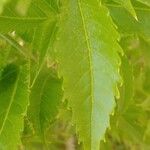
Source: leafsnapTecoma is a genus of flowering plants that belongs to the family Bignoniaceae. Commonly known as the trumpet vine or yellow bells, this plant features trumpet-shaped flowers that come in shades of yellow, orange, and red. Native to the Americas, Tecoma can be found in diverse habitats such as forests, savannas, and deserts. Tecoma plants are usually shrubs or small trees that can grow up to 10 meters tall. They have woody stems with green leaves arranged oppositely along the stem. The leaves are pinnately compound, consisting typically of 5 to 9 leaflets. The flowers of Tecoma plants are vibrant and attract pollinators such as bees, butterflies, and hummingbirds. They bloom from spring through fall, depending on the species and climate conditions. Tecoma plants possess various medicinal properties, including anti-inflammatory effects on skin conditions such as eczema and psoriasis. This is largely due to their high content of iridoid compounds like catalpol, which has been shown to be effective against inflammation caused by UVB radiation exposure. Overall, the Tecoma plant is an attractive ornamental addition to any garden, offering beautiful flowers that enhance the landscape. Additionally, it provides medicinal benefits for treating skin diseases, a use that has been recognized and employed by experts in traditional medicine practices around the world for centuries.
💡 Yellow trumpetbush thrives worldwide in tropical climates, but its perception varies across regions. In the Bahamas, it is celebrated as the national flower and a symbol of pride. Likewise, in the Virgin Islands, it holds the same status. In contrast, on the Pacific Islands, it is considered an invasive weed and does not carry any positive symbolism.
🌳 Beyond its ornamental value, yellow bells has several lesser-known uses. Its wood, prized for its durability, has been used to make furniture. Its bright yellow flowers can also be used to produce natural dyes for fabric. Because the plant yields a large amount of nectar, it is very valuable to beekeepers as a forage source for honey production. Additionally, research suggests it may have a role in bioremediation, helping to indicate the presence of certain metals in the soil.
🎭 Renown
Care Guide
💧 Water Every 7 days
The Yellow Trumpetbush thrives in humid, tropical environments with consistent moisture. While it can tolerate short periods of dryness, it is best to water it every 1-2 weeks, allowing the soil to dry slightly between waterings. Typically grown outdoors, this plant benefits from mulching, which helps maintain moisture and regulate soil temperature.
When Should I Water My Yellow Trumpetbush?
Determining the optimal time to water your yellow trumpetbush is vital for its growth, flower production, and overall health. The key indicators to look for include the dryness of the soil—specifically, if the top 1 to 2 inches of soil are dry, the plant needs water. Additionally, the leaves' condition can signal the need for water; wilted, lackluster leaves or a decrease in the vibrant yellow hue suggest under-watering. Furthermore, reduced or smaller flower production may indicate water stress. It's important to be cautious of watering too early when the soil is still moist, as this can lead to root diseases, and conversely, watering too late can result in detrimental stress on the plant.
How Should I Water My Yellow Trumpetbush?
Watering your yellow trumpetbush correctly is essential for its health. Tecoma stans, or yellow trumpetbush, benefits from bottom-watering, a method that allows the roots to absorb moisture directly. This technique helps prevent foliage diseases by avoiding excess moisture on the plant's leaves. When watering, use a can with a narrow spout to direct water to the base, which minimizes water contact with the foliage and ensures the water reaches the roots. This targeted technique supports the plant's hydration needs effectively.
How Much Water Does Yellow Trumpetbush Really Need?
The amount of water required by a yellow trumpetbush depends on several factors including the pot size, the depth of the roots, and the size of the plant itself. A mature yellow trumpetbush in a medium-sized pot generally needs about 1-2 liters of water per session, ensuring the water reaches the deep roots by watering until it drains out of the pot's bottom. Signs of adequate hydration include lush, green leaves and the production of yellow trumpet-shaped flowers. Conversely, signs of both under and overwatering can include wilting leaves and stunted growth. Striking the right balance in watering, considering the plant's tolerance for drought and avoiding prolonged dryness, is key for its health.
What Kind of Water is Best for Yellow Trumpetbush?
Tap water is typically suitable and recommended for yellow trumpetbush due to its tolerance to the common minerals found in such water sources, including chlorine and fluoride. However, if signs of toxicity appear, allowing the tap water to sit out for a few hours before watering can help evaporate the excess chlorine or switching to filtered or rainwater can reduce fluoride levels. Ensuring the water is tepid rather than extreme in temperature will help avoid shocking the plant's root system.
How Do Yellow Trumpetbush's Watering Needs Change with the Seasons?
Watering needs for yellow trumpetbush vary with the seasons. In spring, regular watering supports new growth and bud development as temperatures rise. Summer warmth means less frequent watering, though the plant may need more water during extreme heat or signs of dehydration. By autumn, as growth slows, watering frequency should also decrease to prevent issues like root rot. In winter, the plant’s watering needs are minimal, and soil should be allowed to dry out completely between sessions, especially in dormant periods.
☀️ Light Full sun
Yellow bells shows a strong preference for sites that receive sunlight for most of the day, though it can tolerate areas with less light. This adaptability comes from its native habitat, which is bathed in sunlight. However, insufficient light can cause reduced growth, while prolonged exposure may result in leaf scorch.
What are the sunlight requirements for Yellow trumpetbush?
Yellow trumpetbush thrives best in locations where it can enjoy full sunlight for most of the day but is also able to tolerate partial sun. Full sun exposure is described as more than 6 hours of direct sunlight, while partial sun refers to about 3-6 hours of sunlight. It is crucial to observe how sunlight moves through your garden throughout the day to find spots that provide a perfect blend of light and shade, ensuring the best conditions for your plants. However, a lack of sufficient sunlight can lead to reduced growth, and too much direct exposure may cause leaf scorch. This adaptability of the Yellow trumpetbush to varying light conditions stems from its natural habitat, which is known for abundant sunlight.
What should I do if natural sunlight is insufficient for my indoor plants?
When natural sunlight is not enough, especially during winter or in rooms with less exposure to sunlight, artificial lighting becomes essential for keeping indoor plants healthy. LED lights are often recommended as they can be tailored to provide specific wavelengths beneficial for plant growth. For plants requiring full sun, 30-50W/sq ft of artificial light is needed; partial sun plants need 20-30W/sq ft, and full shade plants require 10-20W/sq ft. The artificial light source should be placed 12-36 inches above the plant to mimic natural sunlight, and the duration should match the natural daylight hours needed by the specific plant species, generally between 8-12 hours per day.
What are the symptoms of light deficiency in indoor plants?
Indoor plants, like the Yellow trumpetbush, may exhibit several symptoms indicating insufficient light conditions. These symptoms include smaller leaves than previously produced, leggy or sparse growth as the spaces between leaves or stems stretch out, leading to a thin appearance. The plant may also experience faster leaf drop as it tries to conserve resources, slower or halted growth due to entering survival mode, and lighter-colored or pale new leaves due to a lack of chlorophyll. These symptoms help identify when a plant is not receiving adequate light for optimal growth.
How can I address insufficient light for both indoor and outdoor plants?
To combat insufficient light, indoor plants can be gradually moved to sunnier locations to receive at least 6 hours of direct sunlight daily, or provided with artificial light from a desk or ceiling lamp, or professional plant grow lights for at least 8 hours daily. For outdoor plants, a gradual relocation to sunnier spots can help them adapt without experiencing sunburn. It's important to gradually increase exposure to sunlight and to consider using artificial lighting options for indoor plants that cannot be moved or those that are larger in size. Remember, parts of the plant that have suffered from low light might not recover, but new growth will be healthy with improved lighting conditions.
How can I improve light exposure for plants growing in the ground?
Improving light exposure for ground plants involves reducing obstructions that block sunlight. This may require observing the surrounding area to identify what is causing shade, such as trees, and then pruning branches and leaves as necessary to let more sunlight filter through. For smaller plants, consider transplanting them during their dormant period (late winter or early spring) to a location with better sunlight exposure and good drainage. This approach helps ensure that your plants can benefit from the optimal sunlight they need to grow healthily.
🌡️ Temperature 20–37.8°C
Yellow bells is native to areas with temperatures between 20 and 38 ℃ (68 to 100 ℉). It favors warm conditions for best growth and is intolerant of frost or cold. During cooler months, it is advisable to move the plant indoors or provide frost protection. In warmer months, it can be left in direct sunlight and watered regularly to encourage growth.
What are the ideal temperature conditions for Yellow trumpetbush?
The Yellow trumpetbush thrives in environments with temperatures ranging from 20°C to 38°C (68°F to 100°F). It loves warmth and is not tolerant of frost or cold temperatures. To ensure optimal growth, the plant should be moved indoors or protected from frost during cooler months. During warmer months, it can be left in direct sunlight and should be watered regularly. It is extremely important to maintain temperatures above 20°C during the winter and to avoid exposing the plant to temperatures near 5°C, as such conditions are harmful.
How should I care for my Yellow trumpetbush during winter?
During the winter, it is crucial to protect the Yellow trumpetbush from low temperatures since it prefers warmth. The ideal practice is to keep the plant indoors, ensuring it is placed near a bright window but at a certain distance from heaters to avoid excessive dryness. Maintaining an indoor temperature above 20°C is beneficial for the plant's growth, and temperatures approaching 5°C should be strictly avoided. These measures will help keep your plant healthy during the colder months.
What should I do if my Yellow trumpetbush experiences frost damage or high temperatures?
For frost damage, you should trim off the affected parts and move the plant immediately indoors to a warm environment, placing it near a south-facing window for ample sunlight. Ensure it is not placed near heaters or air conditioners to prevent air dryness. In case of damage from high temperatures, such as when leaves lighten or the plant shows signs of sunburn due to temperatures exceeding 43°C, you should trim the damaged parts. Move the plant to a shaded location during the midday and afternoon sun and water it in the morning and evening to keep the soil moist. These steps can help the Yellow trumpetbush recover from temperature stress.
💨 Humidity normal (40-60%)
This plant will thrive in moderate humidity, which is probably the level in your home. However, misting it a few times a week can be very beneficial. Make sure the room has good ventilation.
🪴 Soil 6-7
🌱 Fertilizer
The best time to fertilize Yellow bells is in early spring, as the plant breaks dormancy. This encourages overall growth and flower development. Fertilization improves the foliage, stems, and branches, while encouraging larger, more vibrant, and longer-lasting flowers. It helps transport nutrients from the roots to the flowers and enhances the plant's health and resistance to disease.
Why should I add fertilizer to my Yellow trumpetbush?
Fertilization plays a crucial role in the overall health and well-being of a Yellow trumpetbush. By providing the necessary energy and nutrients, it enables the plant to develop lush foliage and strong stems and branches. Furthermore, fertilization is particularly beneficial for the flowers of this plant, as it helps them grow to be large, vibrant, and long-lasting. This is because the right fertilizer optimizes the transport of fuel from the roots to the flowers through the stems. Additionally, proper fertilization helps maintain the plant's overall health, enhancing its ability to resist diseases.
When should I put fertilizer on my Yellow trumpetbush?
To properly fertilize a Yellow trumpetbush, the best time is early spring when it is leaving its dormant phase and preparing to bloom. This feeding will give the plant energy for growth and flower development. However, it is also beneficial to feed the plant again in the fall, although this second feeding can be smaller. Some gardeners opt to fertilize while planting, but this is not always required.
When should I not put fertilizer on my Yellow trumpetbush?
During the winter, the Yellow trumpetbush is in a dormant phase and does not require fertilization like many other plants. This is because it doesn't need much energy from the soil for new growth. Overfertilizing during winter can lead to negative outcomes. The ideal feeding times for this plant are early spring and fall, so it generally doesn't need fertilizer in most of the spring and summer. Additionally, if the plant is exposed to extremely hot or dry conditions, it's best to refrain from feeding it.
What kind of plant food does my Yellow trumpetbush need?
Using a general-purpose fertilizer with balanced ratios of nitrogen, phosphorus, and potassium is usually fine. However, Yellow trumpetbush plants typically thrive with a specific type of fertilizer. Nitrogen and phosphorus are the most important nutrients for these plants, so they should be in higher amounts compared to potassium. A fertilizer with an N-P-K ratio of 10-10-8 or similar is recommended. Additionally, using organic material like compost for at least one yearly feeding can be beneficial. Granular fertilizer is commonly used for Yellow trumpetbush plants.
How can I give nutrients to my Yellow trumpetbush?
Fertilizing your Yellow trumpetbush is an easy task that anyone, even those with little experience, can do. To feed your plant with granular fertilizer, simply sprinkle it on the soil after moistening it with water. Another option is to improve the soil by adding organic materials like compost or manure. To do this, place the material on top of the soil and gently work it into the first few inches with a hand rake, being careful not to disturb the roots.
🪴 Pot & Repot 2-3 years
When repotting Yellow bells, select a pot 1-2 inches (2.5–5.1 cm) larger that has ample drainage. Use a well-draining potting mix. Repot in spring or fall, ensuring the root ball is positioned slightly below the rim of the flower pot. Water thoroughly after repotting and place the plant in a warm spot with indirect sunlight.
✂️ Pruning
The Yellow Trumpetbush is known for its vibrant, trumpet-shaped yellow flowers. To ensure healthy growth in the spring, it's important to prune this plant from early to late winter. During pruning, concentrate on removing dead branches and thinning out the plant to improve air circulation. This helps prevent leggy growth, promotes compactness, encourages prolific blooming, and enhances the overall health of the plant.
🌿 Propagating
🐛 Diseases & pets
☠️ Toxicity
Characteristics
- Plant Type
- Tree, Shrub
- Life Cycle
- Perennial
- Genus
- Tecoma
- Family
- Bignoniaceae
- Hardiness Zone
- 10-11
- Mature Height
- 6.1 m to 9.14 m
- Mature Spread
- 3.05 m to 6.1 m
- Leaf Color
- Green
- Leaf Type
- Evergreen
- Flower Color
- Yellow, Gold
- Flower Size
- 3.05 cm to 5.08 cm
- Bloom Time
- All year round
- Planting Time
- Spring, Autumn
- Harvest Time
- All year round
- Native Area
- Honduras, Mexico, Guatemala, Peru, Dominican Republic, Trinidad and Tobago, Panama, Jamaica, Colombia, Bahamas, Cuba, Haiti, Bolivia, Venezuela, El Salvador, Nicaragua, Ecuador, Costa Rica