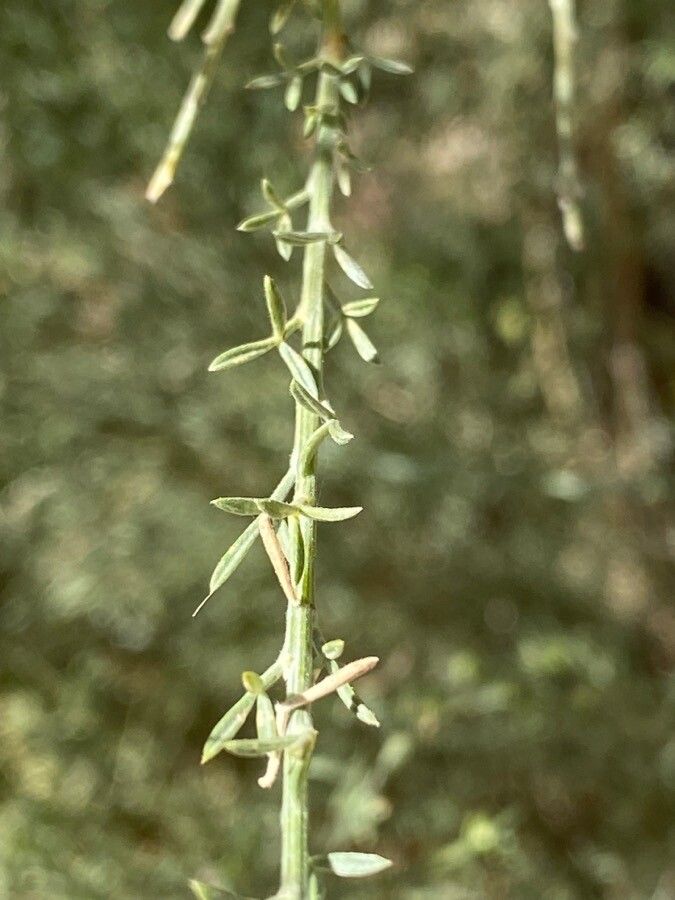
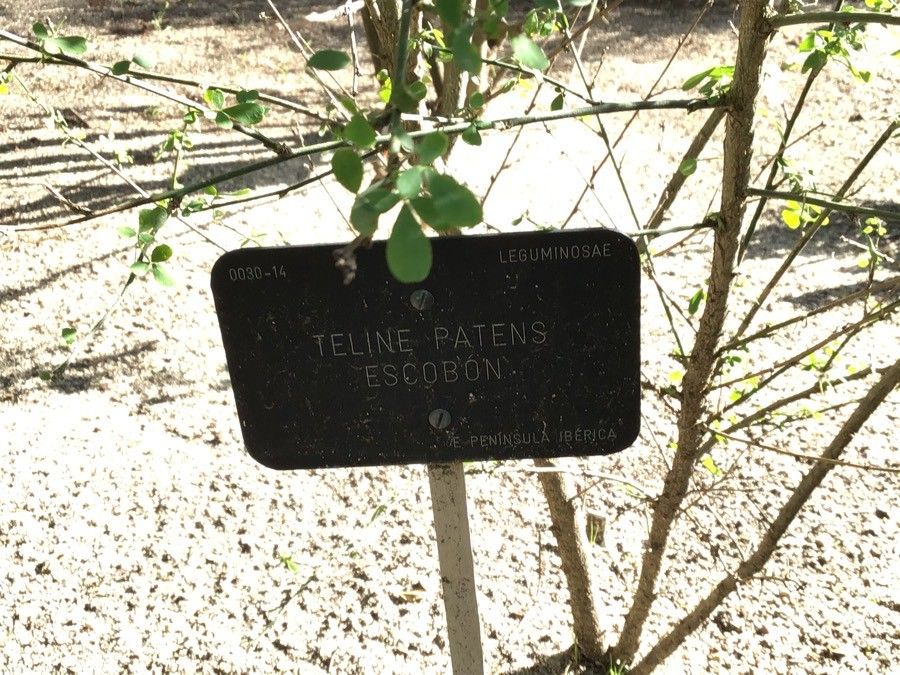
Teline linifolia, commonly known as the Flax-leaved Teline, is a small evergreen shrub that belongs to the Fabaceae family. Native to the Canary Islands, this plant thrives in rocky areas and dry slopes. It features a compact growth habit with slender stems that can reach up to 1 meter in height.
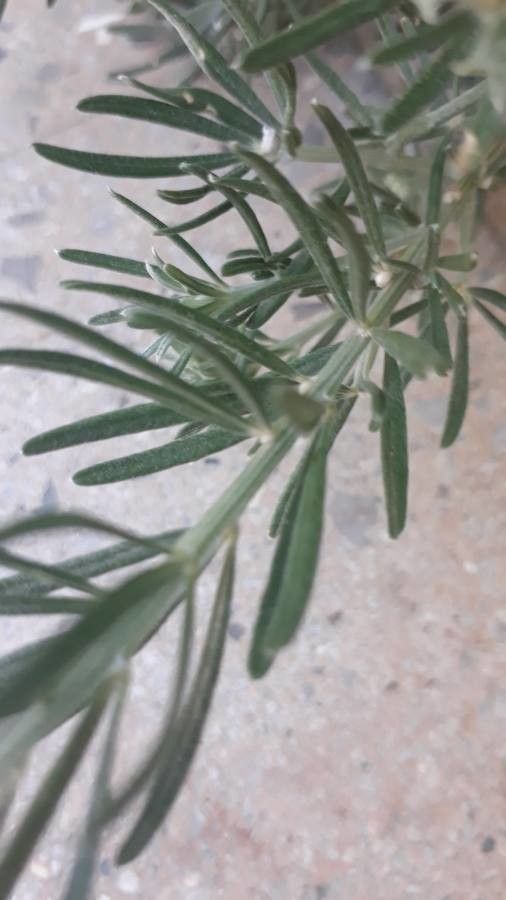
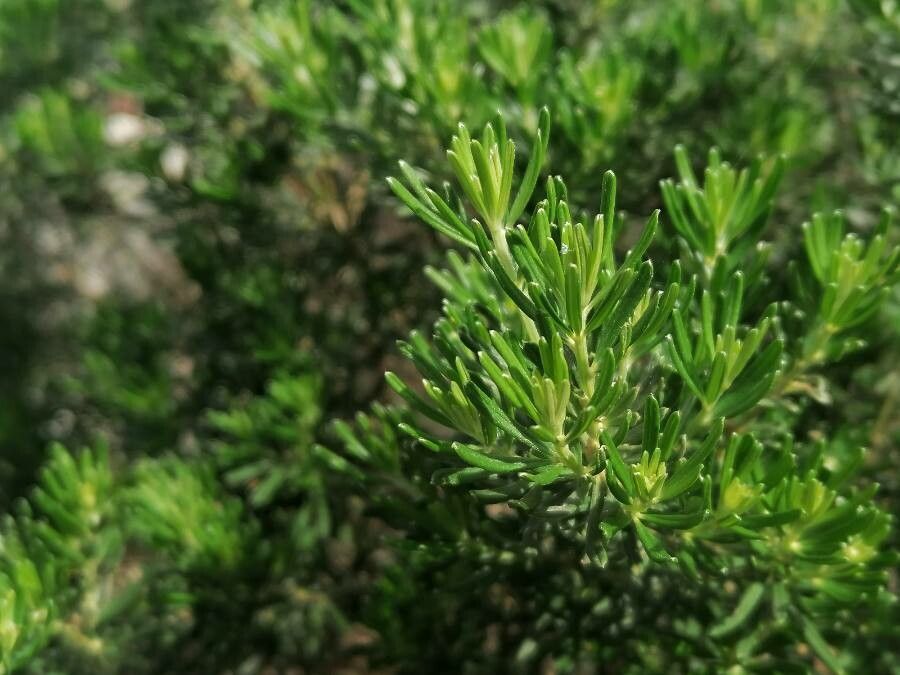
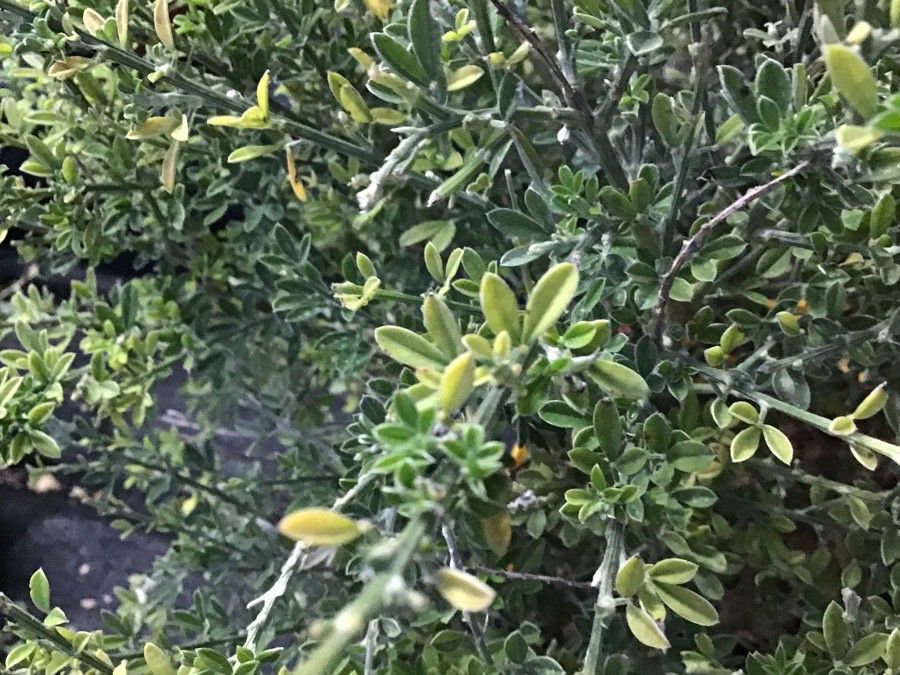
The leaves of Teline linifolia are linear or lanceolate, measuring up to 2 cm long and 2 mm wide. They are dark green with a glossy texture and do not have stipules.
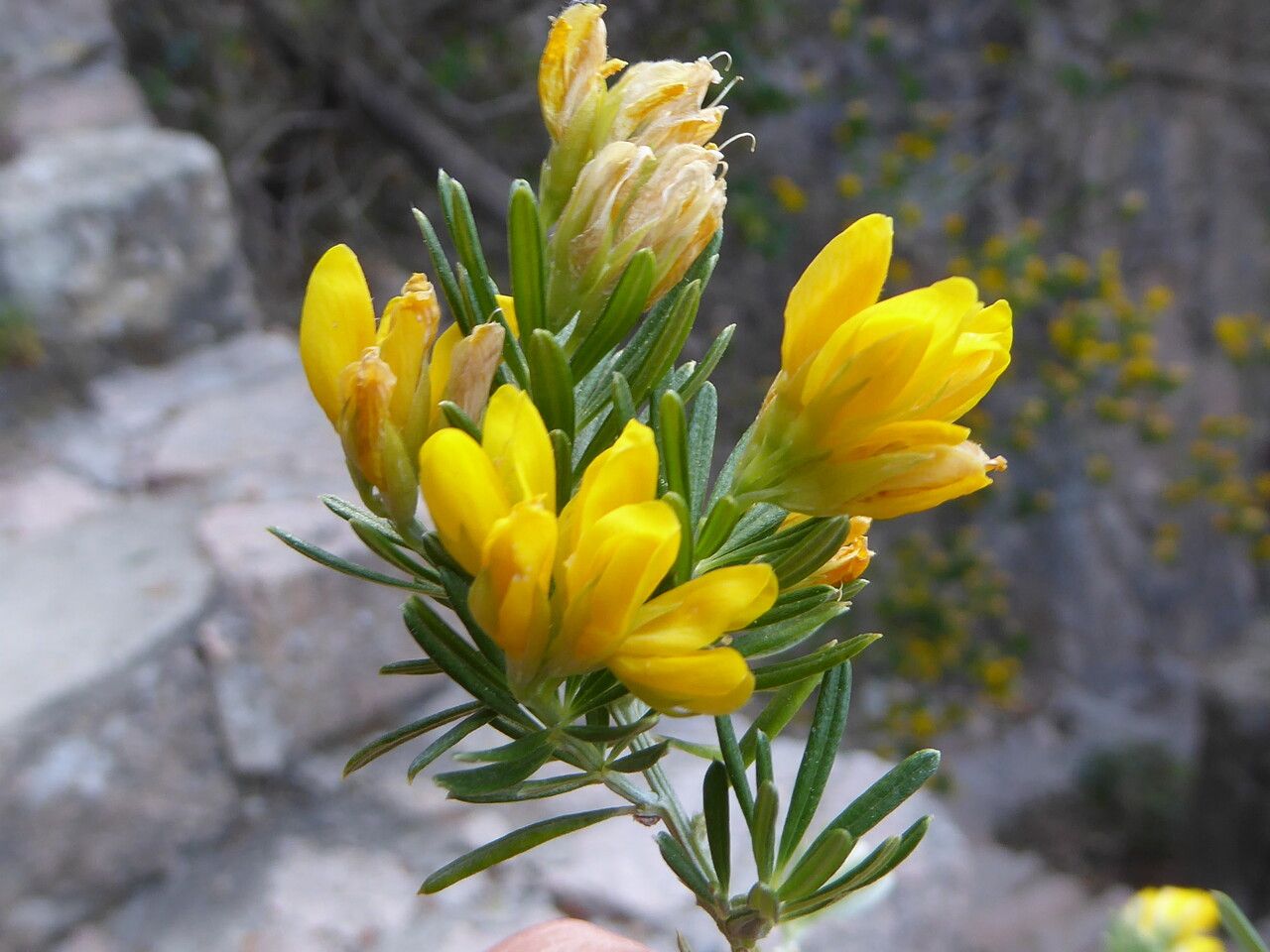
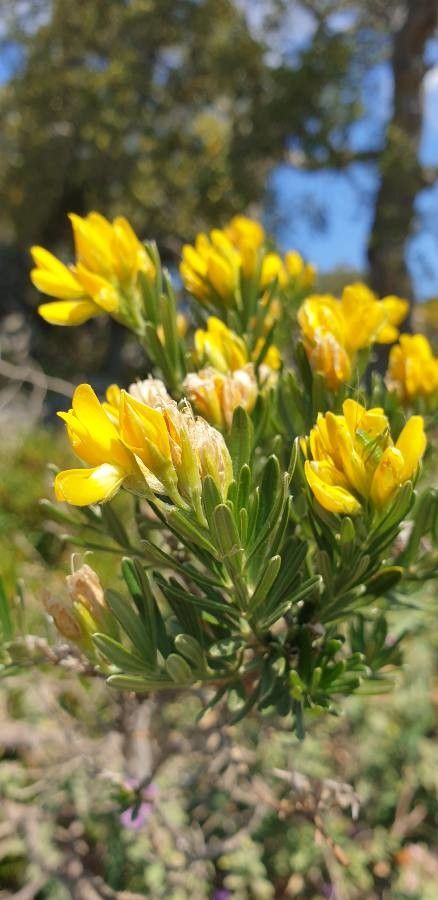
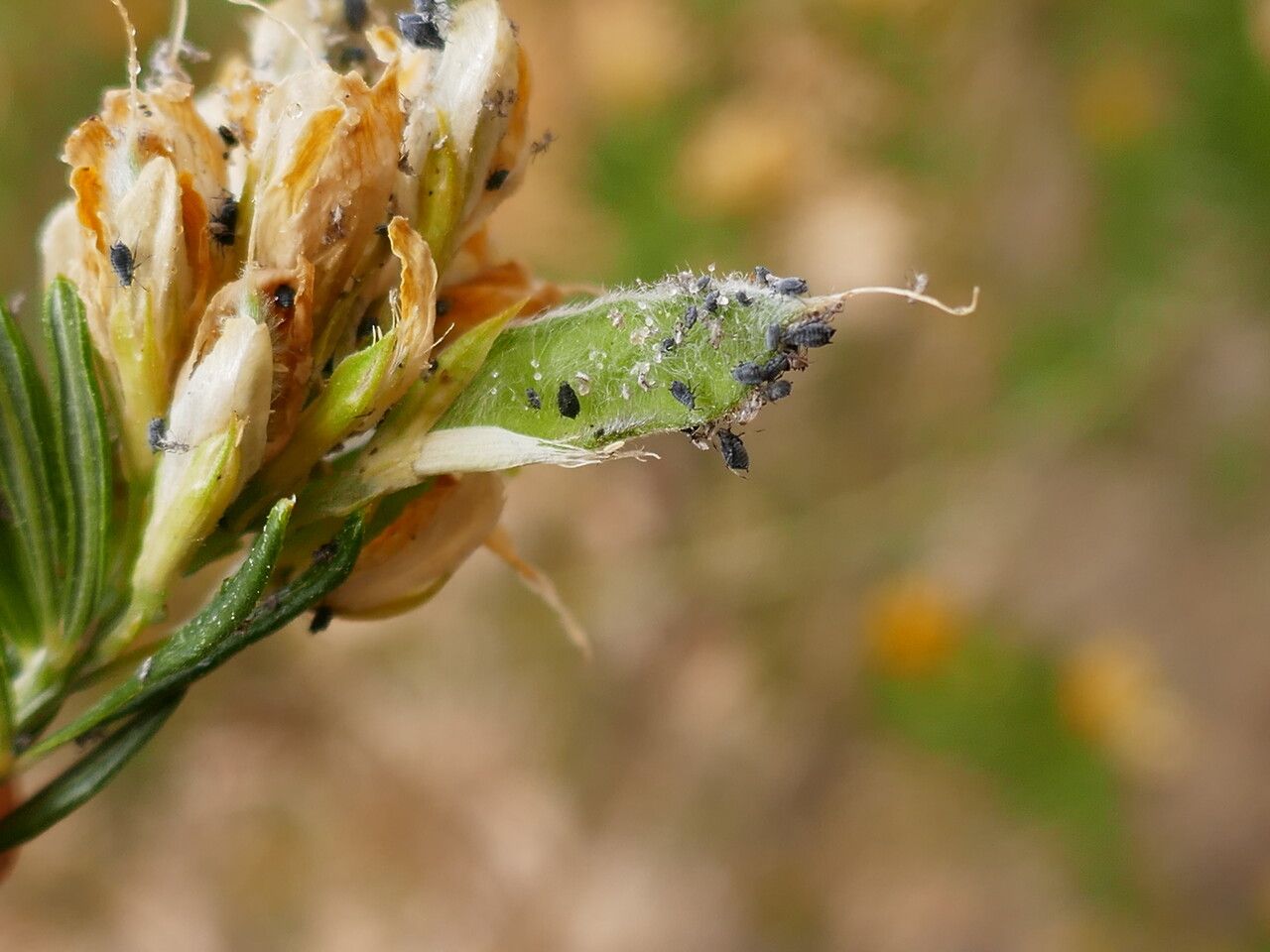
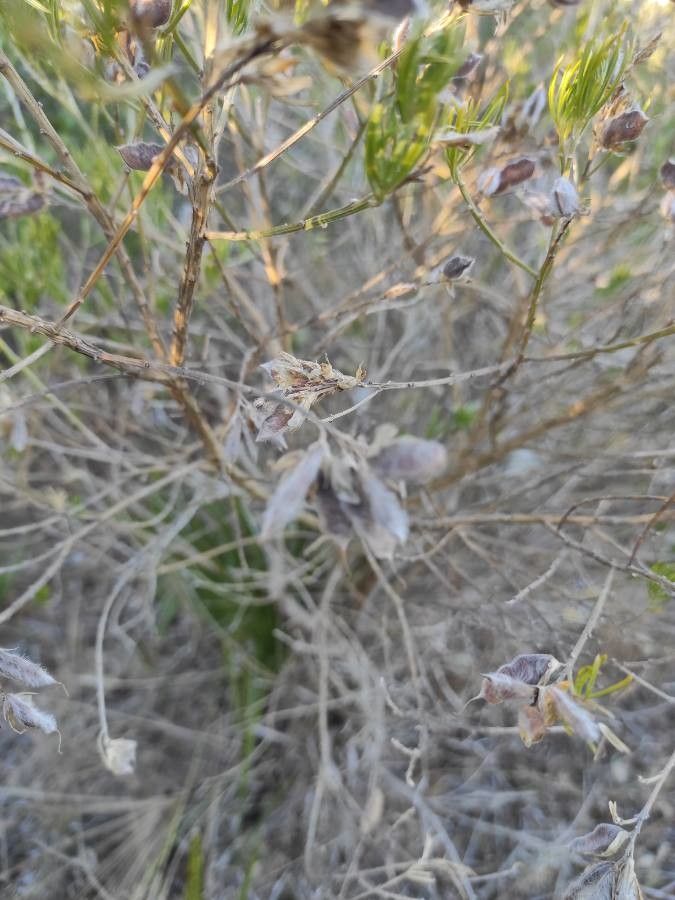
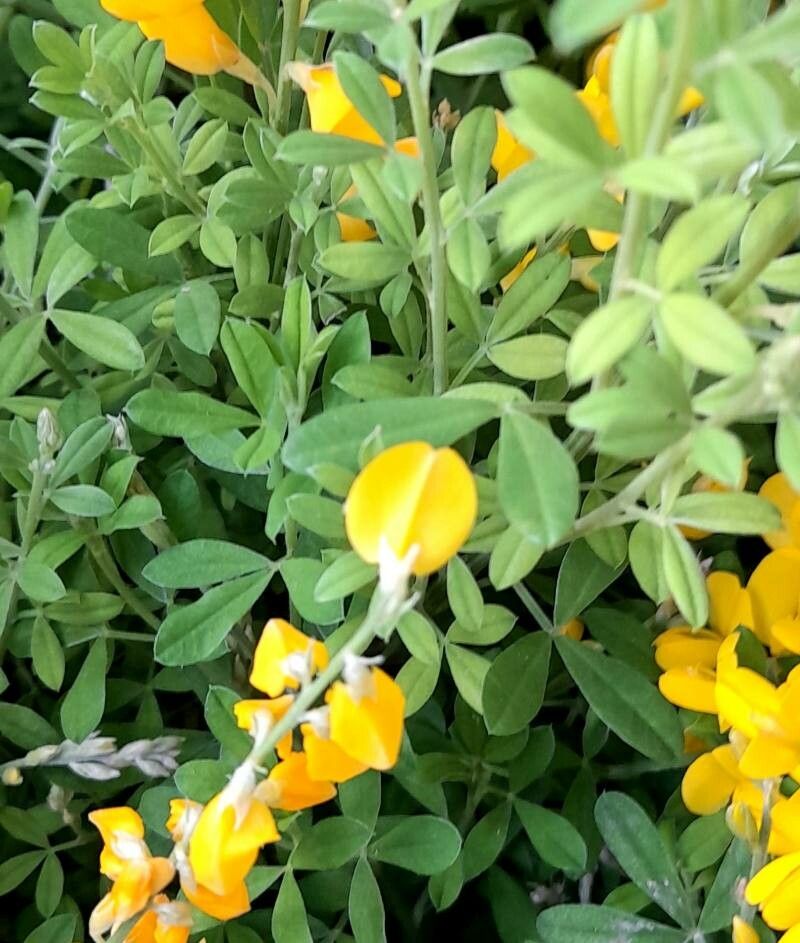
From March through June, the plant produces small, yellow or greenish-yellow flowers that grow on short racemes at the ends of branches. The fruit is a small pod containing one or two seeds.
This plant requires well-drained soil with moderate moisture levels for optimal growth. While it prefers full sun exposure, Teline linifolia can tolerate partial shade. Once established, it is drought-tolerant but may need occasional watering during prolonged dry spells.
In traditional medicine practices on the Canary Islands, Teline linifolia has been used for its diuretic properties and to treat respiratory ailments such as bronchitis and asthma.
Overall, Teline linifolia is an attractive evergreen shrub that adds interest to rock gardens or xeriscapes with its unique foliage texture and yellow flowers during the blooming season.
The needle-leaved broom shows strong resistance to disease and is usually not susceptible to illnesses. With respect to care, this plant is fairly low-maintenance. Planted outdoors, it needs little watering, and larger specimens typically do not require pruning. Smaller plants, however, should be pruned after they have finished blooming. Needle-leaved broomt is appropriate for anyone who has outdoor space, such as a garden or a deck, and it does not demand extensive care experience.
How to keep Teline Linifolia.
Light
For best growth, needle-leaved broom does well with ample light for most of the day, though it can tolerate a modest amount of light. In its native habitat it is commonly found where sunlight is plentiful. Too much or too little light can affect the plant’s overall health.
Temperature
Needle-leaved broom shows good adaptability to temperature, tolerating high heat and wide temperature fluctuations. When temperatures are high, attention should be paid to watering and appropriate shading to prevent sunburn. However, Needle-leaved broom is relatively intolerant of low temperatures; while it can withstand some cold, excessively low temperatures may cause frost damage.
Fertilizer
Timing is vital for fertilizing Needle-leaved broom. Apply fertilizer in early spring and repeat monthly until early summer. The fertilizer encourages lovely blooms and supplies energy during both dormant and active growth periods.
Botanical profile.
- Plant Type
- Shrub
- Life Cycle
- Perennial
- Genus
- Teline
- Family
- Fabaceae
- Hardiness Zone
- 8-11
- Mature Height
- 2.13 m
- Mature Spread
- 0.91 m to 1.52 m
- Leaf Color
- Dark Green
- Leaf Type
- Evergreen
- Flower Color
- Yellow
- Flower Size
- 1.02 cm to 1.52 cm
- Bloom Time
- Mid spring, Late spring
- Planting Time
- Summer
- Harvest Time
- Early summer, Mid summer
- Native Area
- Morocco, Spain, Algeria, France
Other names.