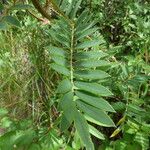
Tephrosia candida
White hoarypea · White tephrosia · White hoary-pea · Indigo Blanc
Description
Source: leafsnapTephrosia candida, the white hoarypea, is a perennial shrub, native to India, in the legume family. It has been introduced to Malesia, South America, Africa, South East Asia and Australia.
Care Guide
💧 Water
White tephrosia thrives in tropical environments that feature high humidity and periodic rainfall. It needs consistent moisture, so water it every 2-3 weeks while letting the soil partially dry out between waterings. This plant is well-suited for outdoor cultivation, and using mulch can help retain moisture during its active growth phases.
☀️ Light Full sun
White tephrosia is a tropical woody plant native to bright, sun-drenched environments; it thrives in full sun but can tolerate partial sun and is often found growing in open, well-lit areas with minimal shade.
What are the sunlight requirements for White Tephrosia?
White Tephrosia, known botanically as Tephrosia candida, requires full sun, which is above 6 hours of sunlight, to thrive optimally but can also tolerate partial sun, about 3-6 hours of sunlight. It is essential to monitor how sunlight shifts throughout your garden to find spots offering an ideal mix of light and shade, ensuring your plants' well-being. Native to bright, sun-drenched habitats, White Tephrosia grows well in open, minimally shaded areas.
How can artificial lighting benefit indoor White Tephrosia plants?
For White Tephrosia plants grown indoors, especially in conditions where natural sunlight is insufficient like during winter or in less sunny locations, artificial lighting can be crucial for optimal growth. Choosing the correct type of artificial light, such as LEDs which can provide specific light wavelengths needed by the plants, is vital. Full sun plants require 30-50W/sq ft of artificial light, while partial sun plants need 20-30W/sq ft. Positioning the light source 12-36 inches above the plant and ensuring it remains on for 8-12 hours per day mimics natural daylight conditions, promoting healthy growth.
What are the symptoms of light deficiency in White Tephrosia when grown indoors?
Indoor White Tephrosia may exhibit several symptoms due to insufficient lighting, including smaller new leaves compared to mature ones, leggy or sparse growth, faster leaf drop, slower or halted new growth, and leaves that might appear lighter or develop chlorosis—turning pale or yellow. Excessive sunlight, on the other hand, can cause symptoms like sunscald, leaf curling, wilting, leaf scorching, and a general reduction in plant health.
What solutions can alleviate light deficiency symptoms in White Tephrosia?
To remedy light deficiency in White Tephrosia, a gradual increase in sunlight exposure is recommended. For indoor plants, this can be achieved by moving them closer to a south-facing window or supplementing with artificial light, ensuring at least 6 hours of direct sunlight daily. Outdoor plants should be gradually transitioned to sunnier spots to avoid shock. Additionally, obstructive elements in the environment, such as trees or structures blocking sunlight, can be addressed by pruning or transplanting the plants to areas with better light exposure and drainage. Remember, while parts of the plant affected by insufficient light might not recover, new growth will flourish under improved conditions.
🌡️ Temperature 20–37.8°C
White tephrosia is generally found in habitats where the mean annual temperature ranges from 68 to 100°F (20 to 38 ℃). It favors temperate conditions and may need extra shade or watering to endure temperatures much hotter or colder than that range.
What is the native environment of White tephrosia?
White tephrosia is native to environments where the mean annual temperature is between 68 to 100°F (20 to 38°C). It prefers temperate conditions and flourishes in areas that can maintain these temperature ranges. White tephrosia is particularly heat-loving, making it sensitive to cold temperatures. To ensure its survival in conditions not naturally met, provisions such as added shade or watering may be needed, especially when temperatures exceed its comfortable range.
How should White tephrosia be cared for in winter?
During the colder months, it is advisable to bring White tephrosia indoors to protect it from the cold. A bright window serves as a good spot for the plant, ensuring it receives enough light without being directly exposed to heaters that could cause harm. Keeping the indoor temperature above 20°C is beneficial for its growth during winter, while temperatures nearing 5°C or below are known to be detrimental. This careful management helps maintain the plant's health through colder seasons.
What are the symptoms of low temperature exposure in White tephrosia, and how can they be mitigated?
White tephrosia struggles with low temperatures and definitely thrives when conditions remain above 20°C. Exposure to temperatures below 1°C may lead to leaves lightening in color, and after frost damage, there's a transition to brown or black hues accompanied by wilting or drooping. To mitigate these effects, it's recommended to trim off the frost-damaged parts and move the plant to a warmer indoor spot, preferably near a south-facing window for ample sunlight, while also ensuring the plant is not placed near any heaters or sources of dry air to avoid further stress.
What steps should be taken if White tephrosia experiences high temperature?
When summer temperatures climb, it's essential to ensure that White tephrosia's environment stays below 38°C to prevent heat stress. Exceeding 43°C can lighten the leaf colors and increase susceptibility to sunburn. In such cases, trimming away the sunburned and dried-up parts of the plant helps with recovery. Additionally, relocating the plant to a shadier spot during the more intense midday and afternoon sun, coupled with watering in the morning and evening, will aid in maintaining the soil's moisture and overall plant health.
💨 Humidity
🪴 Soil 6-7
🌱 Fertilizer
Fertilizing is essential for caring for White tephrosia. Regular feeding during the growing season helps maintain the energy needed for its showy leaves and supports overall growth. Failing to fertilize can lead to unhealthy leaves, reduced ornamental appeal, and stunted or weak growth that is more prone to breakage.
🪴 Pot & Repot
✂️ Pruning
White tephrosia is known for its tall stature and striking white flowers. To encourage healthy growth and more abundant blooms, prune any dead or diseased branches in early spring. Regular pruning not only enhances air circulation but also minimizes the risk of disease. Moreover, trimming any overly long stems helps promote denser foliage, contributing to the overall health of the plant.
🌿 Propagating
🐛 Diseases & pets
☠️ Toxicity
Characteristics
- Plant Type
- Shrub
- Life Cycle
- Perennial
- Genus
- Tephrosia
- Family
- Leguminosae
- Hardiness Zone
- 10-12
- Mature Height
- 0.91 m to 3.35 m
- Mature Spread
- 3.05 m
- Leaf Color
- Dark Green, Forest Green
- Leaf Type
- Deciduous
- Flower Color
- White
- Flower Size
- 15.24 cm to 20.32 cm
- Bloom Time
- Summer, Early fall, Mid fall
- Planting Time
- Spring, Autumn
- Harvest Time
- Late summer, Fall, Early winter
- Native Area
- Nepal, India, Malaysia, Indonesia, Cambodia, Vietnam, Myanmar, Bhutan, Bangladesh, Laos