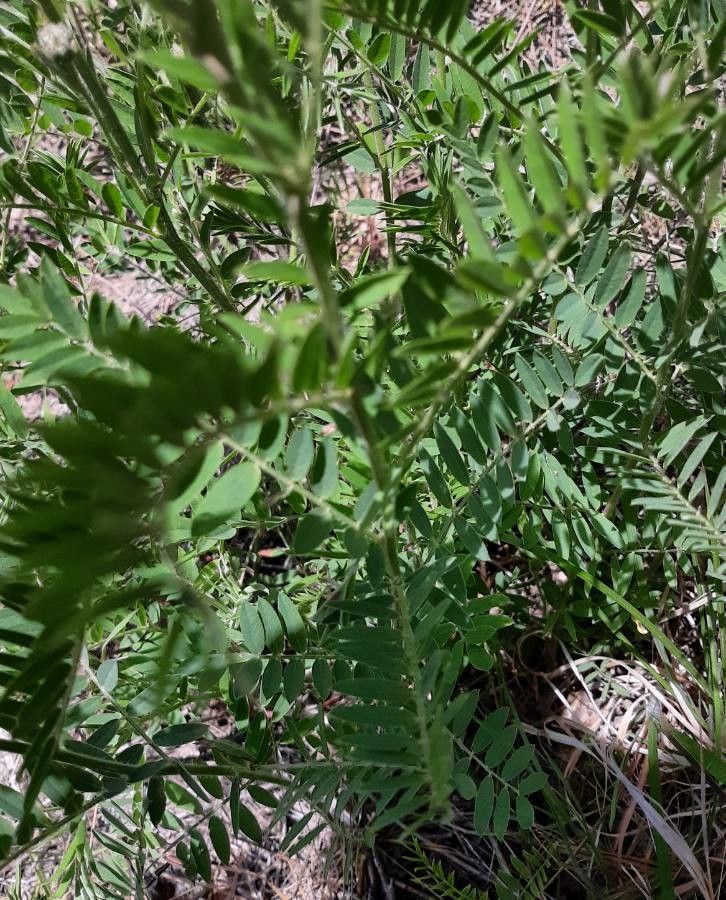
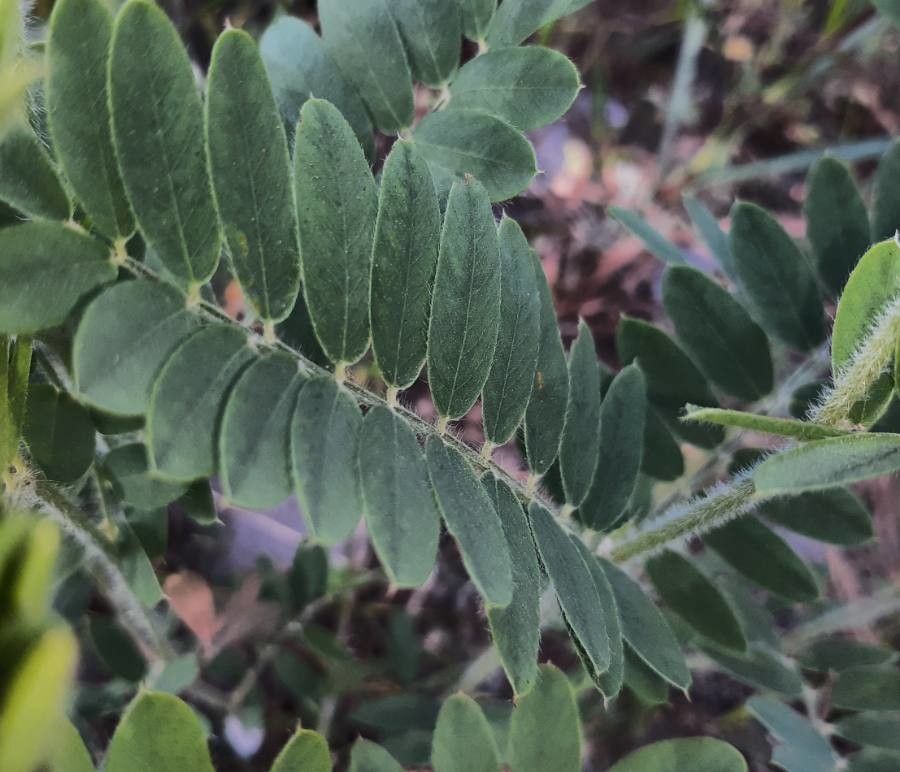
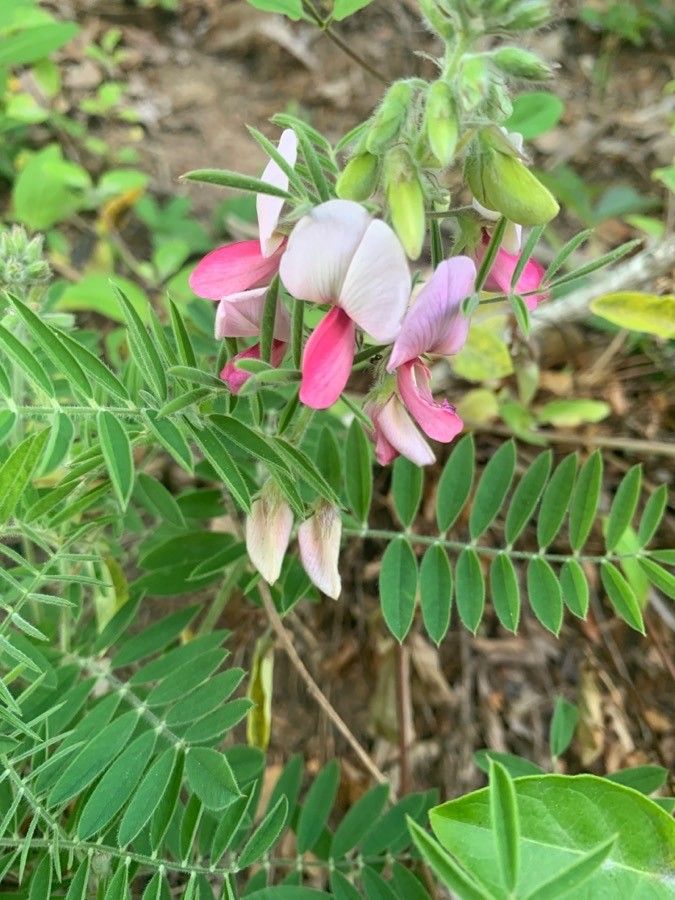
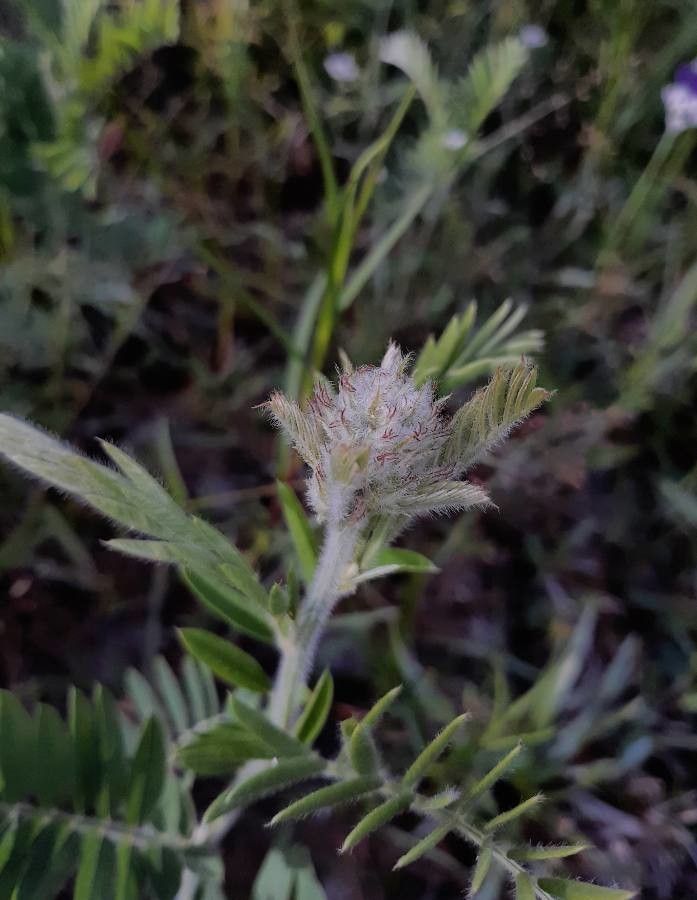
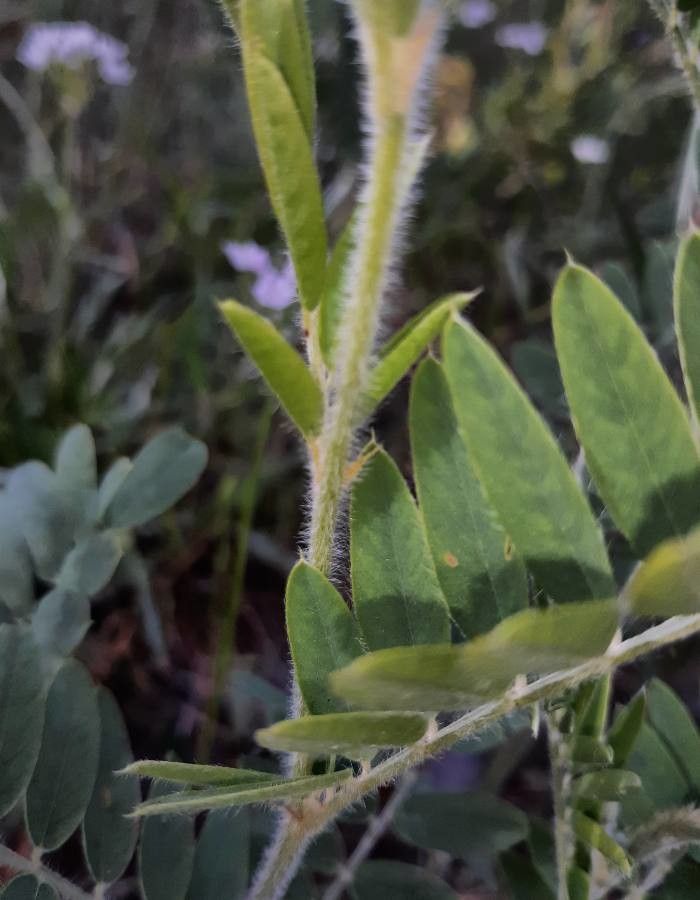
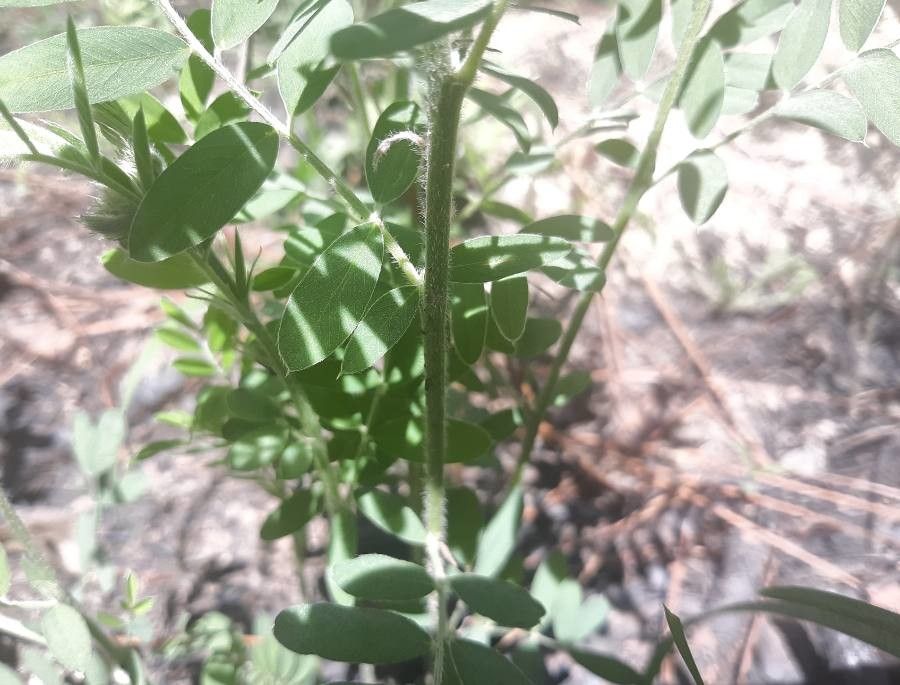
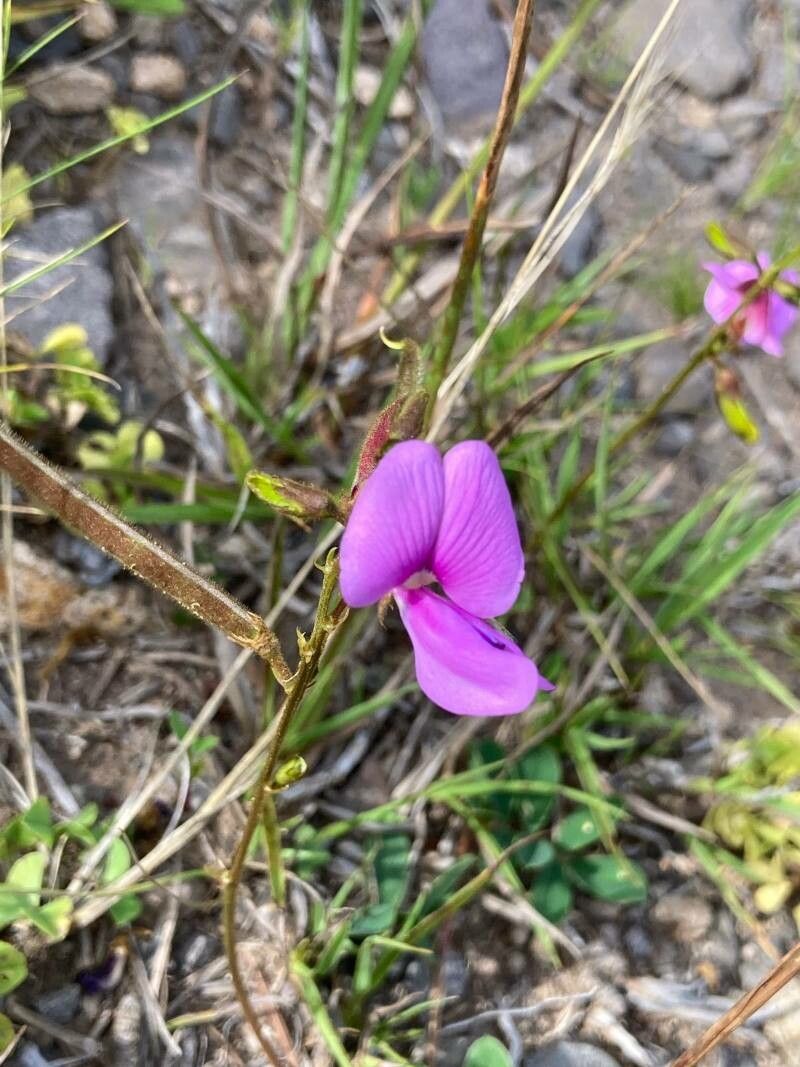
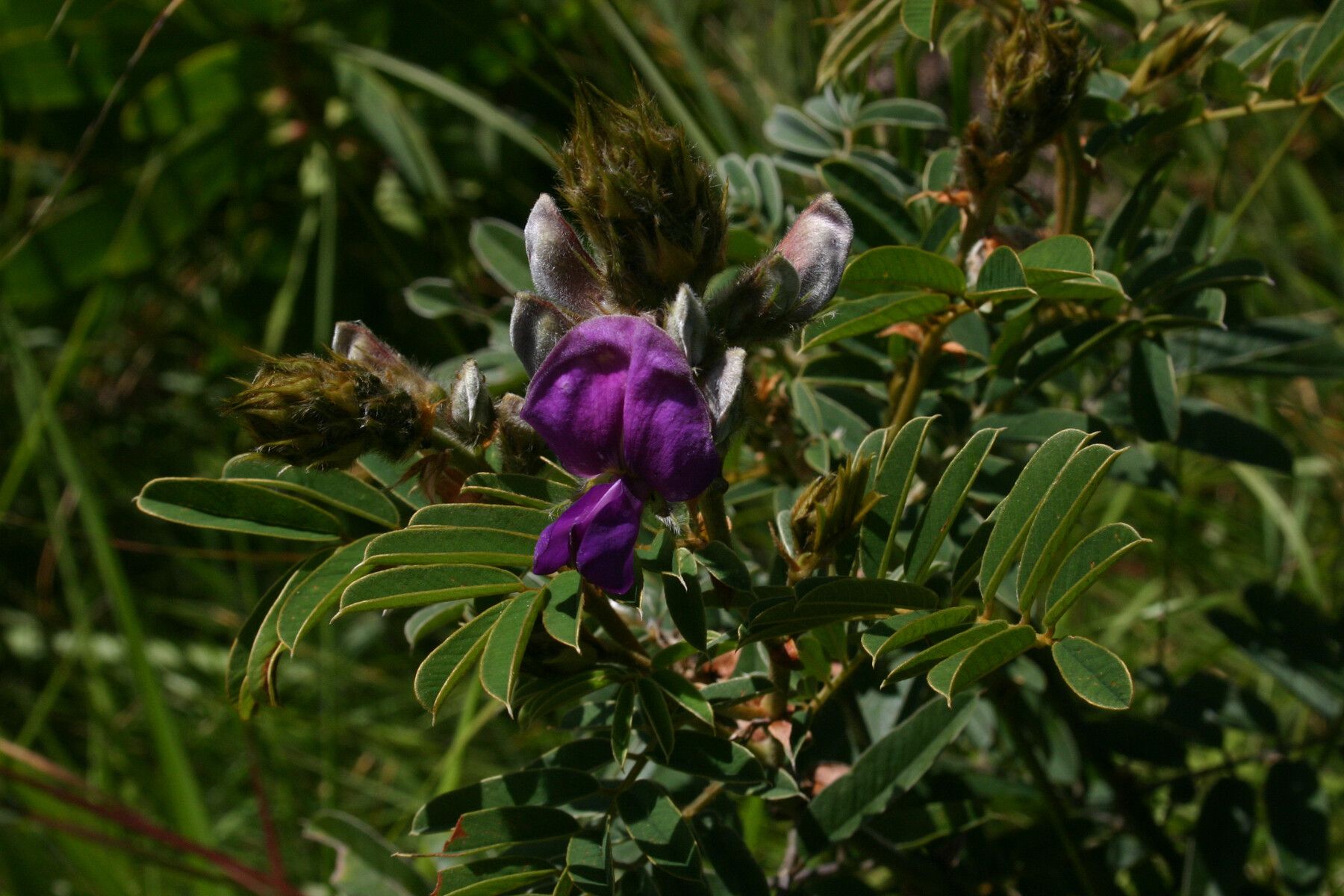
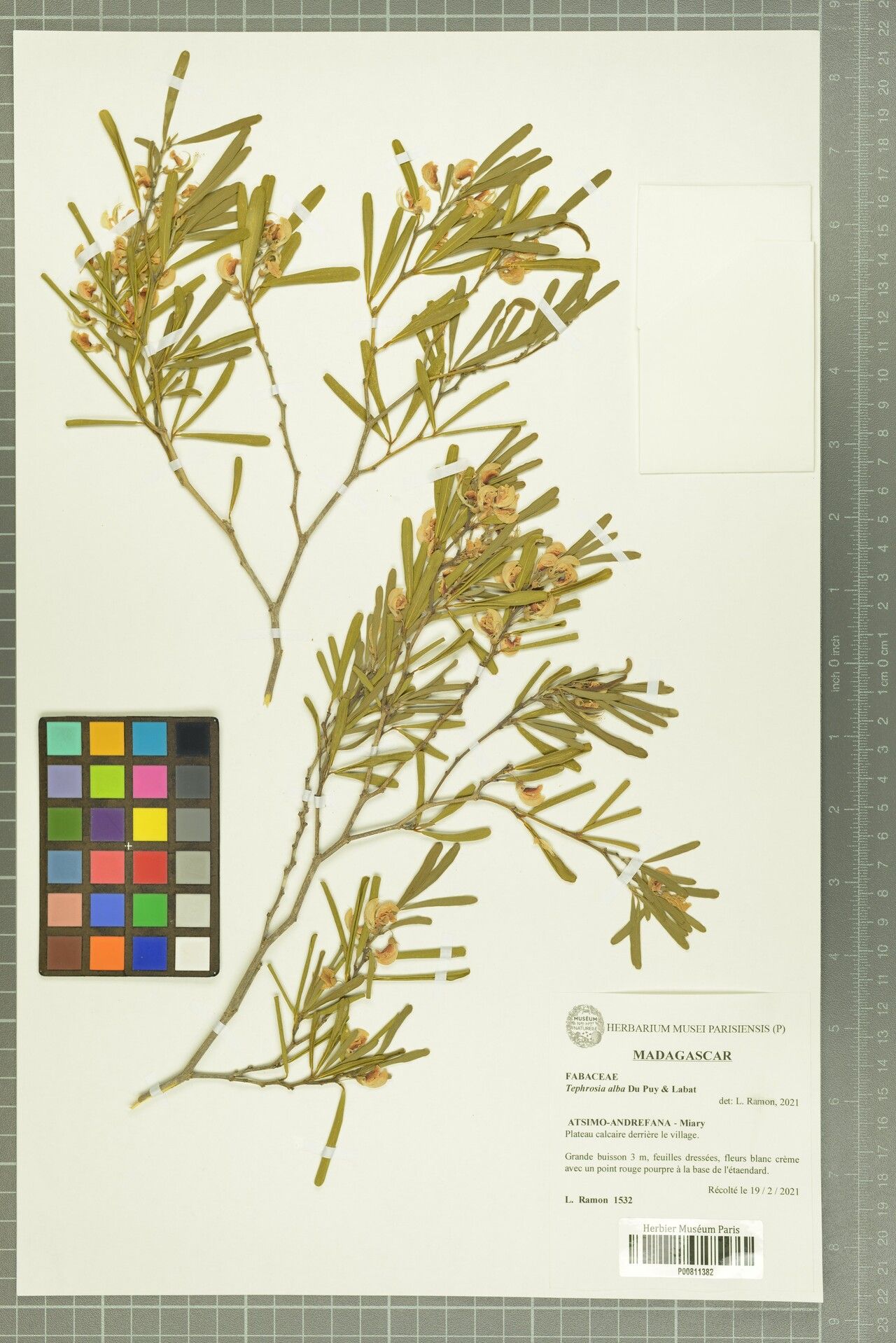
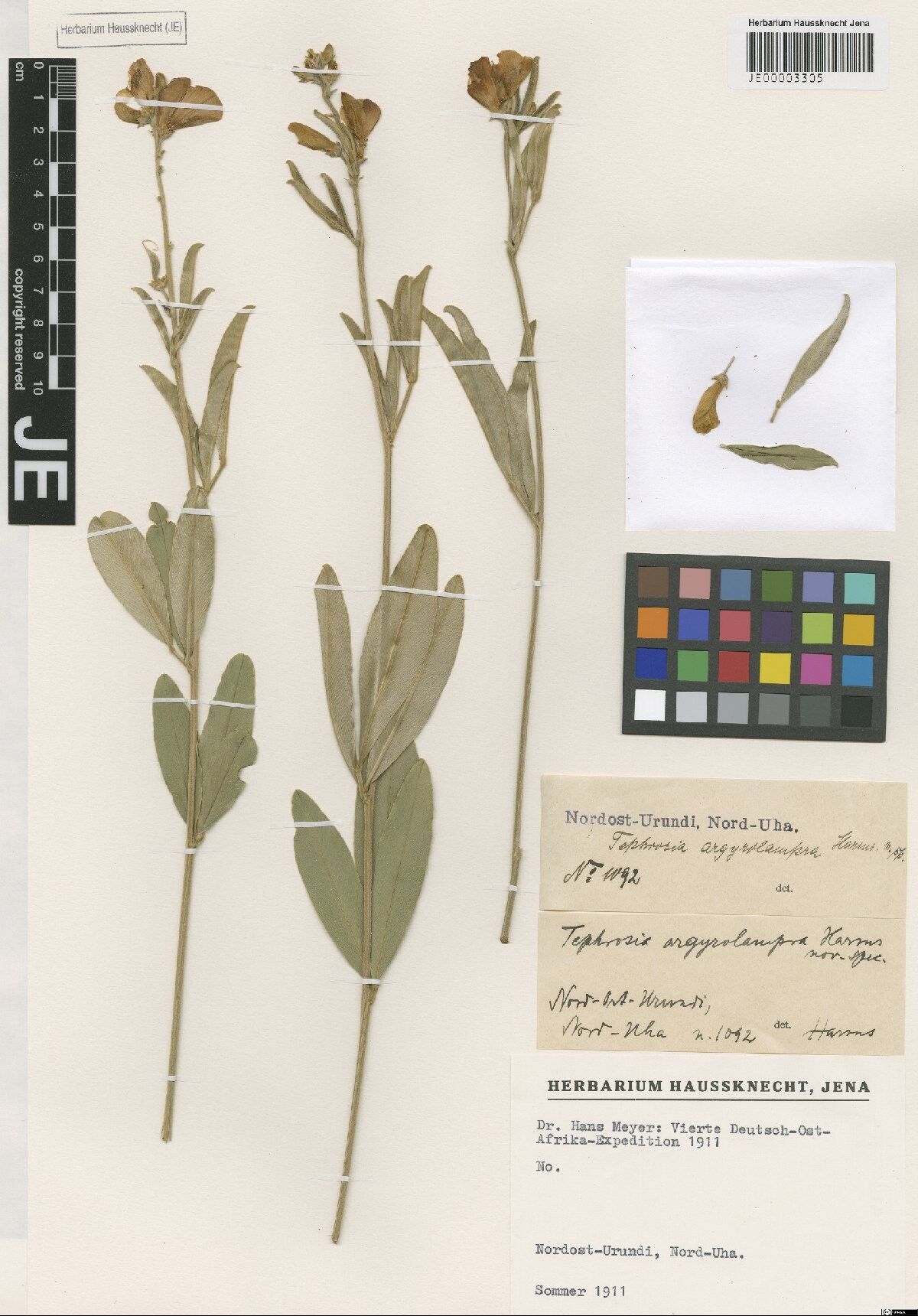
Tephrosia virginiana, also known as goat-rue, goat's rue, catgut, rabbit pea, and Virginia tephrosia, is a perennial dicot in family Fabaceae. This subshrub has alternate compound leaves. Its leaves are imparipinnate, with relatively wide pinnae. All parts of the plant are pubescent giving it a silvery, hoary appearance. The terminal, compact racemes of cream and deep pink flowers bloom May to August. This plant prefers acidic soils, in part to full sun. It grows throughout the Midwest, New England and southeastern United States. Not easy to propagate, this plant can be found in sand savannas, open woods and glades, prairies and rocky soils. All tissues of this plant are toxic (containing galegine), and should not be eaten by people or livestock. Crushed stems were previously used as a fish poison.
Goat's rue is fairly disease-resistant and generally not prone to illnesses. However, it can be affected by pests and diseases present in its environment. Such infections are usually mild. In terms of care, this plant needs moderate maintenance. Regular pruning is necessary to keep a neat appearance and encourage healthy growth. Fertilizing can also help encourage flowering. Goat's rue is suitable for anyone with outdoor space, such as a garden or patio, and does not require much care experience. It may need more attention when grown indoors.
How to keep Tephrosia Virginiana.
Light
Goat's rue needs plenty of sunlight to thrive, reflecting its native habitats that require abundant light. Extended periods of sun promote its growth. It can, however, tolerate lower light levels, although insufficient light may weaken its vigor.
Water
Goat's rue thrives in well-drained soils and semi-arid conditions, needing moderate moisture to flourish. Weekly watering helps maintain this balance, especially important during its growing season. This adaptable herbaceous perennial is usually grown outdoors and requires careful watering for optimal growth and vitality.
Temperature
Goat's rue is indigenous to regions where temperatures typically range from 41 to 90 °F (5 to 32 ℃). It favors moderate temperatures, and additional precautions should be taken during extreme weather to maintain its preferred temperature conditions.
Fertilizer
The best time to fertilize a Goat's rue is in early spring, as it is coming out of dormancy and beginning active growth. Fertilizing supplies essential nutrients for healthy development. Although Goat's rue has comparatively low fertilizer requirements, applying fertilizer annually can improve its survival and encourage better, longer-lasting flowers.
Pruning
For optimal growth and appearance, prune goat's rue from early to late spring. This encourages blooming and helps maintain the plant's shape. Be sure to remove spent flowers and weak branches to improve air circulation. Avoid pruning late in the season to prevent frost damage, ensuring the plant remains healthy and attractive.
Botanical profile.
- Plant Type
- Herb
- Life Cycle
- Perennial
- Genus
- Tephrosia
- Family
- Fabaceae
- Hardiness Zone
- 4-8
- Mature Height
- 30 cm to 61 cm
- Mature Spread
- 30 cm to 46 cm
- Leaf Color
- Green, Gray, Silver
- Leaf Type
- Deciduous
- Flower Color
- Pink
- Flower Size
- 2.54 cm
- Bloom Time
- Late spring, Early summer
- Planting Time
- Spring, Summer
- Harvest Time
- Mid summer, Late summer
Other names.
Reader questions.
How should I water my Goat's rue plant?
To properly water Goat's rue, it is recommended to use filtered water at room temperature. Tap water may contain harmful particles, so using filtered water is preferable. Goat's rue prefers warm environments, so it is best to avoid using cold water as it can be a shock to the plant. Additionally, overhead watering should be avoided to prevent foliage issues. Instead, water the plant by directly applying filtered room temperature water to the soil until it is fully soaked. This method helps to moisten the roots and allows them to spread and collect necessary nutrients.
What are the sunlight requirements for Goat's Rue?
Goat's Rue (Tephrosia virginiana) flourishes in full sun, benefiting from more than 6 hours of sunlight daily to enhance its growth, akin to its natural habitat that thrives under generous illumination. While it can survive in partial sun, receiving about 3-6 hours of sunlight, less sunlight may unfavorably impact its vitality. It's essential to observe the movement of sunlight in your garden to identify spots that offer an optimal mix of light and shade, ensuring the plants' well-being.
What is the native temperature range for Goat's rue?
Goat's rue, botanically known as Tephrosia virginiana, is native to regions where the temperature typically ranges from 41 to 90°F (5 to 32°C). It thrives best in moderate temperatures. During extreme weather conditions, careful measures should be taken to maintain these ideal temperature conditions to ensure the plant's health.
What should I do if I give my Goat's rue too much or too little water?
Goat's rue can suffer from both overwatering and underwatering, but overwatering is more common. If your Goat's rue gets too much water, its stems and leaves may wilt and turn yellow. Overwatering for a long time can also cause diseases like root rot, mold, and mildew, which can be fatal to the plant. Underwatering is less likely but still possible, and it will make the leaves brittle and brown. It's important to recognize the signs of overwatering early because some diseases, like root rot, can't be fixed if you wait too long. If you notice signs of overwatering, reduce your watering immediately. Check the soil's drainage and replace it with well-draining potting mix if it drains poorly. If your Goat's rue shows signs of needing more water, increase your watering until the signs go away.
How can artificial lighting assist in growing Goat's Rue indoors?
For indoor cultivation of Goat's Rue, when natural sunlight is scarce, especially during winter or in less sunny areas, artificial lighting becomes crucial for fostering optimal growth. LED lights are a preferred choice for indoor plant lighting, capable of providing specific light wavelengths needed by plants. Full sun plants require 30-50W/sq ft, partial sun plants 20-30W/sq ft, and full shade plants 10-20W/sq ft of artificial light. The light source should be placed 12-36 inches above the plant, simulating natural sunlight for 8-12 hours per day to support healthy growth.
Does Goat's rue need special frost protection measures during winter?
Goat's rue has a strong resistance to cold and usually does not require special frost protection measures during winter. However, if temperatures are expected to drop below -30°C, it is important to provide cold protection. This can be achieved by covering the plant with insulating materials such as soil or straw. Additionally, watering the plant abundantly before the first freeze in autumn is recommended to keep the soil moist and protect the plant from drought and water scarcity during winter and early spring.
How frequently should I give water to my Goat's rue?
If your Goat's rue plant is in a pot, the best way to determine if it needs water is to stick your finger in the soil. If the top two to three inches are dry, then it's time to water it. If you're growing your Goat's rue outdoors in the ground, you can use a similar method to check the soil. Once the top few inches have dried out, it's time to water. Usually, during the spring and early fall, you'll water the plant about once a week using this method. However, in extremely hot weather, you may need to water it two or more times per week. It's worth noting that mature and well-established Goat's rue plants are often able to withstand drought conditions.
What are common symptoms of inadequate lighting in Goat's Rue?
Inadequate lighting can cause several symptoms in Goat's Rue, indicating a need for better light conditions. Small and pale leaves, leggy or sparse growth, accelerated leaf drop, stunted growth, and chlorosis highlight light deficiency. Additionally, excessive sunlight can lead to symptoms like sunscald, leaf curling, wilting, and leaf scorching, which damage plant health. These symptoms underline the importance of providing your Goat's Rue with the right amount of natural or artificial light.
How does low temperature affect Goat's rue?
Goat's rue is cold-tolerant and thrives best when temperatures are above 5°C. During winter, keeping it above -25°C is advisable. If temperatures fall below -30°C, there may not be noticeable changes during winter; however, there could be a decrease in sprouting or in some cases, no sprouting during the springtime. To address this, remove any parts that have failed to sprout in the spring.
How much water does my Goat's rue plant need?
To properly water your Goat's rue, be generous with the amount of water you provide. Make sure the top couple of inches of soil are dry before watering, then give the plant a thorough soaking. Water should be added until it completely saturates the soil and excess water flows out of the drainage holes at the bottom of the pot. If no excess water is seen, you may not have given enough water. However, be cautious not to let water accumulate inside the soil, as this can harm the plant. Similarly, if water doesn't drain well from the pot, it may indicate poor soil drainage, which is not good for the plant's health. If the plant is outdoors, receiving 1 inch of rain per week should be enough.
What solutions are available for dealing with insufficient lighting for Goat's Rue?
To mitigate insufficient lighting for Goat's Rue, gradually increase light exposure to achieve at least 6 hours of direct sunlight daily, particularly through south-facing windows for indoor plants, while using curtains to maximize sunlight. Artificial lighting, such as desk lamps or grow lights for 8 hours daily, can supplement light intake. Outdoors, adjust plant placement to a sunnier location incrementally to prevent sunburn. Reducing obstructions like pruning trees or relocating plants can also enhance sunlight access. Note that while damaged parts may not recover, new growth will be healthy with improved light conditions.
How does high temperature affect Goat's rue?
During the summer, it's important to keep Goat's rue below 32°C. Temperatures exceeding 35°C can cause the plant's leaves to lighten in color, become prone to curling, susceptible to sunburn, and in severe cases, the entire plant may wilt and dry out. To mitigate this, trim away the sunburned and dried parts of the plant. Moving the plant to a shaded location or using a shade cloth can protect it from the midday and afternoon sun. Also, watering the plant in the morning and evening will help keep the soil moist and protect the plant from heat stress.