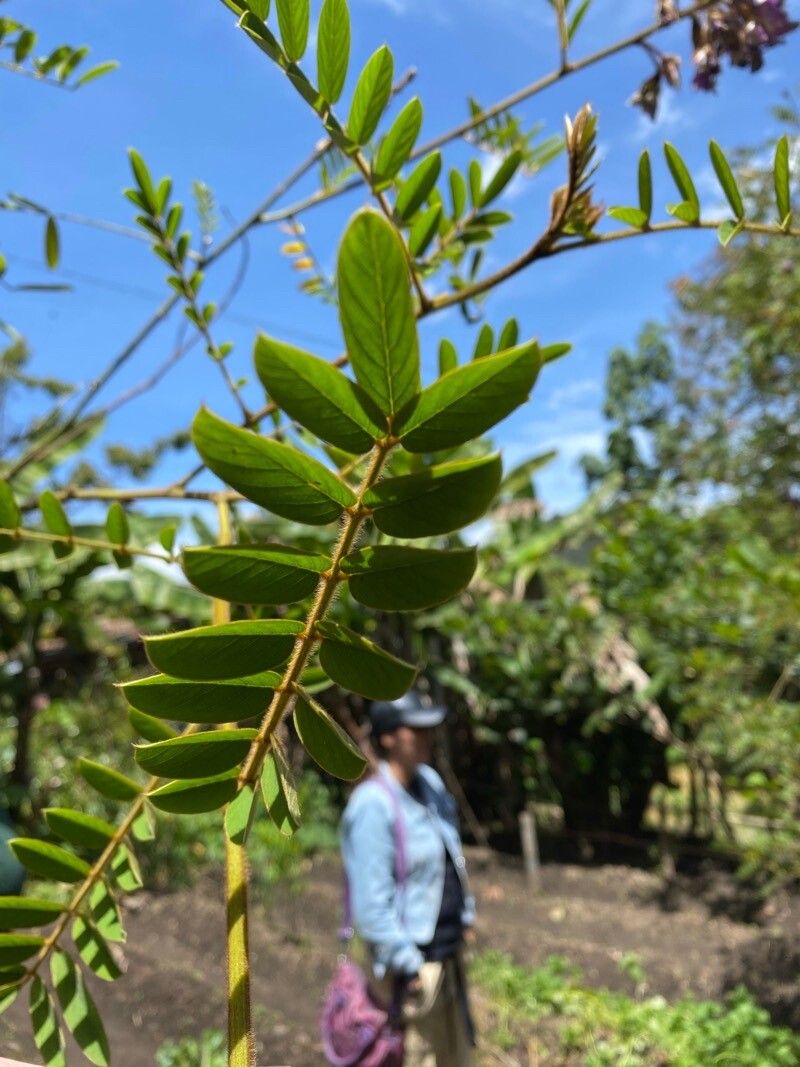
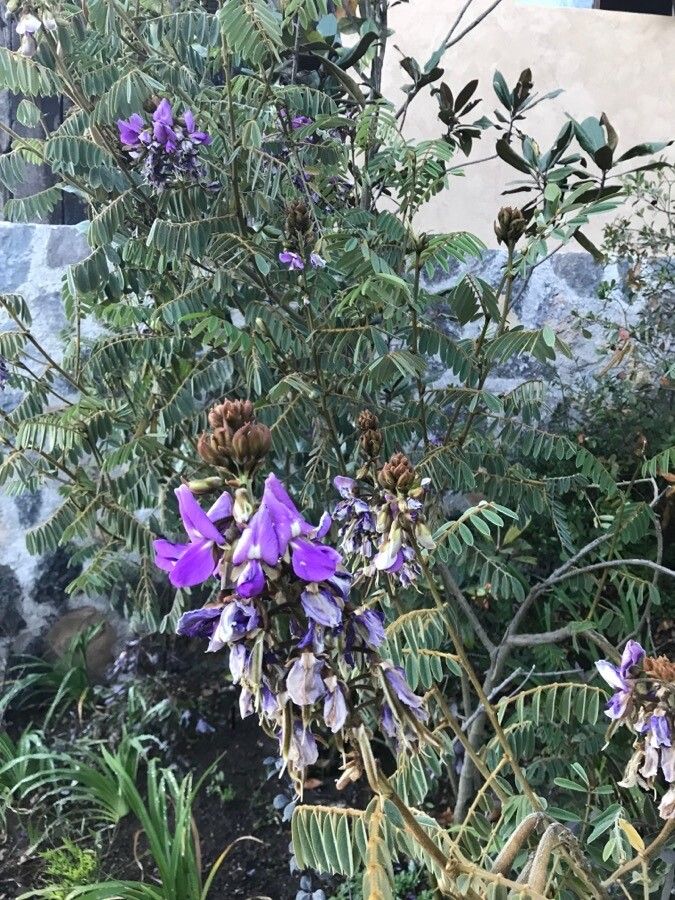
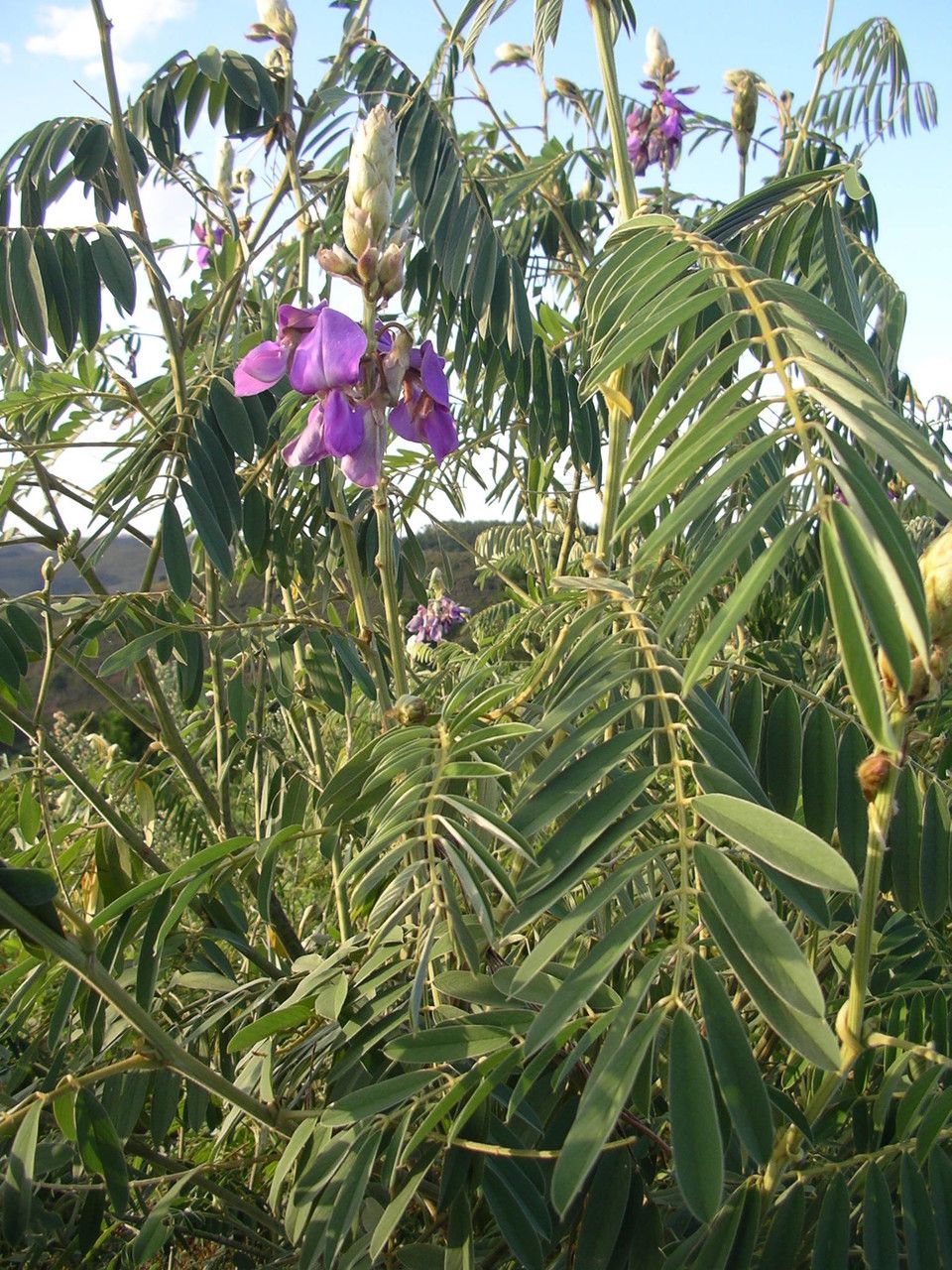
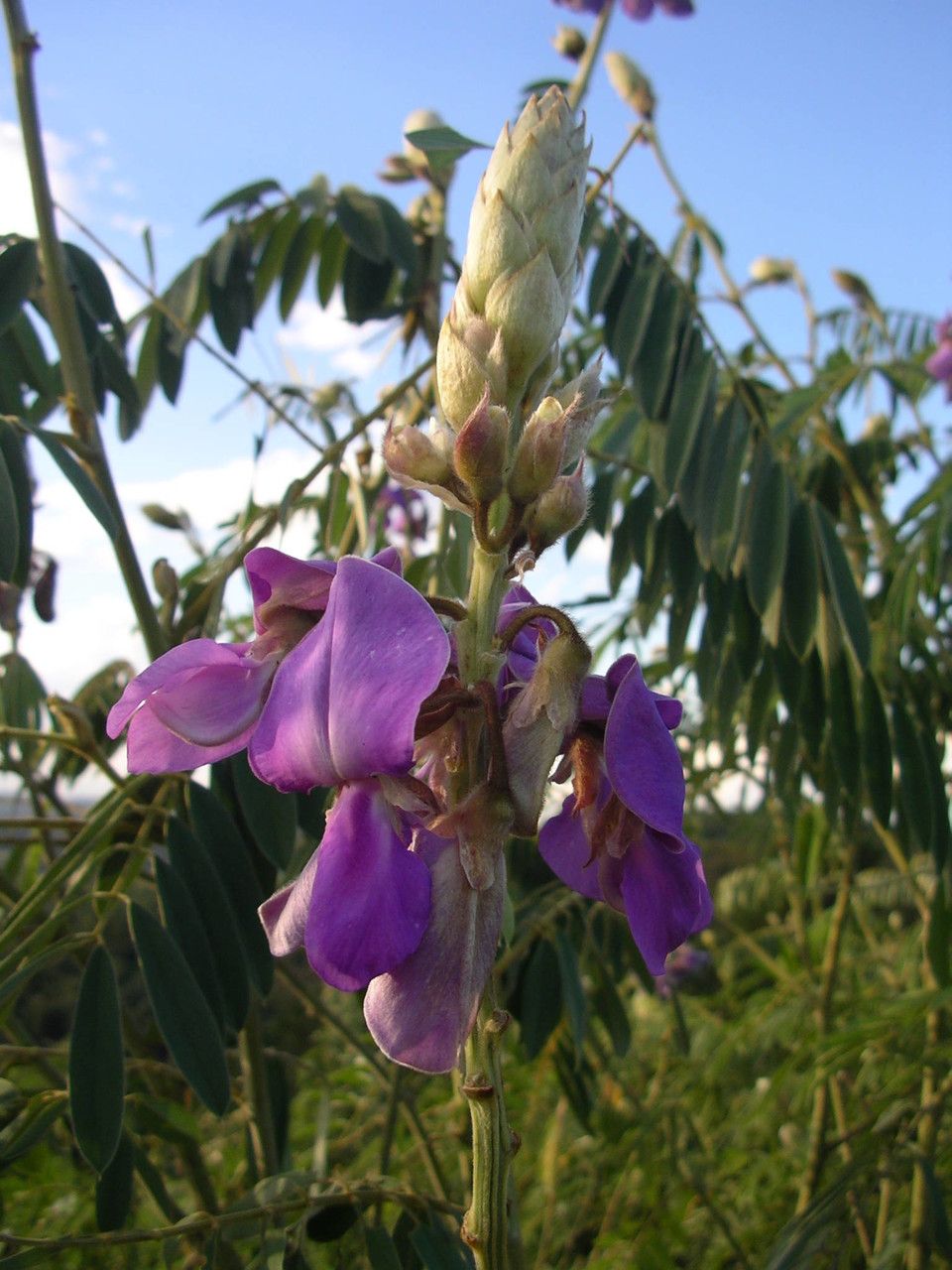
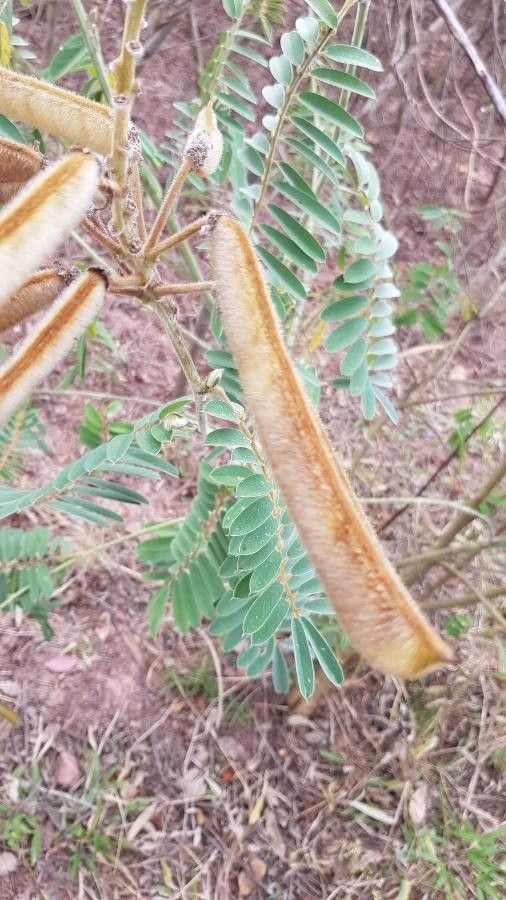
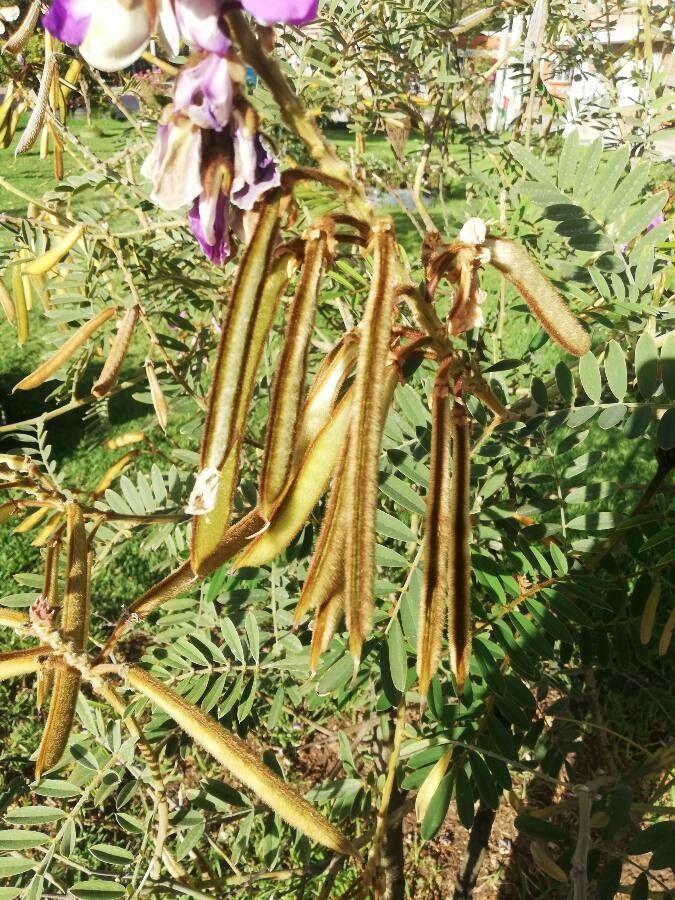
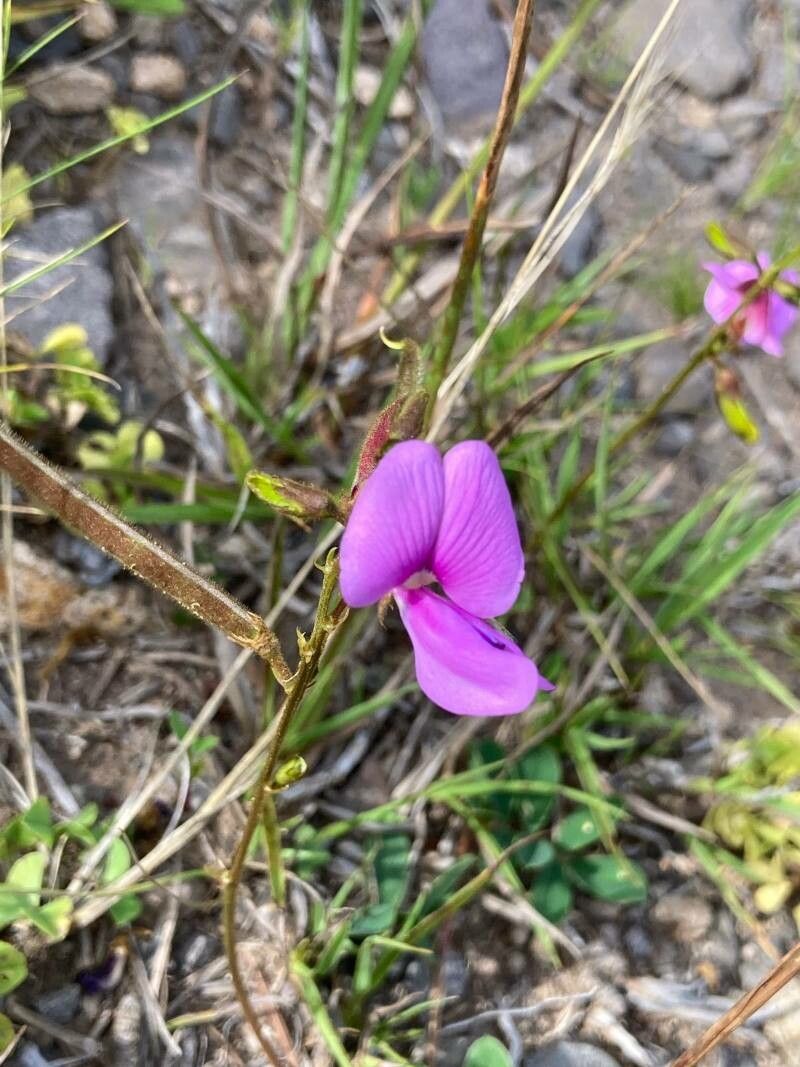
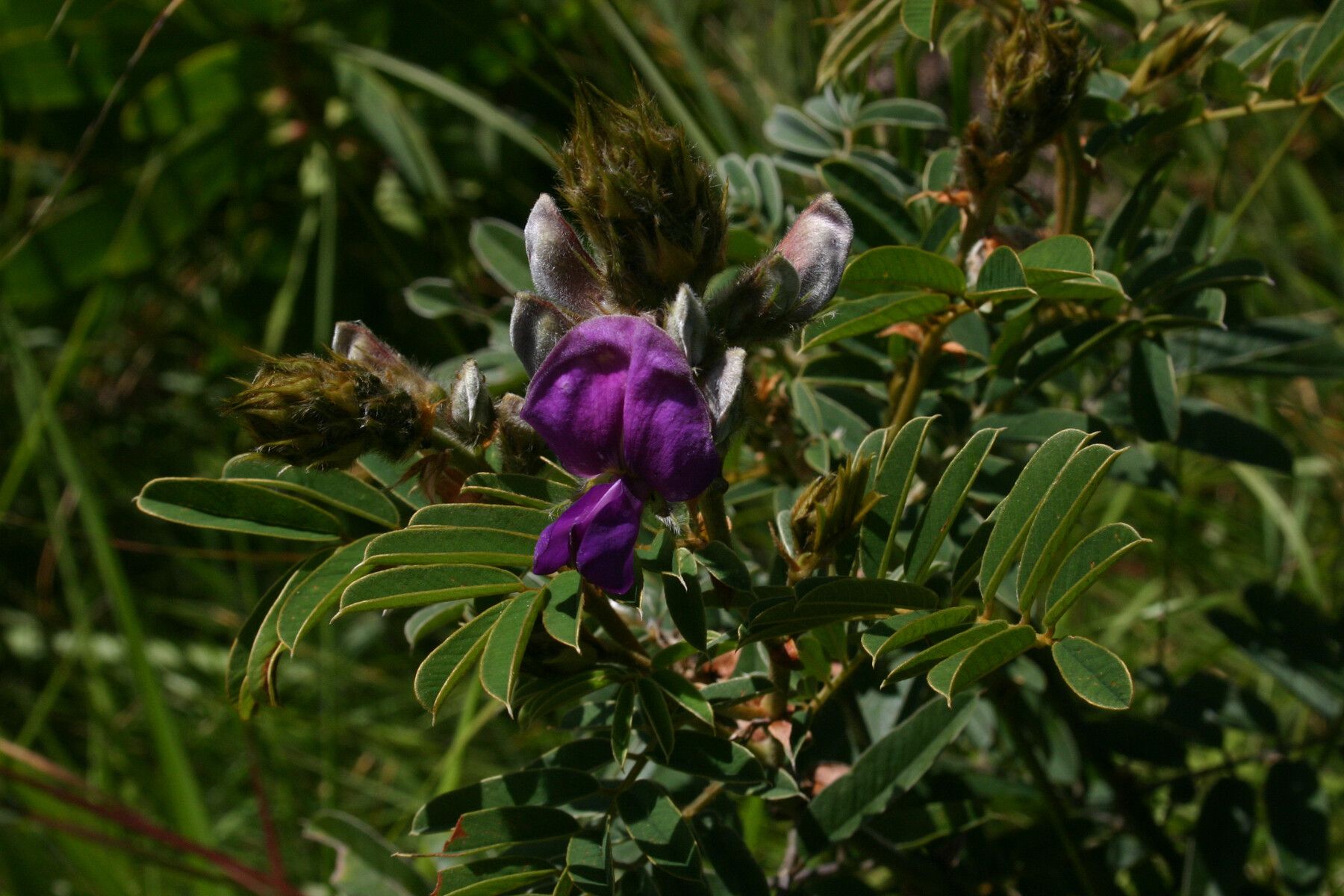
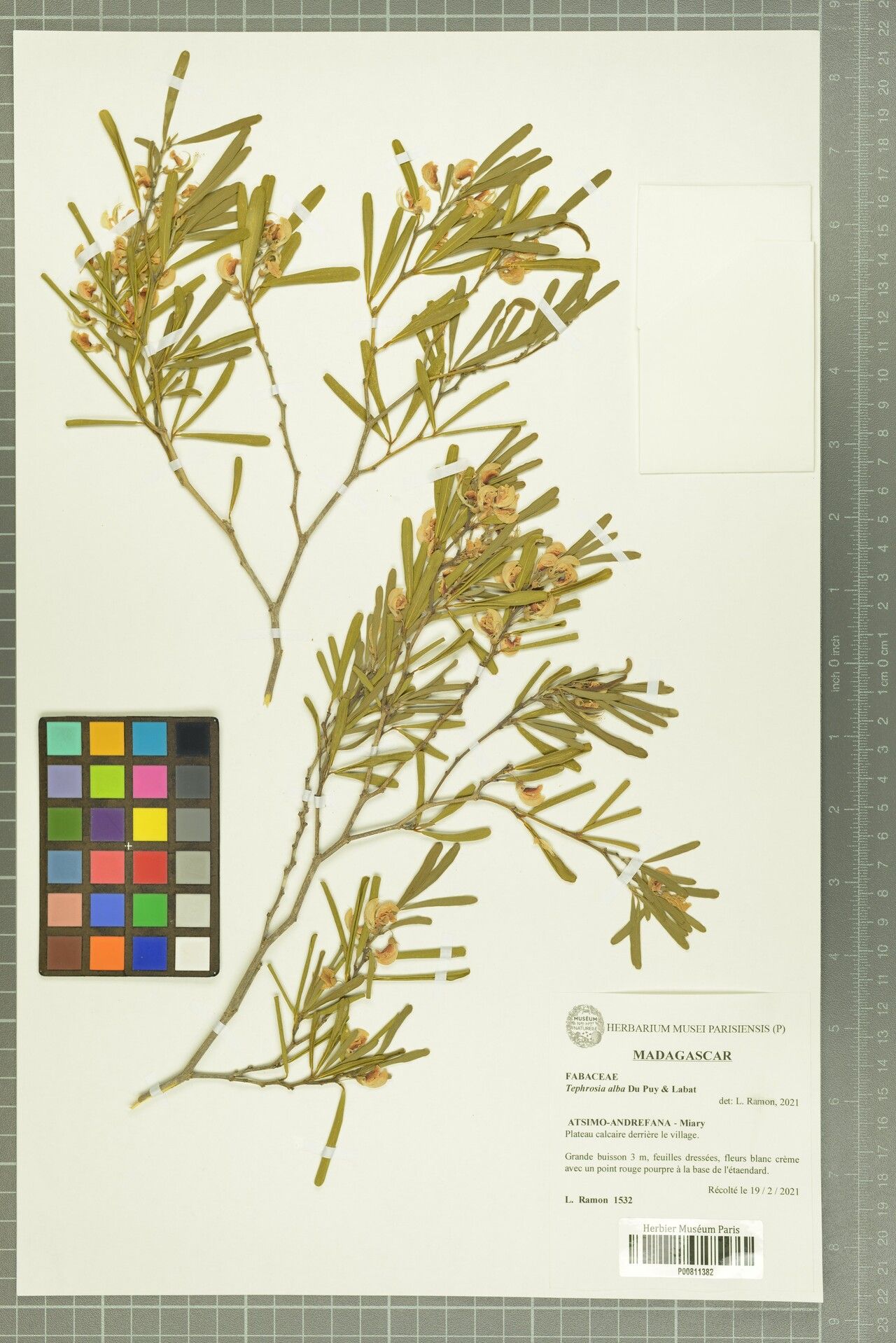
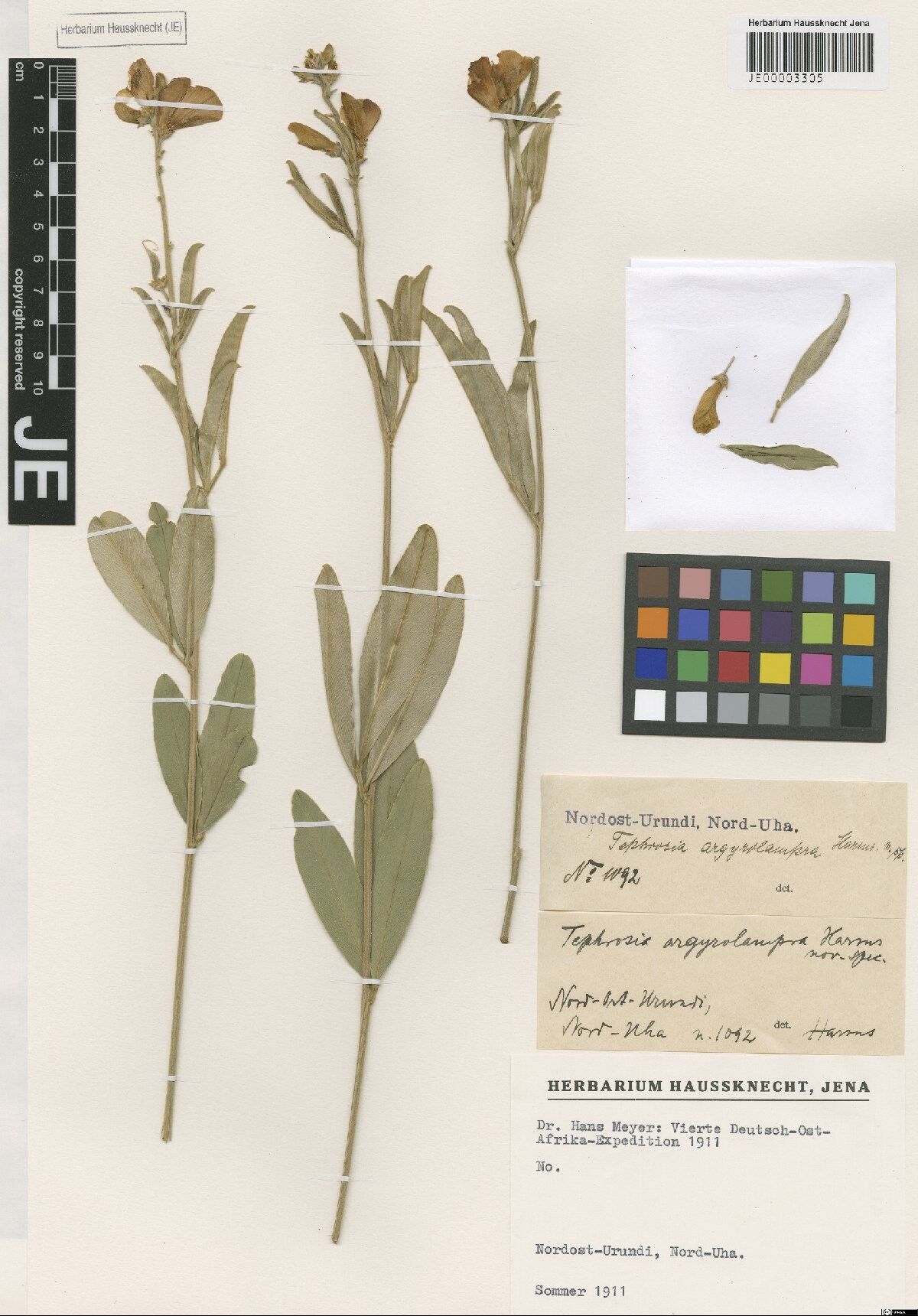
Tephrosia vogelii, the Vogel's tephrosia, fish-poison-bean or Vogel tephrosia (English), tefrósia (Portuguese) or barbasco guineano (Spanish), is a flowering plant species in the genus Tephrosia.It is a herb or small tree that is native to tropical Africa and has also been used in tropical America as well as South and Southeast Asia. It is commonly used to deter pests and diseases, specifically fleas and ticks on animals. It is not suitable for livestock or human consumption because it is not highly nutritious and can be poisonous for fish and some other animals. Since it is a nitrogen-fixing plant, it can be intercropped with other plants and used as a source of green manure.Tephrosia vogelii is commonly known as the “fish bean”, “fish-poison bean”, or “vogel’s tephrosia”. It is a small tree used by farmers in numerous countries in Africa to get rid of pests on livestock, control pests in cultivated fields as an organic pesticide, improves soil fertility, as a medicine for skin diseases and internal worms, and for storage of crops. The use of “Tephrosia leaf extract as a low cost acaricide is spreading to farmers in central Kenya” and has been very successful in terms of its results.
Vogel's tephrosia shows good resistance to disease and is generally not prone to illness. Still, it can be vulnerable to pests and diseases present in its environment. Such infections are typically not severe. Regarding care, this plant needs moderate maintenance. It should be pruned regularly to preserve a neat appearance and healthy growth. Fertilizing can also aid in encouraging flowering. Vogel's tephrosia is appropriate for anyone who has an outdoor area, like a garden or patio, and does not demand much experience in plant care. It may need extra attention when cultivated indoors.
How to keep Tephrosia Vogelii.
Light
Vogel's tephrosia is a sun-loving, perennial herbaceous species that originates from open habitats and is commonly found in meadows and grasslands. It prefers full sun but can also tolerate partial sun conditions.
Temperature
Vogel's tephrosia comes from tropical areas, where the climate is usually warm and humid. Consequently, it is well adapted to high temperatures and humidity. It is sensitive to sudden temperature changes and prefers a stable thermal environment, so avoiding temperature fluctuations indoors is important. It generally does not tolerate cold and needs higher temperatures to grow. If the surrounding temperature falls too low, the plant may stop growing or even die.
Fertilizer
Proper fertilization is essential for the health and appearance of Vogel's tephrosia. Fertilize Vogel's tephrosia in the summer, repeating the application monthly throughout the season. Nutrients supply the energy for growth and help maintain the plant's parts. Fertilization improves Vogel's tephrosia's flower display, ensuring the best blooms.
Pruning
Vogel's Tephrosia is known for its vibrant foliage and medicinal benefits but requires strategic pruning to thrive. Key pruning techniques include removing dead branches, thinning, and shaping to enhance its appearance. The best time to prune is in early spring, as this minimizes stress on the plant and encourages growth. Effective pruning not only improves the plant's look but also boosts its resistance to pests and diseases.
Botanical profile.
- Plant Type
- Herb, Shrub
- Life Cycle
- Perennial
- Genus
- Tephrosia
- Family
- Fabaceae
- Hardiness Zone
- 10-12
- Mature Height
- 0.49 m to 3.96 m
- Mature Spread
- 3.05 m
- Leaf Color
- Green
- Leaf Type
- Deciduous
- Flower Color
- White, Purple
- Flower Size
- 2.54 cm
- Bloom Time
- All year round
- Planting Time
- Spring, Summer, Autumn
- Harvest Time
- All year round
- Native Area
- Angola, South Africa, Zambia, Madagascar, Rwanda, Sudan, Nigeria, Guinea, Gabon, Guinea-Bissau, Uganda, Tanzania, Zimbabwe, Benin, Central African Republic, Sierra Leone, Equatorial Guinea, Cameroon, Liberia, Mozambique, Burundi, Togo, Ghana, Côte d'Ivoire, Ethiopia, Congo (DRC), Congo
Other names.