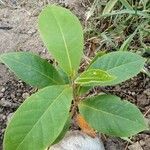
Terminalia catappa
لوز · Tropical almond · Indian-almond · Beach Almond · Almond Tree
Description
Source: leafsnapTerminalia catappa, commonly known as the Indian almond or tropical almond, is a large tropical tree in the Combretaceae family. Native to Southeast Asia and Northern Australia, it has been introduced and naturalized in many other parts of the world. This tree can grow up to 35 meters tall, boasting a broad crown of leaves that can reach up to 30 centimeters in length. The leaves are glossy green and have a distinctive elongated oval or spearhead shape. The Indian almond tree produces small white flowers that bloom in clusters during spring and summer. These are followed by fruit pods containing one or two seeds, which are edible when roasted. In traditional medicine, various parts of Terminalia catappa are used for their medicinal properties, including treating skin diseases, diarrhea, dysentery, and fever. The bark has also been used for tanning leather. Beyond its medicinal uses, Terminalia catappa is valued for its ornamental qualities. Its attractive foliage turns red before falling off during the autumn months. Overall, Terminalia catappa is an important plant species due to its cultural significance and ecological importance. It provides food sources for wildlife such as birds and squirrels while also being utilized by humans for various purposes, including medicinal production.
💡 Tropical almond seeds have a flavor similar to that of true almonds, even though the plants are not related. The oil extracted from these seeds can be used in much the same way as almond oil, but it has the added advantage of having a longer shelf life before it spoils. Additionally, extracts from the bark and wood of the tropical almond can be used to produce black and yellow dyes. The wood itself is commonly used in making furniture and tools.
🌳 Indian almond displays a versatility that extends beyond its typical botanical uses. Its broad leaves have long been employed as natural sandpaper because of their rough texture. Moreover, the tannin-rich leaves and bark supply useful substances for traditional tanning processes, softening leather effectively. These lesser-known applications underscore the Indian almond's potential in various low-tech industries, particularly in sustainable production practices.
🎭 Wealth, Abundance, Insight
Care Guide
💧 Water Every 7 days
The tropical almond plant flourishes in humid, tropical climates and shows moderate tolerance to drought. It requires watering every one to two weeks. It thrives best in full sunlight when grown outdoors. The plant adapts to varying rainfall levels and reduces its water requirements by shedding leaves before entering dormancy.
What's the best way to water my Tropical almond?
To promote excellent root development, place a garden hose at the base of the plant. Avoid spraying the leaves directly. If the plant is outdoors and in direct sunlight, the leaves will need more water. You can use bubblers to moisten the roots of each plant. Soaker hoses that cover the entire garden or bed are also useful when adding or removing plants as they help to deeply penetrate the roots. It is important to drain any excess water and wait for the soil to dry before watering again. To prevent diseases, water at ground level. On a sunny day, spraying the entire bush with water is recommended. Whether the plant is potted or in-ground, it is important to remember that Tropical almond prefers deep watering rather than light sprinkling.
What do I need to do if I give the Tropical almond tree too much or too little water?
Overwatering a Tropical almond can cause the leaves to turn yellow, drop off, and wilt. The plant may also appear dull and unhealthy, with mushy stems. Adjusting your watering schedule is recommended when these signs appear. On the other hand, wilting can also be a symptom of under watering. In this case, the leaves will become crispy and dry. When the soil is dry and simply watering is not enough, a thorough watering is needed. Although enough water will help the Tropical almond recover, the plant may still have dry and yellow leaves due to root damage. Once the plant returns to normal, the yellowing of leaves will stop. When you have the Tropical almond indoors, always check the moisture levels in the pot. Avoid overwatering and be on the lookout for black spots. If you notice these spots, allow the soil to dry out for a few days before watering again. Overwatering can result in root rot. If you see discolored and slimy roots, consider transferring the plant to a different pot. Preventing root rot is crucial, so avoid keeping the soil too soggy. When planting the Tropical almond outdoors, ensure that the soil is adequately moist. If the soil feels too dry, it may indicate under watering. Proper watering is necessary to help the plant recover.
How often do I need to water my Tropical almond tree?
The Tropical almond prefers deep watering less often. When planted in pots, it's especially important to soak them with a gallon of water each time. Potted plants dry out faster, so watering every 3 to 5 days is necessary in colder regions. The best time to water is in the morning when the soil is dry. You can also check if watering is needed by examining the top 2-3 inches of soil. If it's dry, give the plant a thorough watering. During hot days, monitor the moisture daily as the heat can quickly dry out the soil in pots. In a garden, irrigation is also required. In hot climates, watering once a week is recommended. Only water when about 2 to 3 inches of soil appears too dry. Take into account rainfall and avoid overwatering to prevent root rot. Tropical almond plants typically grow in spring and fall. Adding mulch about 3 to 4 inches deep when the plants are outdoors can conserve water. Sandy soil drains faster and requires more frequent watering. Conversely, clay soil needs less frequent watering to prevent root rot. Keep track of watering dates and watch for drooping leaves as an indication that watering may be overdue.
How much water does my Tropical almond tree need?
The Tropical almond typically requires about a gallon of water per schedule. For potted plants, water them deeply until you see water dripping from the bottom of the pot. Then, allow the soil to dry before watering again. You can use a water calculator or moisture meter to determine how much water your plant has received in a week. Water the plant generously during the flowering period, but allow the moisture to evaporate afterward to prevent root rot. If the Tropical almond is planted outdoors and receives sufficient rainfall, it may not need additional watering. However, when the Tropical almond is young or newly planted, ensure it receives 1-2 inches of rain per week. As the Tropical almond grows, it can survive solely on rainfall. Only when the weather is excessively hot or there is no rainfall for 2-3 weeks, should you consider giving the Tropical almond a thorough watering during the cooler part of the day to prevent heat damage. Additional watering will be needed during extended dry periods.
Do I need to water my Tropical almond more or less depending on the time of year or the weather?
The Tropical almond prefers to be outdoors and relies on rainwater, except during dry periods where it will require additional watering. During the spring and fall, the soil should be kept moist, but not overly saturated, to promote healthy growth. In the summer, hot weather and lack of rainfall may necessitate more frequent watering to keep the soil sufficiently moist. However, during winter when the plant goes dormant, it requires less water and can be placed in a well-draining soil mixture like terracotta to help with evaporation. Once the plant starts leafing out in spring, you can resume watering and encourage growth and blooming. Good drainage is crucial for this plant, especially during winter, to prevent waterlogging. When grown in pots, Tropical almond has limited root growth, so regular watering is essential, particularly during summer. Deep soaking once or twice a week is recommended, avoiding shallow sprinkles that can promote fungal growth and fail to reach the root system. Even during dormancy, the plant shouldn't be allowed to completely dry out in fall or winter. Overwatering should be avoided, as sitting in water for too long can harm the plant, especially during winter. Applying mulch is beneficial for reducing stress, conserving water, and promoting healthy blooming.
☀️ Light Full sun
Indian almond prospers in locations where it receives abundant light throughout the day. That light encourages strong growth. Although it prefers spots with ample illumination, it can fairly tolerate areas with slightly reduced light. Still, too little or too much light can hinder the plant's growth and produce harmful effects.
What are the sunlight requirements for Tropical Almonds?
Tropical Almonds require full sun exposure, defined as more than 6 hours of sunlight daily, to thrive well. However, they are also able to grow under partial sun conditions, which means receiving about 3-6 hours of sunlight each day. Observing the movement of sunlight through your garden is essential to find the spots that offer the right mix of light and shade, ensuring your plants grow happily and healthily.
How does inadequate or excessive light affect Tropical Almonds?
Tropical Almonds prosper in environments with abundant light throughout the day, fostering strong growth. While these plants prefer plenty of light, they can cope with slightly less. However, not getting enough light or receiving too much can hinder their growth, showing adverse effects. When natural sunlight isn't enough, especially during winter or in darker areas, artificial lighting can supplement growth. LEDs are recommended for their capability to mimic the specific light wavelengths needed by plants, with the intensity and duration tailored to the plant's needs.
What are the symptoms of light deficiency in Tropical Almonds?
Insufficient lighting can cause several noticeable symptoms in Tropical Almonds, including smaller new leaves, leggy or sparse growth, and early leaf drop to conserve resources. Growth may slow down or halt entirely as the plant enters survival mode due to inadequate light. New leaves might appear lighter in color or even yellow, indicating a lack of chlorophyll and essential nutrients. Excessive sunlight can also cause damage, leading to chlorosis, sunscald, leaf curling, wilting, and leaf scorching.
What solutions can address light-related issues in Tropical Almonds?
To optimize growth, gradually increase sunlight exposure for your plants until they receive at least 6 hours of direct sunlight daily, moving them closer to a south-facing window or using additional artificial light sources if needed. For outdoor plants, adjust their location gradually to prevent sunburn, aiming for a spot with the ideal sunlight. If obstructions like trees block sunlight, consider pruning or moving the plant to a better location. Remember, while affected parts may not recover, new growth will be healthy with adequate light adjustments.
🌡️ Temperature 20–41.1°C
The Indian almond is native to warm areas and grows best in temperatures of 68 to 105 ℉ (20 to 41 ℃). It prefers warm, humid conditions and has little to no tolerance for frost or freezing temperatures. In cooler months, the tree should be protected from cold winds and low temperatures.
What is the native climate for Tropical almond?
Tropical almond, or Terminalia catappa, is native to warm regions and thrives in temperatures between 68 to 105°F (20 to 41°C). It prefers warm and humid climates and can tolerate little to no frost or freezing temperatures. Extremely heat-loving, tropical almond can suffer harm from cold temperatures, making it important to protect the tree during cooler months from cold winds and to ensure it is brought indoors if grown outside, placed near a bright window while avoiding direct heat sources.
How should you care for a Tropical almond during winter?
During winter, it is crucial to maintain temperatures above 20°C for a Tropical almond to ensure its health and growth. This plant is not tolerant of cold, with temperatures approaching 5°C being detrimental. If the temperature falls below this threshold, symptoms such as leaves lightening in color can occur, eventually turning brown or black with signs of wilting and drooping after frost damage. To care for it, trim off the frost-damaged parts and move the plant to a warm environment indoors, choosing a spot near a south-facing window for ample sunlight, while avoiding placing it near heaters or air conditioning vents to prevent air dryness.
What are the effects of high temperatures on Tropical almond and how can you mitigate them?
Tropical almond should ideally be kept below 41°C during the summer to avoid stress from high temperatures. Exposure to temperatures above 45°C can lead to lighter leaf color and increased susceptibility to sunburn. To mitigate these effects, trim away sunburned and dried parts of the plant, move it to a shady location during the midday and afternoon sun, and ensure the soil is kept moist by watering the plant in the morning and evening.
💨 Humidity
🪴 Soil 6-7
🌱 Fertilizer
Fertilization is essential for the care of Indian almond. Regular feeding during the growing season preserves the energy needed for its showy leaves and supports overall growth. Failing to fertilize can lead to unhealthy leaves, reduced ornamental appeal, and growth that is stunted or weak and liable to break.
Why is it necessary to fertilize my Tropical almond tree?
Regular fertilization is crucial for Tropical almond trees because their showy leaves require a significant amount of energy to thrive. These trees not only have to allocate enough energy to maintain their leaves, but they also need to support the growth of their stems, branches, and roots. Neglecting fertilization can result in two likely outcomes. Firstly, the leaves of the Tropical almond may lose their natural color, texture, and overall health, significantly reducing their ornamental appeal. Secondly, the overall growth of the tree may slow down, and weak growth could make it susceptible to breakage.
When should I fertilize my Tropical almond tree?
Tropical almond plants do not require a set feeding schedule. Instead, you can fertilize them occasionally, preferably when watering. It's important to note that these plants need a good amount of water during the growing season. You can feed them every two to three weeks, consistently throughout their period of producing new growth.
When is it not a good idea to fertilize my Tropical almond plant?
For most of the year, you can stick to a regular fertilization schedule for your Tropical almond. This includes the active growing season of spring, summer, and early fall. However, it's important to note that during winter, you should avoid fertilizing this plant altogether. During this time, the Tropical almond enters a dormant growth phase where it either produces no new growth or very little growth. Because of this lack of active growth, the plant requires less energy overall, which is why fertilization is unnecessary during winter.
What kind of fertilizer does my Tropical almond tree need?
The fertilizer for a Tropical almond needs a specific blend of nutrients, but each nutrient is in low amounts. Ideally, the fertilizer should have an N-P-K ratio of 3-1-2. However, a general-purpose fertilizer with an even blend of nutrients can also work. Regardless of the type of fertilizer used, the ratio of each nutrient should be 3 or lower. You can choose between granular or liquid-based fertilizer. If you opt for a liquid-based one, it's best to dilute it by half. Granular fertilizer is generally fine, but using liquid fertilizer is more sensible, especially if you water your Tropical almond while feeding it.
How should I fertilize my Tropical almond tree?
One of the easiest ways to fertilize a Tropical almond is by feeding it every time you water it. To do this, gather your fertilizer and a water container like a watering can. Dilute the fertilizer by mixing it with water. Then, pour the water-fertilizer mixture onto the soil, making sure it reaches the roots. Another option is to use a granular fertilizer. Simply sprinkle some of the granular fertilizer on the soil where your Tropical almond is planted. Granular fertilizers are usually slow-release, so you won't need to fertilize as frequently compared to liquid fertilizers. Regardless of the method you choose, it is beneficial to water your Tropical almond while you feed it.
🪴 Pot & Repot Every 12 months
✂️ Pruning
The tropical almond tree is characterized by its symmetrical branches and broad leaves. Pruning should be done in early spring to shape the tree, remove dead wood, and improve air circulation. Regular pruning helps to prevent overcrowding, reduce pests, and promote healthy foliage. Additionally, deadheading encourages more frequent blooms while helping to maintain the tree's size and shape.
🌿 Propagating
🐛 Diseases & pets
☠️ Toxicity
Characteristics
- Plant Type
- Tree
- Life Cycle
- Perennial
- Genus
- Terminalia
- Family
- Combretaceae
- Hardiness Zone
- 10-13
- Mature Height
- 35.05 m
- Mature Spread
- 9.14 m to 14.94 m
- Leaf Color
- Green, Yellow, Brown
- Leaf Type
- Deciduous, Evergreen
- Flower Color
- White
- Flower Size
- 1.02 cm
- Bloom Time
- Early summer, Mid summer
- Planting Time
- Spring, Autumn
- Harvest Time
- Mid summer, Late summer, Early fall
- Native Area
- Nepal, Sri Lanka, India, Malaysia, Vanuatu, Philippines, Madagascar, Bangladesh, Laos, Yemen, Fiji, Brunei, China, Solomon Islands, Indonesia, Cambodia, Vietnam, Myanmar, Papua New Guinea, Thailand