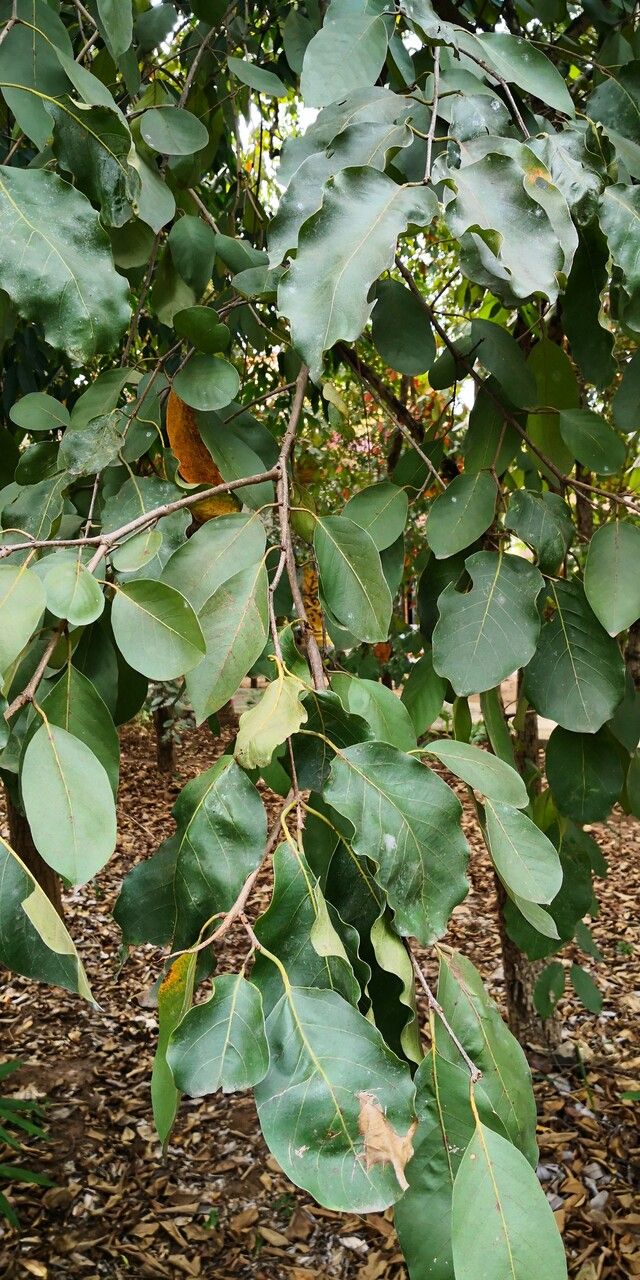
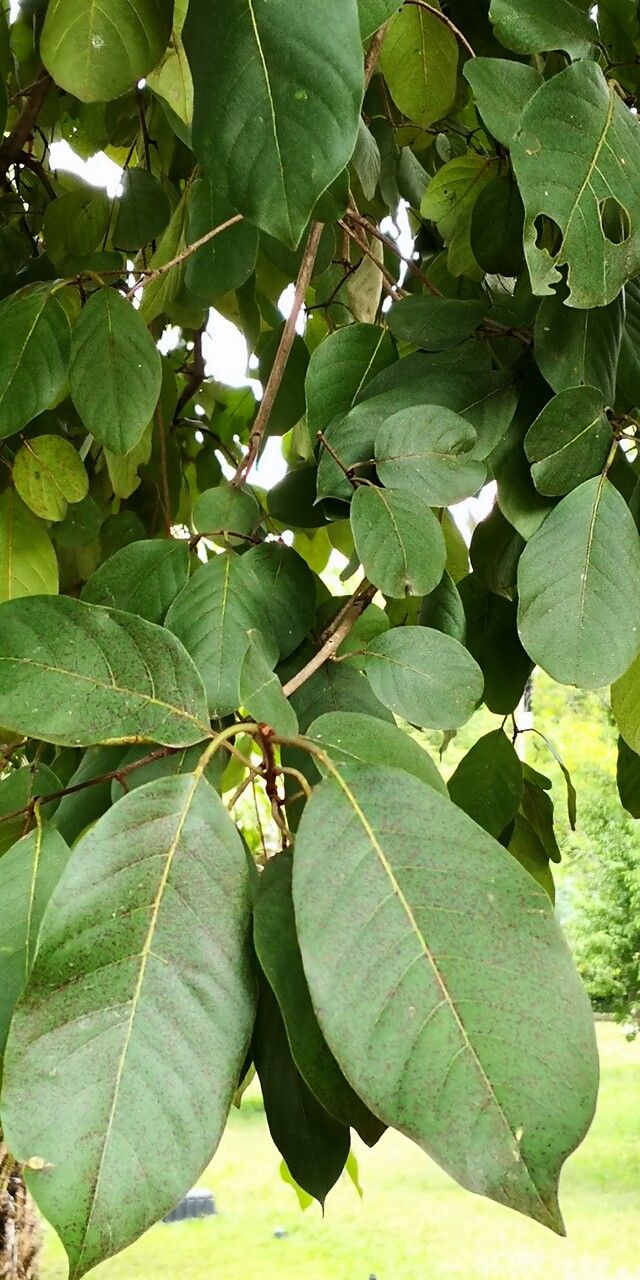
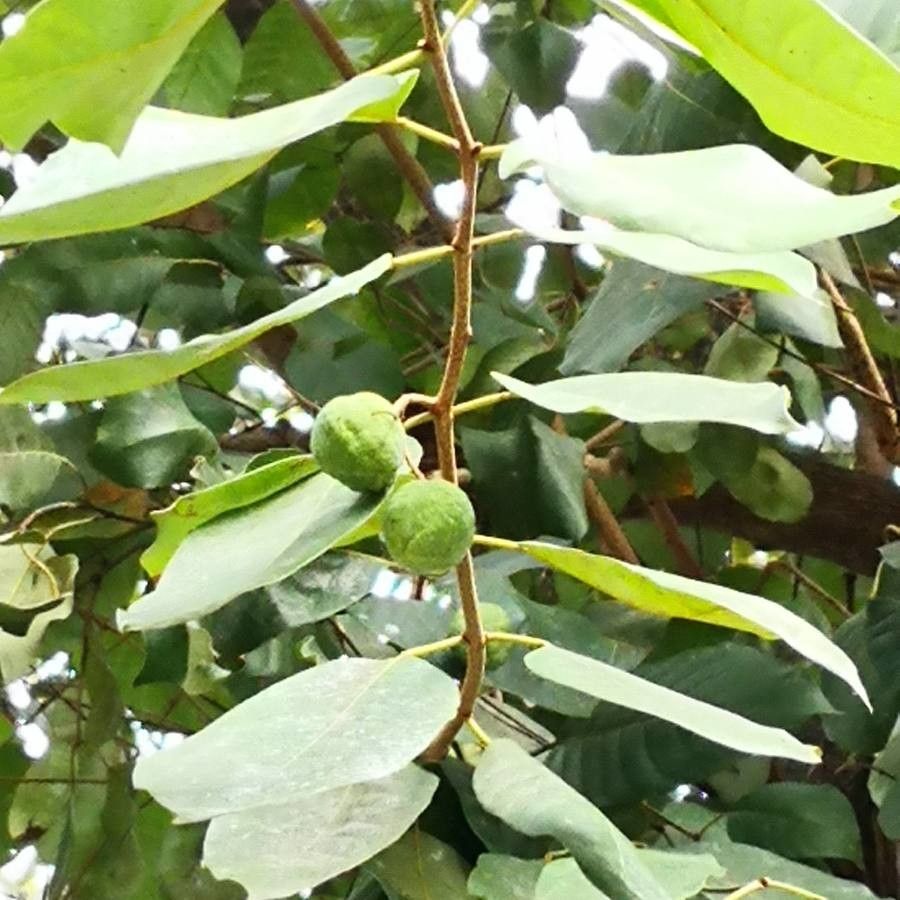
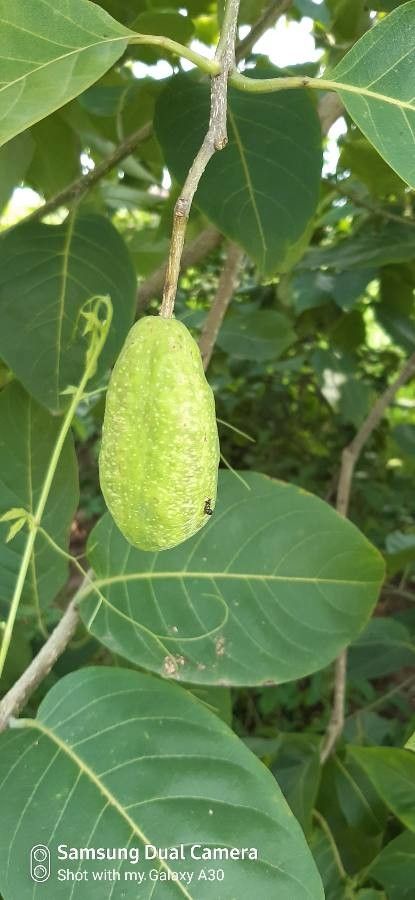
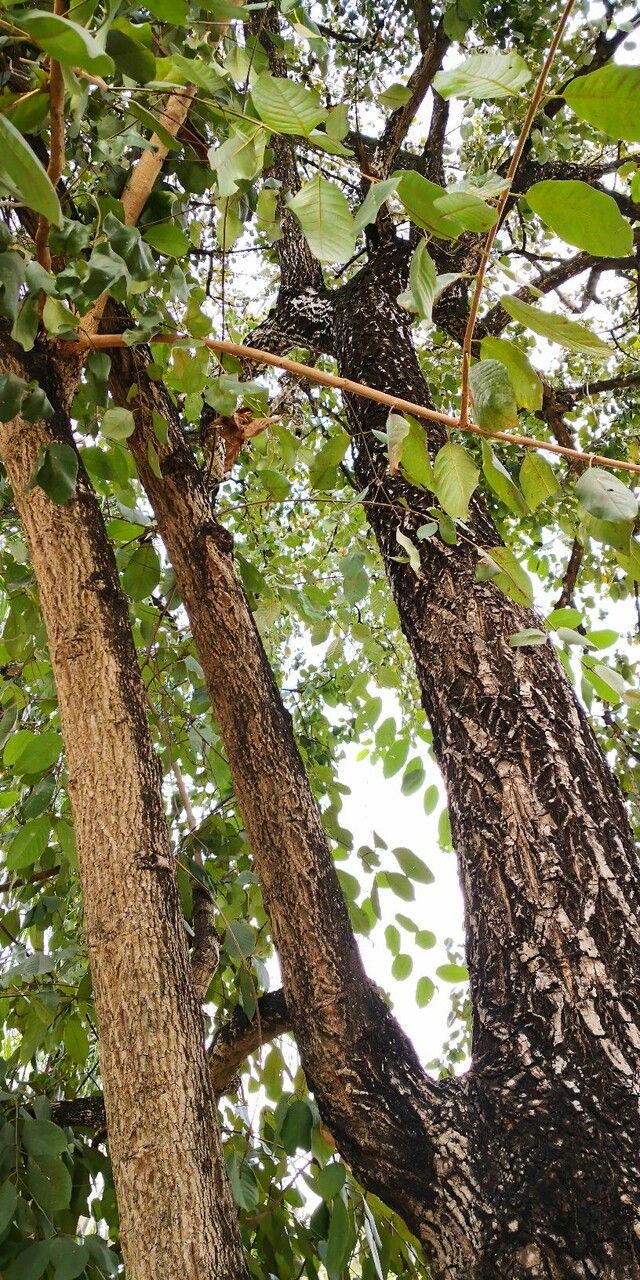
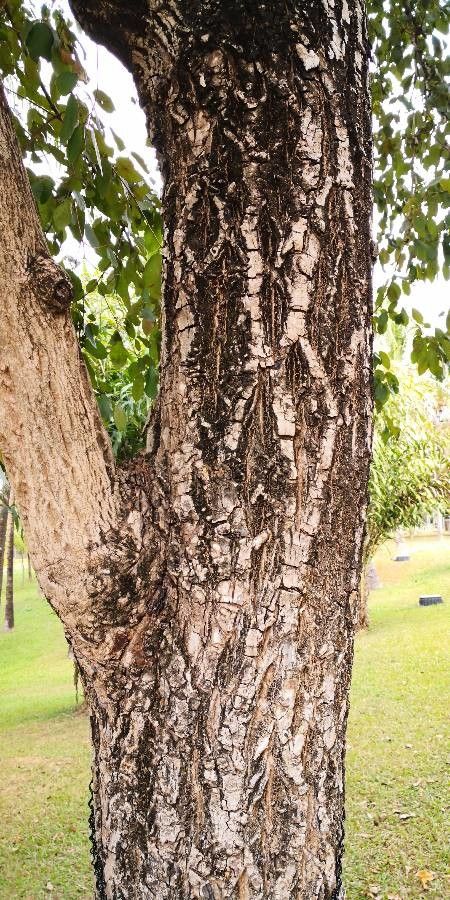
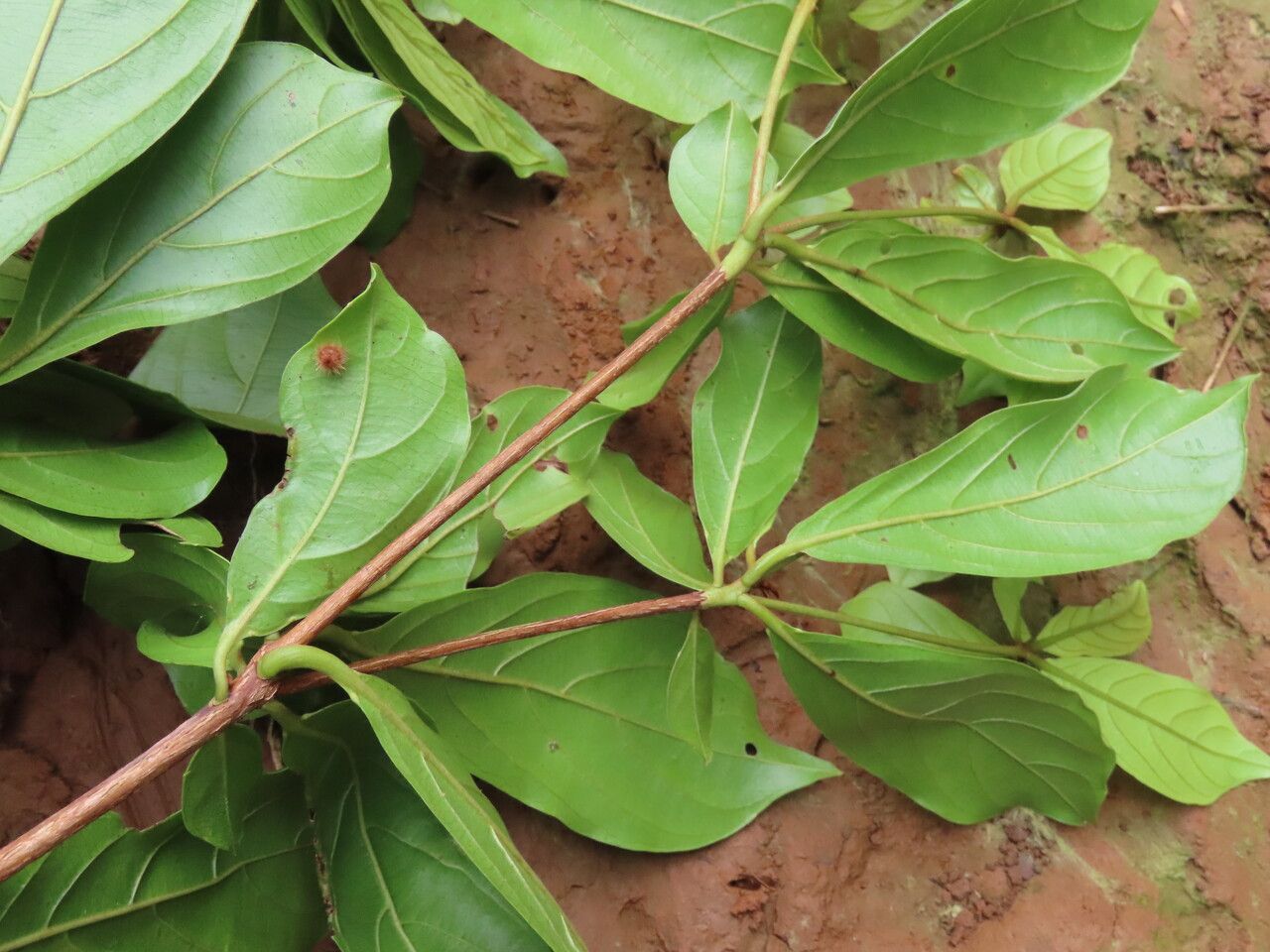
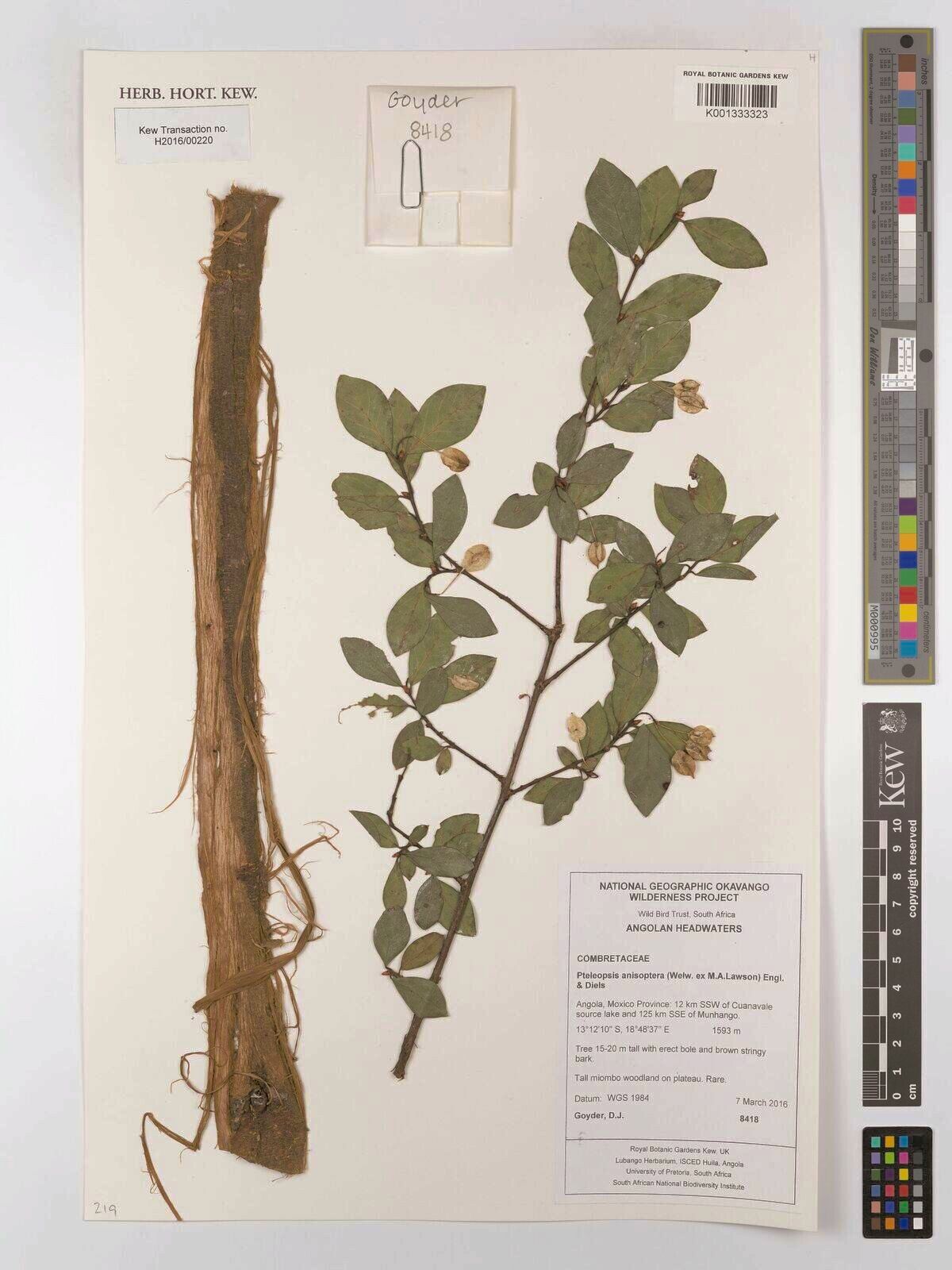
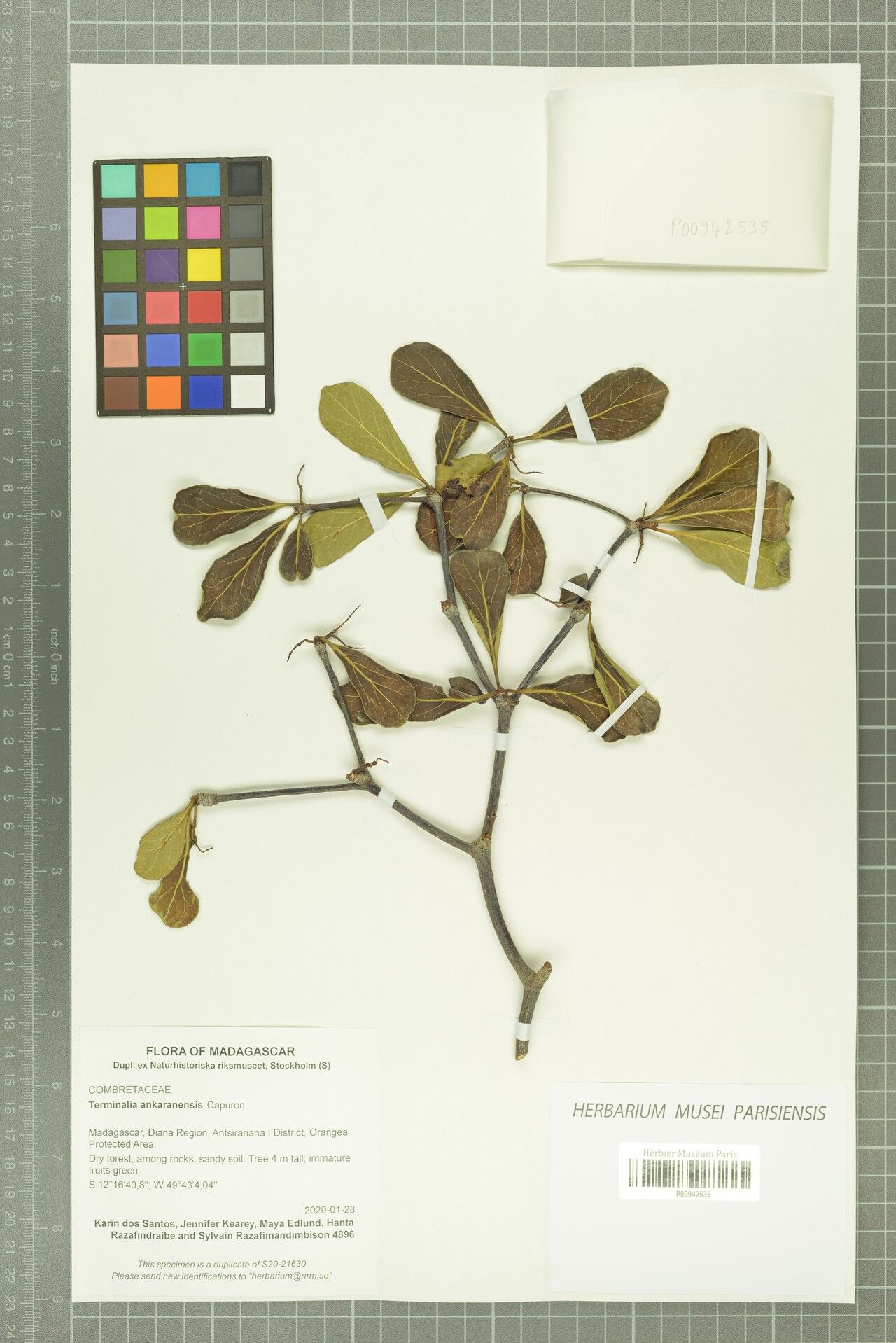
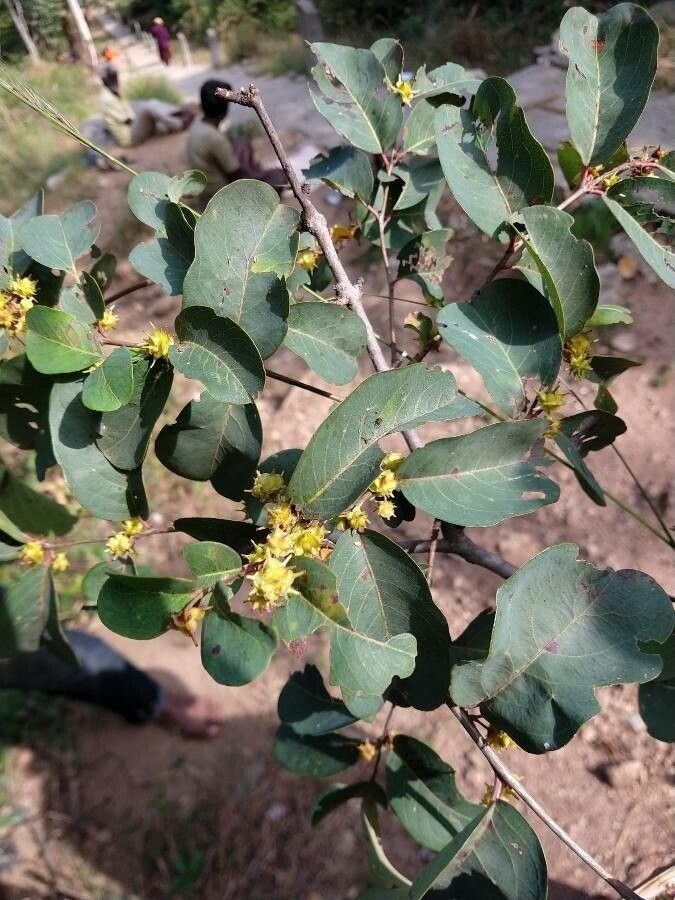
Terminalia chebula, commonly known as black myrobalan or haritaki, is a deciduous tree belonging to the Combretaceae family. Native to Southeast Asia, it is widely distributed across India, Nepal, Sri Lanka, and other parts of Asia. The tree can reach a height of up to 30 meters and has a trunk diameter of up to 1 meter. The leaves of Terminalia chebula are oval-shaped with a smooth texture and serrated edges. The flowers are small and yellowish-white, while the fruit is round or oval-shaped, containing a hard seed inside. For centuries, Terminalia chebula has been utilized in traditional medicine for its various health benefits. It has been employed as an anti-inflammatory agent, digestive aid, laxative, and for its anti-cancer properties. The fruit extract of Terminalia chebula contains bioactive compounds such as tannins, flavonoids, and phenolic compounds that contribute to its medicinal properties. These compounds have demonstrated antioxidant activity, which helps protect cells from oxidative damage caused by free radicals. In addition to its medicinal applications, Terminalia chebula is also used for dyeing fabrics black or brown using its bark extract. Moreover, it is an ingredient in Ayurvedic cosmetics due to its skin-rejuvenating properties. Overall, Terminalia chebula is considered an important plant due to its numerous health benefits, making it highly valued by traditional medicine practitioners around the world today.
Beleric myrobalan is fairly disease-resistant and typically not susceptible to illnesses. In terms of care, this plant is fairly low-maintenance. When grown outdoors it needs little watering, and larger specimens typically do not require pruning. Smaller ones, however, should be trimmed after they finish blooming. Beleric myrobalan is suitable for anyone with an outdoor area, such as a garden or deck, and does not demand much gardening experience.
How to keep Terminalia Chebula.
Light
Beleric myrobalan is native to open habitats, such as sunlit meadows and forest margins, which offer abundant light. It does best in Full Sun but will also tolerate Partial Sun, adjusting well to different sunlight levels.
Water
Black myrobalan thrives in tropical climates where it can receive regular moisture without becoming waterlogged. Ideally, it should be watered twice a week, particularly during its growing season. Although it is usually grown outdoors because of its size, black myrobalan requires consistent hydration to keep its evergreen foliage healthy.
Temperature
Beleric myrobalan comes from tropical areas, where the climate is usually warm and humid. Because of this, it is well suited to high temperatures and moisture. It is sensitive to sudden temperature shifts and prefers a steady thermal environment, so avoiding indoor temperature fluctuations is important. It typically cannot tolerate cold and needs warmer conditions to grow. If the surrounding temperature falls too low, the plant may stop growing or even die.
Fertilizer
Fertilization is essential for Beleric myrobalan care. Regular feeding throughout the growing season supplies the energy needed for its showy leaves and promotes general growth. Failing to fertilize can lead to unhealthy foliage, reduced ornamental value, and stunted or weak growth that is more likely to break.
Pruning
Black myrobalan, known for its distinctive foliage, also offers medicinal benefits. To maintain its health and enhance its growth, prune the plant in early spring. Focus on removing dead branches and thinning out crowded areas to improve air circulation. Ensure that your tools are clean, and make precise cuts just above the nodes to encourage healthier growth and potentially boost fruit production.
Botanical profile.
- Plant Type
- Tree
- Life Cycle
- Perennial
- Genus
- Terminalia
- Family
- Combretaceae
- Hardiness Zone
- 10-12
- Mature Height
- 17.98 m to 35.05 m
- Mature Spread
- 35.05 m
- Leaf Color
- Green
- Leaf Type
- Deciduous
- Flower Color
- White
- Flower Size
- 0.51 cm to 0.51 cm
- Bloom Time
- Mid spring, Late spring
- Planting Time
- Spring, Summer
- Harvest Time
- Late summer, Early fall, Mid fall
- Native Area
- Nepal, Sri Lanka, India, Malaysia, Indonesia, Cambodia, Vietnam, Myanmar, Singapore, Bangladesh, Pakistan, Laos, Thailand, China
Other names.