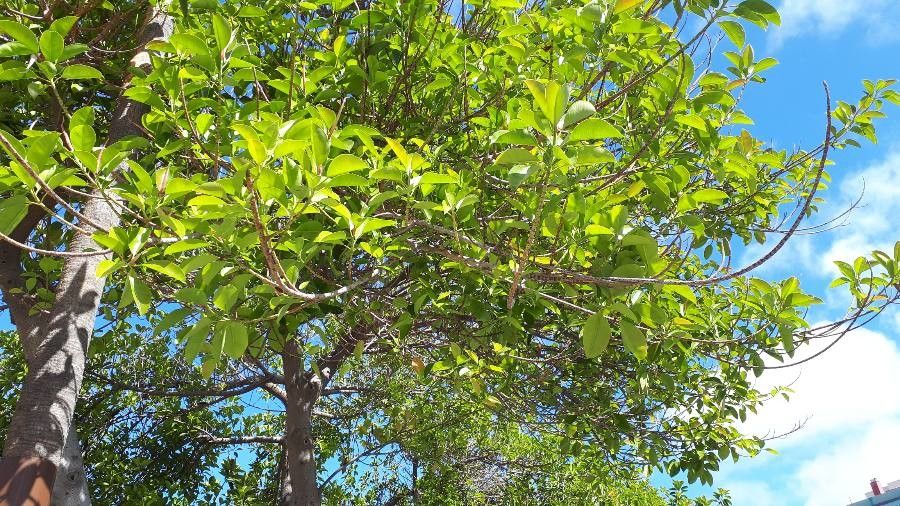
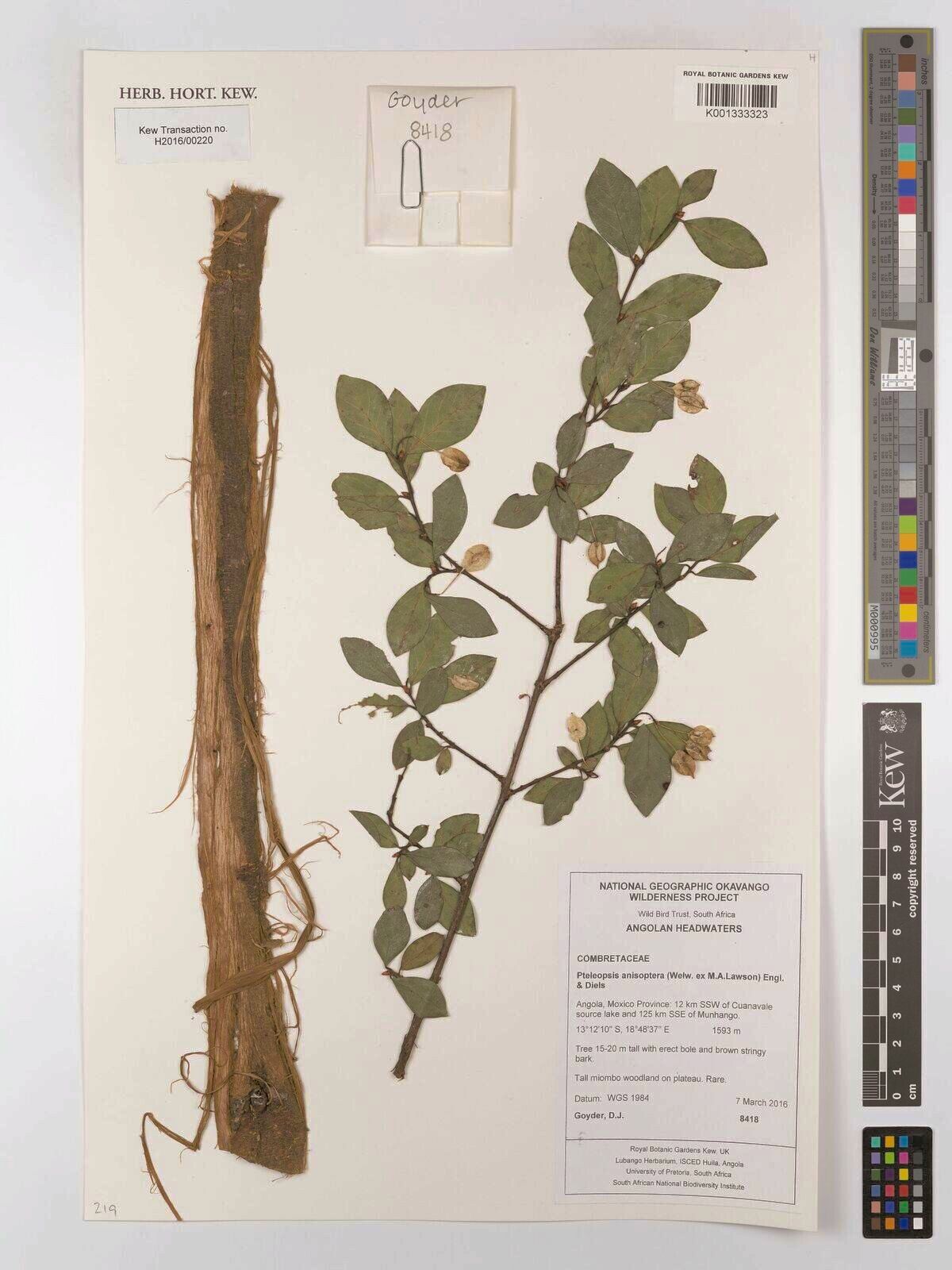
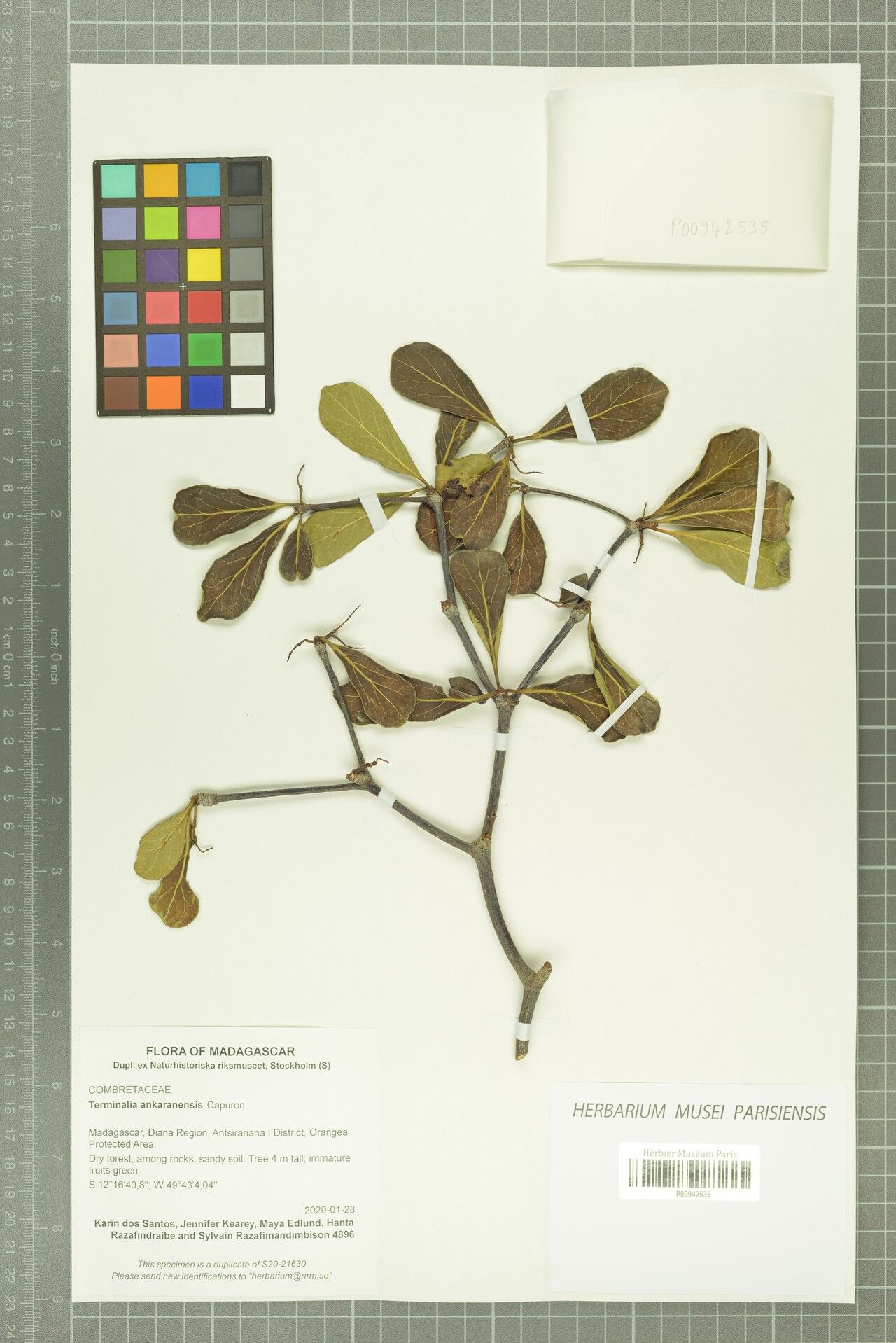
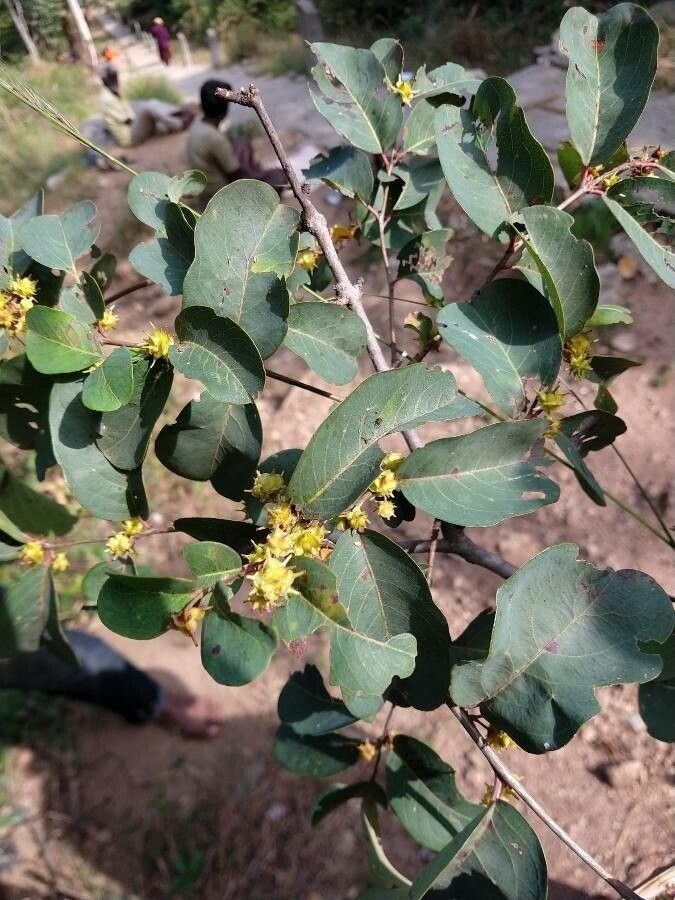
Terminalia phanerophlebia is a tree species belonging to the family Combretaceae. It is commonly found in tropical regions of Africa, particularly in countries such as Cameroon, Gabon, and Congo. The tree can grow up to 30 meters tall and features a straight trunk with a diameter of up to 1 meter.
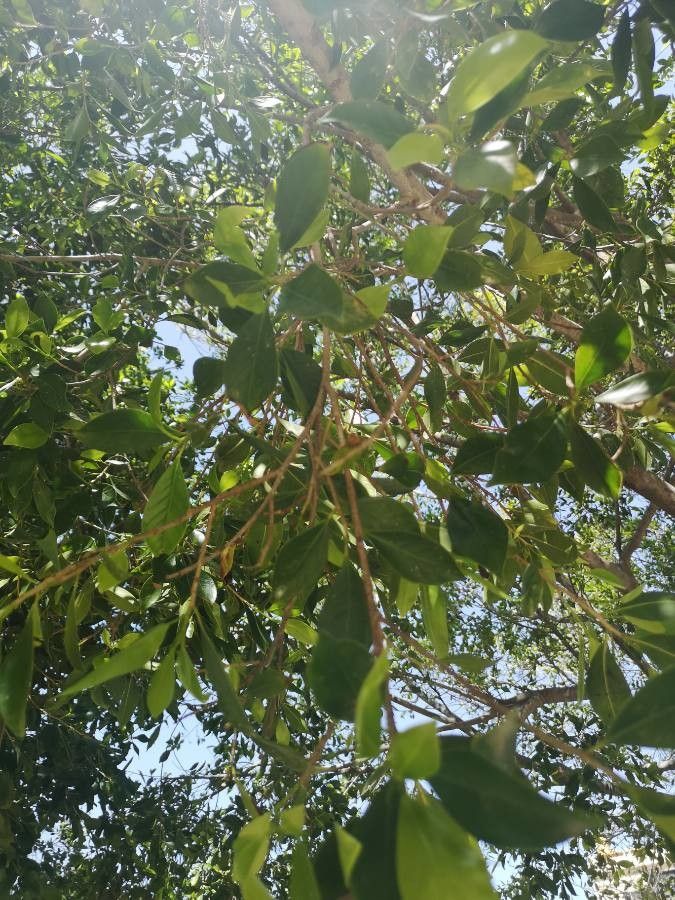
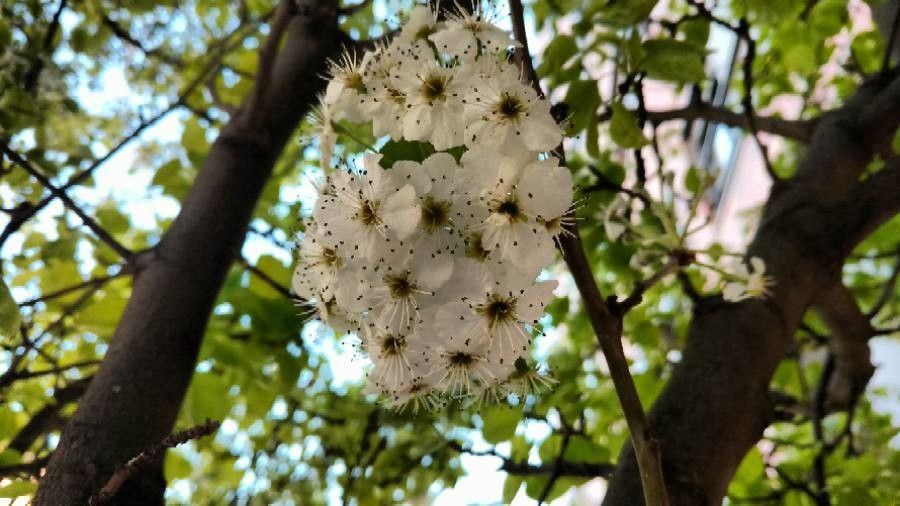
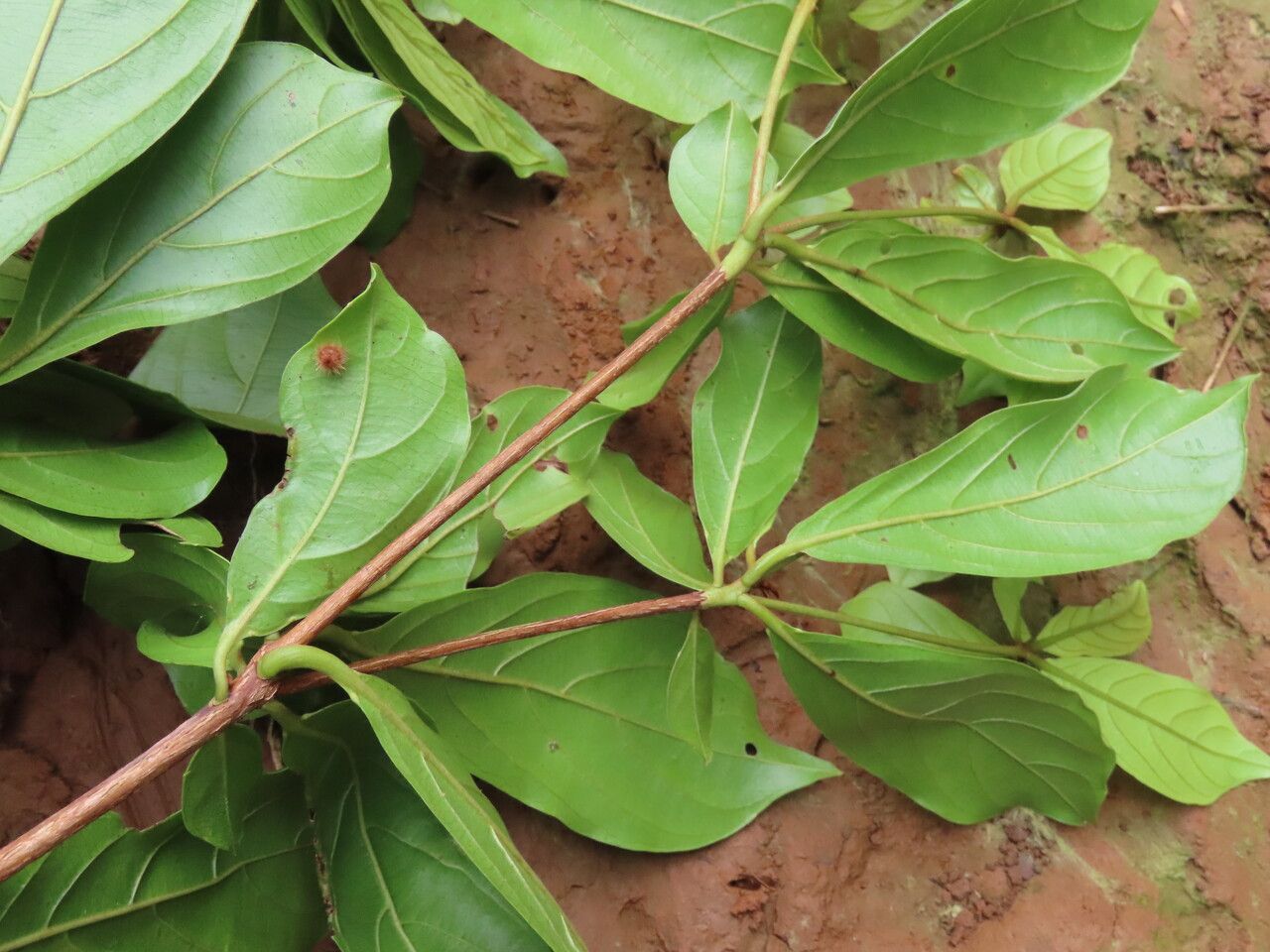
The leaves of Terminalia phanerophlebia are simple, alternate, and elliptical in shape. They are dark green on the upper surface and lighter green on the lower surface. The tree produces small flowers that are white or yellowish-green, arranged in clusters at the ends of branches.
The fruit of Terminalia phanerophlebia is a drupe that contains a single seed. The fruit is oval-shaped and ranges from 1 to 2 centimeters in length.
Terminalia phanerophlebia holds various medicinal uses among local communities. Its bark extract is used as an antidiarrheal agent, while its leaves are traditionally used to treat wounds and skin infections due to their antibacterial properties.
Overall, Terminalia phanerophlebia plays a significant ecological and medicinal role for the local communities where it naturally grows, benefiting both humans and animals.
Lebombo clusterleaf has strong resistance to disease and is generally not susceptible to illnesses. In terms of care, this plant is fairly low-maintenance. When grown outdoors it needs only light watering, and larger plants typically do not require pruning. Smaller plants, however, should be trimmed after they have finished blooming. Lebombo clusterleaf is suitable for anyone with an outdoor area, such as a garden or deck, and does not demand much plant-care experience.
How to keep Terminalia Phanerophlebia.
Temperature
The Lebombo clusterleaf comes from tropical areas, where the climate is generally warm and humid. Consequently, it is well suited to high temperatures and humidity. It is sensitive to abrupt temperature changes and prefers a steady temperature environment, so avoiding temperature fluctuations indoors is important. It typically cannot tolerate cold and needs warmer temperatures to grow. If the temperature falls too low, the plant may stop growing or even die.
Fertilizer
Fertilizing is essential for the care of the Lebombo clusterleaf. Regular feeding during the growing season maintains energy for its showy foliage and promotes overall growth. If fertilization is neglected, leaves can become unhealthy, the plant’s ornamental value may decline, and growth can be stunted or weak and prone to breakage.
Botanical profile.
- Plant Type
- Tree
- Life Cycle
- Perennial
- Genus
- Terminalia
- Family
- Combretaceae
- Hardiness Zone
- 10-13
- Native Area
- South Africa, Eswatini, Mozambique
Other names.