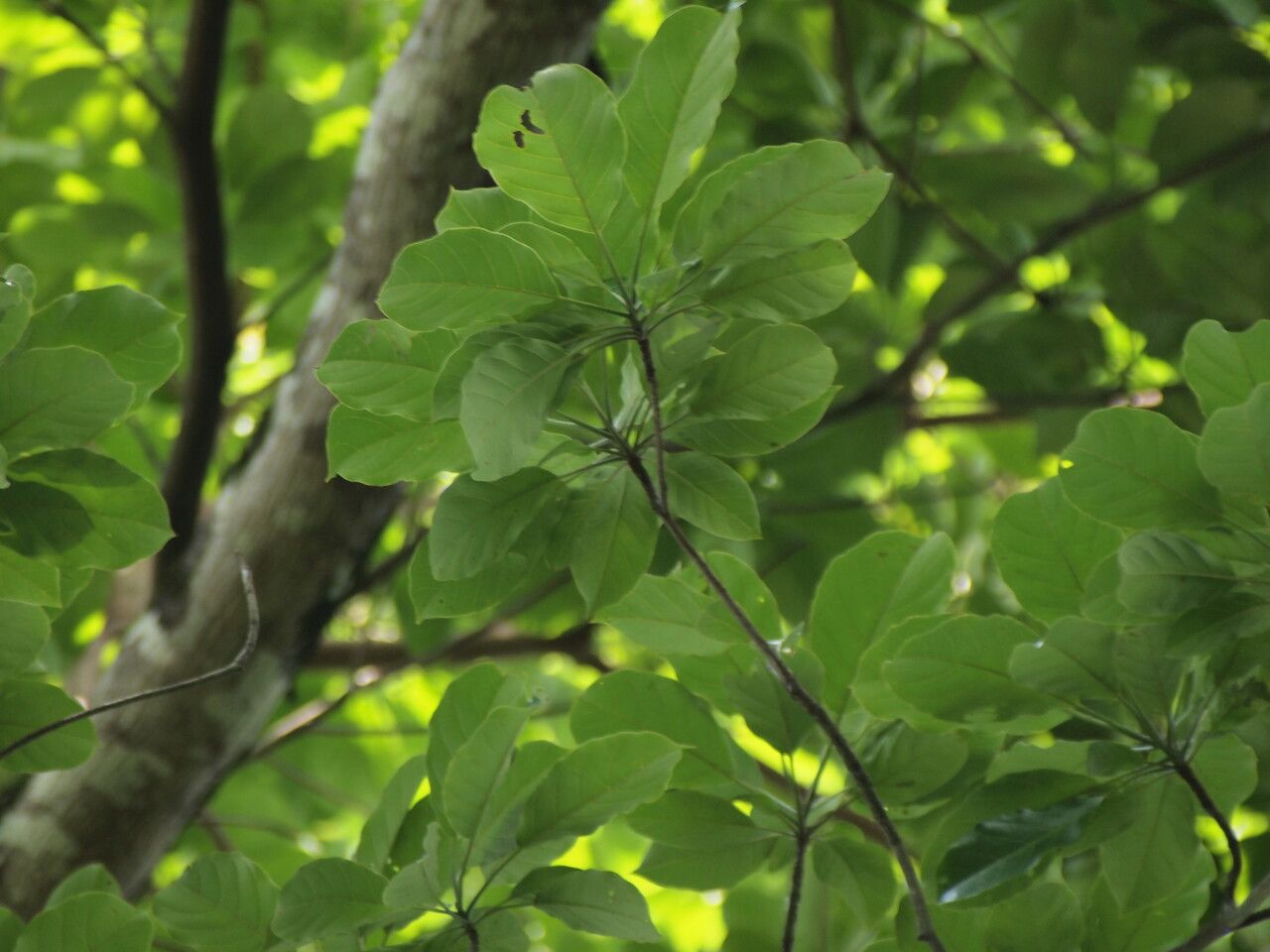
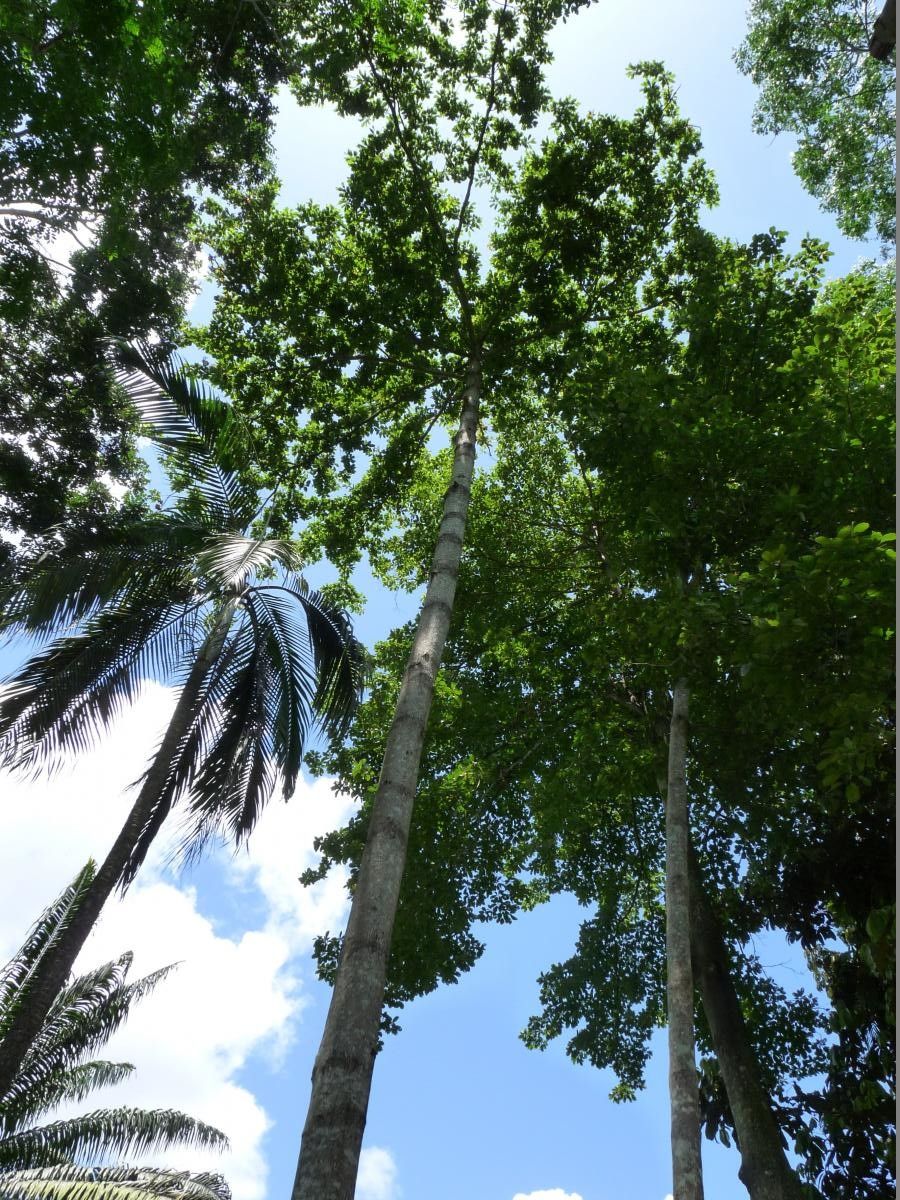
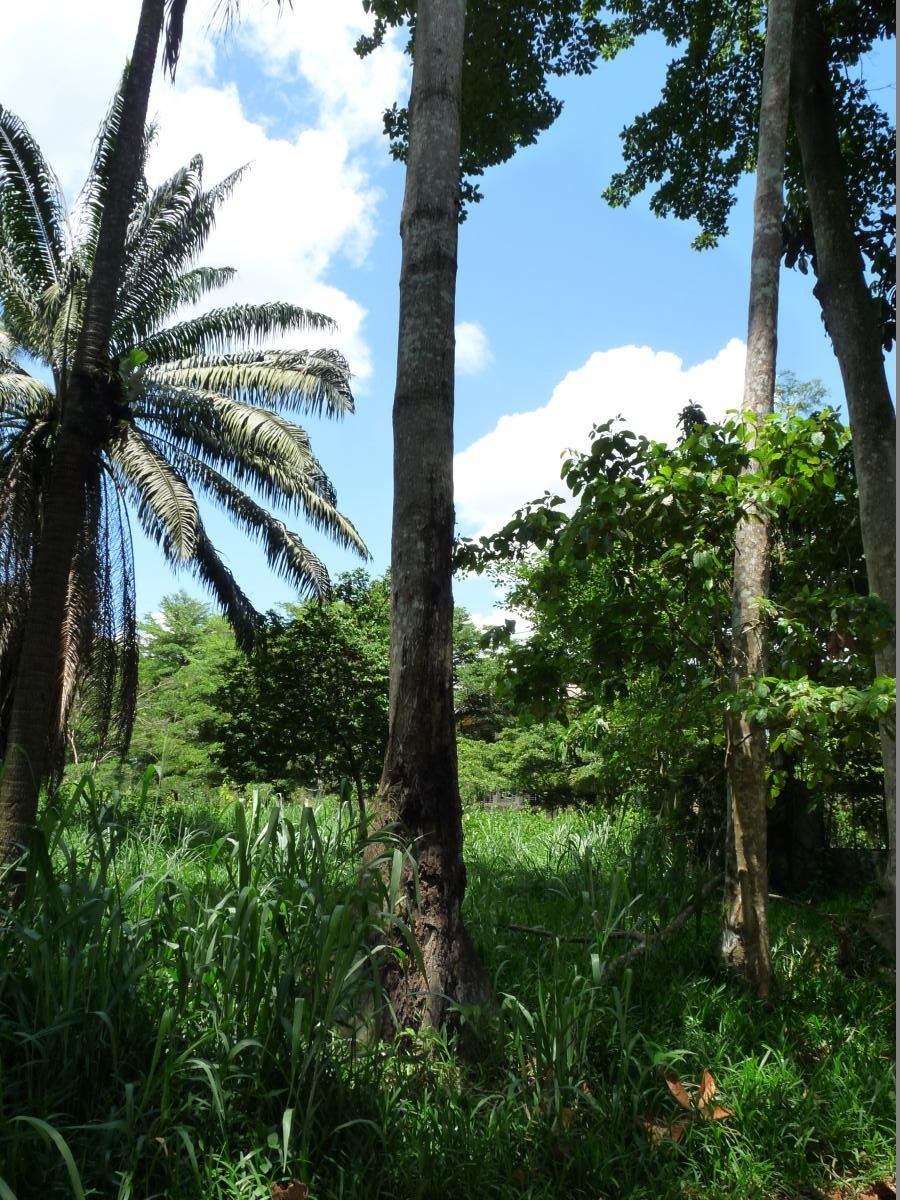
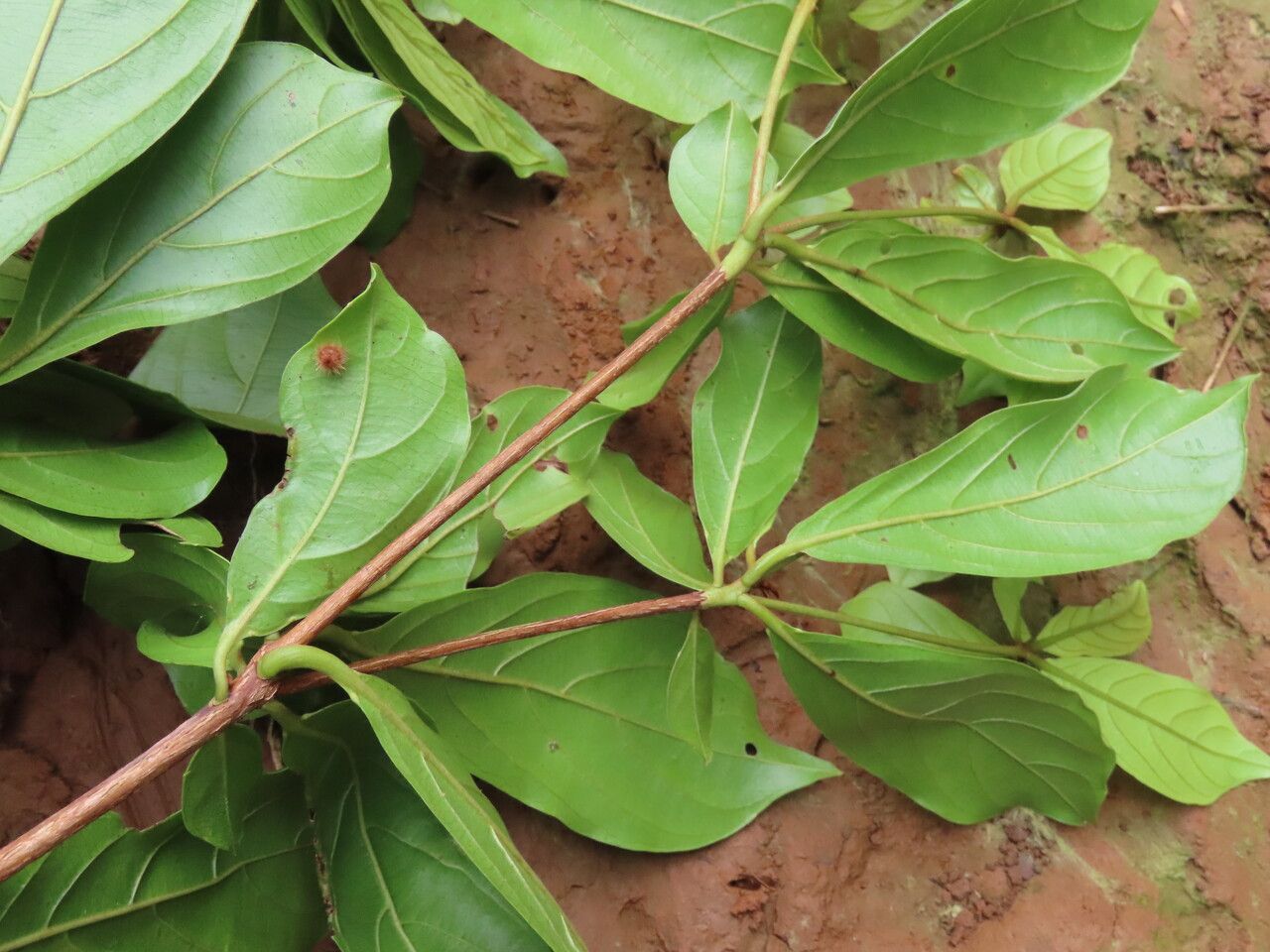
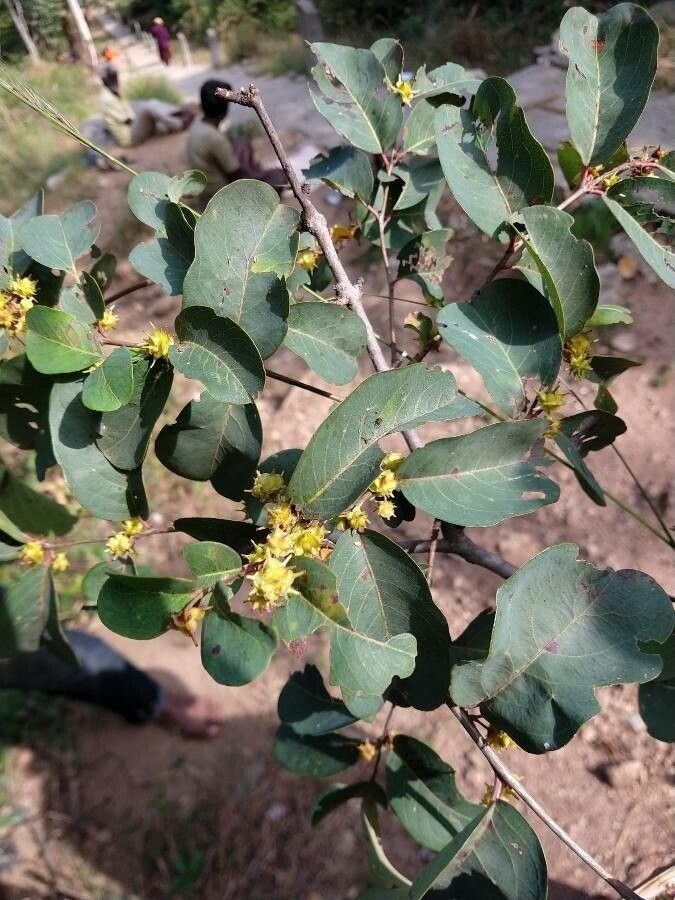
Terminalia superba, commonly known as the African cherry or Limba tree, is a large deciduous tree native to tropical West Africa. This impressive tree can grow up to 50 meters tall, with a straight trunk reaching up to 2 meters in diameter. Its bark is smooth and grayish-brown. The leaves of Terminalia superba are simple, alternate, and elliptical. They are dark green on the top and lighter green on the underside, growing up to 20 cm long. In May and June, the African cherry produces small white flowers. Its fruit is an oval-shaped drupe containing a single seed. Terminalia superba has numerous applications, notably in timber production where its strong wood is valued for its resistance to decay, termites, and fungi. Additionally, it has medicinal properties; traditional healers have used its tannin-rich content to treat conditions such as diarrhea, dysentery, and wounds. Moreover, Terminalia superba plays a crucial ecological role by providing habitats for various animals. Birds consume its fruit, and insects inhabit its bark and leaves. In summary, Terminalia superba is an important species in West Africa, valued both economically for timber and ecologically for its role in sustaining wildlife. Its medicinal properties further enhance its significance.
Botanical profile.
- Genus
- Terminalia
- Family
- Combretaceae
Other names.