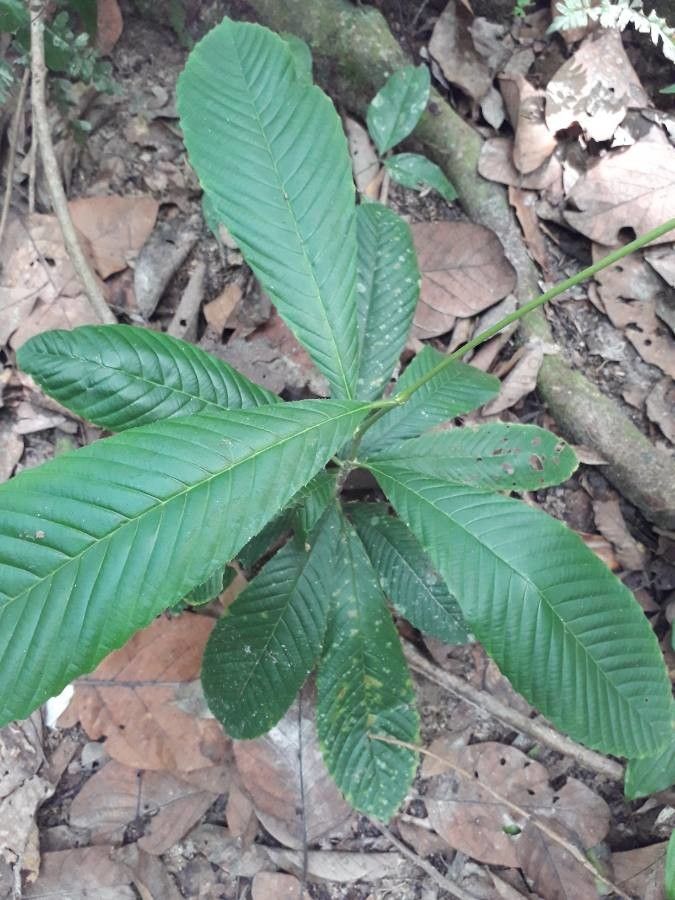
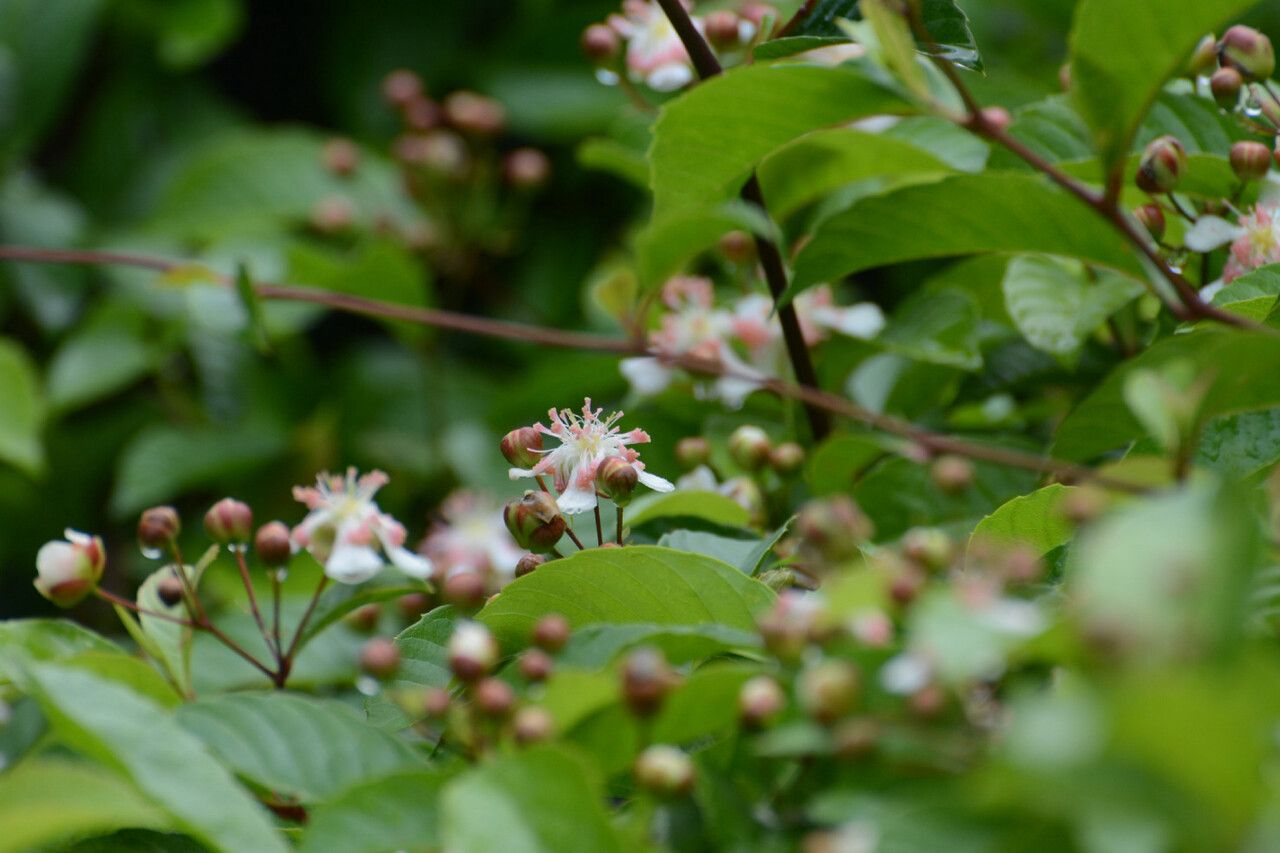
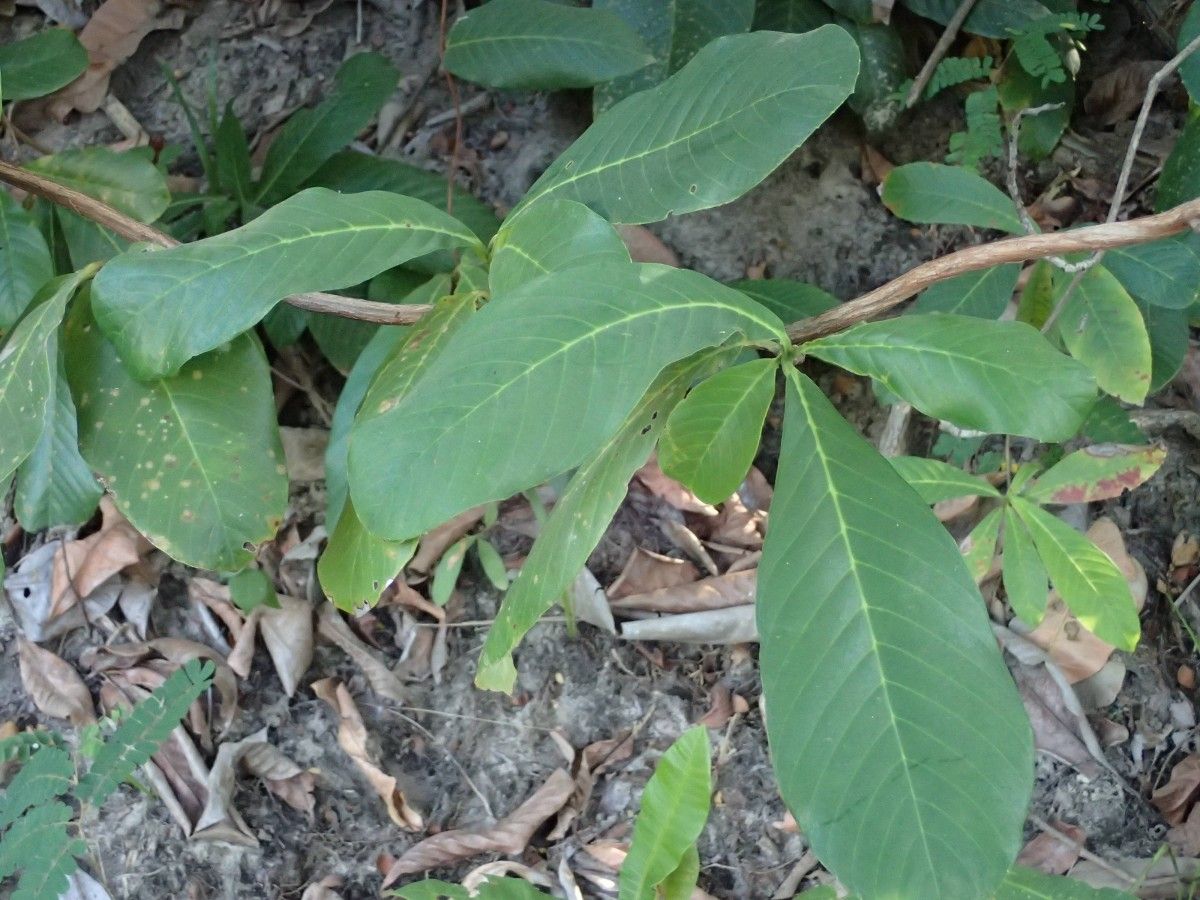
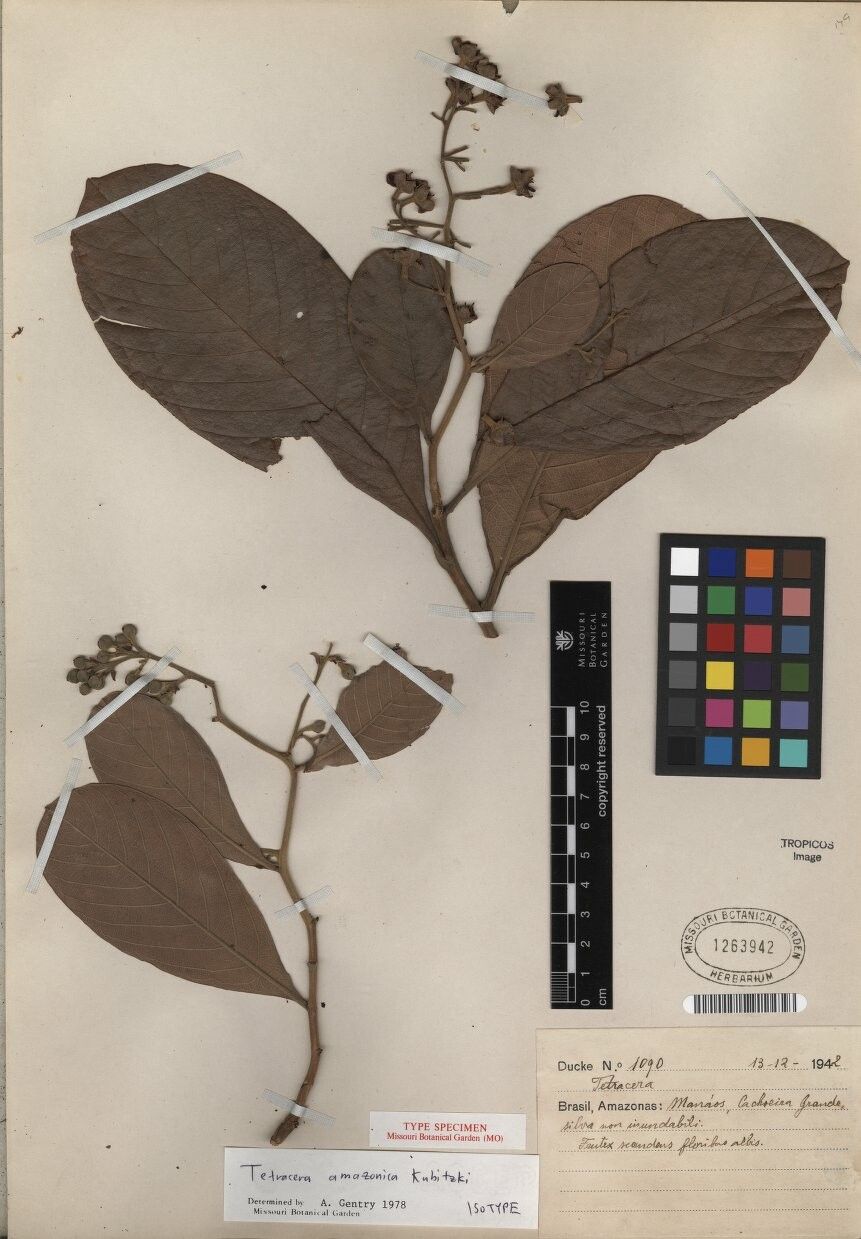
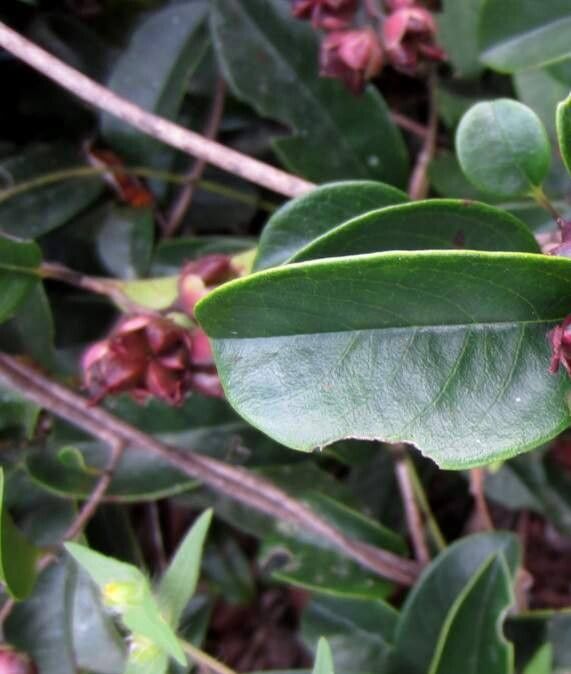
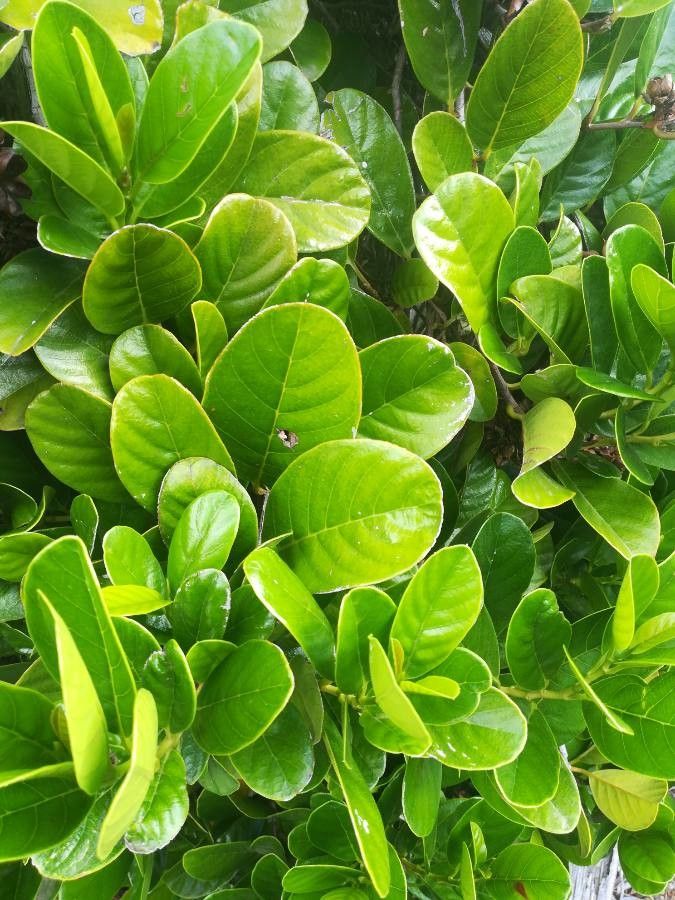
Sandpaper vine is resistant to disease and is rarely affected by illnesses. Regarding care, this plant is fairly low-maintenance. When grown outdoors it needs only light watering, and larger specimens usually do not require pruning. Smaller plants, however, should be trimmed after they finish blooming. Sandpaper vine is appropriate for anyone with an outdoor area, such as a garden or deck, and does not demand much plant-care experience.
How to keep Tetracera Indica.
Light
Sandpaper vine is native to open habitats, like sunlit meadows and woodland edges, that provide abundant light. It grows best in full sun but can also tolerate partial sun, adapting well to a range of light conditions.
Water
The sandpaper vine flourishes in regions with moderate rainfall because it efficiently absorbs and stores water. It does best with a watering schedule of every 2-3 weeks but is not very tolerant of extreme humidity or drought conditions. Being an evergreen vine, it keeps its leaves throughout the year, which helps maintain consistent hydration.
Temperature
Sandpaper vine comes from tropical areas with climates that are usually warm and humid. Therefore it is suited to heat and moisture. It does not tolerate abrupt temperature changes and prefers steady temperatures, so it's important to prevent temperature swings indoors. It is generally intolerant of cold and needs warmer conditions to grow. If the surrounding temperature falls too low, the plant can stop growing or may even die.
Fertilizer
The best time to fertilize a Sandpaper vine is in early spring, when it is coming out of dormancy. This encourages overall growth and flower development. Fertilizing improves the foliage, stems, and branches and promotes flowers that are larger, more vivid, and longer-lasting. It also helps transport nutrients from the roots to the flowers and enhances the plant’s health and resistance to disease.
Pruning
The sandpaper vine is known for its rough, sandpaper-like leaves. To help it thrive, it’s important to prune it strategically from early to late winter. Start by removing any dead branches, thinning out overcrowded areas, and trimming back long shoots to encourage bushier growth. These steps will improve airflow and light penetration, which helps reduce the risk of disease. Always ensure your tools are sterilized to prevent infections.
Botanical profile.
- Plant Type
- Shrub
- Life Cycle
- Perennial
- Genus
- Tetracera
- Family
- Dilleniaceae
- Hardiness Zone
- 10-12
- Mature Height
- 15.85 m
- Mature Spread
- 4.88 m to 7.92 m
- Leaf Color
- Green
- Leaf Type
- Evergreen
- Flower Color
- White
- Flower Size
- 2.54 cm to 3.05 cm
- Bloom Time
- Summer
- Planting Time
- Spring, Autumn
- Harvest Time
- Late summer, Early fall, Mid fall
- Native Area
- India, Malaysia, Indonesia, Cambodia, Vietnam, Myanmar, Singapore, Bangladesh, Laos, Thailand, China
Other names.
Reader questions.
What are the sunlight requirements for Sandpaper Vine?
Sandpaper vine thrives best in full sunlight, requiring above 6 hours of sunlight per day, but it can also tolerate partial sun, which means about 3-6 hours of sunlight a day. Observing the way sunlight moves through your garden will help you choose the best spots for your plants, ensuring they receive the ideal balance of light and shade for optimal growth.
Can Sandpaper Vine adapt to indoor environments?
Yes, Sandpaper Vine, originating from open environments like sunny meadows and forest edges, adapts well to various sunlight conditions including indoor environments. When natural sunlight is insufficient, especially during winter, artificial lighting can be used to ensure the plant continues to grow healthily. For optimal growth under artificial lighting, full sun plants require 30-50W/sq ft, partial sun plants need 20-30W/sq ft, and the light source should be placed 12-36 inches above the plant for 8-12 hours per day.
What are the symptoms of light deficiency in Sandpaper Vine?
Symptoms of light deficiency in Sandpaper Vine include smaller new leaves, leggy or sparse growth, faster leaf drop, slower or no new growth, and lighter-colored new leaves. These symptoms indicate that the plant is not receiving enough light, which is crucial for its healthy growth and development.
What problems can excessive sunlight cause to Sandpaper Vine?
Excessive sunlight can lead to chlorosis, sunscald, leaf curling, wilting, and leaf scorching in Sandpaper Vine. These conditions manifest as yellowing leaves, sunburned patches on leaves or stems, curled or twisted leaves to minimize water loss, drooping from loss of water pressure, and brown, dry edges on leaves, respectively, indicating damage from overexposure to sunlight.
How can I ensure my indoor Sandpaper Vine receives adequate light?
To ensure your indoor Sandpaper Vine receives enough light, gradually move it to a location with at least 6 hours of direct sunlight daily, ideally near a south-facing window. If the plant is large or not easily movable, consider using artificial lighting such as a desk or ceiling lamp for at least 8 hours daily, or invest in professional plant grow lights.
How can I improve sunlight exposure for my outdoor Sandpaper Vine?
For outdoor Sandpaper Vine, gradually increase sunlight exposure by moving the plant to a sunnier location each week to prevent sunburn. Analyze your garden to identify and reduce obstructions to sunlight such as overhanging branches. For smaller plants, consider transplanting to a spot with better sunlight and drainage during their dormant period.