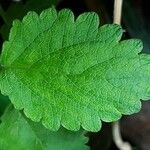
Tetradenia riparia
Gingerbush · Misty plum bush · Mountain Mist · Iboza
Description
Source: leafsnapTetradenia riparia, commonly known as river basil or ginger bush, is a perennial herbaceous plant in the Lamiaceae family. Native to Africa, it is found in regions including Ethiopia, Kenya, Tanzania, and Uganda. This plant can grow up to 2 meters tall and features a woody stem with green leaves that release a pleasant aroma when crushed. During the summer, river basil produces clusters of small white or pink flowers at the ends of its branches, attracting bees and other pollinators that aid its reproduction. The plant also yields small fruits containing tiny seeds. For centuries, various African communities have utilized Tetradenia riparia for its medicinal properties, particularly its antibacterial effects. It serves as a remedy for respiratory infections such as coughs, colds, and flu. Typically, the leaves are boiled to make tea or the steam from boiled leaves is inhaled. River basil is also valued in cooking for its aromatic qualities, which enhance the flavor of dishes like soups and stews. The leaves can be dried and crushed into a powdered form to be used in spice blends. In conclusion, Tetradenia riparia is a significant herbaceous plant with both medicinal and culinary applications among African communities, naturally growing along riversides, which is why it is aptly named "river basil."
💡 The misty plume bush, once an important aromatic wild plant for African people, is still a popular choice in gardens today. In addition to its decorative appeal, this plant plays vital ecological roles in the garden. It attracts specific species of moths from the Nocturnid family, along with other insects. These insects, in turn, attract insect-eating birds, making the misty plume bush an excellent addition to wildlife gardens.
Care Guide
💧 Water Every 7 days
The misty plume bush thrives in highland areas where there is a balance of rainfall and dry spells. It needs watering only once every three weeks and grows best in well-draining soil. Although it can tolerate cooler temperatures, too much rain can lead to root rot, so good drainage is essential.
What's the best way to give water to my Misty plume bush?
To ensure excellent root development, consider placing a garden hose at the base of your plants. It's important to avoid directly spraying the leaves, especially if they are outdoors and exposed to direct sunlight. Instead, you can use bubblers or soaker hoses to provide moisture to the roots. When adding or removing plants, using soaker hoses that cover the entire garden or bed will help promote deeper rooting. Remember to drain any excess water and allow the soil to dry before watering again. Watering at ground level is recommended to prevent diseases. On sunny days, it may be beneficial to spray the entire bush with water. Whether your plants are potted or in the ground, it's important to prioritize deep watering rather than light sprinkling for Misty plume bushes.
What should I do if I give too much or too little water to the Misty plume bush?
If a Misty plume bush is overwatered, its leaves may turn yellow, drop off, and wilt. The plant may also appear dull and unhealthy, with mushy stems. When these signs appear, it's best to adjust your watering schedule if possible. Wilting can also indicate under watering, characterized by crispy and dry leaves. In such cases, check the soil for dryness and provide a thorough watering. However, even with sufficient water, the Misty plume bush may continue to have dry, yellow leaves due to a damaged root system. Once the plant returns to normal, the yellowing of leaves will cease. For indoor plants, always check the moisture levels in the pot and avoid overwatering. Look out for black spots, and if present, allow the soil to dry out for a few days before watering again. Overwatering can cause root rot, so consider transferring the plant to a different pot if you notice discolored and slimy roots. Prevent root rot by avoiding excessively soggy soil. When planting the Misty plume bush outdoors, dig a little deeper and check the soil moisture with your fingers. If it feels too dry, it may indicate under watering. Provide adequate water to help the plant recover.
How frequently should I water my Misty plume bush?
The Misty plume bush requires deep and infrequent watering. If it is planted in pots, it is especially important to soak them with a gallon of water each time. This is because the water storage in flower pots is limited and the soil dries out faster. In cold regions, watering is necessary every 3 to 5 days. It is best to water the plant early in the morning, either indoors or outdoors, when the soil is dry. You can also check the soil inside the pot to determine if watering is needed. If the top 2-3 inches of soil is dry, it is time to give the plant a full watering. During hot days, it may be necessary to check the moisture daily, as the heat can quickly dry out the soil in the pot. If you have a garden, you will need to irrigate the soil as well. In hot climates, watering once a week is typically sufficient. Only water when you notice that about 2 to 3 inches of soil has become too dry, indoors or outdoors. Take into account any rainfall the plant receives and avoid overwatering to prevent root rot. If there is ample rainfall, additional watering may not be necessary. Misty plume bush typically grows during spring and fall. When planting the bush outdoors, it is advisable to add mulch that is about 3 to 4 inches deep to help conserve water. Sandy soil drains faster and requires more frequent watering, whereas clay soil needs less frequent watering to avoid root rot. You can mark the date on the calendar each time you water and monitor the leaves for drooping, as this may indicate a need for watering.
How much water should I give my Misty plume bush?
The Misty plume bush typically needs about a gallon of water on a regular basis. For potted plants, water them deeply until the excess water drips out of the bottom of the pot. Then, wait for the soil to dry before watering again. You can use a water calculator or moisture meter to determine how much water you've given to your plant in a week. During the flowering period, provide ample water but allow the moisture to evaporate to avoid root rot. If the Misty plume bush is planted outdoors and receives sufficient rainfall, it may not need extra watering. However, when the bush is young or newly planted, ensure it receives 1-2 inches of rain per week. As the bush grows, it can rely solely on rainfall. Only during very hot weather or extended periods without rain for 2-3 weeks should you consider giving the Misty plume bush a thorough watering during cooler parts of the day to prevent damage from high heat. Additional watering will be necessary during prolonged dry spells.
Should I change how often I water my Misty plume bush depending on the time of year or the weather?
The Misty plume bush needs to be outdoors where it can receive rain, but if there is a prolonged dry period, it will need to be watered. In the spring and fall, the soil should be kept moist but not overly wet. Alternating between dry and moist soil conditions will be beneficial for the bush's growth. During the summer, hot weather can cause the water to evaporate quickly, so it may need more frequent watering if there is limited rainfall. In winter, the bush will require less water as it goes dormant. Using well-draining soil, such as terracotta, can help the water evaporate more efficiently during this period. Once the bush starts to leaf out in spring, watering can be skipped as it will rely on rainfall. When the bush is potted, it has limited root growth, so it needs to be well-watered, especially during summer. Good drainage is essential to avoid cold and wet roots. It is important to water the entire root system deeply at least once or twice a week, depending on the weather, rather than just sprinkling the leaves. However, even during dormancy, the bush should not be allowed to completely dry out in fall or winter. Overwatering should also be avoided as the bush dislikes sitting in water for too long. Applying mulch can help reduce stress, conserve water, and promote healthy blooms.
☀️ Light Full sun
The misty plume bush requires considerable sunlight for optimal growth and vigor. Although it can tolerate conditions with less than full sun, it grows best in very sunny settings. Nevertheless, excessive sun exposure can be damaging. It is native to habitats that receive a steady, intense barrage of sunlight.
What are the sunlight requirements for Misty Plume Bush?
The Misty Plume Bush (Tetradenia riparia) thrives under full sunlight conditions, requiring more than 6 hours of sunlight daily for optimal growth. It can also tolerate partial sun, approximately 3-6 hours of sunlight per day. However, it is vital to observe the sunlight's movement through your garden to identify spots that offer the right balance of light and shade, ensuring your plants grow happily and healthily.
How important is sunlight for the health and growth of Misty Plume Bush?
Sunlight plays a crucial role in the health and substantial growth of the Misty Plume Bush. While it can adapt to less than full sun exposure, the plant achieves its best development in highly sunlit environments. Nonetheless, excessive sunlight can be detrimental. During the winter or in locations that receive less natural sunlight, artificial lighting can provide necessary support for optimal growth, with specific recommendations for LED lights and their placement relative to the plant.
What are the symptoms of incorrect lighting for Misty Plume Bush?
Symptoms of inadequate lighting on Misty Plume Bush include new leaves growing smaller than older ones, leggy or sparse growth due to elongated spaces between leaves or stems, early leaf drop to conserve resources, slowed or halted growth indicating survival mode, pale or irregularly colored new leaves suggesting nutrient deficiency, and various symptoms of excessive sunlight exposure such as chlorosis, sunscald, leaf curling, wilting, and leaf scorching. Each symptom provides insight into the plant's need for adjustments in its lighting environment.
How can you address lighting issues for Misty Plume Bush?
To ensure the Misty Plume Bush receives adequate sunlight, consider gradually moving indoor plants to sunnier locations to receive at least 6 hours of direct sunlight daily, utilizing south-facing windows and keeping curtains open. If natural sunlight is insufficient, supplement with artificial light such as desk lamps or professional grow lights for at least 8 hours daily. For outdoor plants, adjust their location to gradually adapt to sunnier spots, avoiding sudden changes to prevent sunburn. Pruning obstructions and transplanting to better-lit areas can help achieve optimal sunlight exposure.
🌡️ Temperature 20–37.8°C
Misty plume bush is native to a temperate climate where temperatures range from 68 to 100 °F (20 to 38 °C). It prospers in these conditions, so if it is grown in a cooler area, consider increasing the temperature, especially in winter.
What is the ideal temperature range for growing Misty plume bush?
Misty plume bush, or Tetradenia riparia, thrives in a temperate climate with temperatures ranging from 68 to 100 °F (20 to 38 °C). It loves the heat, so if you're in a colder area, it's crucial to maintain temperatures above 20°C, especially during winter, to support its growth. Cold temperatures can harm the plant, and it's recommended to bring outdoor plants indoors in autumn, placing them near a bright window but away from direct heat sources to avoid harm.
How should I care for Misty plume bush in low temperatures?
Misty plume bush prefers warm temperatures and can be affected negatively by the cold. If temperatures drop below 1°C, the leaves may lighten in color, and frost can cause them to turn brown or black, leading to wilting and drooping. To care for it in low temperatures, trim off the frost-damaged parts and move the plant to a warm, indoor environment. Place it near a south-facing window for ample sunlight, but avoid direct heat from heaters or air conditioning vents to prevent the air around it from becoming too dry.
How does high temperature affect Misty plume bush, and what are the solutions?
Misty plume bush should ideally be kept below 38°C during the summer. Exceeding 43°C can cause the leaves to lighten and make the plant more prone to sunburn. To manage high temperatures, trim away sunburned or dried-up parts of the plant. Relocate it to a shaded area, especially during the midday and afternoon sun, to prevent further damage. Ensure to water the plant in the morning and evening to keep the soil sufficiently moist.
💨 Humidity
🪴 Soil 6-7
🌱 Fertilizer
The best time to fertilize a Misty plume bush is in early spring when it comes out of dormancy. This encourages overall growth and flower development. Fertilization improves the foliage, stems, and branches and promotes flowers that are larger, more vibrant, and longer-lasting. It also helps move nutrients from the roots to the flowers and enhances the plant’s health and resistance to disease.
Why should I put fertilizer on my Misty plume bush?
Fertilization is crucial for the overall health and well-being of a Misty plume bush. It ensures that the plant receives the necessary energy and nutrients to develop a healthy array of foliage, sturdy stems, and branches. However, the flowers of the Misty plume bush are particularly prized by gardeners. Thankfully, fertilization also plays a significant role in producing large, vibrant, and long-lasting flowers. The right type of fertilizer facilitates the efficient transfer of fuel from the roots to the stems and flowers, resulting in their enhanced growth. Moreover, proper fertilization helps maintain the plant's overall health, making it more resilient against diseases.
When should I fertilize my Misty plume bush?
The best time to fertilize a Misty plume bush is in early spring when it starts to come out of dormancy and prepare for blooming. Fertilizing at this time provides the plant with enough energy for growth and flower development. However, it is also beneficial to give it another feeding in the fall, although a smaller amount will suffice. Some gardeners prefer to fertilize the plant during planting, but it is not always necessary.
When is the best time to not put fertilizer on my Misty plume bush?
During the winter, you do not need to fertilize your Misty plume bush, as it is in a dormant phase and does not require much energy from the soil. Fertilizing during this time increases the risk of overfertilization. The best times to feed your Misty plume bush are in the early spring and fall. Therefore, during most of the spring and summer, fertilizer is not necessary. If your plant is exposed to excessive heat or dry conditions, it is also advisable to hold off on feeding.
What kind of fertilizer does my Misty plume bush require?
Misty plume bush plants often thrive when given a specific type of fertilizer. While a general-purpose fertilizer with equal amounts of nitrogen, phosphorus, and potassium may be acceptable, Misty plume bush plants typically benefit from a higher proportion of nitrogen and phosphorus compared to potassium. A fertilizer with an N-P-K ratio of 10-10-8 or similar is recommended. Additionally, incorporating organic materials like compost during one of the annual feedings can be beneficial. When using fertilizer, granular fertilizers are commonly used for Misty plume bush plants.
How can I give my Misty plume bush plant the nutrients it needs to grow?
Fertilizing your Misty plume bush is a simple task, even for novice gardeners. To apply granular fertilizer, just sprinkle it on the soil after moistening it with water. Another option is to improve the soil by adding compost or manure. For this, place the organic material on top of the soil and use a hand rake to gently work it into the top few inches without disturbing the roots.
🪴 Pot & Repot Every 12 months
✂️ Pruning
The misty plume bush is a rapidly growing shrub known for its plume-like flowers. To promote new growth and increase flower production, prune old stems in early spring. Be sure to use clean, sharp tools for precise cuts, which will reduce the risk of disease and promote quicker healing.
🌿 Propagating
🐛 Diseases & pets
☠️ Toxicity
Characteristics
- Plant Type
- Shrub
- Life Cycle
- Perennial
- Genus
- Tetradenia
- Family
- Lamiaceae
- Hardiness Zone
- 10-11
- Mature Height
- 2.13 m to 4.88 m
- Mature Spread
- 2.13 m to 4.88 m
- Leaf Color
- Red
- Leaf Type
- Deciduous
- Flower Color
- Lavender
- Flower Size
- 0.25 cm
- Bloom Time
- Spring, Late summer, Fall, Winter
- Planting Time
- Spring, Summer, Autumn
- Harvest Time
- Spring, Early summer, Fall, Winter
- Native Area
- Malawi, Angola, Mozambique, South Africa, Zambia, Eswatini, Namibia, Botswana