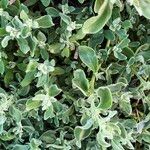
Tetragonia decumbens
Description
Source: leafsnapTetragonia decumbens (dune spinach or sea spinach) is a coastal shrub, native to southern Africa.
Care Guide
💧 Water
To properly care for Tetragonia decumbens, you need to water it carefully, considering factors such as the weather, the condition of the plant, the soil moisture, and the type of pot. During its dormant period, reduce the frequency of watering to once every one to two weeks, especially in hot or cool conditions. In summer, water the plant in the evening to help prevent root rot. Pay attention to the plant's symptoms and the weight of the soil to determine if it needs water.
☀️ Light Full sun
Coast Lettuce comes from places with plenty of sunlight, such as open fields and sunny meadows. It prefers full sun but can also tolerate partial sun.
🌡️ Temperature 20–37.8°C
For Coast Lettuce, moderate temperatures are preferable, similar to what most people find comfortable. It does best in conditions that are neither very hot nor very cold. The main problem with high temperatures is the risk of sunburn, so providing some shade in summer is recommended to prevent excessive heat. When temperatures fall, Coast Lettuce becomes dormant. If continuous growth is wanted, higher temperatures must be maintained during winter. Frost can damage the plant and should be avoided.
What is Tetragonia decumbens?
Tetragonia decumbens, also known by its botanical name Tetragonia decumbens, does not have detailed essentials, symptoms, or additional information provided. For more specific details regarding this plant, considering consulting reputable botanical resources or databases.
💨 Humidity
🪴 Soil 6-7
🌱 Fertilizer
To maximize yield, Coast Lettuce does well with regular applications of a balanced fertilizer, especially one high in nitrogen. Apply fertilizer before planting, at planting, and when seedlings are 2 inches tall. Adding compost or manure also gives a steady supply of nutrients. Insufficient soil nutrients cause underdeveloped leaves and stems, inferior flavors, thin stems, and a possibly bitter taste.
🪴 Pot & Repot
✂️ Pruning
Tetragonia decumbens is a salt-tolerant plant with a sprawling habit and succulent leaves. Pruning it in early spring can promote vigorous growth, improve air circulation by removing dead or diseased branches, and encourage a more compact shape. This practice enhances the plant's overall health and aesthetic appeal.
🌿 Propagating
🐛 Diseases & pets
☠️ Toxicity
Characteristics
- Plant Type
- Herb
- Life Cycle
- Perennial
- Genus
- Tetragonia
- Family
- Aizoaceae
- Hardiness Zone
- 9-11
- Mature Height
- 20 cm to 40 cm
- Mature Spread
- 49 cm to 91 cm
- Leaf Color
- Light Green, Pale Green
- Leaf Type
- Evergreen
- Flower Color
- Yellow
- Flower Size
- 0.51 cm to 1.02 cm
- Bloom Time
- Summer, Early fall, Mid fall
- Planting Time
- Spring, Autumn, Winter
- Harvest Time
- Late summer, Fall, Early winter
- Native Area
- South Africa, Namibia