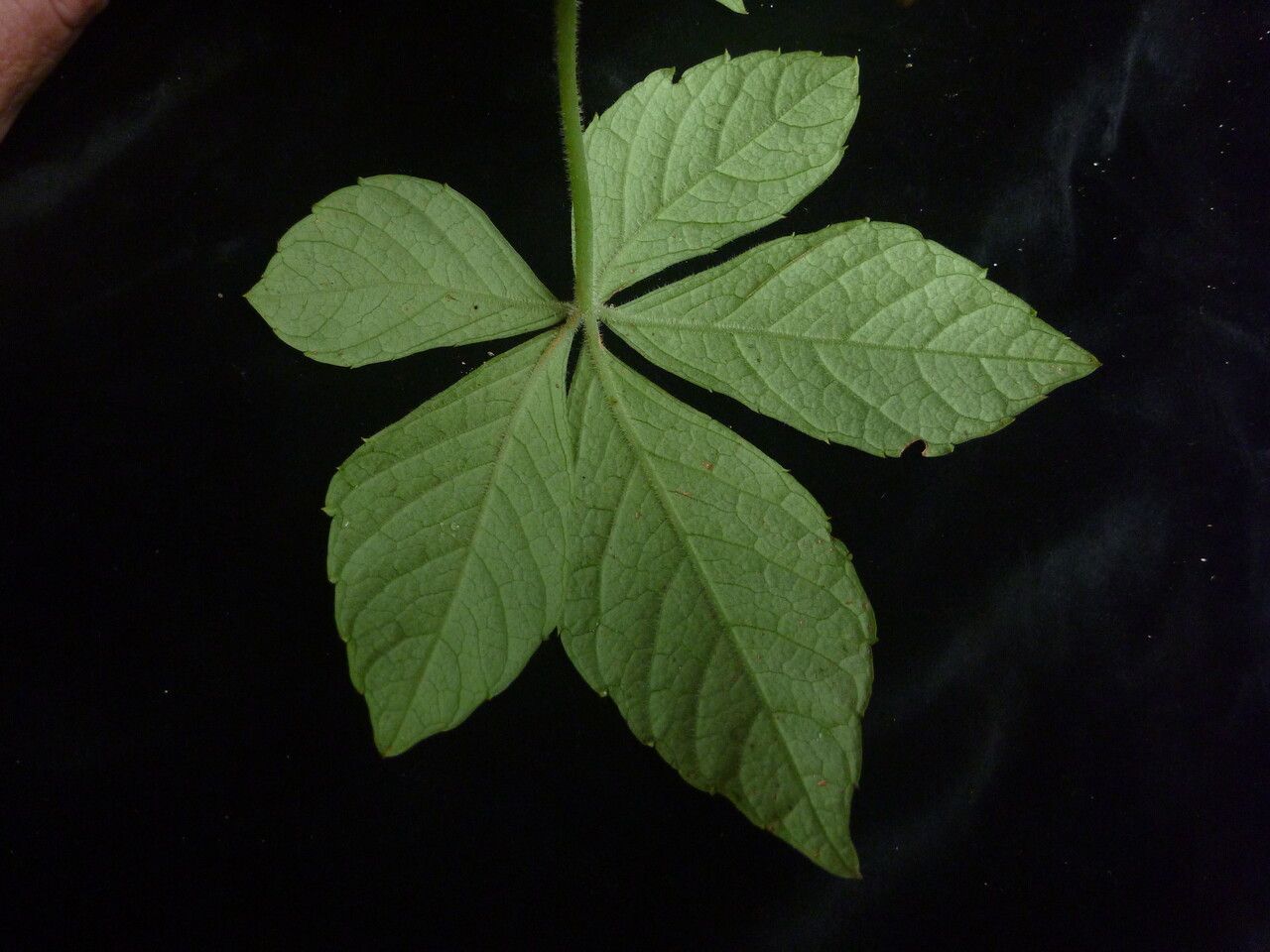
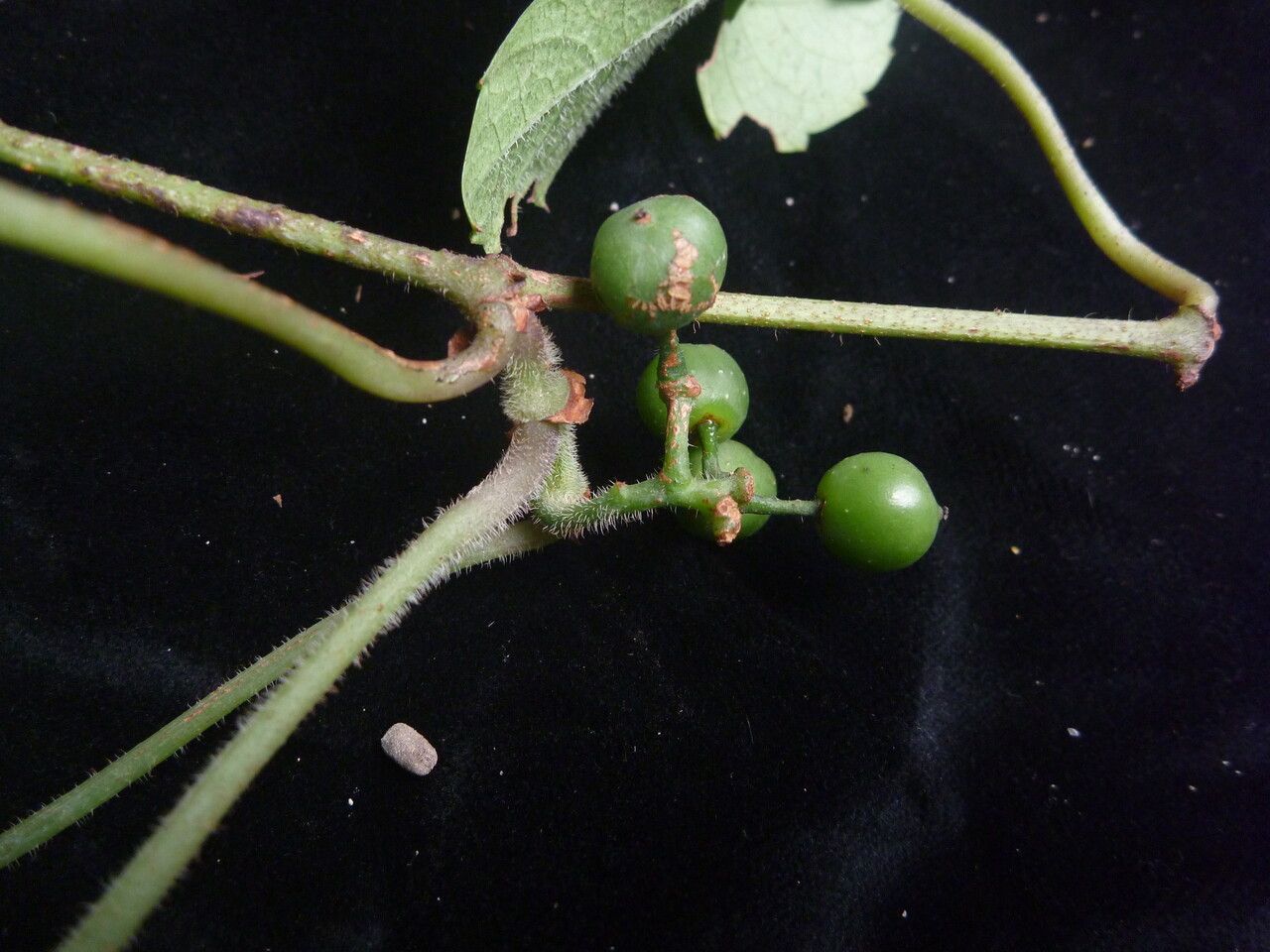
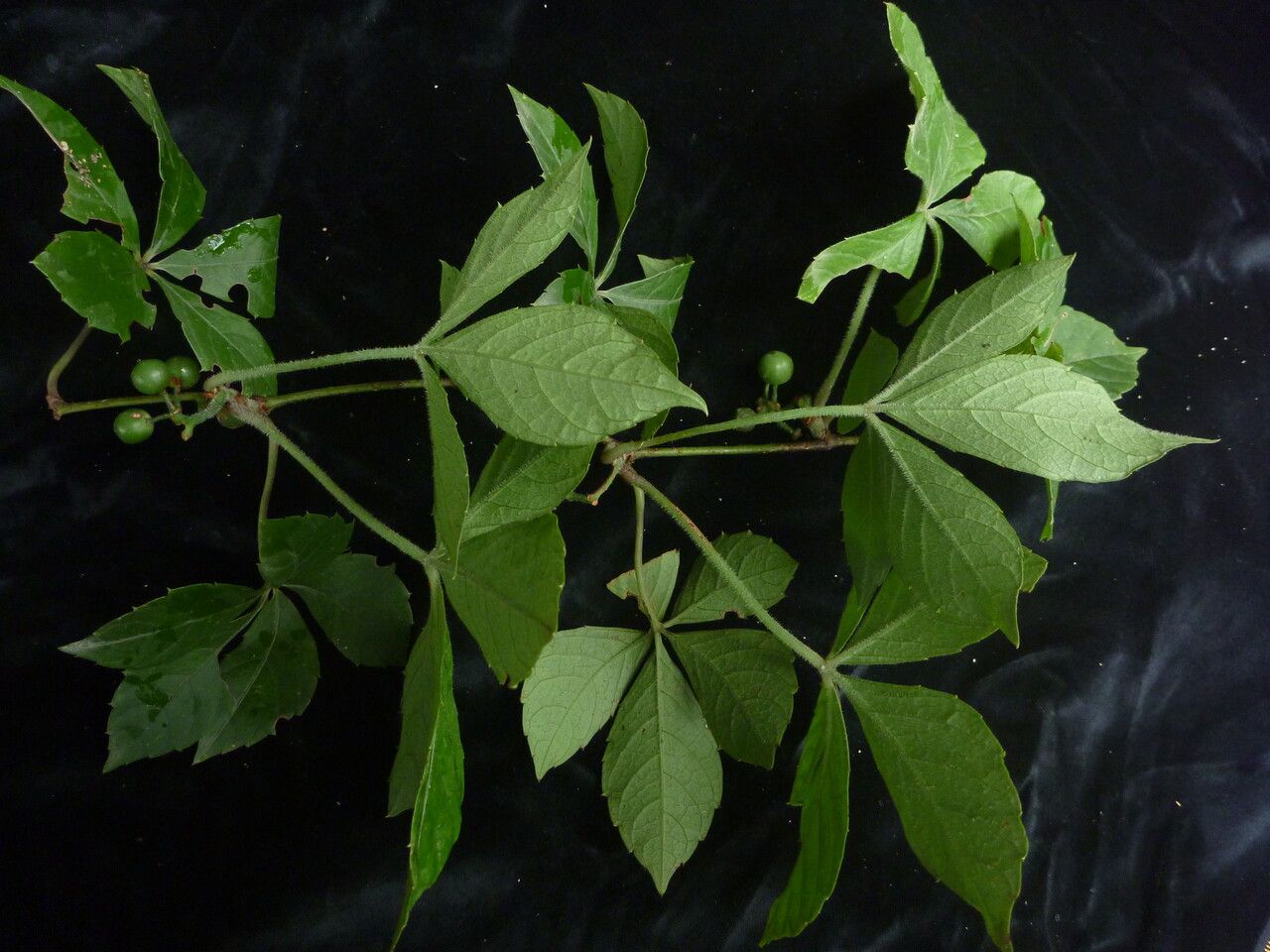
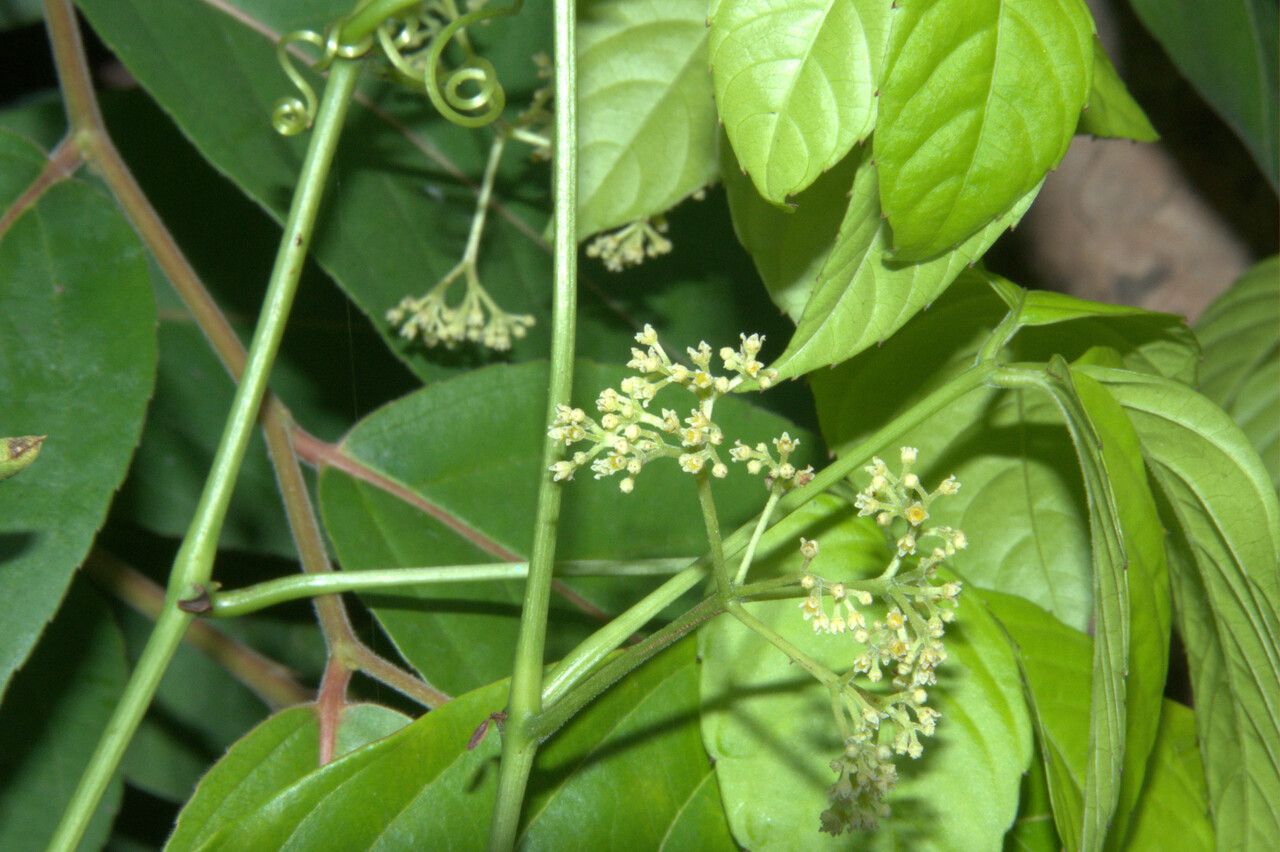
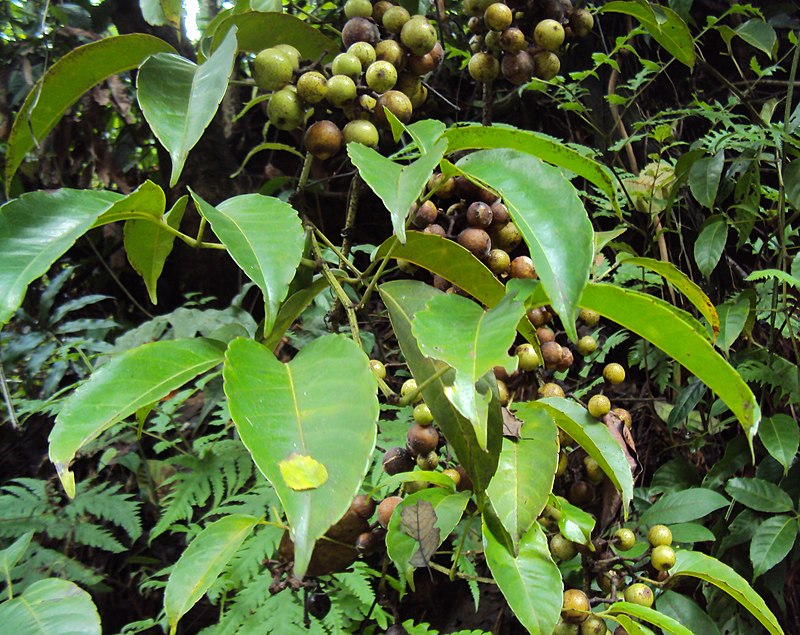
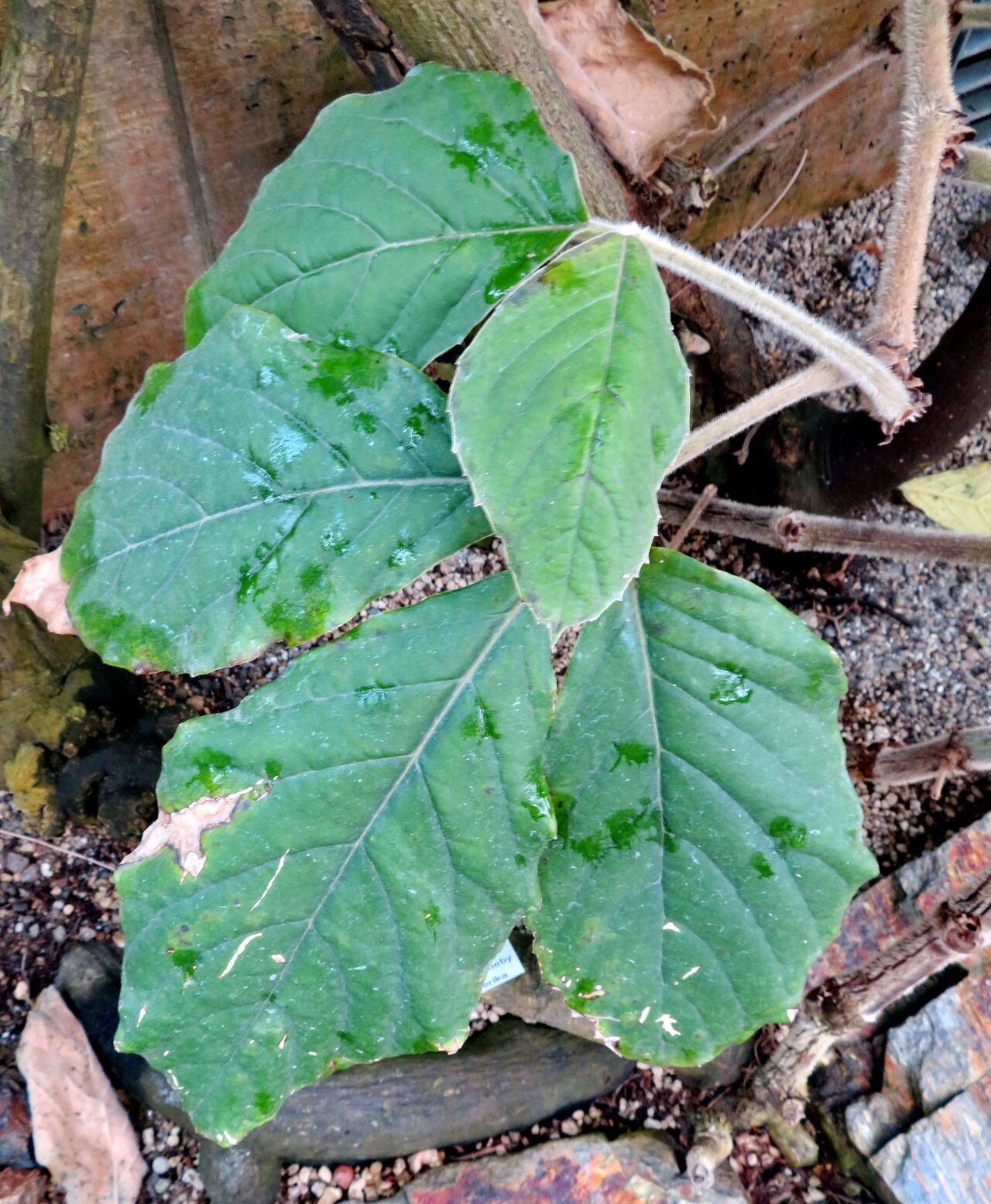
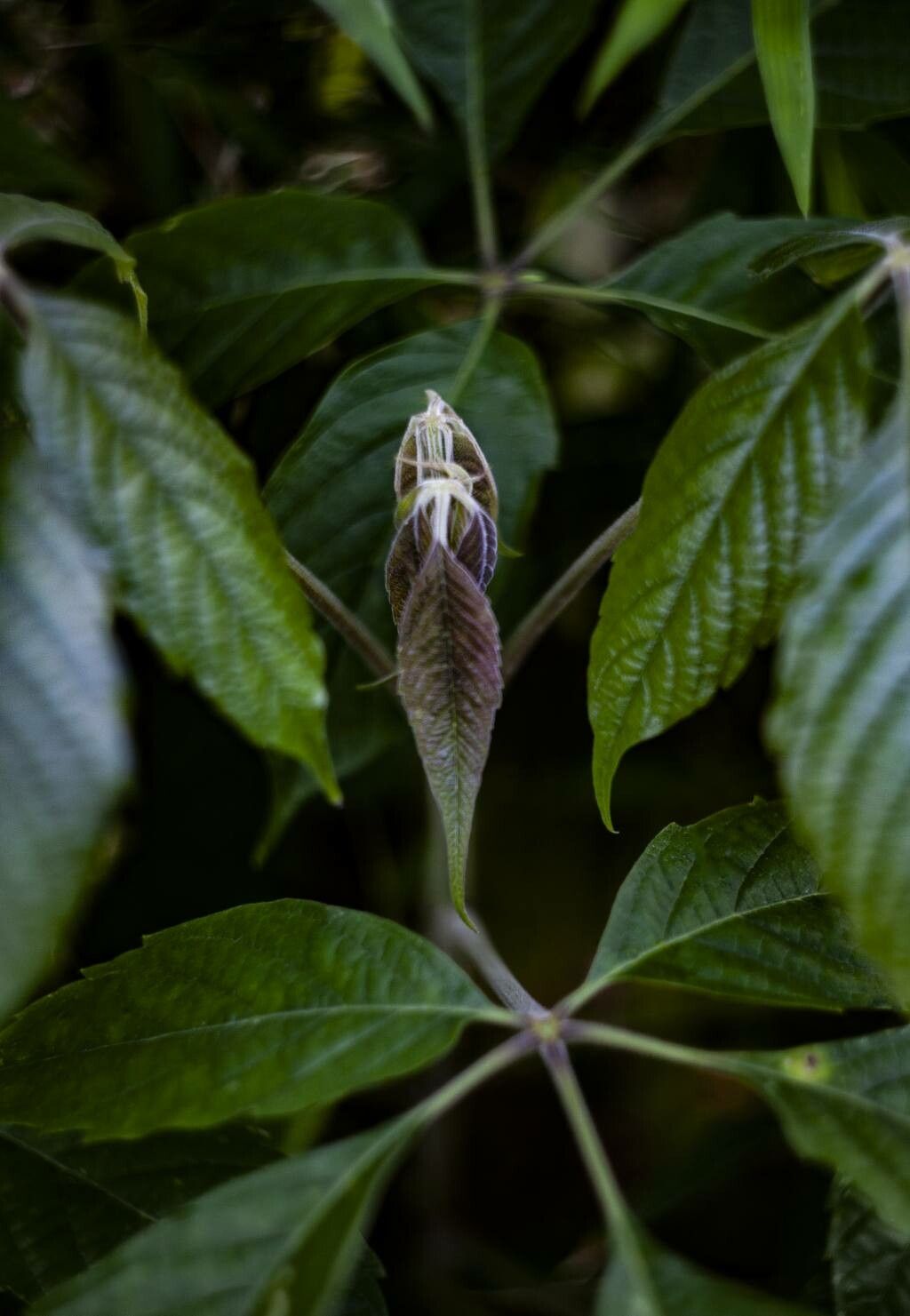
Javan grape is resistant to disease and generally does not tend to get sick. In terms of care, the plant is fairly low-maintenance. When grown outdoors it needs little watering, and larger specimens typically do not require pruning. Smaller plants, however, should be pruned after they finish blooming. Javan grapet is appropriate for anyone with an outdoor area, such as a garden or deck, and does not need extensive care experience.
How to keep Tetrastigma Obtectum.
Light
Javan grape prospers in places with moderate light exposure. However, it can readily survive without moderate light, demonstrating its adaptability. Its original habitat consists of areas with variable lighting conditions. Excessive or insufficient light has little effect on the plant’s growth, highlighting its resilience.
Water
The Javan grape, native to humid regions, needs consistent moisture and is sensitive to drought. To maintain the necessary humidity, it should be watered every three weeks. As an evergreen plant, the Javan grape keeps its foliage throughout the year, so it's important to water it carefully during the growing season to support ongoing leaf production.
Temperature
Javan grape originates from temperate regions and does best in temperatures ranging from 68 to 100.4 °F (20 to 38 ℃). During cooler months, a bit of extra warmth can be advantageous, whereas the hottest part of summer may call for shading.
Fertilizer
The optimal period to fertilize a Javan grape is at the onset of spring, as it awakens from its dormant state. This action improves the overall growth and development of flowers. The fertilization process encourages the growth of leaves, stems, and branches, while promoting bigger, brighter, and more enduring flowers. It assists in moving nutrients from the roots up to the flowers, and improves the overall wellbeing of the plant and its ability to resist disease.
Pruning
The Javan grape is a vigorous climber known for its lush foliage and grape-like clusters. To encourage healthy growth and maintain an attractive shape, it’s important to prune the plant in early spring. This involves removing any dead or weak stems, which improves air circulation and allows more sunlight to penetrate. As a result, the plant is less susceptible to disease and remains robust and visually appealing.
Botanical profile.
- Plant Type
- Vine
- Life Cycle
- Perennial
- Genus
- Tetrastigma
- Family
- Vitaceae
- Hardiness Zone
- 9-12
- Mature Height
- 3.66 m
- Mature Spread
- 2.44 m
- Leaf Color
- Green
- Leaf Type
- Evergreen
- Flower Color
- White, Green
- Flower Size
- 0.25 cm to 0.51 cm
- Bloom Time
- Early summer, Mid summer
- Planting Time
- Summer, Autumn
- Harvest Time
- Late summer, Early fall, Mid fall
- Native Area
- Nepal, India, Vietnam, Myanmar, Bhutan, China
Reader questions.
What are the sunlight requirements for Javan grape?
The Javan grape (Tetrastigma obtectum) thrives in partial sun, requiring about 3-6 hours of sunlight daily. It's essential to observe the movement of sunlight through your garden to find spots that offer a balance of light and shade, ensuring optimal growth for your plants. Despite its preference for moderate light exposure, the Javan grape's adaptability allows it to grow in various light conditions without significantly impacting its growth, highlighting its resilience.
What is the preferred temperature range for the Javan grape?
The Javan grape, scientifically known as Tetrastigma obtectum, thrives in temperate climates, finding its ideal temperature range between 68 to 100.4 °F (20 to 38 °C). It is essential to provide some warmth during cooler months while shielding the plant from excessive heat by offering shade during peak summer temperatures to ensure optimal growth. The Javan grape is extremely heat-loving, but it is crucial to maintain temperatures above 20°C, especially during winter, to facilitate healthy growth. The plant should be protected from any cold temperatures, and it is advisable to bring outdoor-grown Javan grapes indoors during autumn, placing them near a bright window but at a safe distance from any direct heat sources like heaters. It is necessary to avoid temperatures approaching or dropping below 0°C to prevent damage to the plant.
How does artificial lighting support indoor Javan grape plants?
Indoor Javan grape plants can benefit greatly from artificial lighting, especially when natural sunlight is insufficient, such as during winter or in less sunny spaces. Artificial lights, particularly LED lights, can be customized to provide the specific wavelengths needed for optimal growth. For plants, the amount of artificial light required varies by type: full sun plants need 30-50W/sq ft, partial sun plants need 20-30W/sq ft, and full shade plants need 10-20W/sq ft of artificial light. Setting the light source 12-36 inches above the plant and mimicking the length of natural daylight hours (8-12 hours per day) are crucial steps for promoting healthy growth indoors.
How should you care for a Javan grape plant during low temperatures?
In the event of low temperatures, it's critical to take several steps to protect your Javan grape plant. This plant prefers warm environments and does not tolerate low temperatures well, thriving best when temperatures remain above 20°C. It is particularly vulnerable during winter and should be kept in conditions above 0°C to avoid damage. If temperatures fall below -5°C, you may notice the leaves lightening in color, which post-frost can turn brown or black, accompanied by wilting and drooping. To mitigate these effects, you should trim off frost-damaged parts and move the plant to a warmer, indoor setting. Placing the plant near a south-facing window will ensure it receives ample sunlight. Furthermore, it's advisable to keep the plant away from heaters or air conditioning vents to prevent the air around it from becoming excessively dry.
What are some common symptoms of improper light exposure in Javan grape plants?
Javan grape plants may exhibit several symptoms due to improper light exposure. Insufficient light can lead to smaller new leaves, leggy or sparse growth, faster leaf drop, slower or no new growth, and lighter-colored or irregularly patterned leaves. In contrast, too much sunlight can cause chlorosis (yellowing of leaves), sunscald, leaf curling, wilting, and leaf scorching. These symptoms reflect the plant's struggle to adapt to its lighting conditions, impacting its overall health and growth.
What should you do if a Javan grape plant suffers from high temperatures?
During summer, it's crucial to ensure that the Javan grape plant is not exposed to temperatures exceeding 38°C as it becomes more vulnerable to issues like leaf lightening and sunburn when temperatures surpass 43°C. Should the plant experience these conditions, the affected, sunburned, and dried-up parts should be carefully trimmed away. Relocate the plant to a spot where it can be protected from direct midday and afternoon sun to prevent further damage. Additionally, to assist in maintaining optimal soil moisture, water the plant during the cooler parts of the day, such as in the morning and evening. These steps will help in managing the stress high temperatures place on the plant and in promoting its recovery and continued healthy growth.
What are the solutions for addressing light exposure issues in Javan grape plants?
To address light exposure issues in Javan grape plants, gradually adapt them to changing light conditions. For indoor plants, move them to sunnier spots each week until they receive 3-6 hours of direct sunlight daily or utilize artificial lighting for at least 8 hours a day. Outdoors, similarly adjust the plants' exposure to sunlight each week to avoid sunburn. Reducing obstructions like tree branches can also improve sunlight access. In cases of insufficient sunlight, some parts of the plant may not recover, but new growth will be healthy after adjusting the light exposure.