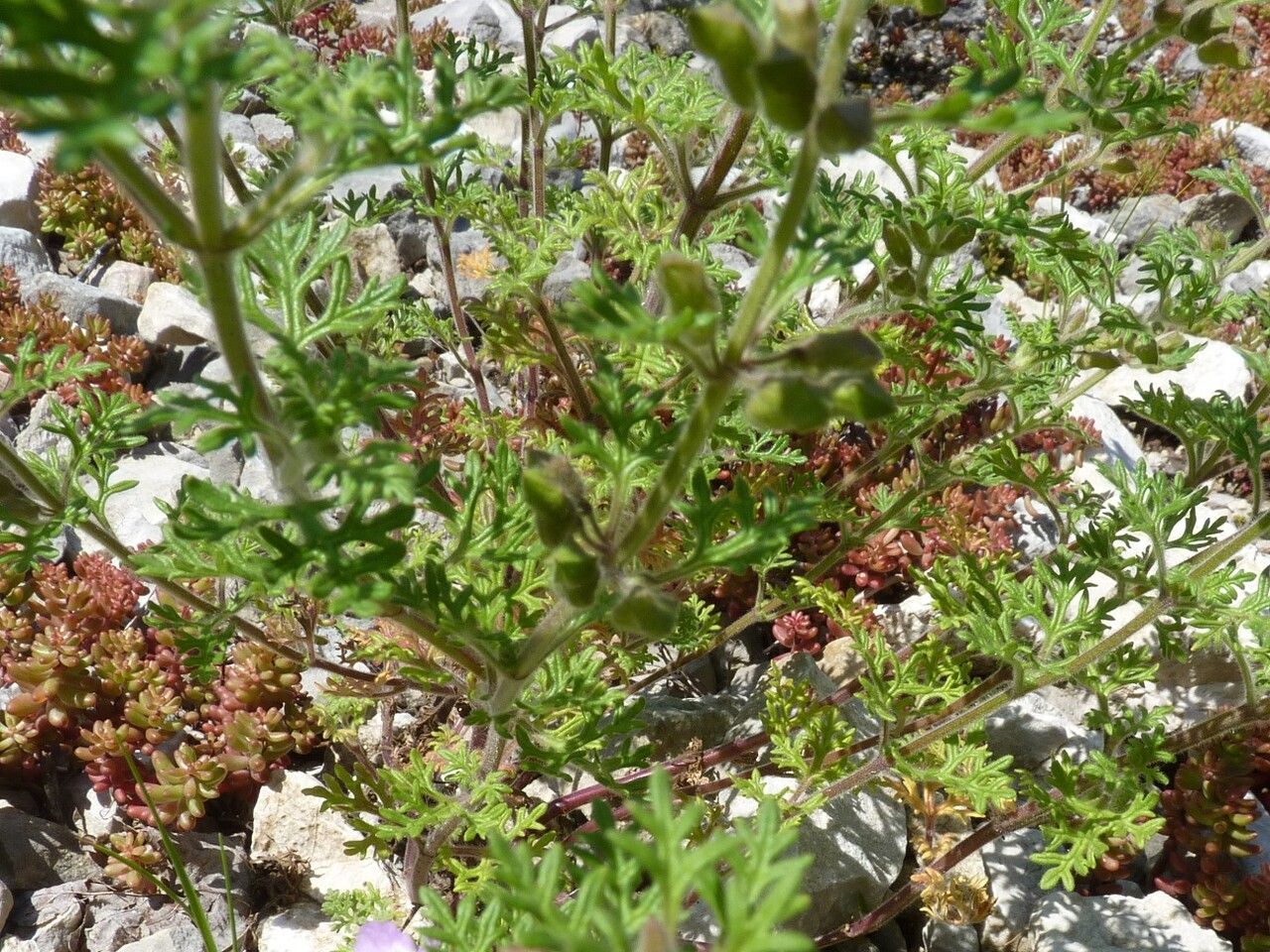
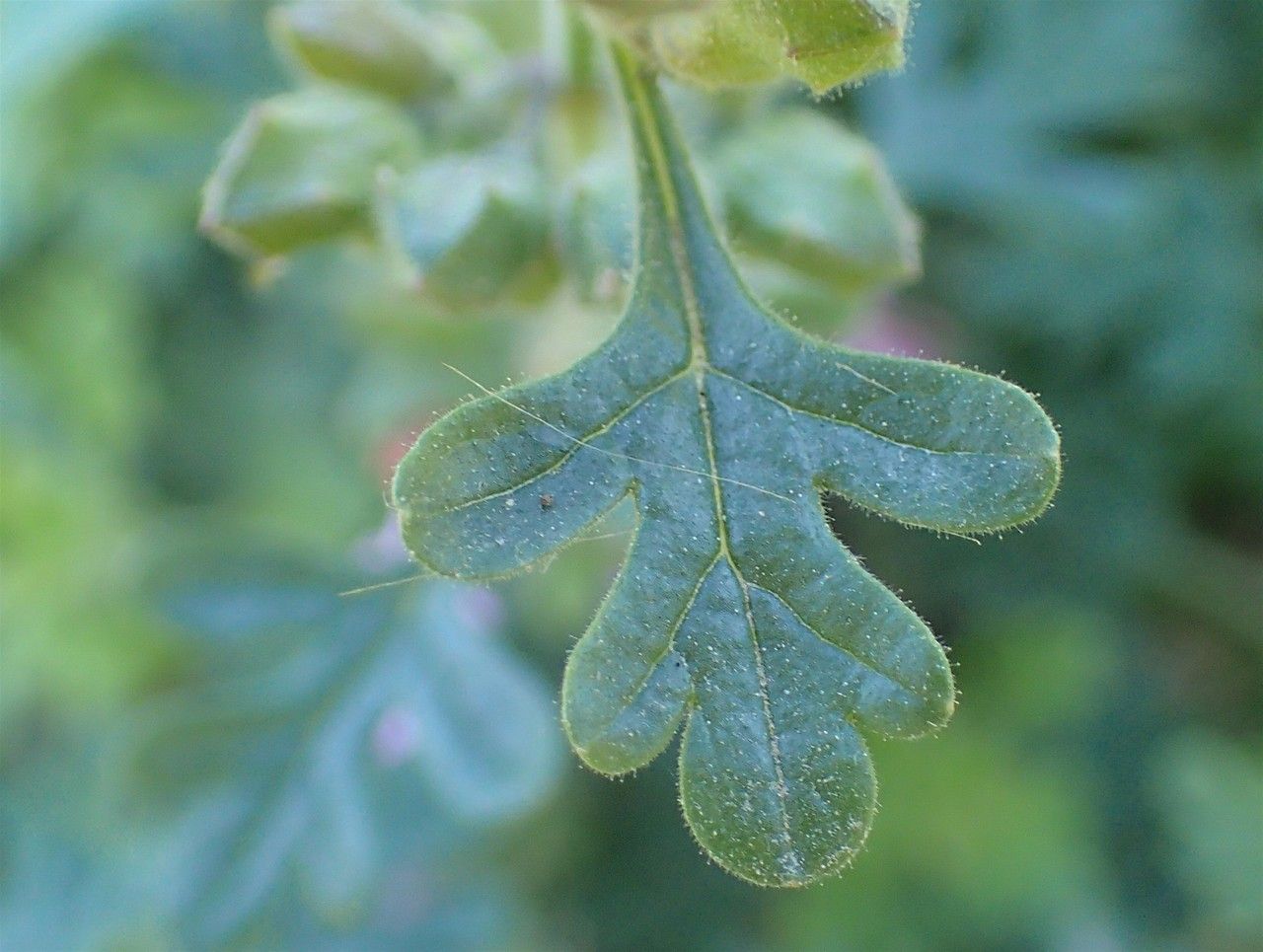
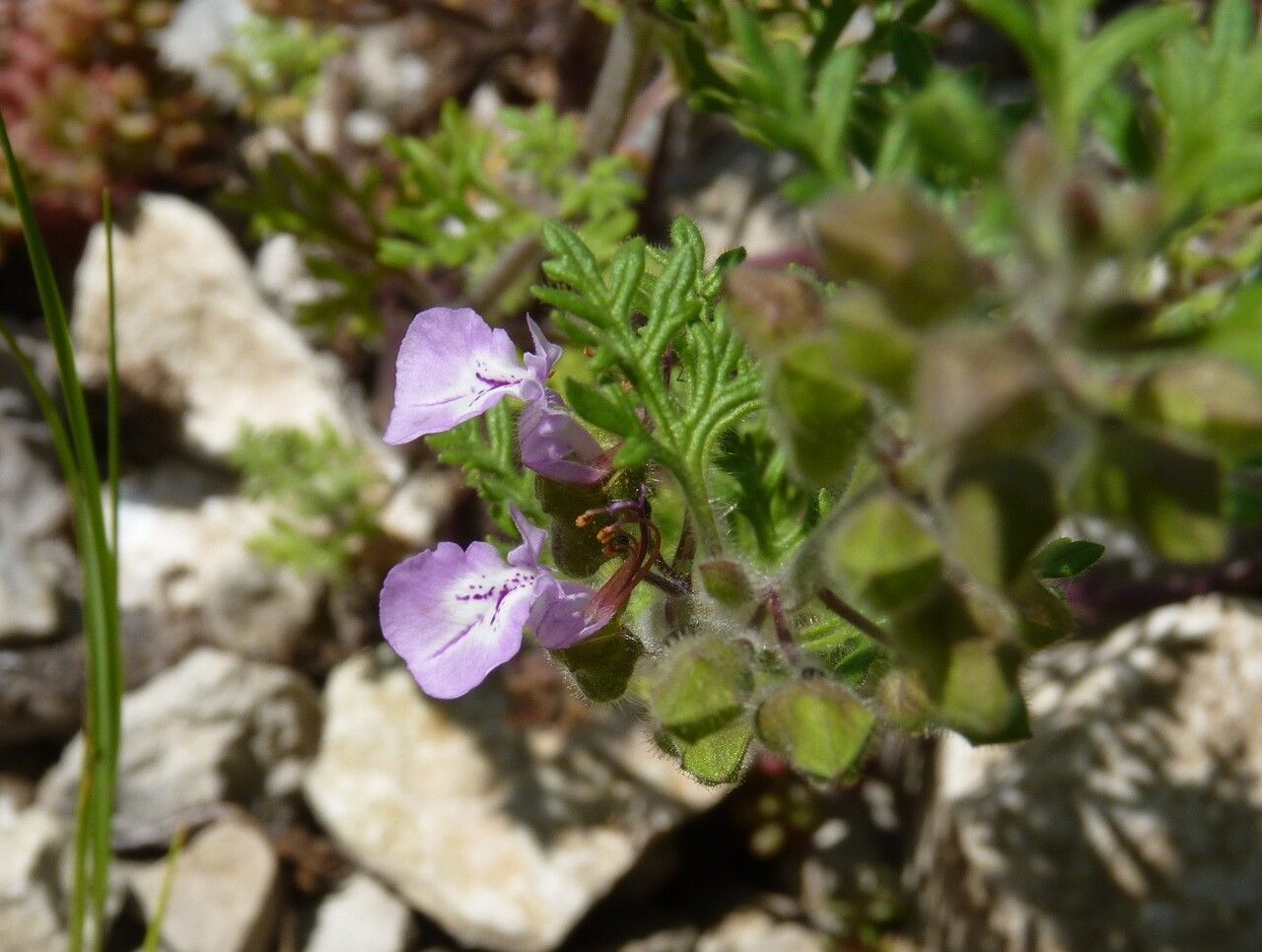
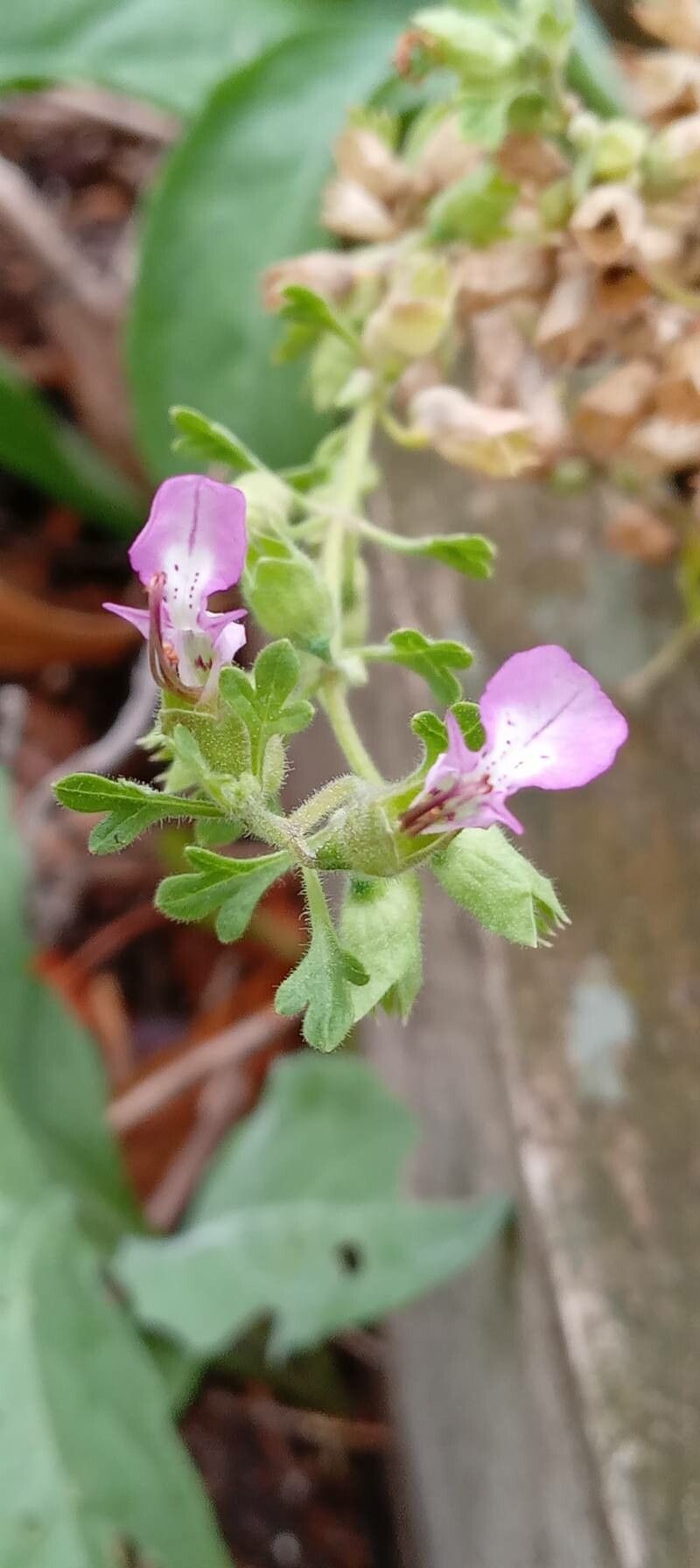
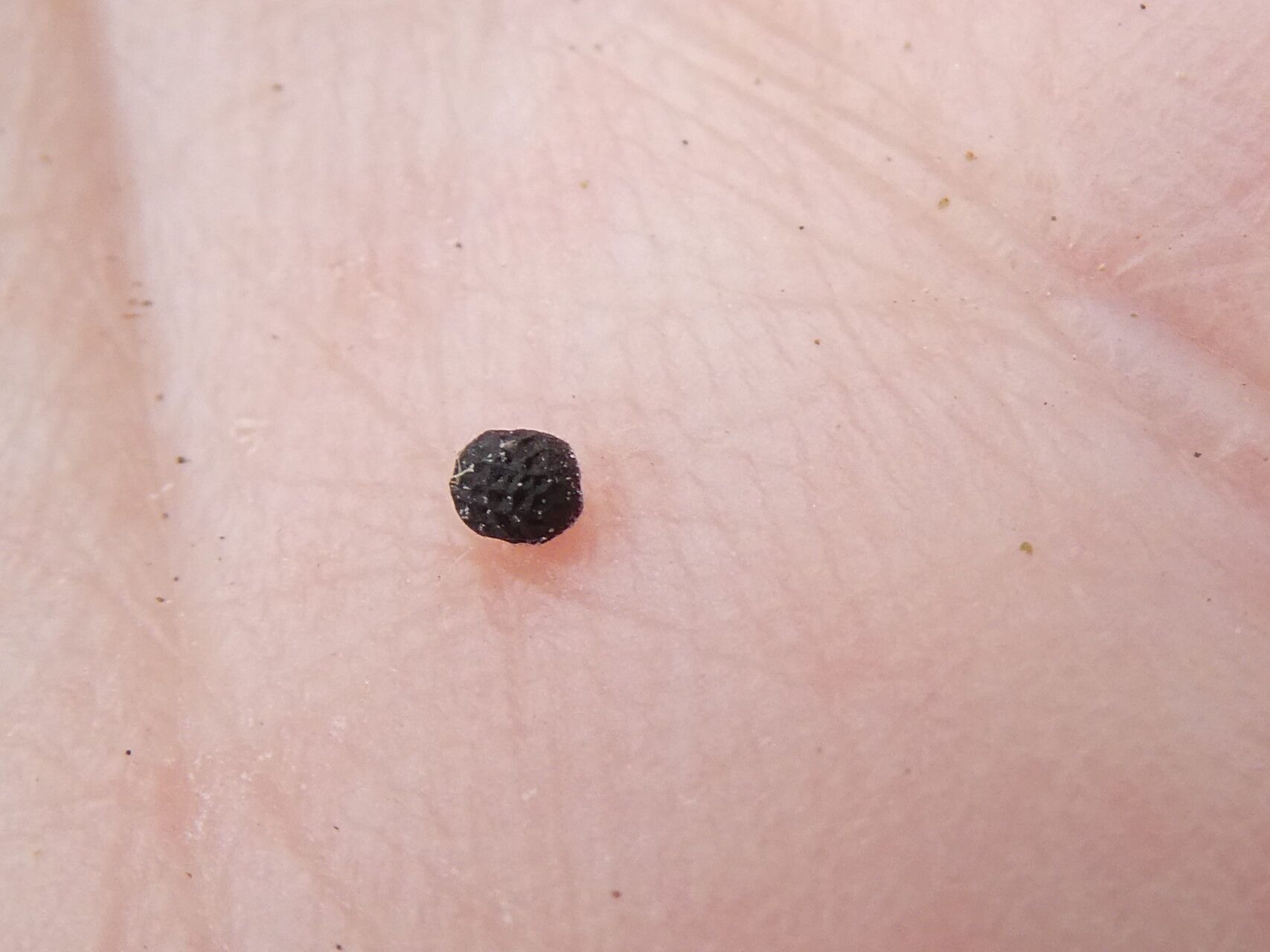
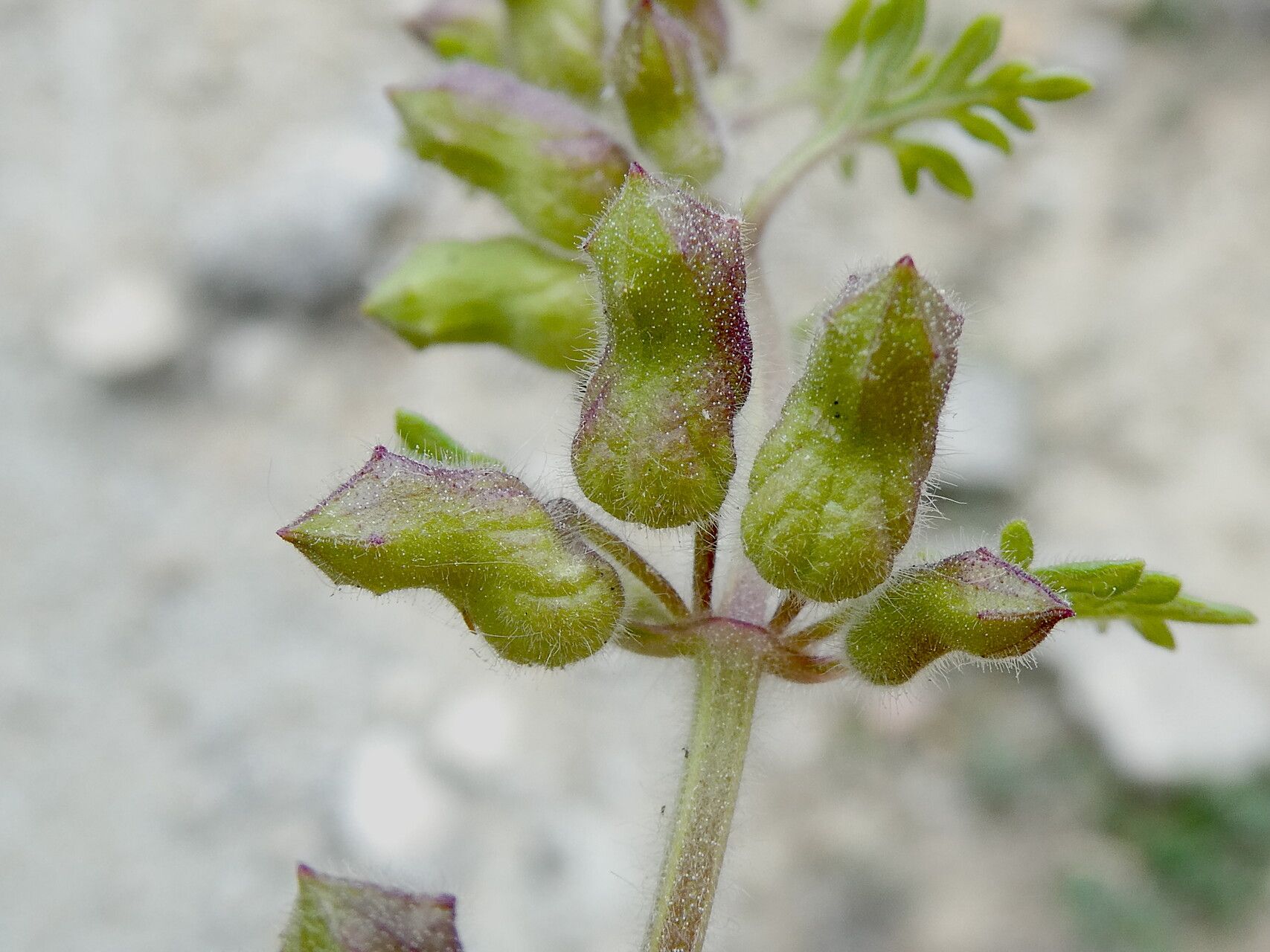
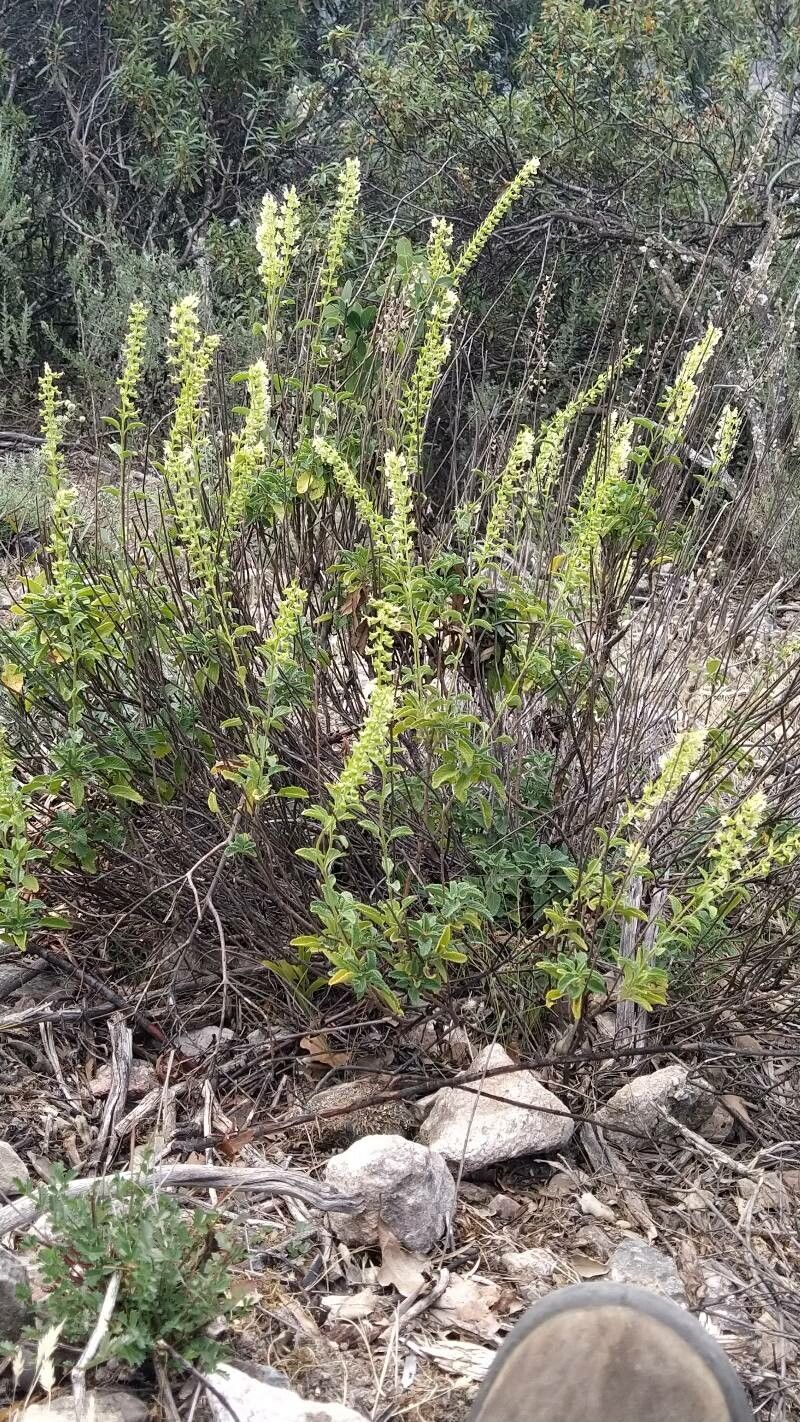
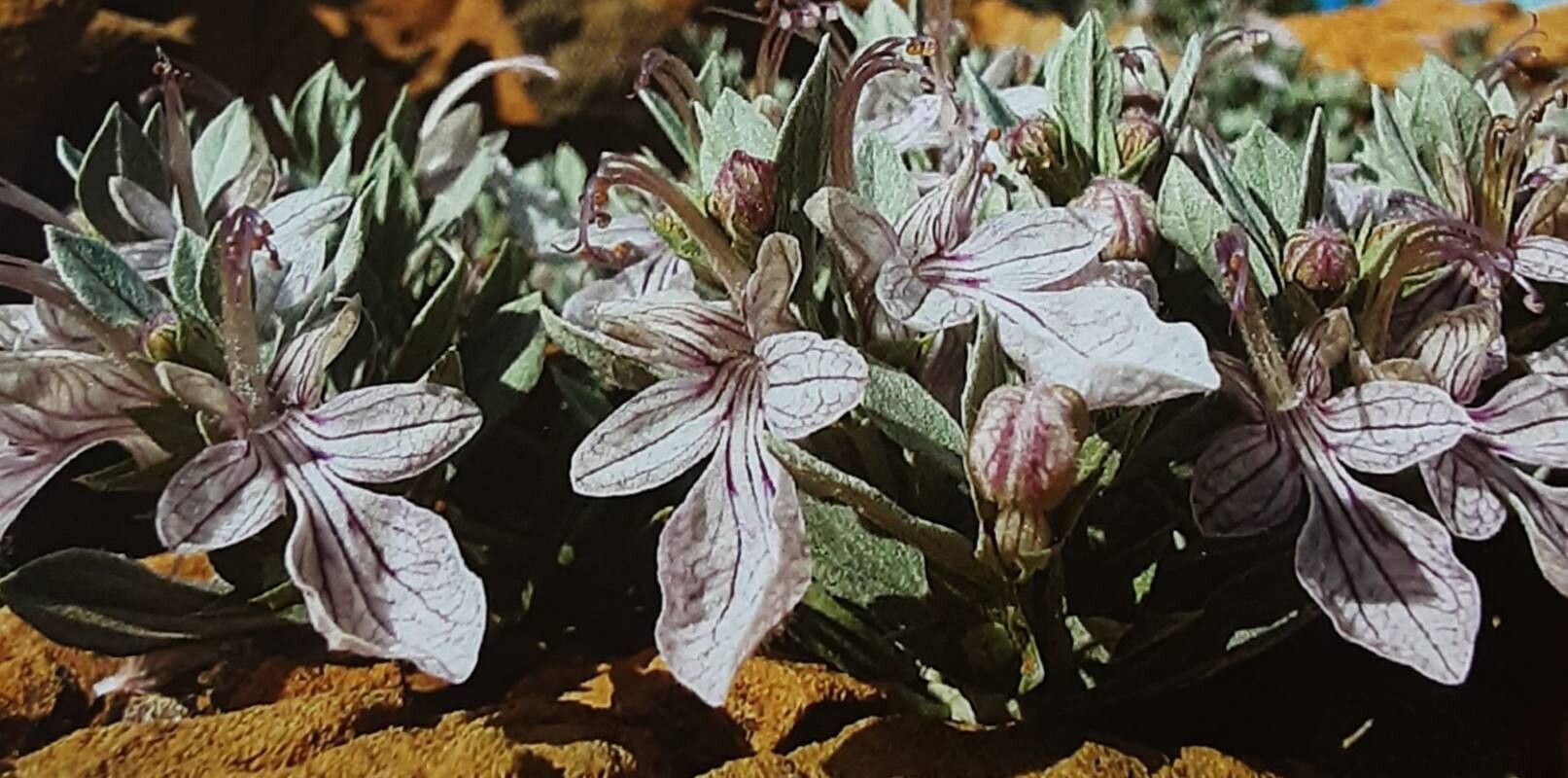
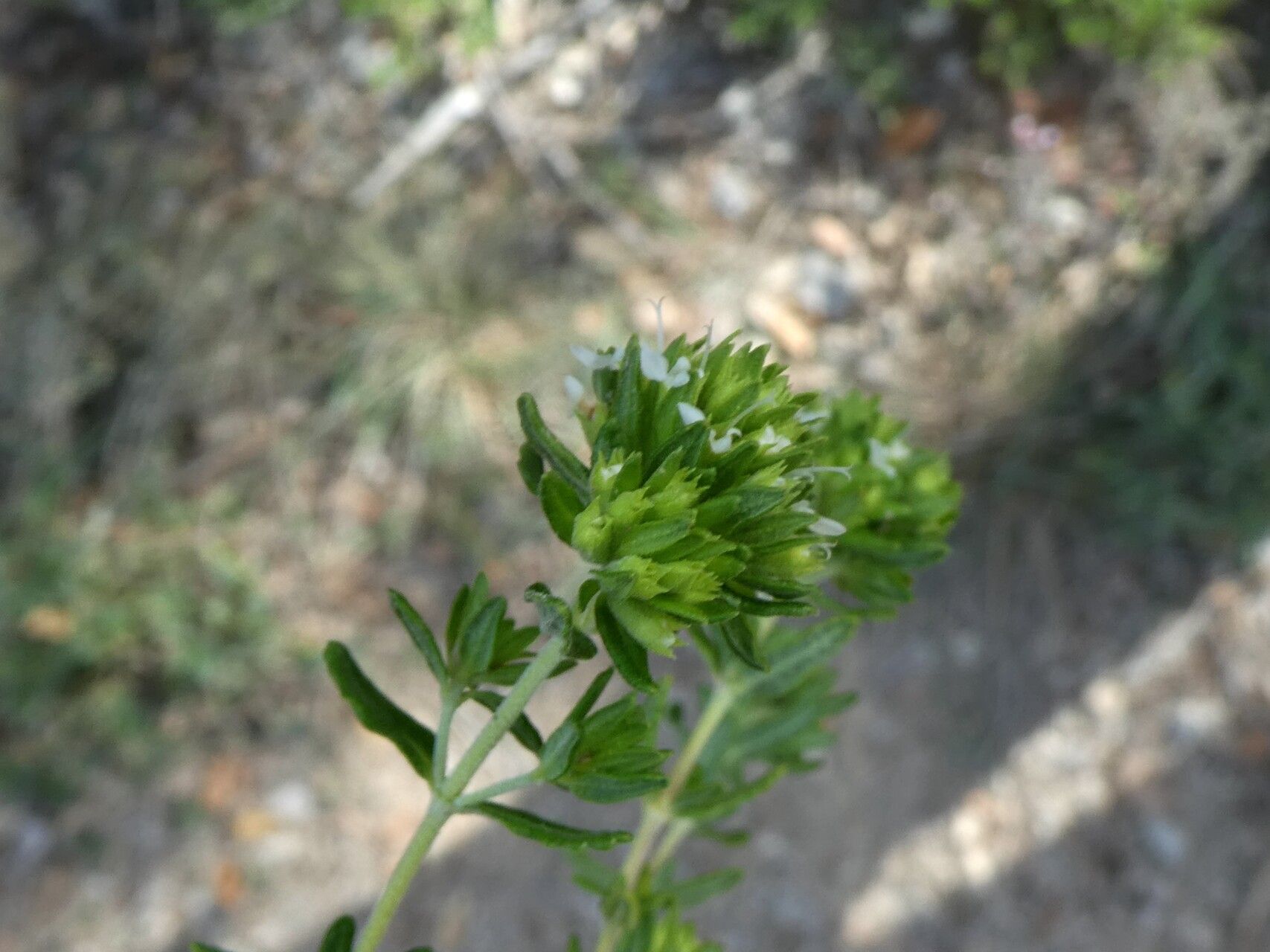
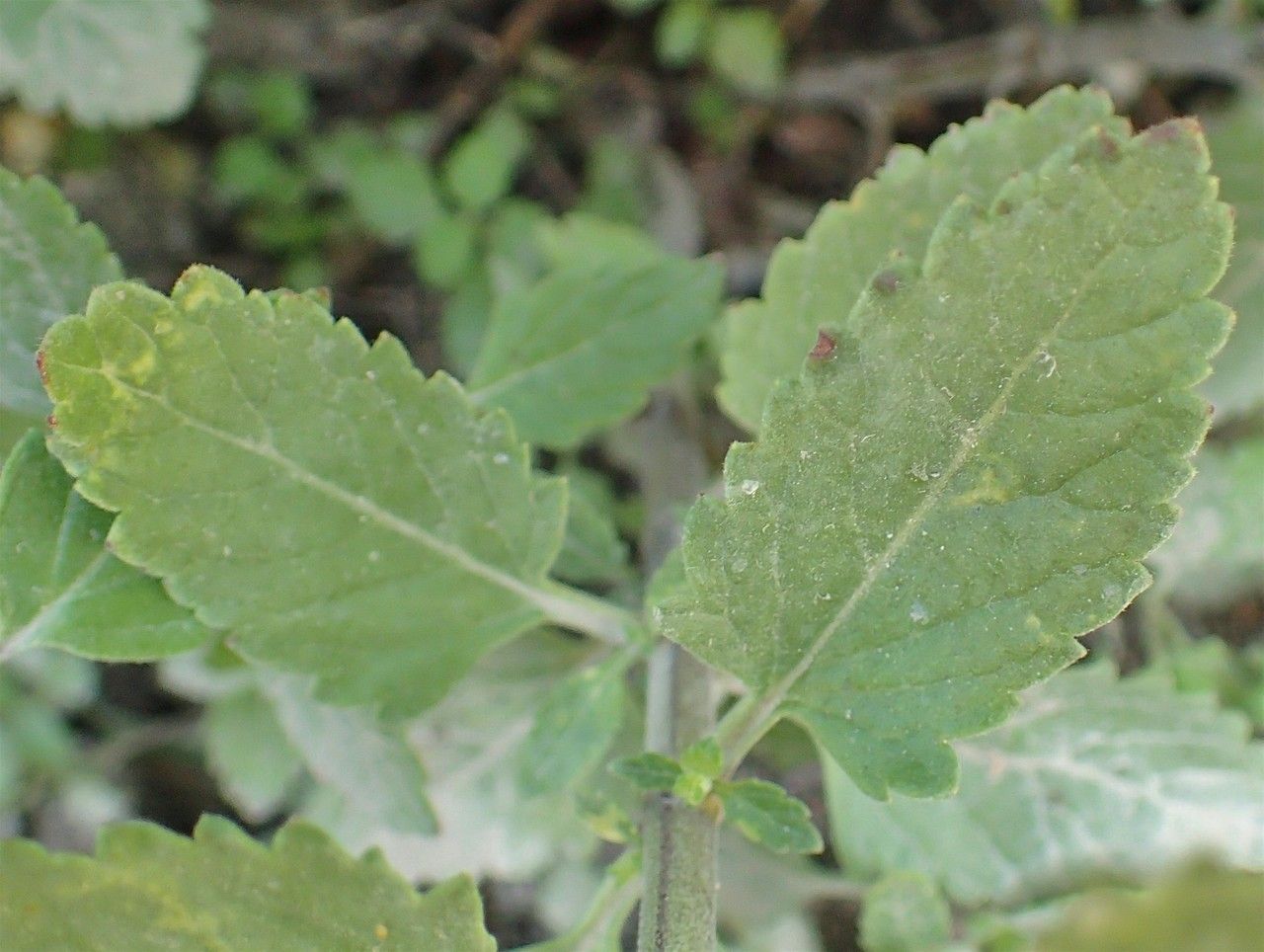
Teucrium botrys, the cutleaf germander or cut-leaved germander is a low to short downy annual, sometimes biennial, plant. It was noted by Carl Linnaeus in 1753 and is classified as part of the genus Teucrium in the family Lamiaceae. It has oval, but deeply cut leaves, which appear almost pinnate in form. Its flowers are two-lipped but with the upper lip diminutive. They are pink to purple and form from the stem at the base of the leaves, in whorls. It is in flower in the northern hemisphere from June to October. It prefers limy soils and bare stony ground. It is native to Western Europe, especially France and Germany. It has been introduced into north-eastern North America.
Cutleaf germander is fairly resistant to disease and typically does not suffer from many illnesses. Still, it can be affected by pests and diseases present in its environment. These problems are usually mild. In terms of care, the plant needs a moderate level of maintenance. Regular pruning is required to keep a neat appearance and support healthy growth. Fertilizing can also encourage flowering. Cutleaf germander is appropriate for anyone with outdoor space, like a garden or patio, and does not demand extensive gardening experience. It may need more attention if kept indoors.
How to keep Teucrium Botrys.
Light
Cutleaf germander does best with ample sunlight, reflecting the bright conditions of its native habitat. Too much or too little light can harm its development. Its light requirements do not significantly change during its growth stages. The plant is adapted to grow in sunny conditions.
Water
Cutleaf germander, originating from the Mediterranean, has a moderate tolerance for drought. However, it thrives best with regular moisture. Watering it weekly helps keep it healthy, and rainwater can boost its growth. Although usually grown outdoors, this herb benefits from consistent hydration to maintain its vigor.
Temperature
Cutleaf germander can tolerate a wide range of temperatures, but its distribution may still be restricted by different combinations of moisture and heat. It grows best in warm summer climates with sufficient rainfall or irrigation. Extended periods of cloudy, rainy weather or prolonged high heat can raise the chance of Cutleaf germander dying. In winter, adequate protection from cold can increase the plant's survival rate.
Fertilizer
When most of the Cutleaf germander’s flowers have opened and reached full size, resume fertilizing. During peak bloom, feed it every three to four weeks, weather permitting. After the plant begins producing fewer new flowers, stop fertilizing; there’s no need to apply fertilizer when it can no longer produce additional blooms.
Pruning
Cutleaf germander features deeply lobed leaves and lavender-pink flowers. Pruning during early to late spring promotes bushy growth, removes spent flowers, and eliminates dead branches. The benefits of pruning include improved aesthetics, better air circulation, and a reduced risk of pests and diseases.
Botanical profile.
- Plant Type
- Herb
- Life Cycle
- Annual
- Genus
- Teucrium
- Family
- Lamiaceae
- Hardiness Zone
- 5-9
- Mature Height
- 10 cm to 30 cm
- Mature Spread
- 15 cm to 25 cm
- Leaf Color
- Green
- Leaf Type
- Evergreen
- Flower Color
- Pink
- Flower Size
- 0.76 cm to 1.27 cm
- Bloom Time
- Summer
- Planting Time
- Spring, Autumn
- Harvest Time
- Late summer, Early fall, Mid fall
- Native Area
- Austria, Czech Republic, Slovakia, Poland, Croatia, Slovenia, Morocco, Ukraine, Serbia, Hungary, Germany, Italy, Spain, Switzerland, France, United Kingdom, Romania, Algeria, Belgium, Netherlands
Other names.
Reader questions.
How should I water my Cutleaf germander?
Cutleaf germander can be watered using various tools, such as a garden hose with a spray nozzle or a watering can. This plant is not too particular about the type of water it receives, as it can thrive on rainwater, tap water, or filtered water. It is advisable to avoid watering this plant from overhead, as this can harm the leaves and flowers and potentially cause disease. A drip irrigation system is often the best way to water Cutleaf germander, as it distributes water evenly and directly to the soil. If you have a Cutleaf germander growing in a container, you can use a cup, watering can, or tap water to water it directly at the soil level.
Why should I put fertilizer on my Cutleaf germander?
Some plants can get all the nutrients they need to grow without any additional fertilizers, but others, like cutleaf germander, require supplementation. Cutleaf germander, like all plants, needs nutrients for growth and internal processes. The main nutrients that plants need are nitrogen, phosphorus, and potassium, and for foliage growth, nitrogen is especially important. However, it can be challenging for cutleaf germander to obtain enough nitrogen from the soil alone. Therefore, many gardeners choose to provide extra nitrogen through fertilizers when caring for cutleaf germander.
What are the sunlight requirements for Cutleaf Germander?
Cutleaf Germander requires full sun, meaning it needs above 6 hours of sunlight daily to thrive. It's important to watch how sunlight moves through your garden to pick spots that offer a balance of light and shade, ensuring your plants remain happy and healthy. Remember, this plant mirrors its native, sun-soaked settings, and any excess or lack of sunlight could negatively influence its growth.
What should I do if I give my Cutleaf germander too much water or too little water?
The remedy for underwatering Cutleaf germander is straightforward. If you notice your plant is lacking moisture, start watering it more regularly. On the other hand, overwatering can be a more serious problem if not caught early. Overwatered Cutleaf germander can become susceptible to diseases that can cause its decline and death. To prevent this, choose a suitable spot for growth that receives enough sunlight to dry the soil and has proper drainage to avoid waterlogging. If you have overwatered a potted Cutleaf germander, you may need to transfer it to a new pot. The previous container may not have provided adequate soil drainage or enough drainage holes. When repotting the overwatered plant, make sure to use loose soil and a pot that drains efficiently.
When should I fertilize my Cutleaf germander?
To help Cutleaf germander thrive, it is recommended to apply fertilizer approximately once a month during the spring and summer months. This should be done when the plant is actively growing and showing signs of new growth. However, it is important to note that Cutleaf germander becomes less active during the fall and winter, so fertilization is not necessary during those times. Whether the plant is grown outside or indoors in a container, the same fertilization schedule applies. If your Cutleaf germander is in a container, you may not need to fertilize for the first one to two months as the potting soil typically contains enough nutrients. Once the plant has been in the same soil for a while, you can start fertilizing to provide it with an extra boost.
How does artificial lighting affect the growth of indoor Cutleaf Germander plants?
Indoor Cutleaf Germander plants require adequate lighting for optimal growth, especially when natural sunlight is insufficient, such as during winter or in less sunny spaces. Artificial lights, particularly LED lights that can provide specific wavelengths, offer a vital solution. Full sun plants need 30-50W/sq ft, partial sun plants need 20-30W/sq ft, and full shade plants need 10-20W/sq ft of artificial light. The light source should be placed 12-36 inches above the plant and kept on for 8-12 hours per day to mimic natural sunlight conditions.
How frequently do I need to water my Cutleaf germander?
Cutleaf germander requires regular watering throughout its growing season. In spring, watering once a week is sufficient. As the season progresses and temperatures rise, you may need to increase watering to two or three times a week. However, exceeding this watering frequency can harm the plant. Regardless of the watering schedule, it's important to keep the soil relatively moist but not wet. Watering a potted cutleaf germander is slightly different. Potted soil tends to dry out faster, so it's generally necessary to water container-grown plants a few times per week compared to just once per week for plants in the ground.
When is the best time to not fertilize my Cutleaf germander?
To ensure the health of your Cutleaf germander, avoid fertilizing it if it is not in good condition. This includes instances where it has a disease or is plagued by insects. Additionally, refrain from fertilizing a dehydrated plant, as it can worsen the issue. Only administer fertilizer to plants that are already healthy. When watering, take care not to splash fertilizer onto the leaves or stem, as this can result in burned spots. Unless you are specifically using a foliage-friendly fertilizer, avoid direct contact between the plant and the fertilizer.
What are the symptoms of insufficient or excessive sunlight in Cutleaf Germander?
When Cutleaf Germander is exposed to inadequate light, it may grow smaller leaves, exhibit leggy or sparse growth, drop older leaves prematurely, show slower or halted growth, develop lighter-colored or yellow leaves (chlorosis), and suffer from sunscald, leaf curling, wilting, and leaf scorching. These symptoms reflect the plant's struggle to adapt to less than ideal light conditions. Conversely, excessive sunlight can damage the plant's ability to photosynthesize effectively.
How much water does my Cutleaf germander plant need?
Determining the amount of water to give your Cutleaf germander can be approached in a few different ways. One method is to feel the soil to gauge its moisture level, and water until the first six inches of soil feel moist. Another approach involves using a set measurement, such as about two gallons per week, depending on the temperature and soil dryness. However, adhering strictly to these guidelines may result in overwatering if your plant needs less water. When growing Cutleaf germander in a container, a different method is needed. Moistening all the dry soil layers is recommended, which can be checked by inserting a finger into the soil or watering until excess water trickles from the drainage holes.
What kind of fertilizer does my Cutleaf germander plant need?
Fertilizers are packed with important nutrients like nitrogen, potassium, phosphorus, iron, manganese, and zinc. These elements are essential for promoting growth in Cutleaf germander. For this specific plant, it is recommended to use a balanced fertilizer like an all-purpose one with a 10-10-10 NPK ratio. Natural fertilizers such as blood meal or worm castings also work well. Alternatively, you can opt for a fertilizer that has a higher nitrogen content, like fish fertilizer. Nitrogen helps support leaf growth, which is usually the main goal when growing Cutleaf germander. If your aim is not to encourage flower or seed production, there is no need to provide excessive supplements for those aspects.
How can I manage sunlight exposure for my Cutleaf Germander to ensure its health?
To manage sunlight exposure effectively for Cutleaf Germander, gradually increase the plant's exposure to sunlight, aiming for at least 6 hours of direct sunlight daily. For indoor plants, use south-facing windows or artificial light sources, keeping them on for at least 8 hours. Outdoor plants should be moved gradually to sunnier locations to prevent sunburn. If sunlight is obstructed, consider pruning or transplanting to brighter spots. Note that parts of the plant affected by previous insufficient sunlight may not recover, but new growth will be healthy with improved light exposure.