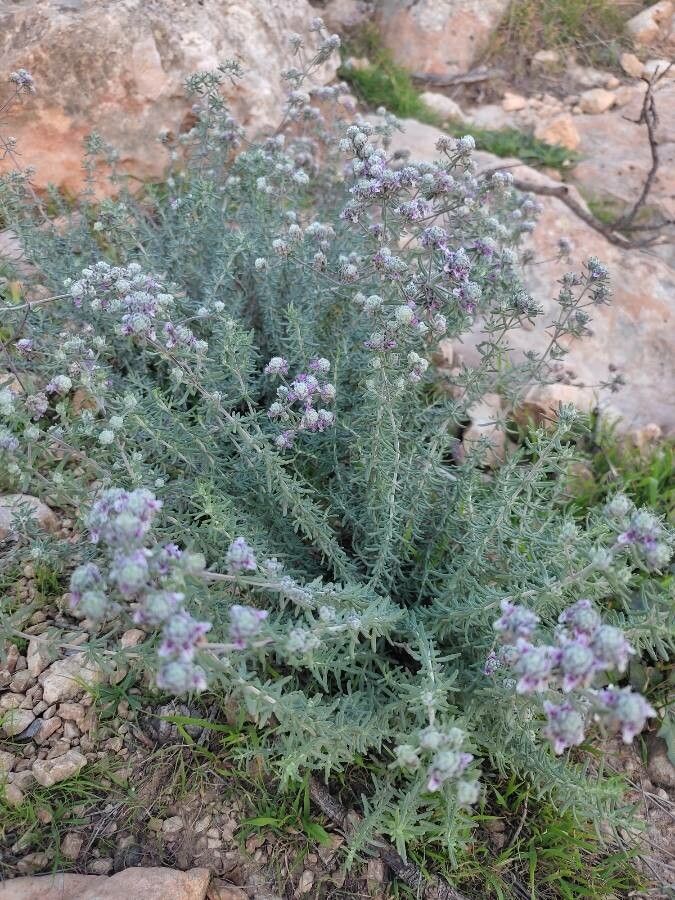
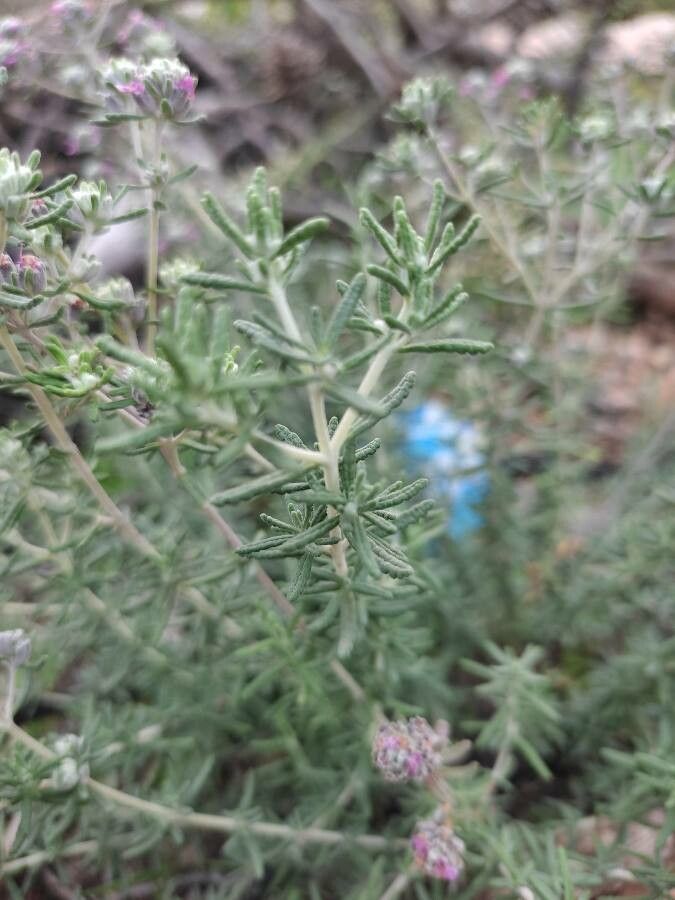
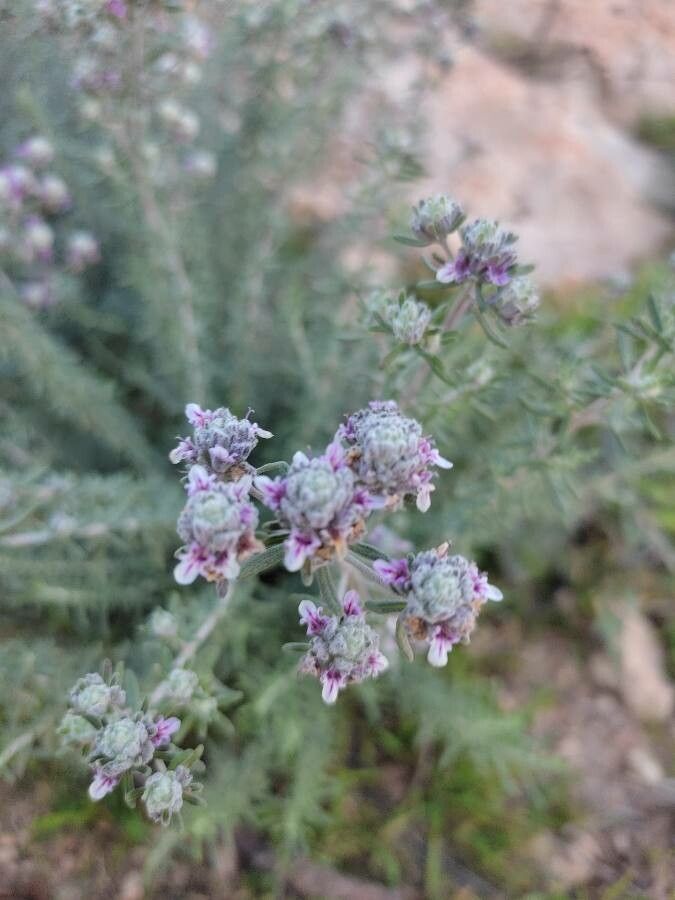
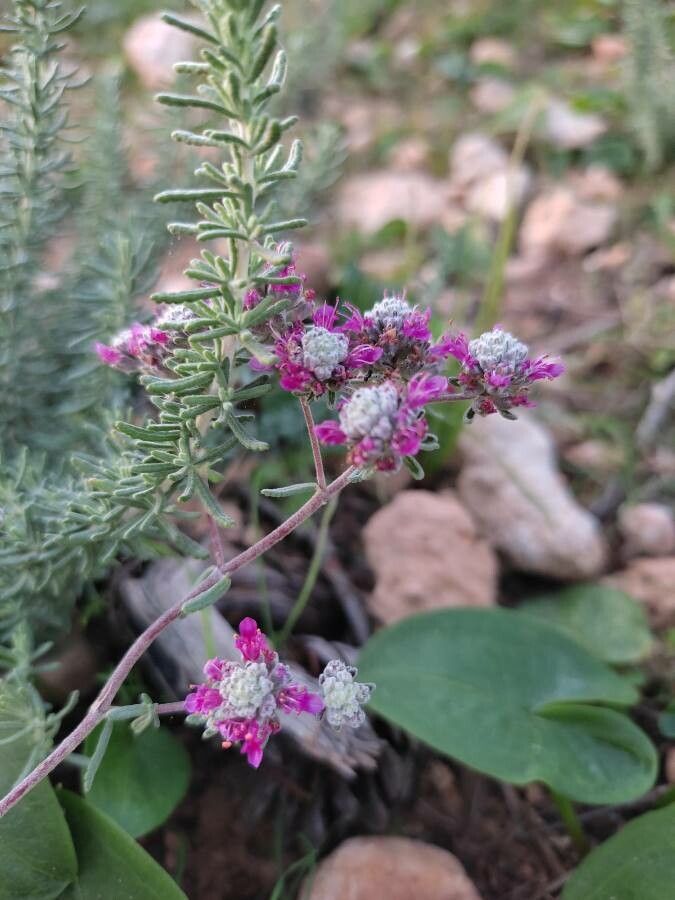
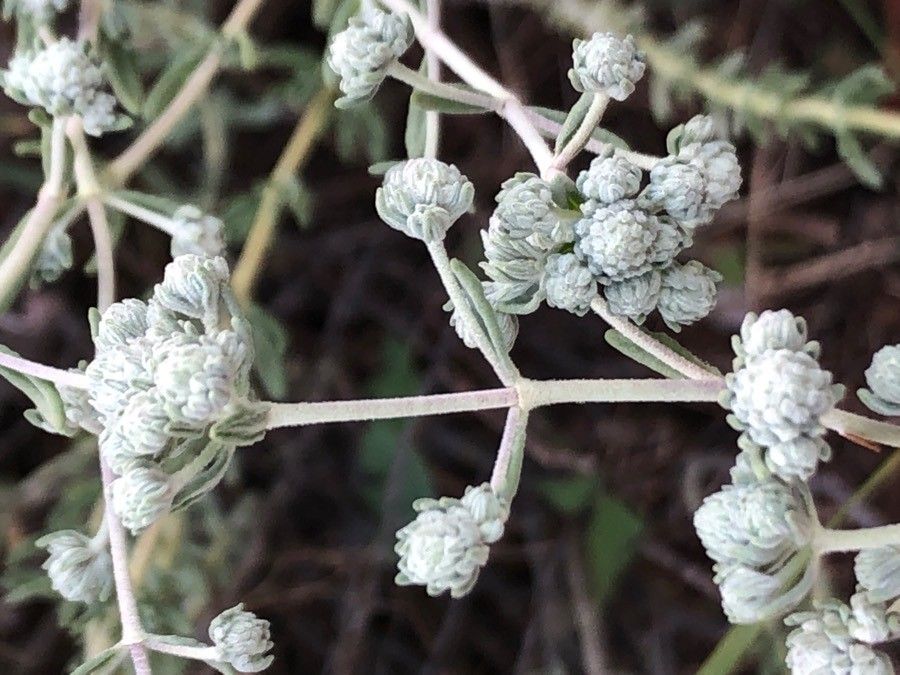
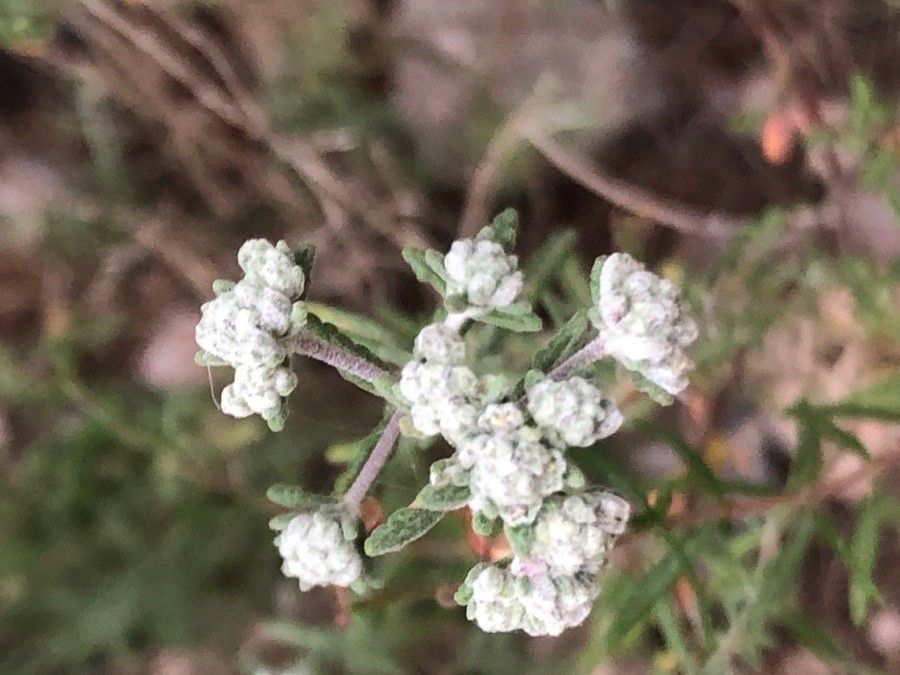
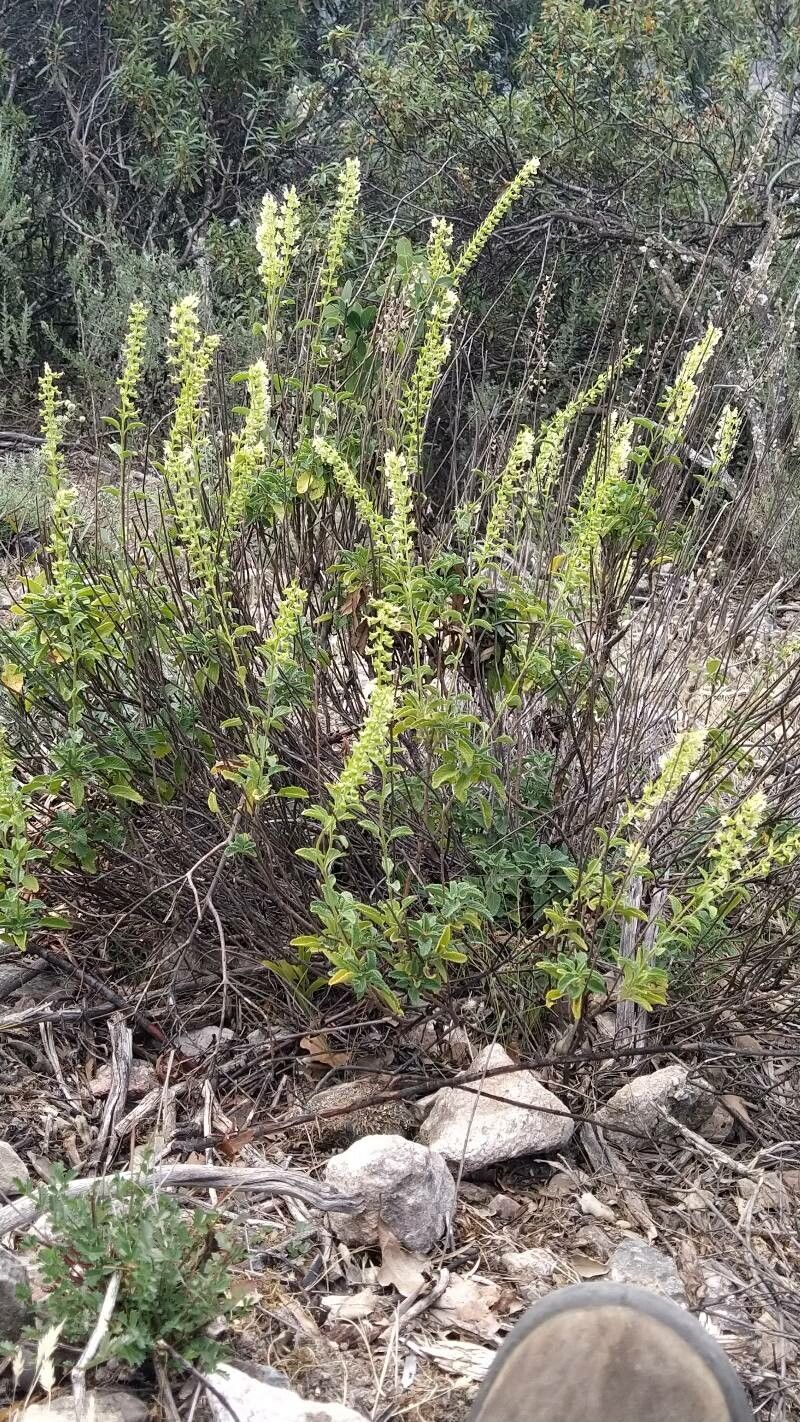
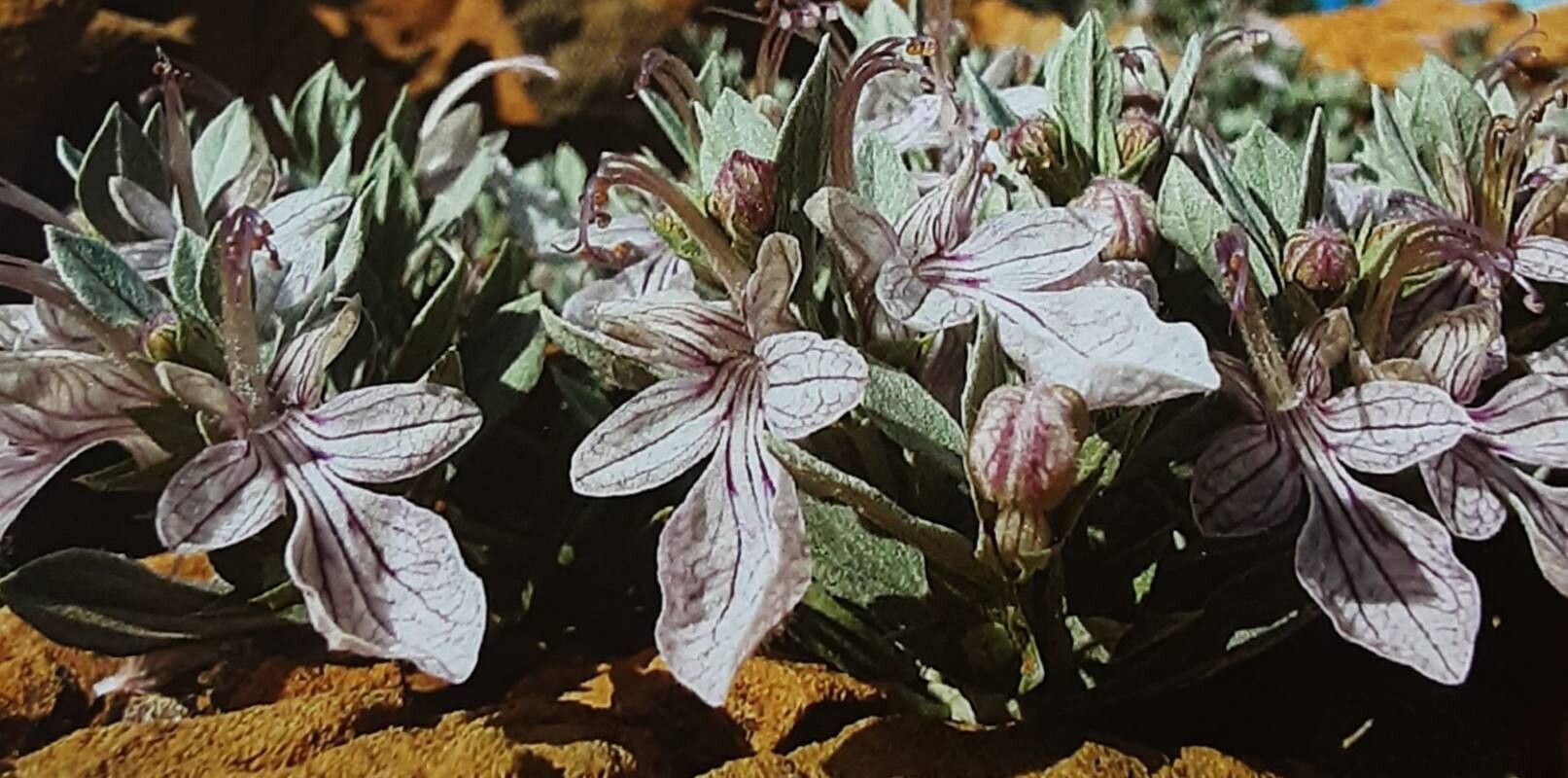
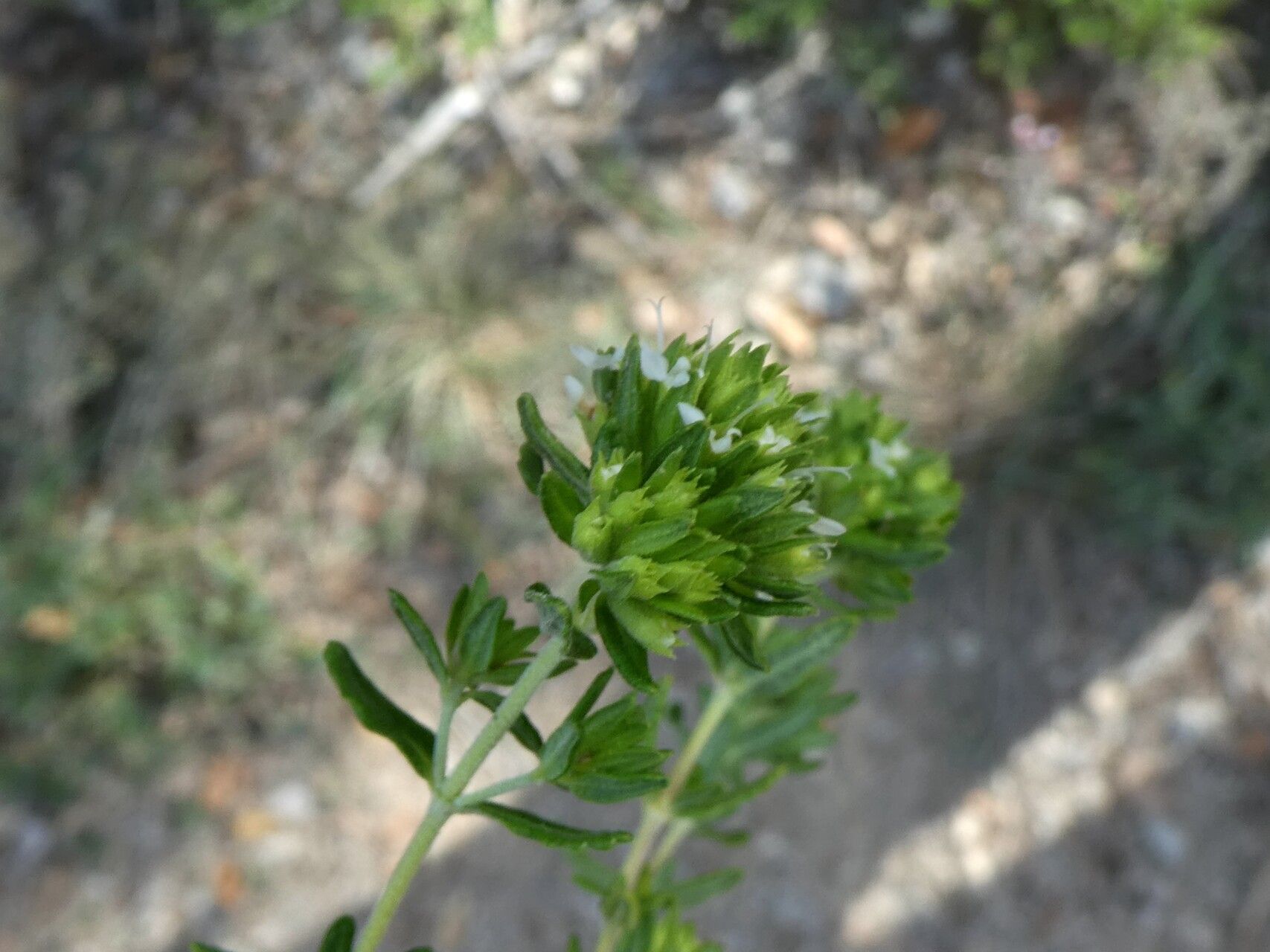
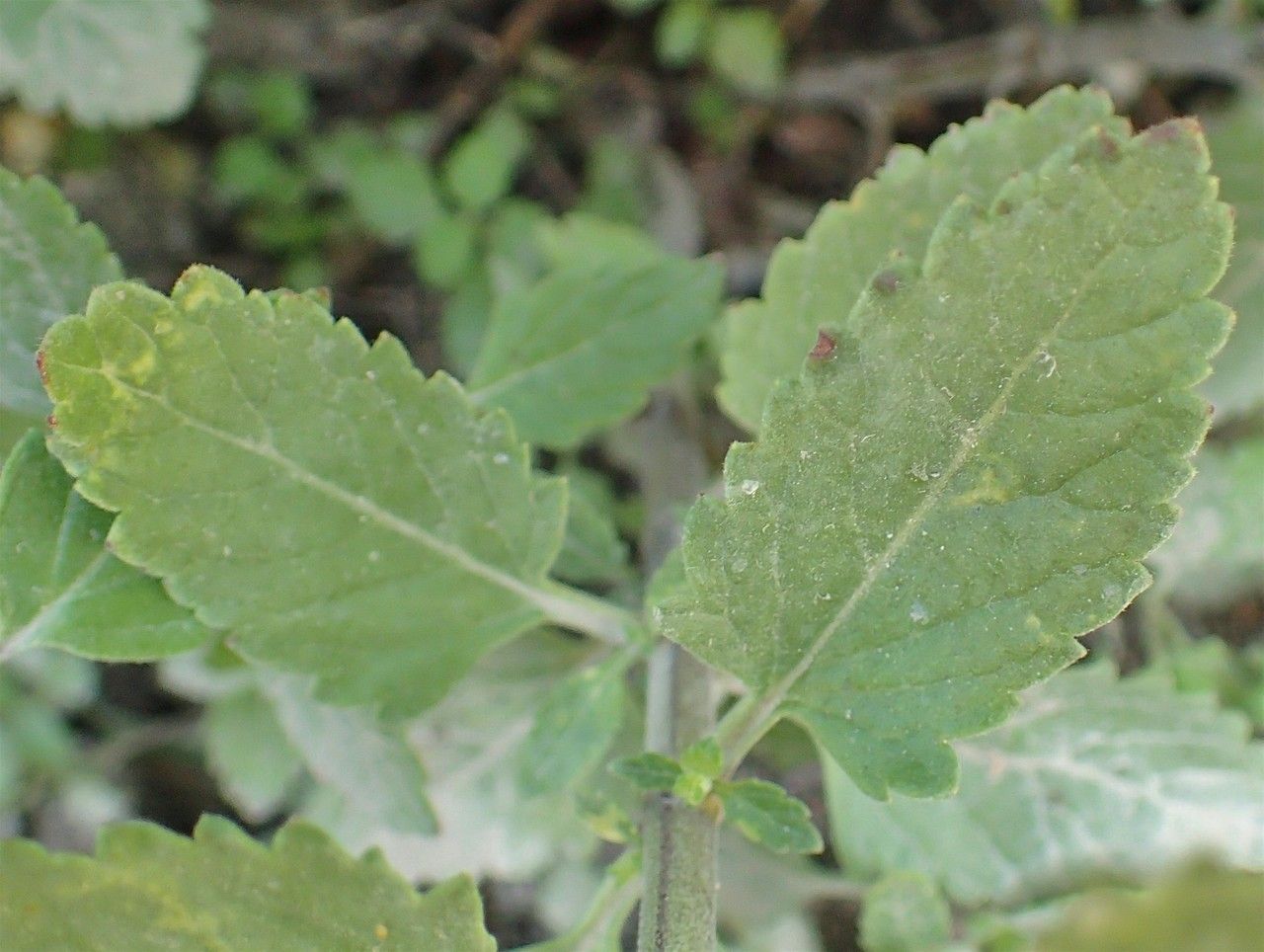
Felty germander is resistant to disease and generally not susceptible to illnesses. As for care, this plant is fairly low-maintenance. When grown outdoors it needs only light watering, and larger specimens typically do not require pruning. Smaller plants, however, should be trimmed after they have finished blooming. Felty germander is appropriate for anyone with an outdoor area, such as a garden or a deck, and does not demand extensive gardening experience.
How to keep Teucrium Capitatum.
Light
Felty germander comes from open habitats, such as sunny meadows and forest margins, which receive abundant light. It does best in Full Sun but can also tolerate Partial Sun, adapting well to a range of sunlight conditions.
Water
Felty germander is a drought-tolerant plant that thrives in arid regions. It needs watering only every 2-3 weeks. For optimal growth, it prefers well-drained soil to prevent waterlogging. As an evergreen, it is typically grown outdoors.
Temperature
Felty germander is highly adaptable to a variety of climatic conditions, from blazing summers to cold winters. Nevertheless, it has a preferred temperature range for growth. When temperatures rise too much, the plant can experience heat and humidity stress that may kill it. In areas where temperatures near the lower end of its cold tolerance, it’s important to provide insulation to protect the plant.
Fertilizer
Timing matters when fertilizing Felty germander. Apply fertilizer in early spring and continue once a month until early summer. Fertilizer promotes attractive blooms and supplies energy during both dormant and active growth periods.
Pruning
Felty germander is a low-growing perennial known for its aromatic foliage and dense clusters of flowers. To keep the plant healthy and attractive, prune it in early spring to remove any dead wood and to shape it. Regular pruning not only improves its appearance by encouraging bushier growth, but also enhances flowering. Be sure to use clean, sharp tools to promote healthy regrowth.
Botanical profile.
- Plant Type
- Shrub
- Life Cycle
- Perennial
- Genus
- Teucrium
- Family
- Lamiaceae
- Hardiness Zone
- 7-10
- Mature Height
- 20 cm to 40 cm
- Mature Spread
- 30 cm to 49 cm
- Leaf Color
- Gray, Light Gray
- Leaf Type
- Semi-evergreen
- Flower Color
- White
- Flower Size
- 0.51 cm to 1.02 cm
- Bloom Time
- Early summer, Mid summer
- Planting Time
- Spring, Summer, Autumn
- Harvest Time
- Late summer, Early fall
Other names.
Reader questions.
What are the sun requirements for Felty Germander?
Felty Germander requires full sun, meaning it should receive above 6 hours of sunlight daily, but it can also tolerate partial sun, which is about 3-6 hours of sunlight. It's crucial to observe how sunlight moves through your garden to find spots that provide the perfect balance of light and shade, ensuring the plants' happiness and optimal growth.
What are the essentials for growing Felty Germander?
Originating from open environments like sunny meadows and forest edges, Felty Germander thrives in full sun but can adapt well to partial sun conditions. Additionally, adequate lighting is essential for indoor plants, especially when natural sunlight is insufficient. Using artificial lights, such as LED lights, can promote healthier growth. For full sun plants, 30-50W/sq ft of artificial light is recommended, 20-30W/sq ft for partial sun plants, and 10-20W/sq ft for full shade plants. The light source should be placed 12-36 inches above the plant, imitating natural sunlight for about 8-12 hours per day.
What are important symptoms to look out for in Felty Germander due to inadequate sunlight?
When Felty Germander receives insufficient sunlight, it may display symptoms such as small and lighter-colored new leaves, leggy or sparse growth, faster leaf drop, and a halt in growth indicating its entrance into survival mode. Conditions like chlorosis, where leaves lose their green color, and sunscald, leading to damage from intense sunlight, are also common. Leaf curling, wilting, and scorching are additional symptoms that can indicate either too much or too little sunlight, reflecting the plant's struggle to maintain optimal health in suboptimal light conditions.
What are some solutions for Felty Germander experiencing light-related issues?
To address light-related issues in Felty Germander, gradually acclimate the plant to more sunlight by moving it to sunnier spots each week until it gets at least 6 hours daily. For indoor plants, use south-facing windows or artificial light for at least 8 hours daily. Outdoors, avoid sudden changes in light intensity to prevent sunburn. If physical obstructions limit sunlight, consider pruning or relocating the plant to a sunnier location. Remember, parts of the plant that suffered due to inadequate sunlight may not recover, but increasing light exposure will ensure new growth is healthy.