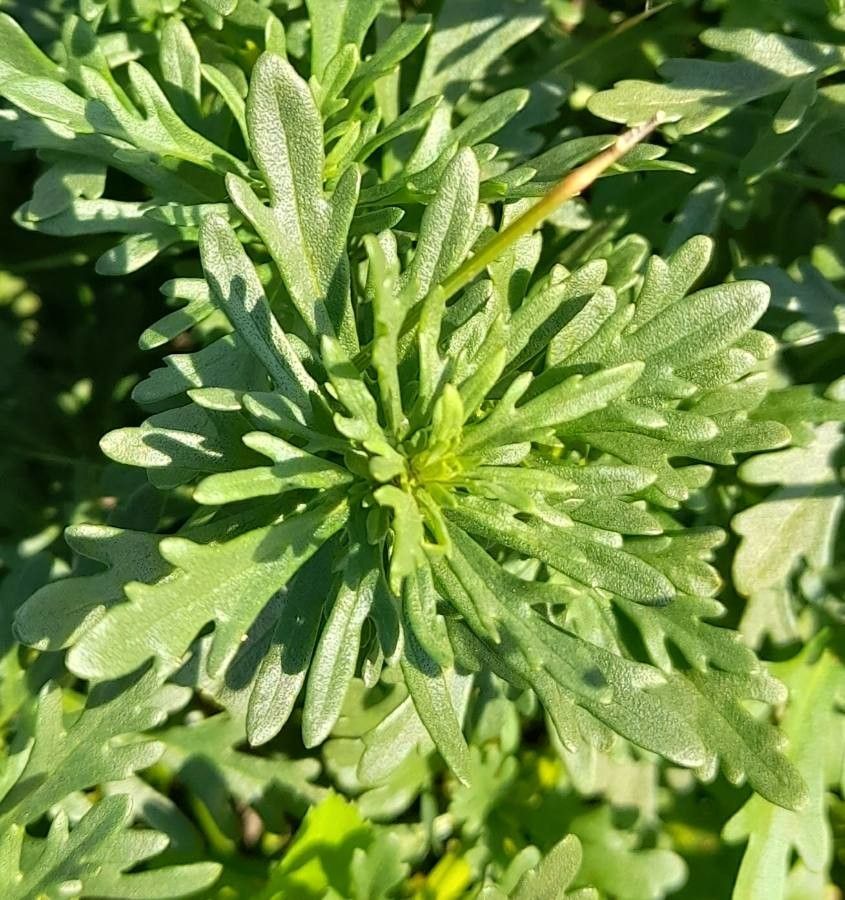
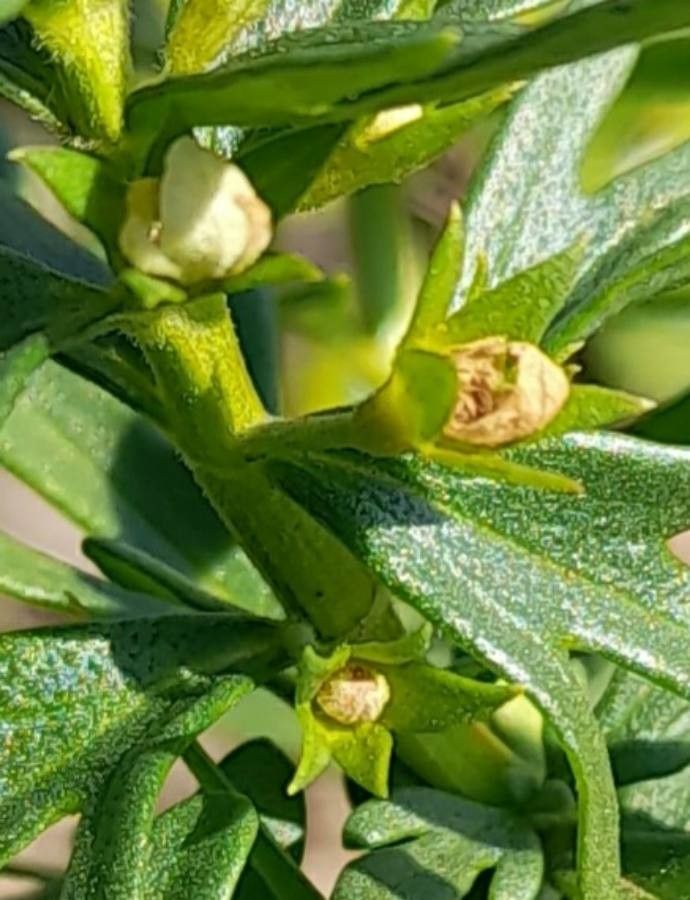
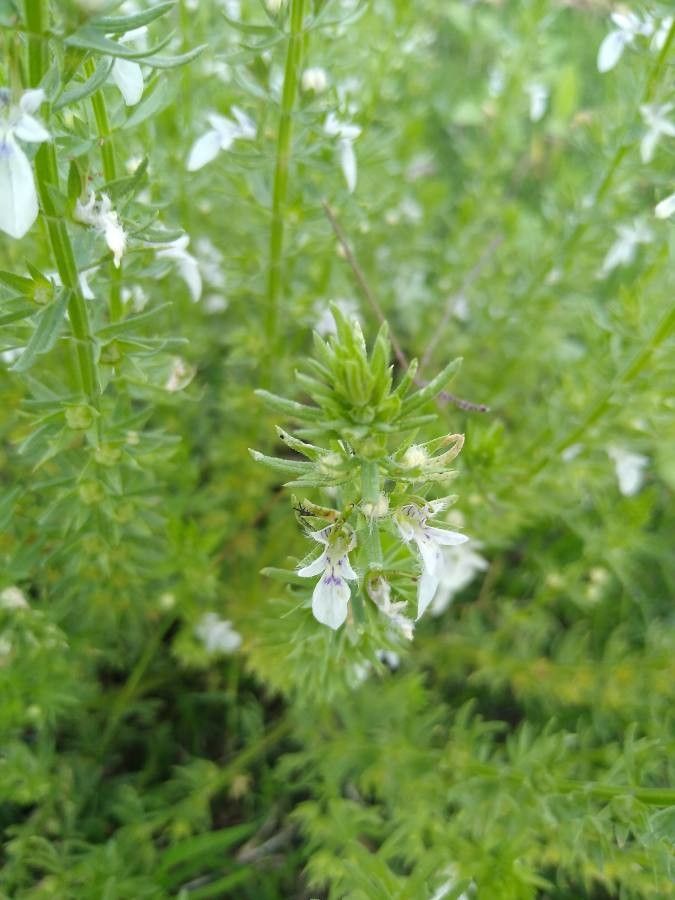
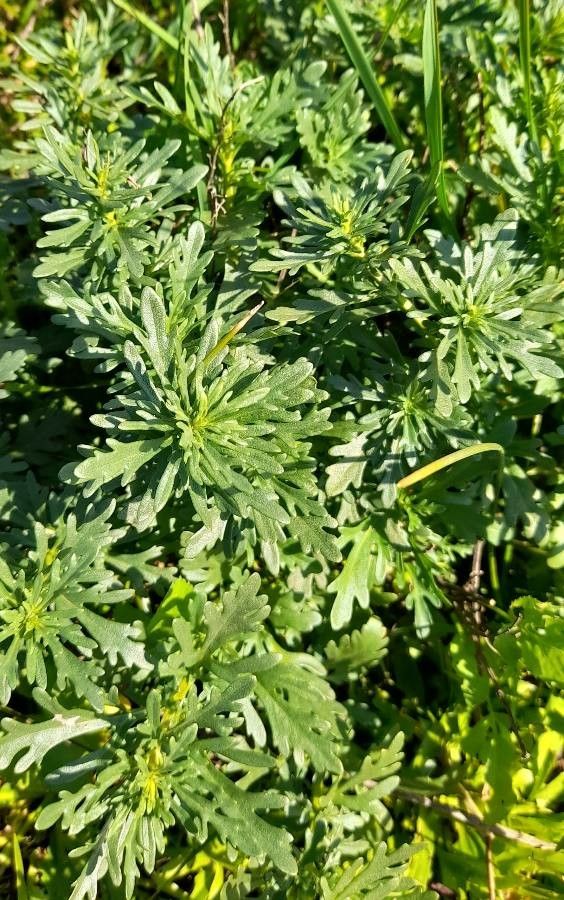
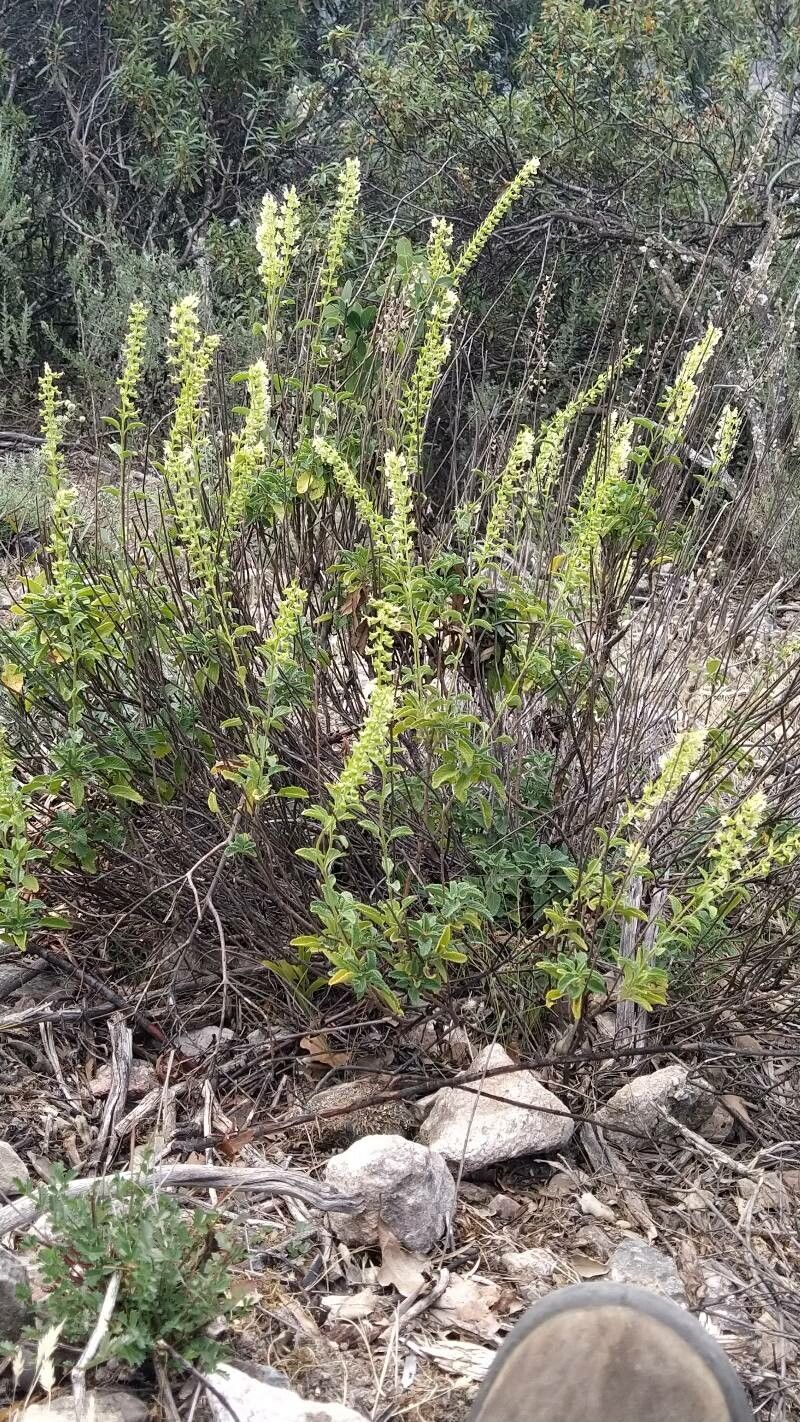
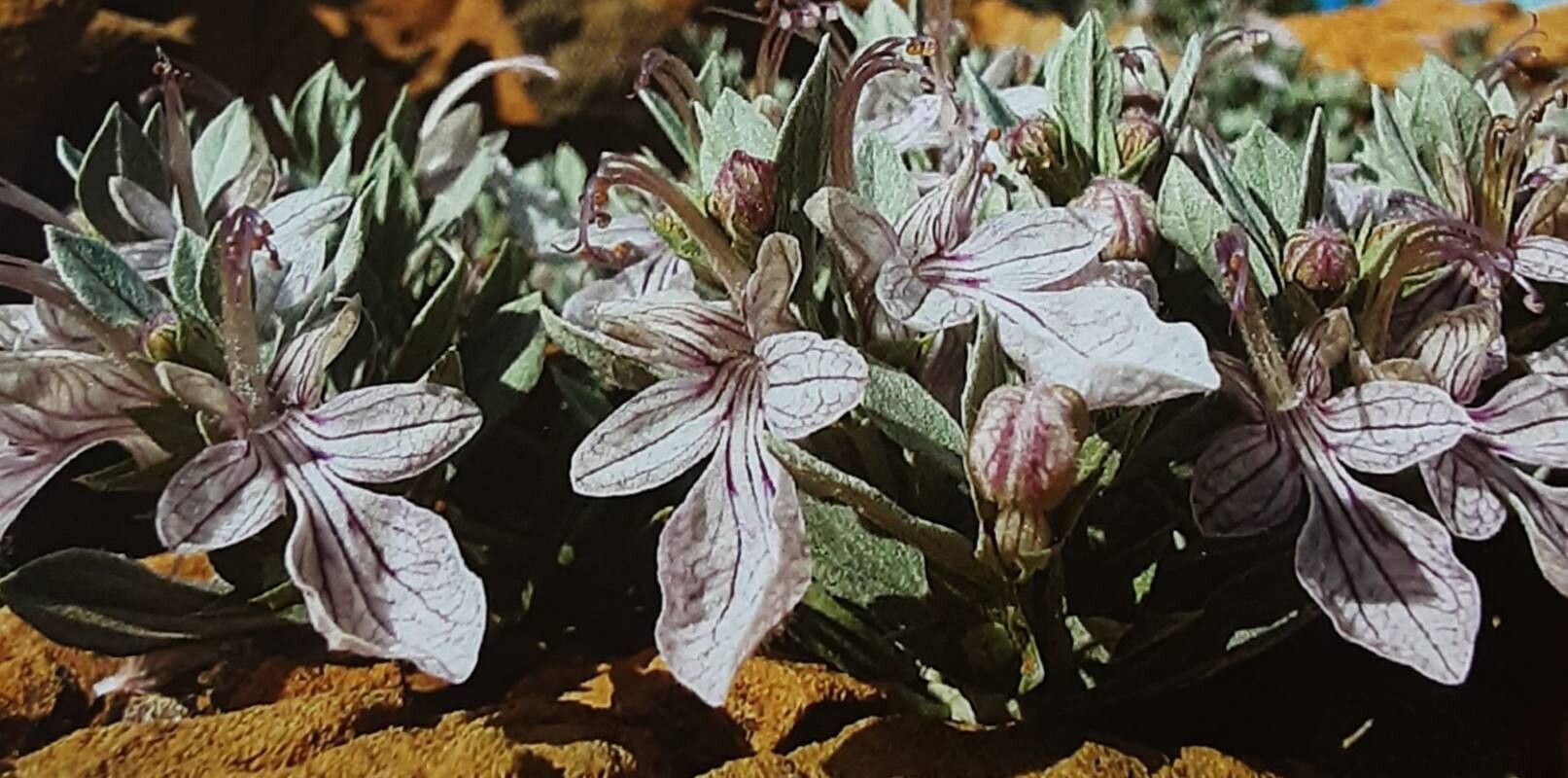
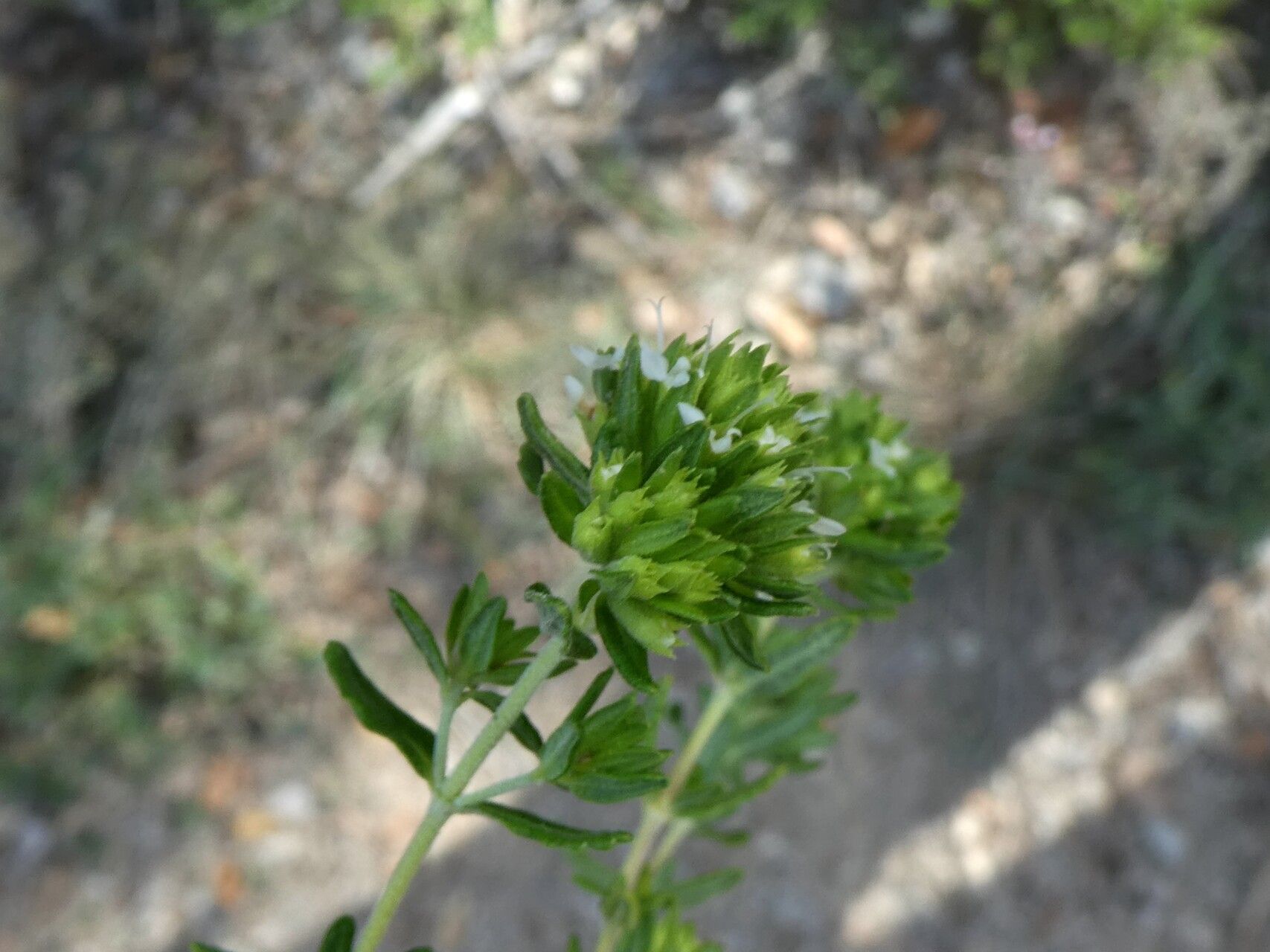
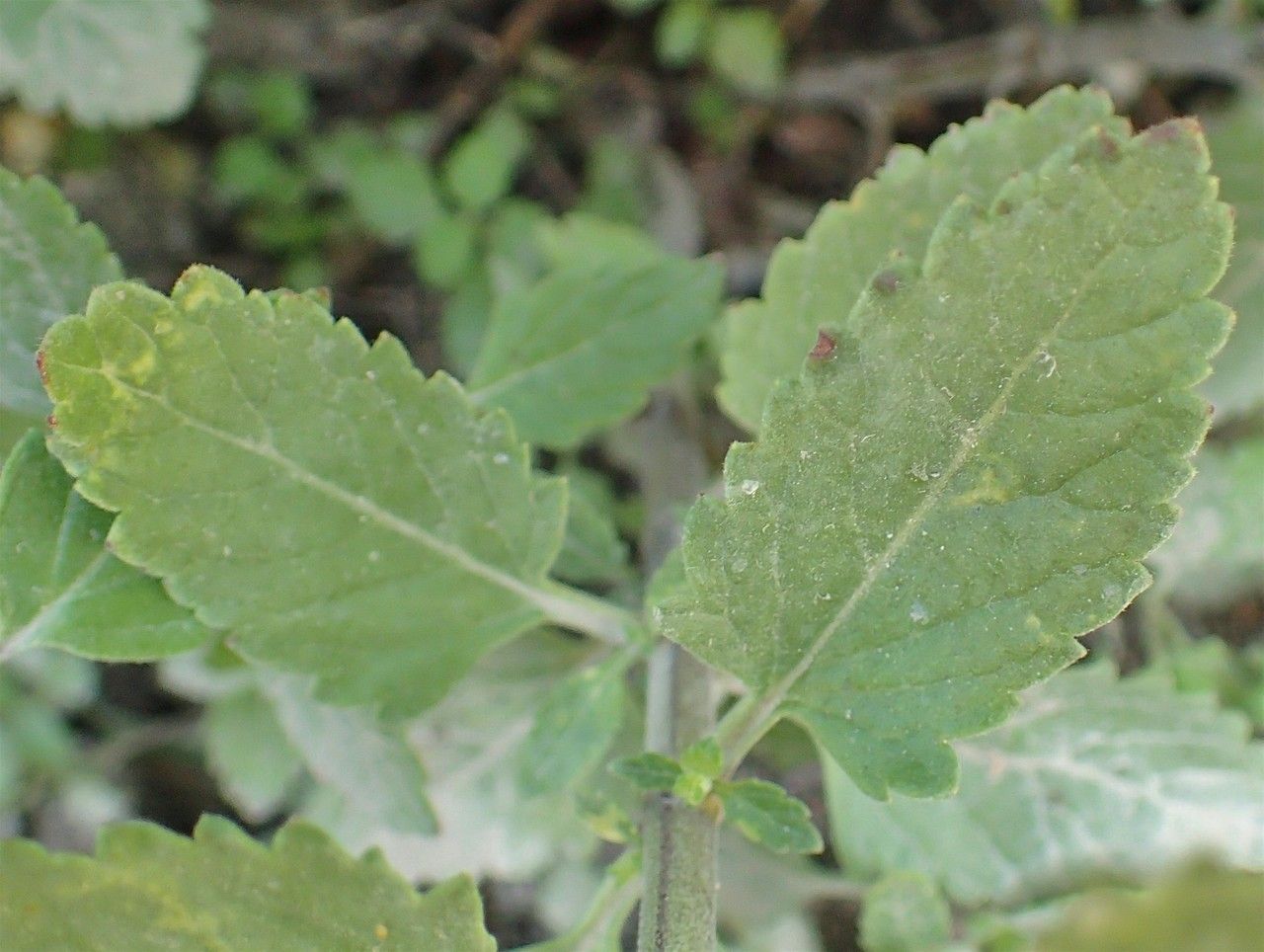
Teucrium cubense is a species of flowering plant in the mint family known by the common names small coastal germander and dwarf germander. It is native to a section of the Americas that includes the southwestern - south-central United States (California, Arizona, New Mexico, Texas, Oklahoma, Louisiana, Alabama), parts of the Caribbean, Mexico, Costa Rica, and southern South America (Argentina, Uruguay, southern Brazil). In general, the plant has lobed leaves and a flower corolla with a broad lower lobe and smaller lateral lobes. The flower may be white or blue-tinged with purple speckles. This plant may have antidiabetic effects.
Dwarf germander is fairly resistant to disease and typically does not suffer from many illnesses. That said, it can be affected by pests and diseases present in its surroundings. Such infections are usually mild. In terms of care, the plant requires moderate maintenance. Regular pruning is needed to maintain an attractive appearance and promote healthy growth. Fertilizing can also help encourage flowering. Dwarf germander is suitable for anyone with outdoor space, such as a garden or patio, and does not demand extensive care experience. It may need more attention when grown indoors.
How to keep Teucrium Cubense.
Light
Dwarf germander is native to sunny tropical habitats and does best in direct sunlight. Its ideal light is full sun, though it can tolerate partial sun and adapts well to lightly shaded spots.
Water
Dwarf germander thrives best in well-drained soils with moderate humidity. It requires consistent moisture, but it's important to avoid waterlogging. To ensure optimal hydration, you should water it weekly. Although it grows well outdoors where it can benefit from natural rainfall, if you choose to grow it indoors, you'll need to manage its moisture levels carefully during the growing season.
Temperature
Dwarf germander originates from temperate regions and prefers temperatures of 68 to 100.4 °F (20 to 38 ℃). In colder winter months, heating elements may be necessary to replicate its natural warmth.
Fertilizer
Dwarf germander needs the most fertilizer during its active growth period, which occurs mainly in spring, summer, and early fall. Fertilization supplies essential nutrients that may be deficient in the soil, supporting healthy root and stem development and enhancing the attractive foliage that is a characteristic of this plant.
Pruning
Dwarf germander features dense growth and small, aromatic leaves. For optimal maintenance, it is best to prune in the spring. This helps remove any damage, improves air circulation, and allows you to shape the plant. Be sure to avoid pruning in late summer, as this can lead to frost damage. Regular pruning not only encourages flowering but also reduces the risk of disease.
Botanical profile.
- Plant Type
- Herb
- Life Cycle
- Perennial, Annual
- Genus
- Teucrium
- Family
- Lamiaceae
- Hardiness Zone
- 9-11
- Mature Height
- 10 cm to 15 cm
- Mature Spread
- 30 cm to 46 cm
- Leaf Color
- Green
- Leaf Type
- Evergreen
- Flower Color
- White, Blue
- Flower Size
- 0.76 cm to 1.52 cm
- Bloom Time
- Late spring, Summer, Fall
- Planting Time
- Spring, Summer, Autumn
- Harvest Time
- Mid summer, Late summer, Fall, Early winter
- Native Area
- Bahamas, Mexico, Cuba
Other names.
Reader questions.
What are the sunlight requirements for Dwarf Germander?
Dwarf germander thrives best in full sun conditions, which means it requires above 6 hours of sunlight daily. However, it can also tolerate partial sun, getting about 3-6 hours of sunlight. It's essential to watch how sunlight moves through your garden to ensure you choose locations that offer the right balance of light and shade, ensuring the plants' happiness. Originating from bright, tropical environments, Dwarf germander has adapted well to direct sunlight but can also grow in slightly shaded areas if necessary.
What is the native environment of Dwarf germander?
Dwarf germander, botanically known as Teucrium cubense, is native to temperate environments. It thrives in a temperature range of 68 to 100.4 °F (20 to 38 °C), indicating its preference for warmth. During colder winter months, it may require heating elements to ensure its environment mimics its natural warm conditions. Dwarf germander is extremely heat-loving, and exposure to cold temperatures can be harmful to the plant. Thus, in autumn, it's recommended to bring outdoor-grown Dwarf germander indoors.
How do I use artificial lighting for indoor Dwarf Germander plants?
When natural sunlight is insufficient for your indoor Dwarf Germander, especially in winter or less sunny spaces, artificial lights can be a vital solution. LED lights are a popular choice as they provide specific wavelengths needed for optimal growth. Full sun plants require 30-50W/sq ft of artificial light, while partial sun plants need 20-30W/sq ft. The light source should be placed 12-36 inches above the plant, mimicking natural sunlight as closely as possible. Most plants benefit from 8-12 hours of light per day to promote faster, healthier growth.
How should Dwarf germander be cared for in cold temperatures?
To protect Dwarf germander from cold temperatures, it's essential to keep it in conditions above 20°C, especially during the winter months. If grown outdoors, the plant should be brought inside and placed near a bright window, maintaining a safe distance from heaters to avoid damage. It's crucial to ensure the temperature doesn't approach 0°C as such cold conditions are detrimental to the plant's health. If the temperature falls below -5°C, the leaves may lighten in color, with frost damage causing the color to turn brown or black, and wilting and drooping may occur. The affected parts should be trimmed off, and the plant moved to a warm environment, ideally near a south-facing window, to ensure it receives ample sunlight. Additionally, avoid placing the plant near heaters or air conditioning vents to prevent excessive dryness.
What are the symptoms of light deficiency in Dwarf Germander?
Symptoms of light deficiency in Dwarf Germander include smaller new leaves, leggy or sparse growth, faster leaf drop, slower or no new growth, and lighter-colored or chlorotic leaves. Sunscald, leaf curling, wilting, and leaf scorching are signs of too much light. These symptoms indicate either inadequate or excessive light exposure, affecting the plant's health and ability to photosynthesize properly.
What are the symptoms of and solutions for Dwarf germander exposed to high temperatures?
During the summer, it's crucial to ensure the Dwarf germander is kept below 38°C. Exposure to temperatures exceeding 43°C can lead to the lightening of leaf colors and increase the plant's susceptibility to sunburn. To manage these conditions, trim away sunburned and dried-up parts of the plant. Move the plant to a location that provides shade, particularly from the harsh midday and afternoon sun, to prevent further damage. Additional care involves watering the plant in the morning and the evening to maintain soil moisture and support the health of the plant during high temperatures.
What solutions can help Dwarf Germander with insufficient or excessive light?
For indoor plants, gradually increase sunlight exposure to at least 6 hours daily or use artificial lighting, like a desk or ceiling lamp for a minimum of 8 hours daily. For outdoor plants, move them gradually to sunnier spots each week to avoid shock. If sunlight is blocked, consider pruning obstacles or transplanting smaller plants to sunny locations with good drainage. Note that parts of the plant damaged by poor light may not recover, but new growth should be healthy with improved light conditions.