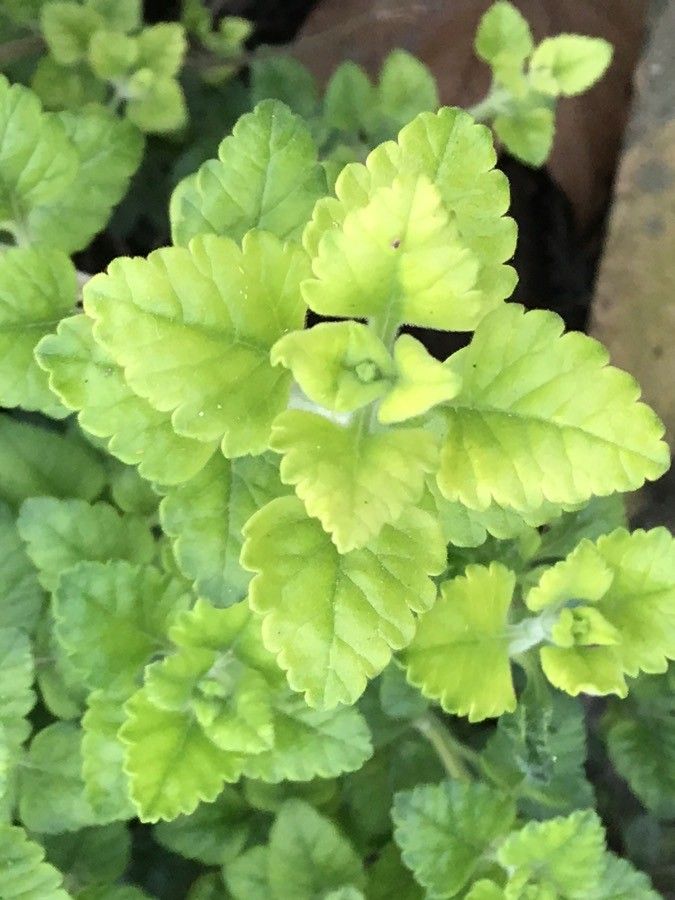
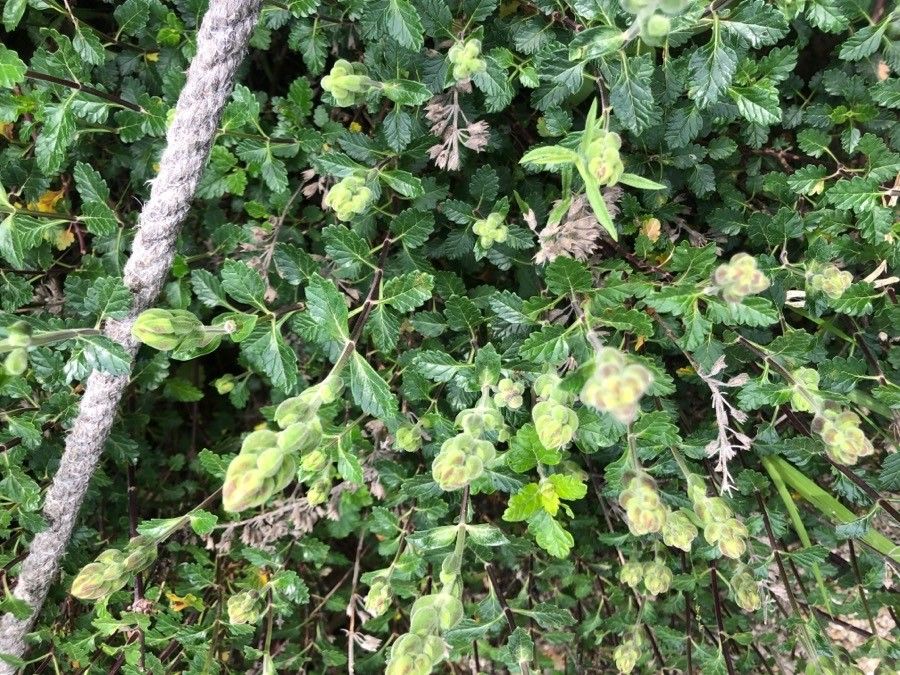
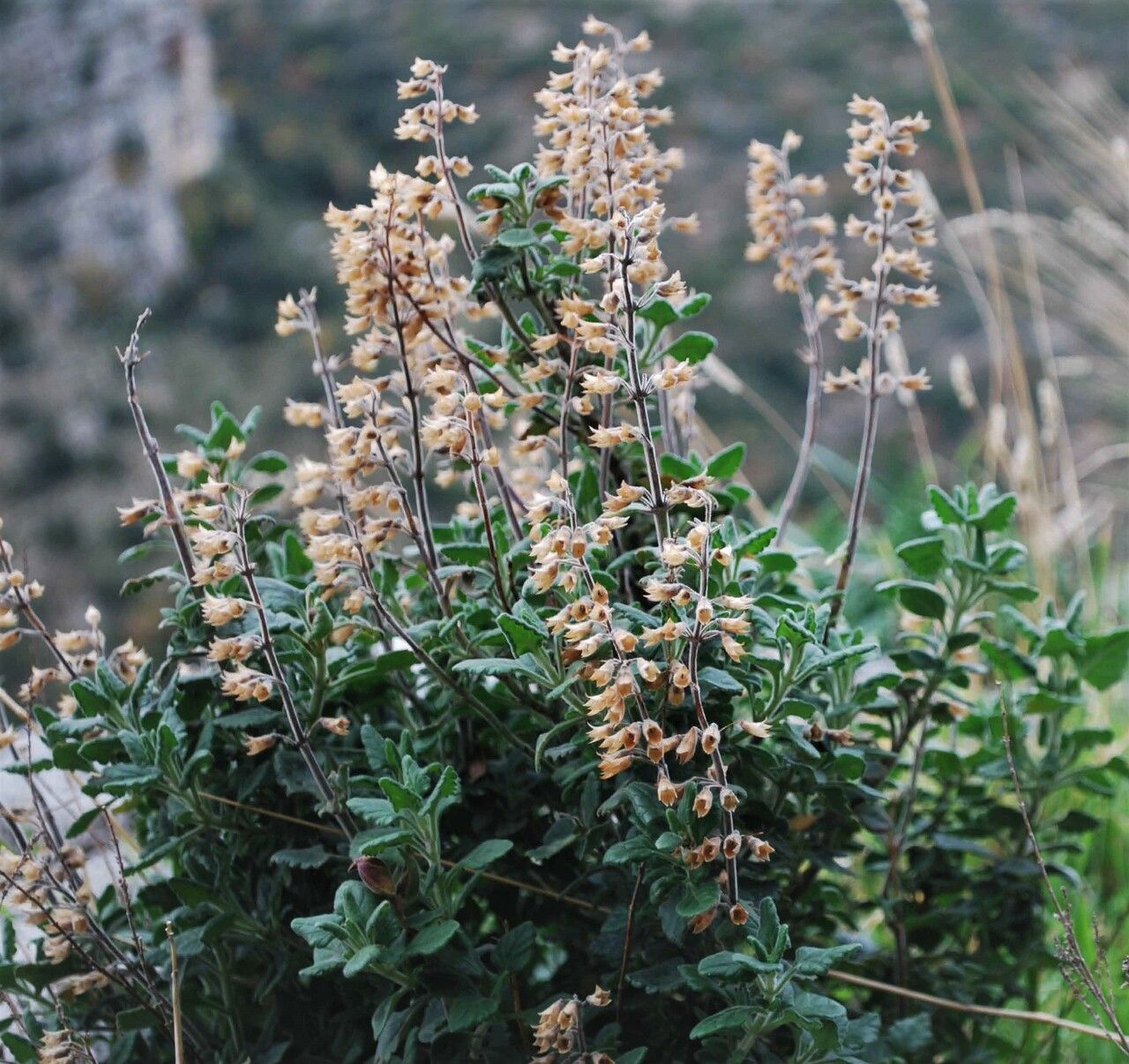
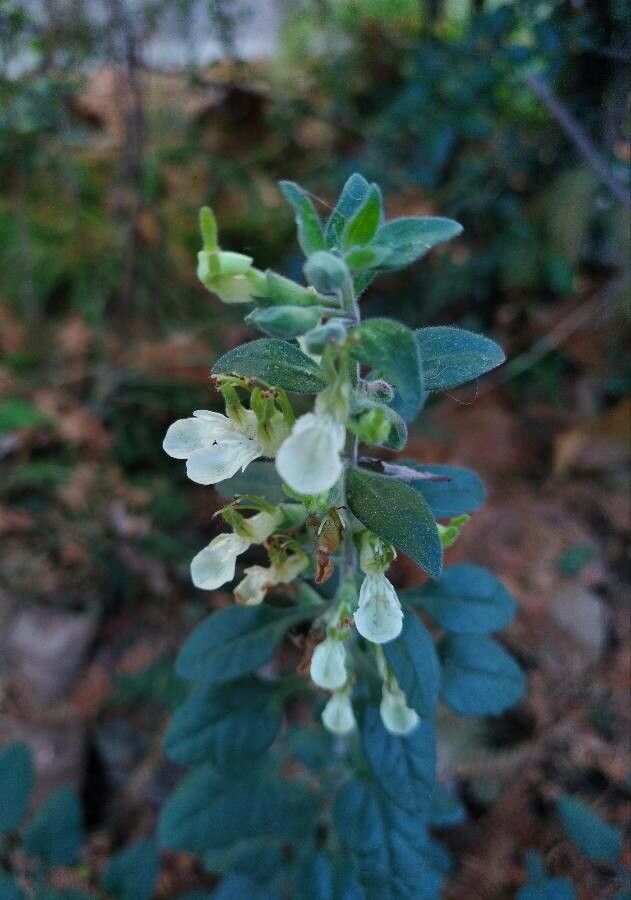
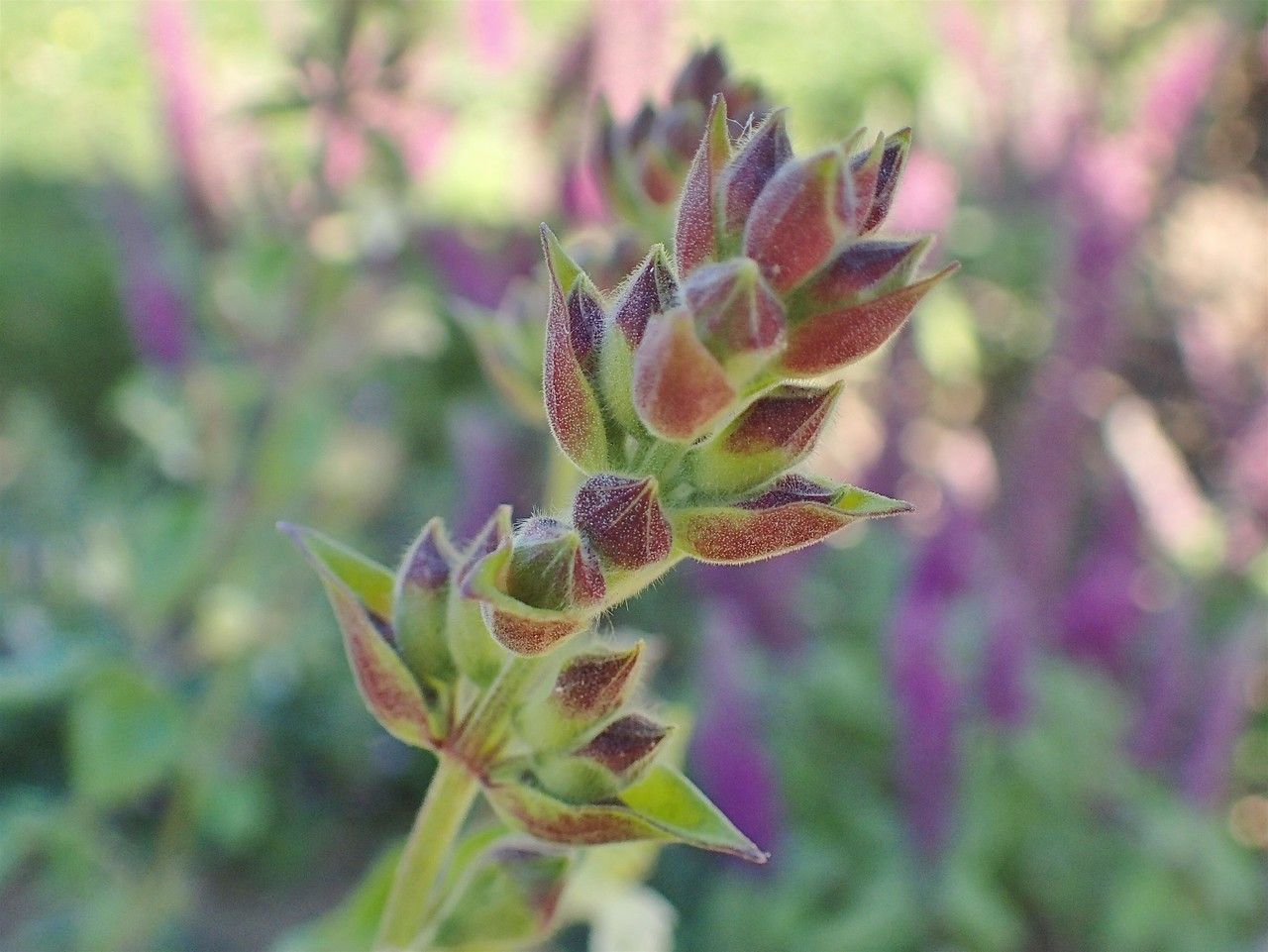
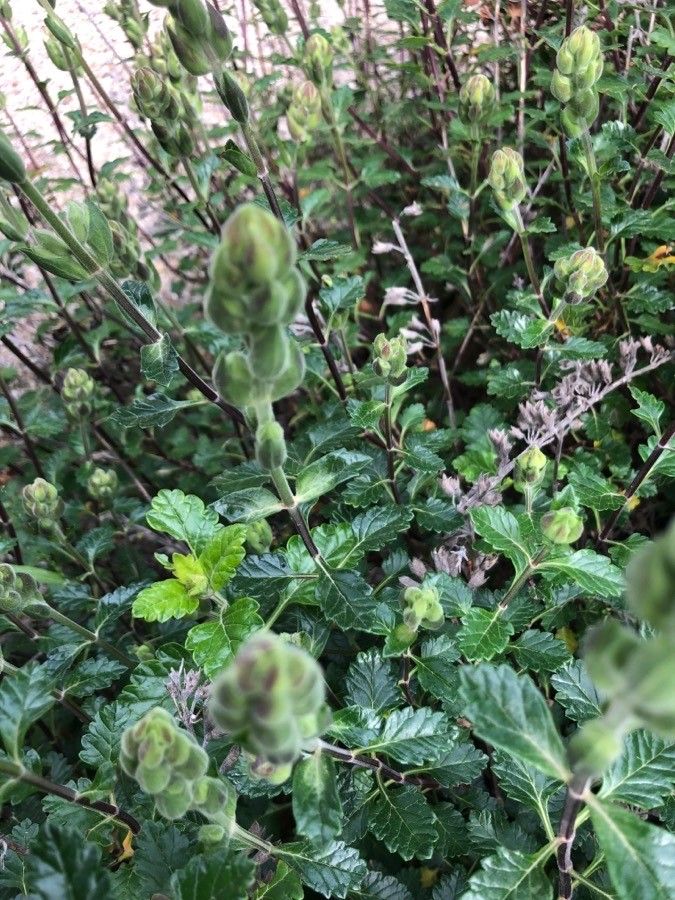
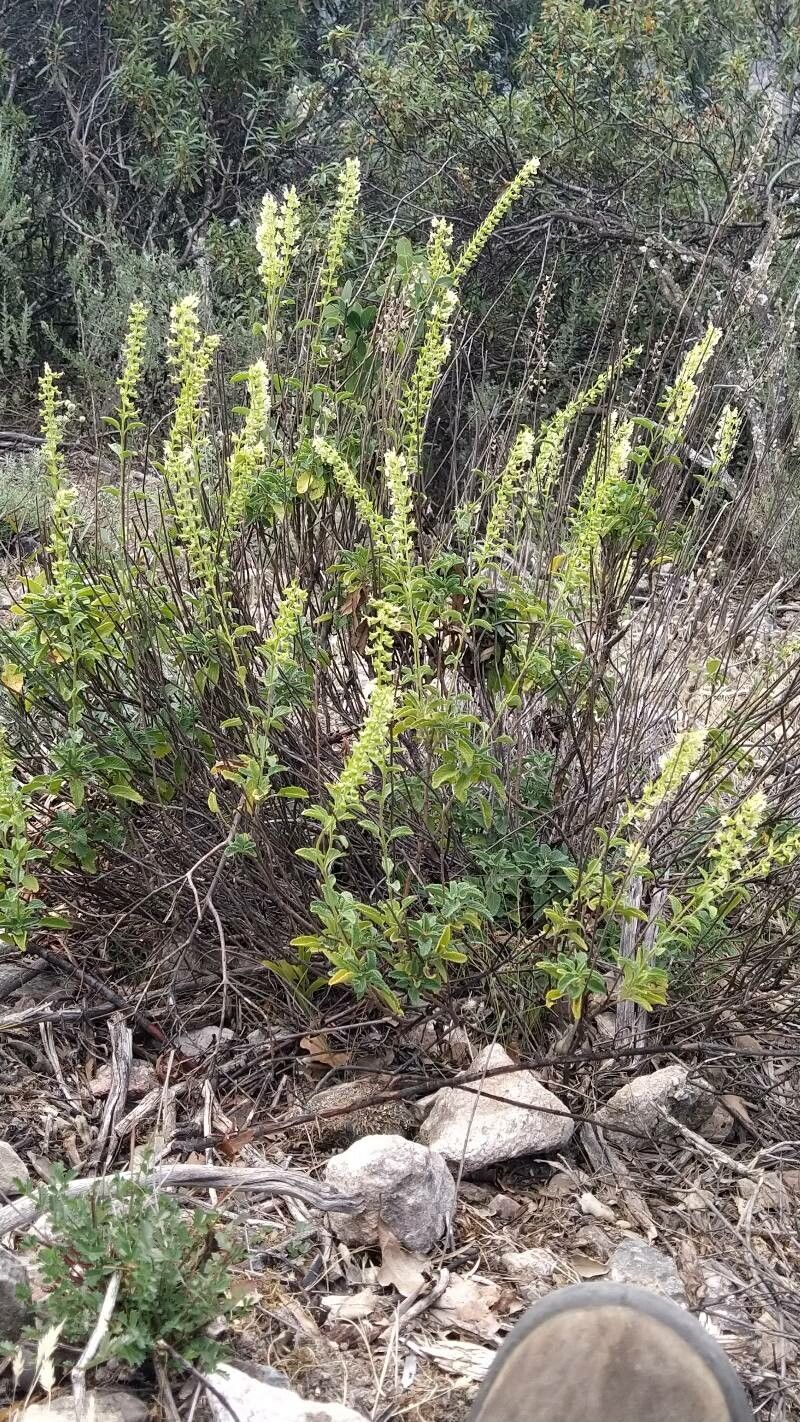
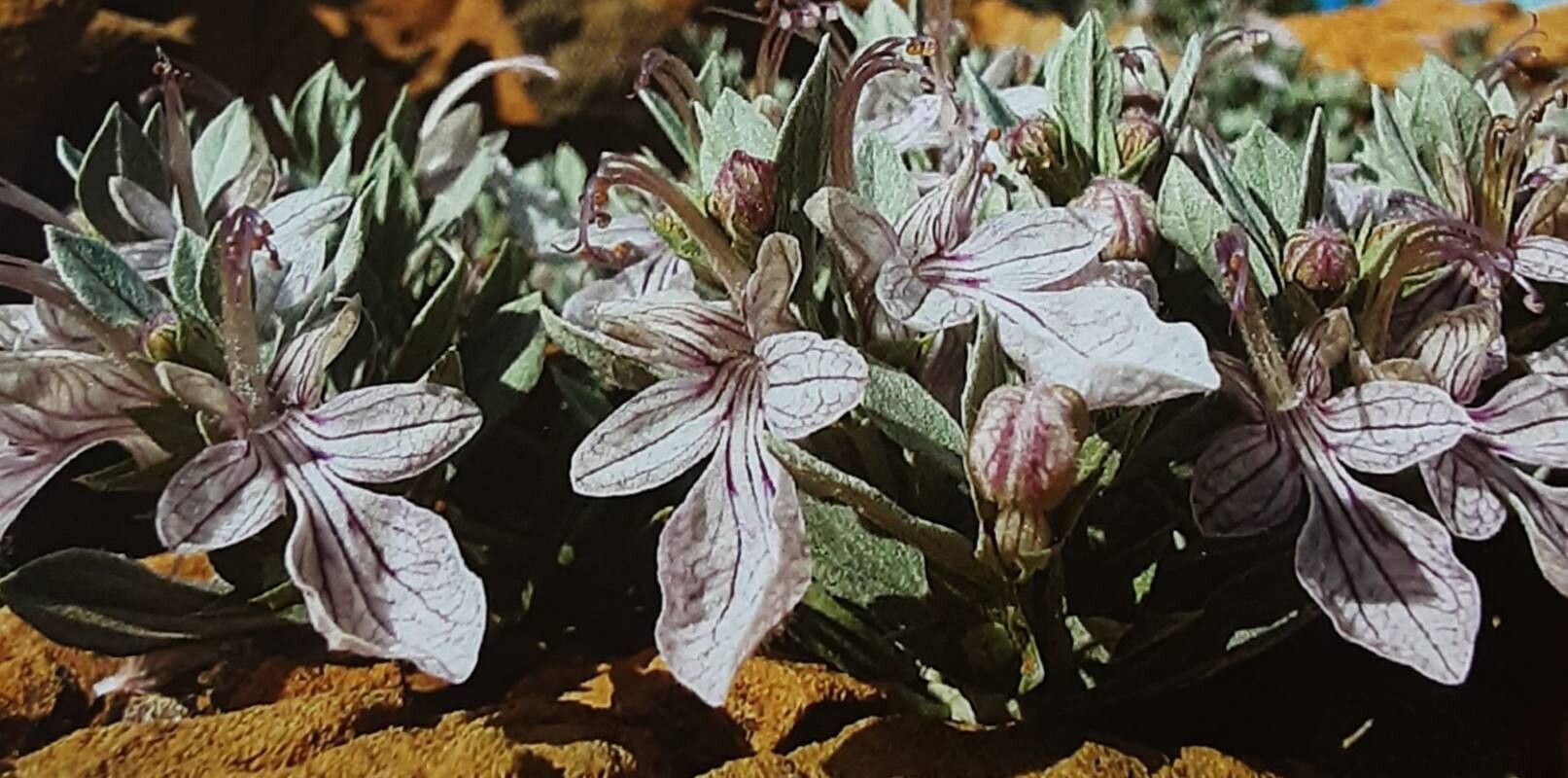
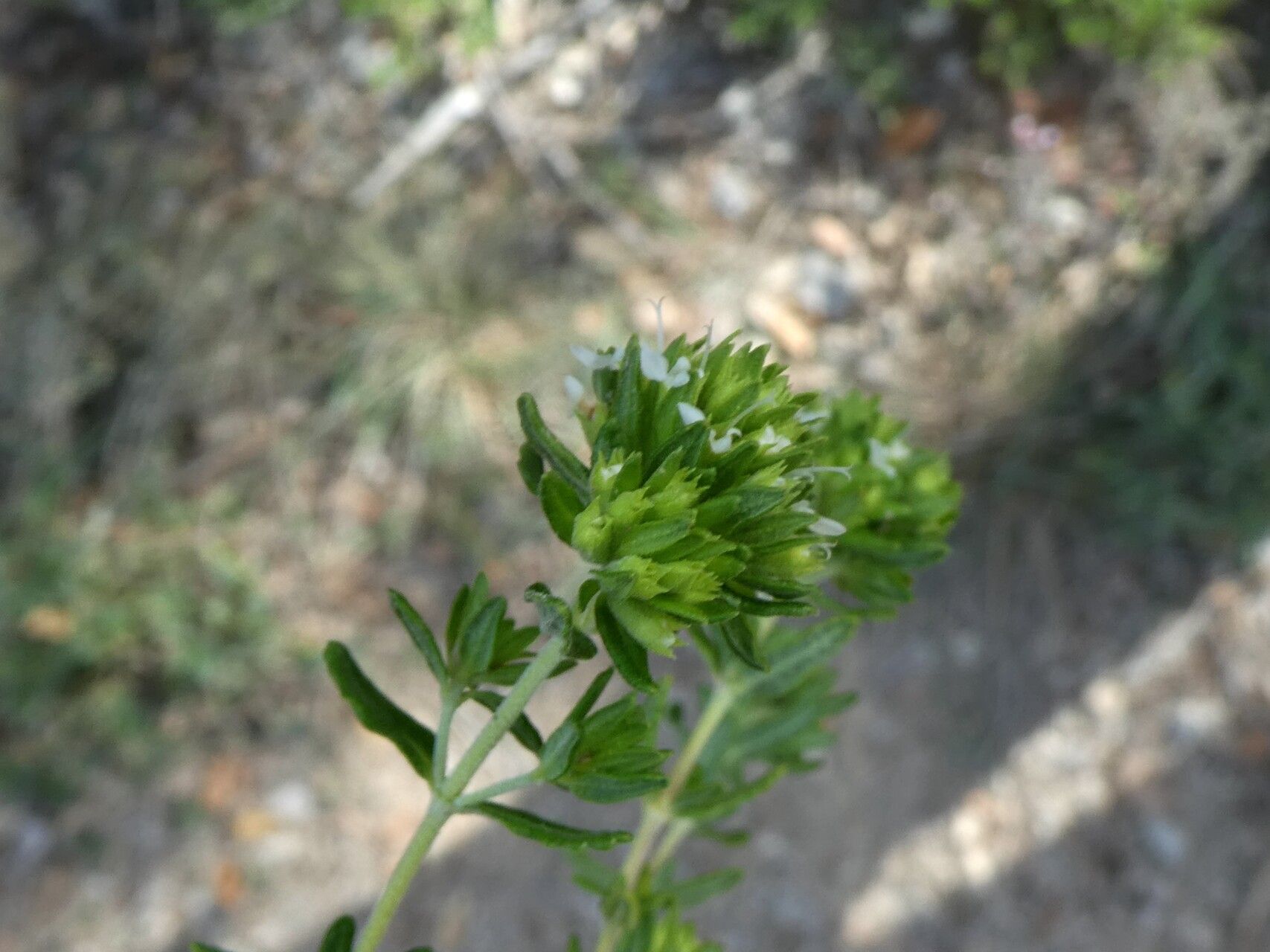
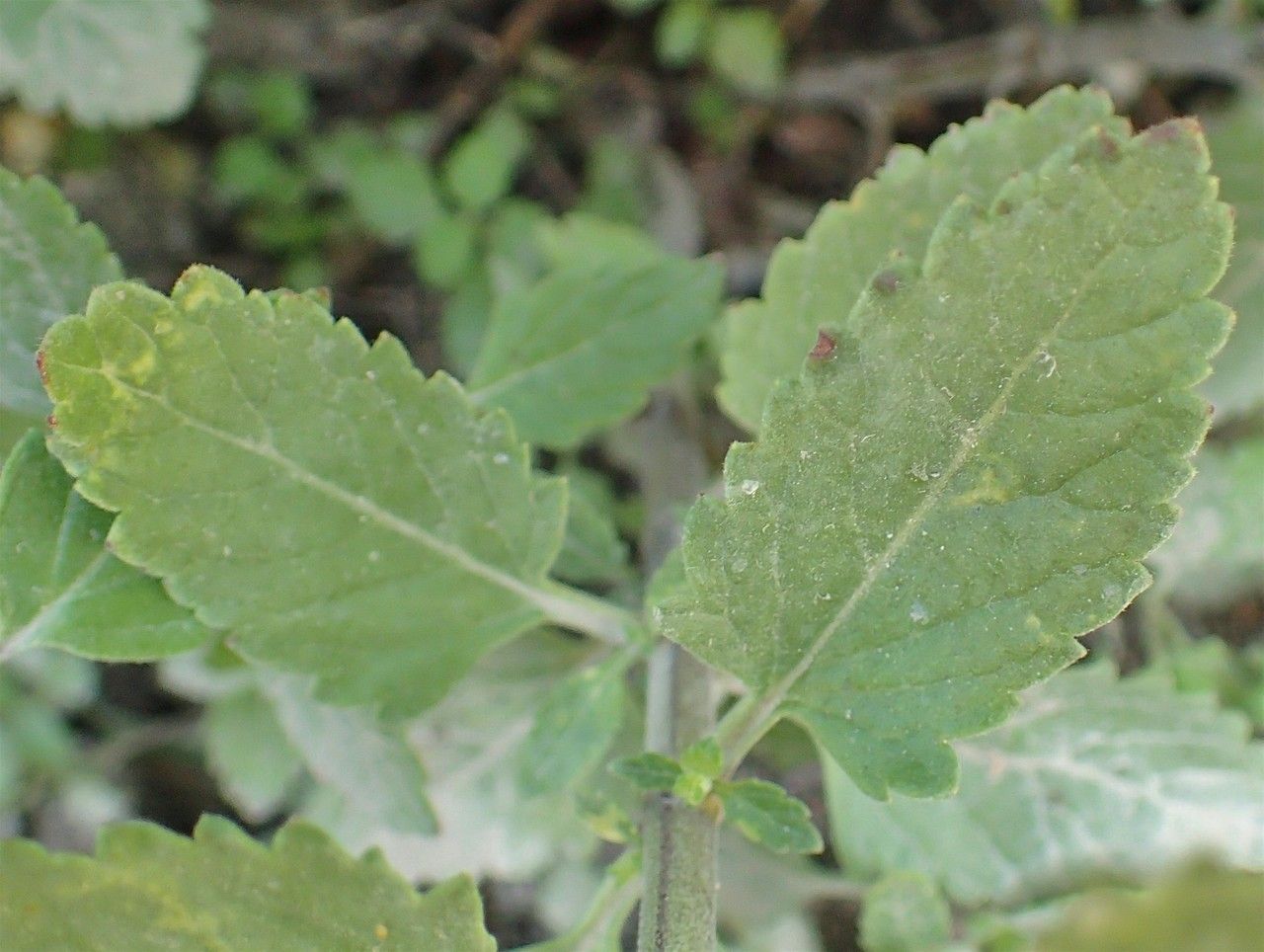
Teucrium flavum is a species of shrub in the family Lamiaceae. They have a self-supporting growth form and simple, broad leaves. Individuals can grow to 0.39 m.
Yellow germander has strong disease resistance and is generally not prone to diseases. In terms of care, this plant is relatively low-maintenance. When planted outdoors, it requires minimal watering, and larger plants generally do not need pruning. However, smaller plants should be pruned after they have finished blooming. Yellow germander is suitable for anyone with an outdoor space, such as a garden or deck, and does not require a lot of gardening experience.
How to keep Teucrium Flavum.
Light
The yellow germander flourishes in steady sunlight. The plant originates from habitats naturally bathed in sun, which supports its healthy growth. Its growth isn't affected by either excessively strong light or by limited light. Nevertheless, the best growth occurs with unobstructed sun so photosynthesis can proceed uninterrupted. It remains resilient, notably sustaining itself in less-than-ideal conditions.
Water
Yellow germander flourishes in rocky, arid regions thanks to its strong drought tolerance. It requires watering only every 2-3 weeks, and it is important to let the soil dry out between waterings. This plant prefers well-draining soil and thrives in conditions similar to its native Mediterranean habitat, which helps manage water effectively during its growth.
Temperature
Yellow germander is native to regions with generally warm temperatures, preferring a range of 59 to 95 °F (15 to 35 ℃). Seasonal adjustments may be necessary in areas where temperatures fluctuate significantly.
Fertilizer
Timing is important for fertilizing Yellow germander. Apply fertilizer in early spring and then every month through early summer. Fertilizer promotes attractive blooms and supplies energy during both dormant and active growth periods.
Pruning
For optimal growth, prune yellow germander during its dormant season, from early to late winter. To encourage a bushier shape, limit cutting to one-third of the plant. Regular pruning also improves airflow, reducing the risk of disease. Always use clean, sharp tools to ensure neat cuts and minimize damage.
Botanical profile.
- Plant Type
- Shrub
- Life Cycle
- Perennial
- Genus
- Teucrium
- Family
- Lamiaceae
- Hardiness Zone
- 7-9
- Mature Height
- 49 cm
- Mature Spread
- 76 cm
- Leaf Color
- Green, Gray
- Leaf Type
- Evergreen
- Flower Color
- Yellow
- Flower Size
- 1.02 cm to 1.52 cm
- Bloom Time
- Summer
- Planting Time
- Spring, Summer, Autumn
- Harvest Time
- Late summer, Early fall, Mid fall
Other names.
Reader questions.
How should I water my Yellow germander?
Your Yellow germander is not very particular about how you water it. You can use any common watering tool, such as watering cans, hoses, or even cups. When it's time to water your Yellow germander, it's best to apply the water directly to the soil. Make sure to moisten all areas of the soil evenly to ensure that every part of the root system receives the necessary water. Using filtered water is helpful because tap water may contain harmful particles for the plant. Additionally, using water at or slightly above room temperature is beneficial as extremely hot or cold water can be a bit shocking to the Yellow germander. However, the Yellow germander generally does well with any kind of water you provide.
Why should I put fertilizer on my Yellow germander?
If you own any type of Yellow germander, regular fertilization is important for its overall health. Providing the right nutrients leads to stronger growth and makes your Yellow germander more resilient to tough conditions and better at fighting diseases and pests. The foliage of your Yellow germander is a highlight, so it's essential to keep it healthy. To achieve this, follow a specific fertilization schedule for your Yellow germander. This will result in vibrant leaves and a lush appearance.
What are the sunlight requirements for Yellow germander?
Yellow germander requires full sun, which means it should receive above 6 hours of sunlight daily. It's important to observe the way sunlight moves through your garden, picking spots that offer a good balance of light and shade. This ensures the plants get enough light without the risk of overexposure.
What is the native temperature range for Yellow Germander?
Yellow Germander thrives in environments where temperatures are generally warm. Its preferred temperature range is between 59 to 95 °F (15 to 35 °C). In regions where temperatures fluctuate significantly outside of this range, seasonal adjustments may be necessary to maintain the plant's health.
What should I do if I give my Yellow germander too much water or not enough water?
When it comes to outdoor plants, especially newly planted ones or seedlings, they can easily suffer from lack of water. It's important to remember to water them regularly for the first few months, while they are still small or newly planted. Once the roots are established, Yellow germander plants can rely on rain most of the time. On the other hand, if your Yellow germander is planted in pots, overwatering is often a common issue. In case you accidentally overwater your plant, it's important to take immediate action to address the situation. First, stop watering your plant to minimize the effects of overwatering. Next, remove your Yellow germander from its pot to inspect its roots. If you find that none of the roots have developed root rot, it should be fine to return the plant to its container. However, if you notice any signs of root rot, trim away the affected roots and consider applying a fungicide to prevent further damage. Finally, repot your Yellow germander in soil that drains well. On the other hand, if your Yellow germander is underwatered, the solution is much simpler. Just water the plant more frequently. Underwatering is easy to recognize as the leaves will droop, dry out, and fall off. Once it's properly watered, the leaves will regain their fullness quickly. It's important to adjust your watering frequency as soon as you notice underwatering.
When should I fertilize my Yellow germander for the best results?
To ensure healthy growth, fertilize your Yellow germander in late winter or early spring. This will provide the necessary nutrients for the plant to thrive when the weather warms up. If you live in a warm climate region, it's also beneficial to give an additional fertilizer feeding in early fall. This will not only provide extra nutrients for the following growing season but also make the plant more resilient to winter cold and prevent foliage damage. Fertilizing earlier will help the new branches grow strong enough to withstand the cold winter.
Can Yellow germander grow under artificial lighting?
Yes, Yellow germander can grow under artificial lighting, especially when natural sunlight is insufficient. Adequate lighting is crucial for optimal growth, making artificial lights like LEDs a viable solution. These can be tailored to provide specific wavelengths necessary for the plant. The recommendations include 30-50W/sq ft for full sun plants, with the light placed 12-36 inches above the plant. The duration of light should mimic natural daylight hours, usually 8-12 hours per day.
Does Yellow Germander require frost protection during winter?
Yellow Germander has strong cold resistance, so special frost protection measures are not usually necessary. However, in extremely cold climates where winter temperatures are expected to drop below -15°C, it is important to protect the plant. This can be done by wrapping the trunk and branches with non-woven fabric or cloth. Additionally, watering the plant abundantly before the first freeze in autumn ensures the soil stays moist and helps prevent drought and water scarcity during winter and early spring.
How much water does my Yellow germander need?
Most outdoor plants can grow naturally with rainfall. However, if your area doesn't get enough rain, you should water your plants every 2 weeks in spring and fall, and more frequently in summer. In winter, when plants need less water, you should water them sparingly or not at all. If you have a young or newly planted Yellow germander, it may need more frequent watering to help it establish and grow. For potted plants, there are two main ways to determine watering frequency for your Yellow germander. The first is to set a regular watering schedule, usually once a week or every other week. However, this may not always work as it doesn't consider the specific growing conditions of your plant. Watering frequency can also vary by season. During summer, when the plant's water needs are highest, a fixed schedule may not be sufficient. Another option is to monitor soil moisture and water when the top few inches of soil have completely dried out.
When should I not put fertilizer on my Yellow germander?
To ensure the health of your Yellow germander, avoid fertilizing it during certain times of the year. Firstly, refrain from fertilizing in the early and mid-winter months when the plant is dormant and does not require additional nutrients. Additionally, it is not advisable to fertilize during the late spring and summer due to the high temperatures and potential dryness. These conditions can harm the plant if fertilized. To prevent any problems, follow a fertilization schedule that includes feeding only in early spring and early fall.
What are some symptoms of Yellow germander not receiving enough light?
Symptoms of insufficient light in Yellow germander include smaller new leaves, leggy or sparse growth, faster leaf drop, and delayed or no new growth. Leaves may also develop lighter coloration or patterns indicating a lack of chlorophyll and essential nutrients. Chlorosis and symptoms such as sunscald, leaf curling, wilting, and leaf scorching can also occur, each indicating different stresses related to light exposure.
What are the symptoms of Yellow Germander under low temperature conditions?
Yellow Germander is cold-tolerant and prefers temperatures above 15°C. During winter, it should be kept above -10°C to avoid damage. If temperatures fall below -15°C, the branches may become brittle and dry by spring, with no new shoots emerging. To address this, prune away any dead branches that have failed to produce new leaves once spring arrives.