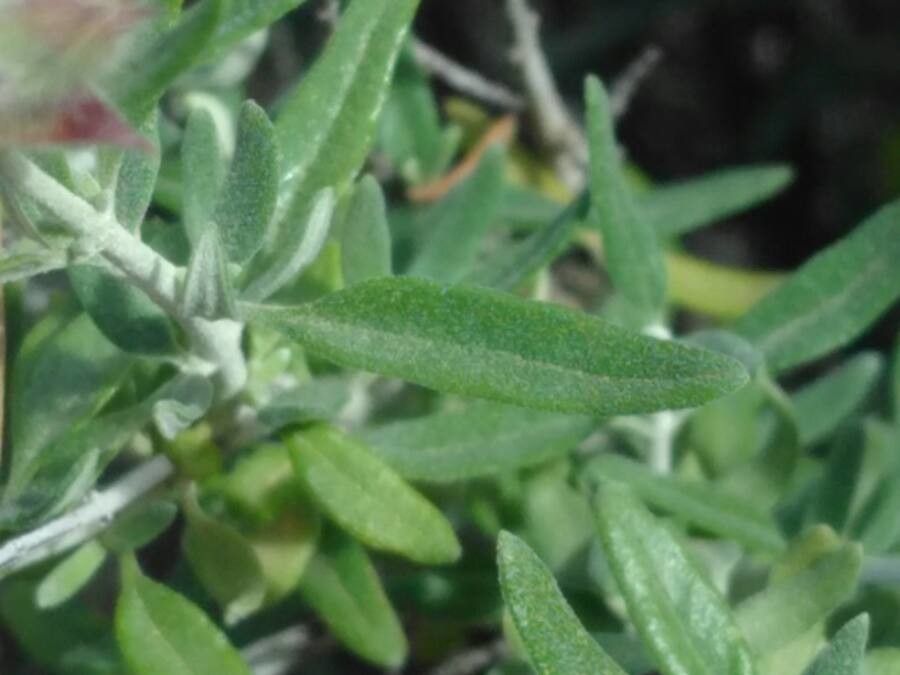
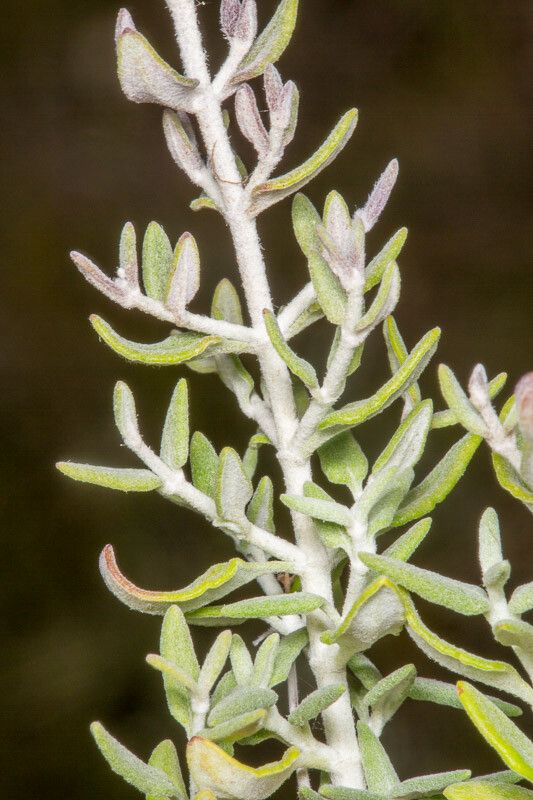
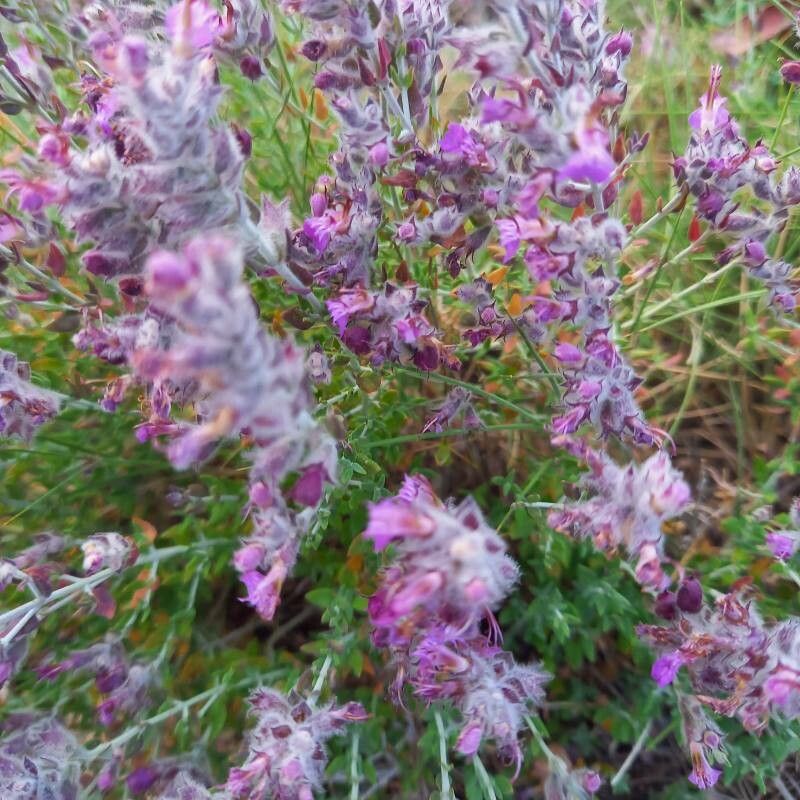
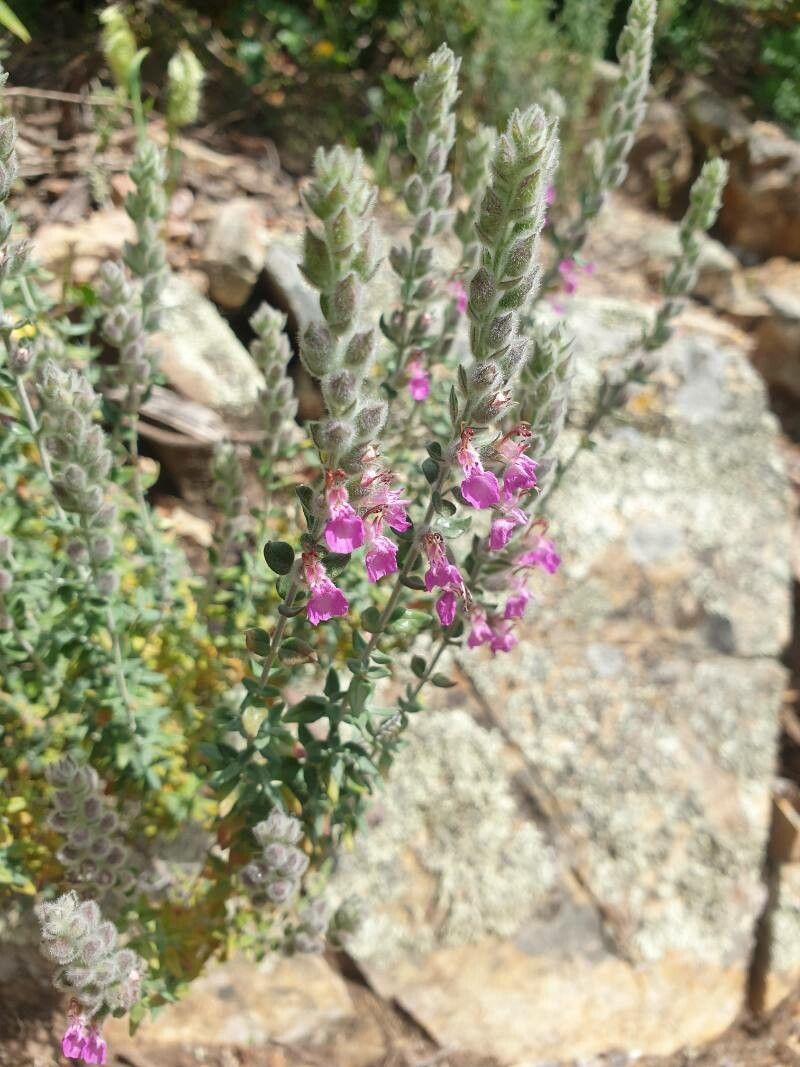
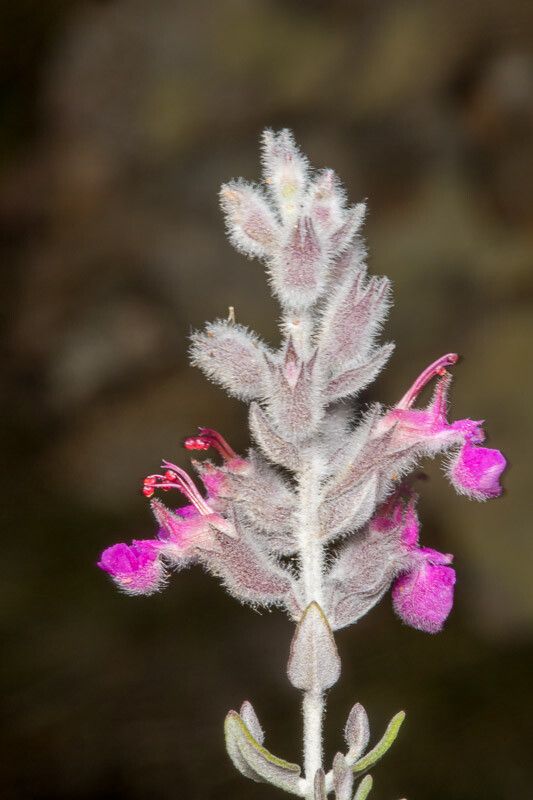
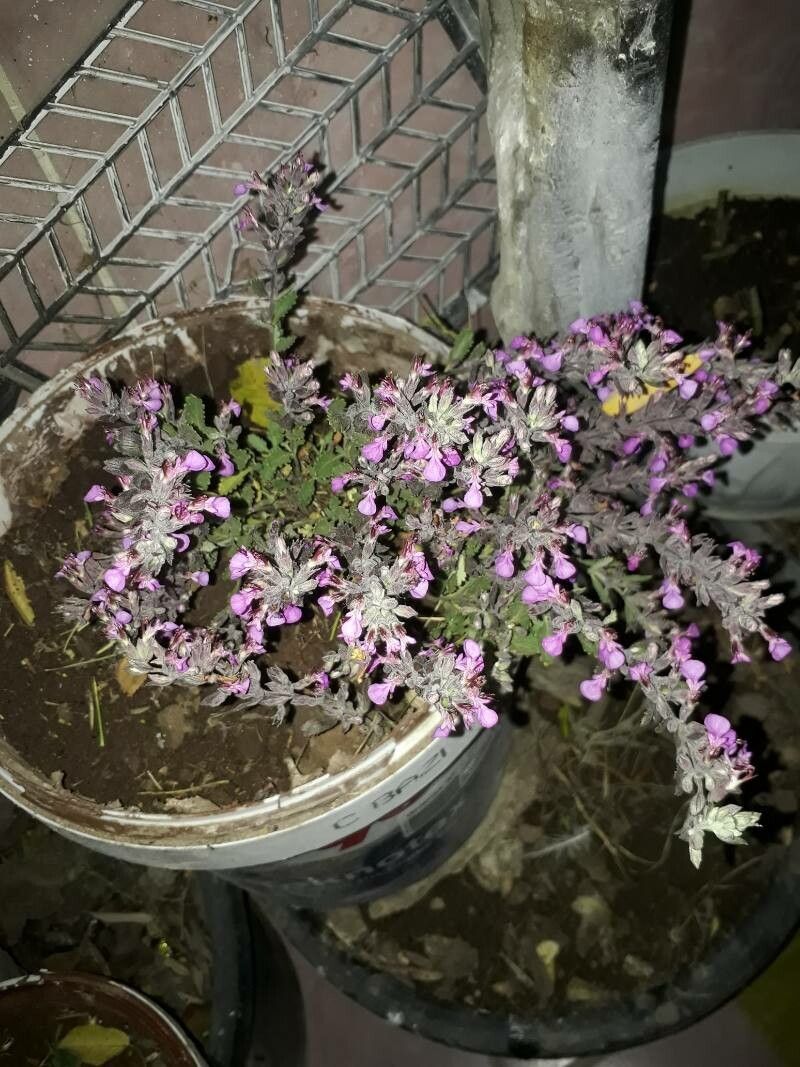
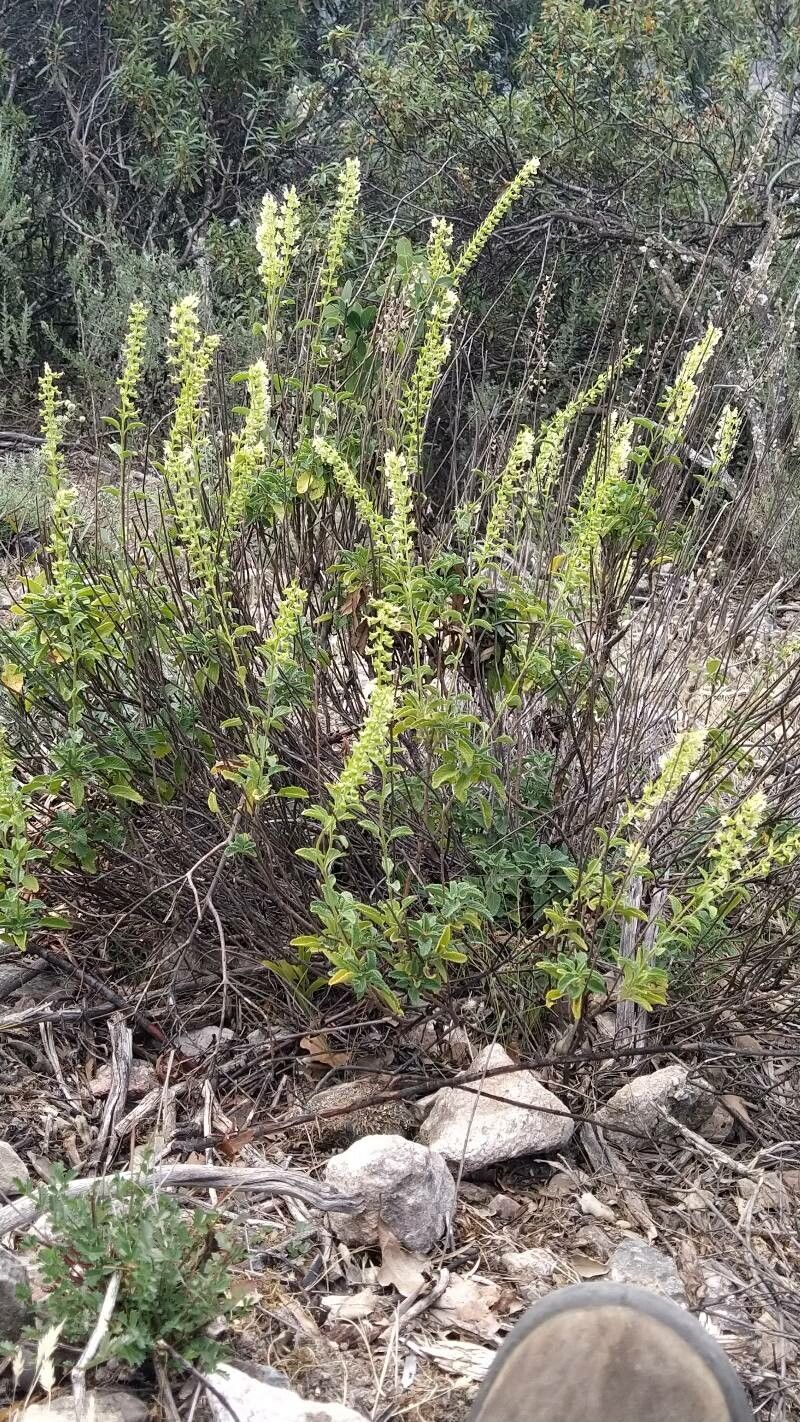
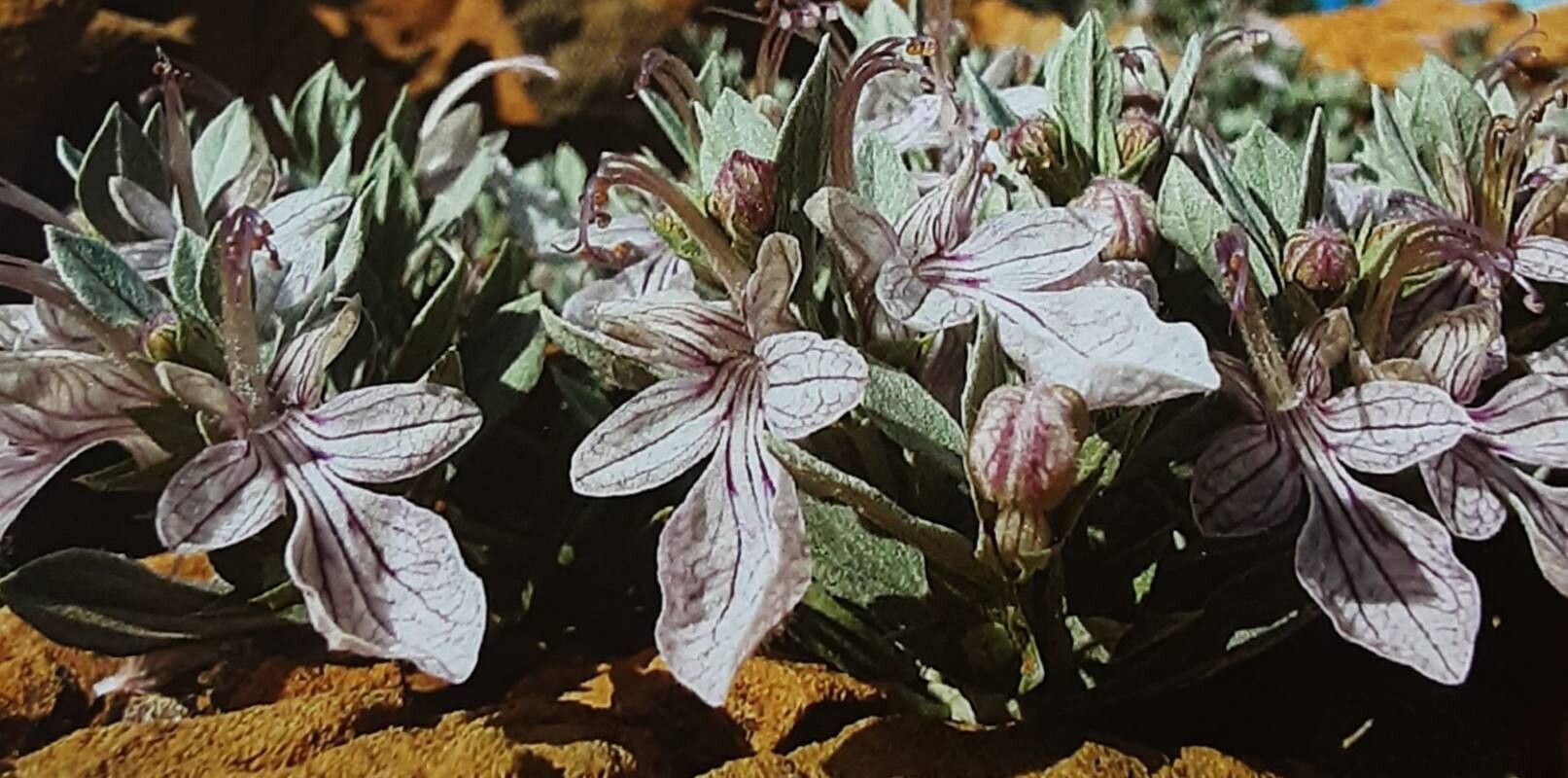
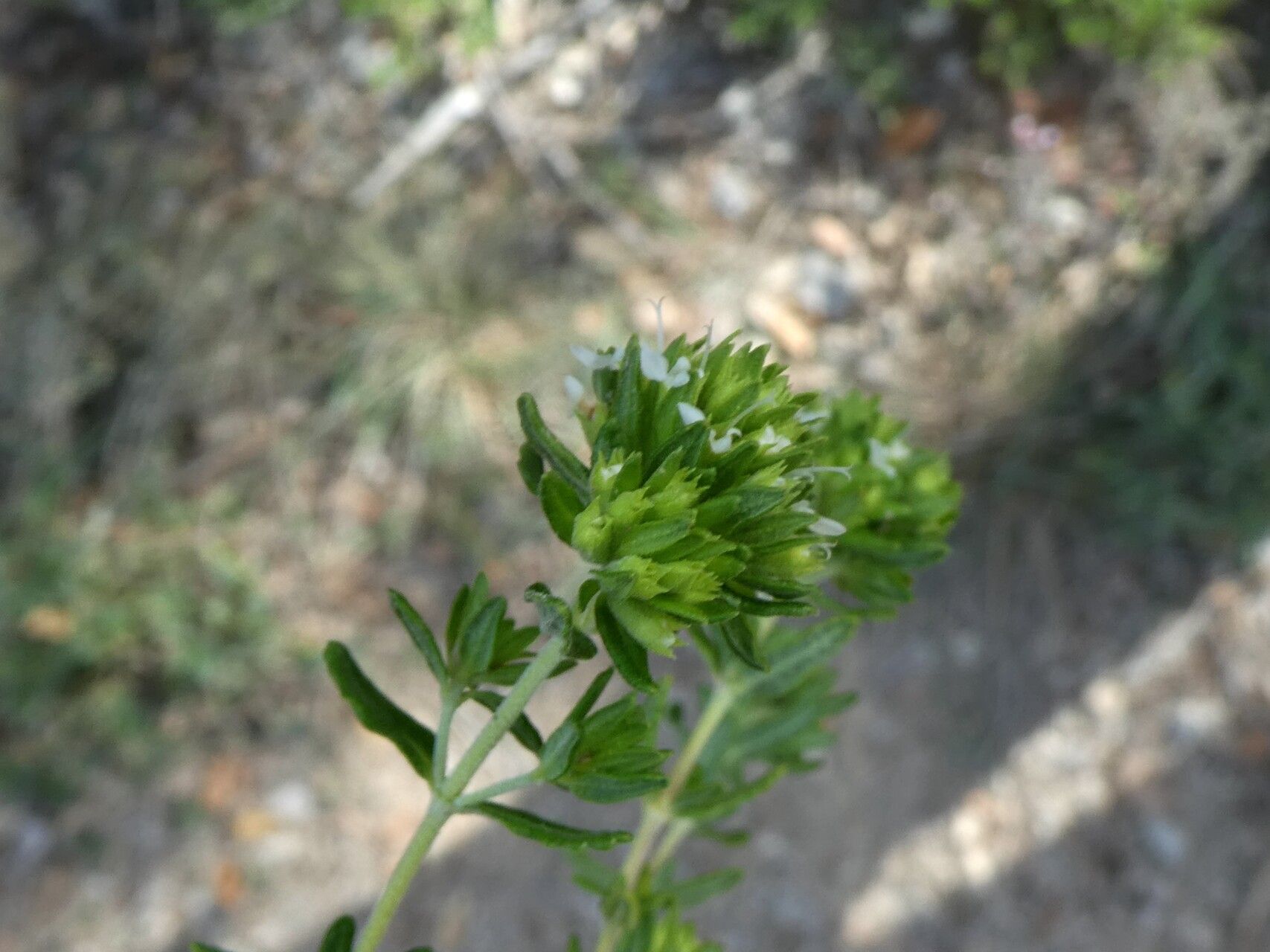
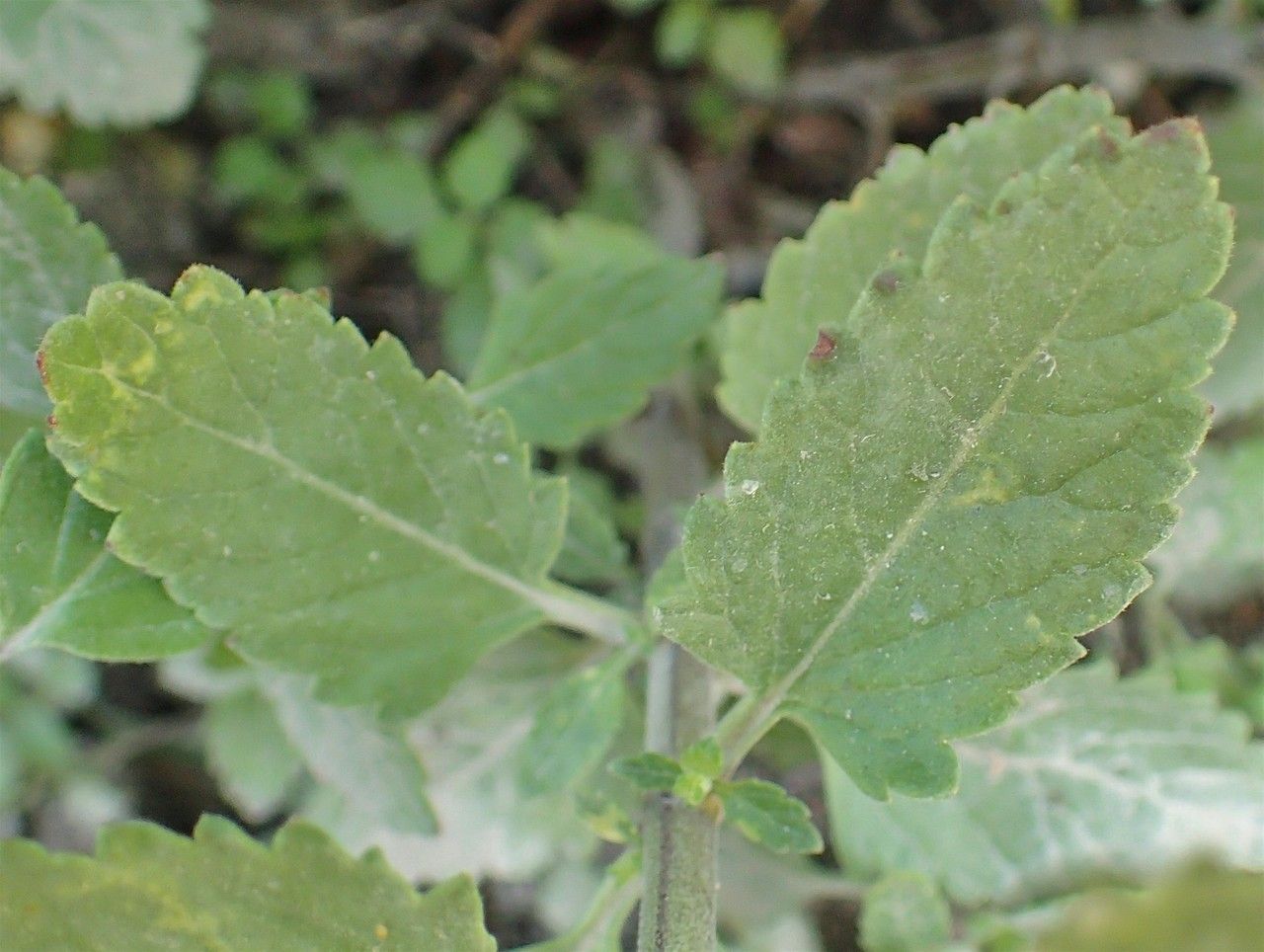
Teucrium marum, commonly known as cat thyme or wild marjoram, is a small perennial herb in the mint family. Native to the Mediterranean region, this plant thrives in rocky, dry habitats. It features a woody stem that can grow up to 30 cm tall, adorned with small, aromatic leaves that are gray-green in color. During the summer months, cat thyme produces clusters of pink or purple flowers that are highly attractive to bees and other pollinators. Historically, the plant has been valued for its medicinal properties, particularly its antiseptic qualities. Beyond its medicinal uses, cat thyme is also popular as an ornamental plant. Its appealing foliage and flowers make it a great addition to rock gardens or containers with well-draining soil, especially in full sun. In summary, Teucrium marum is a versatile herb that offers both aesthetic and health benefits. Its beautiful appearance and pleasant fragrance enhance garden settings, while its medicinal properties can provide health benefits when used appropriately under medical supervision.
Cat thyme is fairly disease-resistant and typically does not suffer from many illnesses. However, it can be vulnerable to pests and diseases present in its environment. These infections are generally not severe. Regarding care, this plant needs moderate maintenance. It should be pruned routinely to keep a tidy appearance and support healthy growth. Applying fertilizer can also help encourage flowering. Cat thyme is appropriate for anyone with outdoor space, such as a garden or patio, and does not require extensive care experience. It may need more attention when grown indoors.
How to keep Teucrium Marum.
Light
Cat thyme prefers locations with prolonged daily sunlight, as this encourages its optimal growth. While it does well with that amount of light, it has no recorded tolerances. Its native habitat received abundant sun, providing ideal conditions. Too much or too little sunlight can negatively affect its health.
Water
Cat thyme, native to the rocky soils of the Mediterranean, thrives in dry conditions with minimal moisture. It requires watering only once a week and needs soil that drains well. Best suited for outdoor growth in full sunlight, cat thyme is resilient to both heat and drought, requiring less frequent watering than many other herbs.
Temperature
Cat thyme comes from areas where temperatures range from 59 to 100.4 °F (15 to 38 ℃). It favors temperate conditions but can adapt to fluctuations within that span, especially during seasonal changes.
Fertilizer
The best time to fertilize a Cat thyme is in early spring, as it comes out of dormancy and begins active growth. Fertilizing supplies essential nutrients for healthy growth. Although Cat thyme has relatively low fertilizer needs, annual fertilization can improve its survival and encourage better, longer-lasting flowers.
Pruning
Cat thyme has aromatic leaves and small pink flowers. To encourage healthy growth and maintain its shape, you should prune it in early spring or late winter. Start by removing any dead branches and cutting back to healthy buds. Be sure to limit your cuts to no more than one-third of the plant's size to minimize stress and improve airflow.
Botanical profile.
- Plant Type
- Herb, Shrub
- Life Cycle
- Perennial
- Genus
- Teucrium
- Family
- Lamiaceae
- Hardiness Zone
- 8-11
- Mature Height
- 49 cm
- Mature Spread
- 61 cm
- Leaf Color
- Green, Gray
- Leaf Type
- Evergreen
- Flower Color
- Yellow, Green, Cream, Purple
- Flower Size
- 7.62 cm to 12.70 cm
- Bloom Time
- Summer, Early fall
- Planting Time
- Spring, Autumn
- Harvest Time
- Late summer, Fall
Other names.
Reader questions.
How should I water my Cat thyme?
To properly water Cat thyme, use filtered water at room temperature. Tap water may contain harmful particles, so filtered water is preferred. The plant is used to a warm environment, so avoid using cold water as it can be a shock to the plant. Additionally, overhead watering should be avoided as it can cause issues with the foliage. Instead, apply filtered room temperature water directly to the soil until it is completely soaked. This helps to moisten the roots and promote healthy growth by allowing them to spread through the soil and absorb necessary nutrients.
What are the sunlight requirements for Cat thyme?
Cat thyme requires full sun exposure of above 6 hours daily to thrive. It's essential to monitor the sunlight's movement through your garden to find spots that offer a balanced exposure of light and shade, ensuring the plants' growth and happiness. In its native habitat, Cat thyme benefits from extensive daily sunlight, which is crucial for its optimal growth. However, both overexposure and underexposure to sunlight can negatively affect the plant's health.
What is the ideal temperature range for growing Cat thyme?
Cat thyme flourishes in temperatures ranging from 59 to 100.4 °F (15 to 38 °C). It is adaptable to variations within this range, particularly during seasonal changes, making it suitable for temperate environments. The plant has a certain level of cold tolerance and typically does not require special care for temperatures above -5°C. However, for temperatures expected to plummet below -5°C, protective measures such as wrapping the plant in plastic film, fabric, or other suitable materials are advisable. These protections should be removed as soon as temperatures rise again to avoid any potential damage.
If I give my cat too much or too little water, what should I do?
Overwatering and underwatering can harm your Cat thyme plant, but overwatering is more commonly an issue. When this plant gets too much water, its stems and leaves may wilt and turn yellow. Overwatering for a long time can also cause diseases like root rot, mold, and mildew, which can be deadly for the plant. Underwatering is less likely for Cat thyme since it can tolerate drought well. However, it is still possible, and in such cases, the leaves may become brittle and brown. It is important to recognize the signs of overwatering early on. Some diseases caused by overwatering, like root rot, cannot be fixed if you wait too long. If you notice early signs of overwatering, reduce your watering schedule right away. You should also check the soil quality where your Cat thyme is growing. If it drains poorly, replace it with a loose, well-draining potting mix. On the other hand, if you suspect your Cat thyme is not getting enough water, simply water it more consistently until the symptoms improve.
How can artificial lighting supplement Cat thyme's growth indoors?
For Cat thyme growing indoors where natural sunlight is insufficient, especially in winter or less sunny locations, artificial lighting can be critical. The choice of artificial lighting, such as LED lights, should match the specific light wavelengths needed by the plant. Full sun plants require 30-50W per square foot, partial sun plants 20-30W, and full shade plants 10-20W. The light source should be positioned 12-36 inches above the plant to mimic natural sunlight, ensuring the plant receives 8-12 hours of light per day to promote faster, healthier growth.
How does Cat thyme react to low temperatures, and what are the solutions?
Cat thyme can moderately tolerate low temperatures but fares best when kept above 15°C. During winter, the temperature should not fall below -5°C. If temperatures drop below -10°C, Cat thyme’s leaves may droop; they can recover in mild cases, but severe cold may lead to wilting and leaf loss. The solution involves trimming off frost-damaged parts of the plant. Before encountering low temperatures again, it is advisable to wrap the plant with non-woven fabrics or cloths and create a wind barrier to shield it from cold winds.
How often should I give water to my Cat thyme plant?
If your Cat thyme is in a pot, an accurate way to determine if it needs water is by sticking your finger into the soil. If the top 2-3 inches of soil feels dry, then it is time to water it. The same method applies if you are growing Cat thyme outdoors in the ground. Once the first few inches of soil are dry, it's time to water. In the spring and early fall, watering once a week is often sufficient. However, during extremely hot weather, you may need to water twice or more per week. Nevertheless, mature and well-established Cat thyme plants can endure periods of drought with impressive resilience.
What are the symptoms of inadequate lighting for Cat thyme?
Symptoms of inadequate lighting in Cat thyme include smaller new leaves, leggy or sparse growth, faster leaf drop, and slower or no new growth. Lack of sufficient light leads to a decrease in chlorophyll and essential nutrients, causing irregular color patterns or paler leaves. Excessive sunlight can also result in chlorosis, sunscald, leaf curling, wilting, and leaf scorching, indicating the plant is in distress from too much light exposure.
What effects do high temperatures have on Cat thyme, and how can they be mitigated?
In summer, it is essential to keep Cat thyme’s temperature below 38°C to prevent stress on the plant. Temperatures exceeding 43°C may cause the leaves’ color to lighten, tips to dry and wither, leaves to curl, and the plant becomes prone to sunburn. To mitigate these effects, trim away sunburned and dried parts, relocate the plant to a shaded location during the midday and afternoon sun, or use a shade cloth. Additionally, watering the plant in the morning and evening helps keep the soil moist and the plant healthy.
How much water does my Cat thyme need? --> How much water does my Cat thyme require?
When watering your Cat thyme, be generous with the amount of water you give. Make sure the top two to three inches of soil are dry before watering. It's best to thoroughly soak the soil and ensure that the water flows through the drainage holes at the bottom of the pot. If you don't see excess water draining, it means you haven't watered enough. However, avoid letting water accumulate in the soil, as it can harm the plant. If water doesn't drain well, it's important to use well-draining soil. If the plant is outside, one inch of rain per week should be enough.
How can I address lighting issues for Cat thyme?
To ensure Cat thyme receives optimal lighting, gradually increase its exposure to sunlight until it gets at least 6 hours of direct sunlight daily. For indoor plants, use artificial lighting if moving the plant isn't feasible, keeping the lights on for at least 8 hours a day. Outdoors, slowly transition your plants to sunnier spots to avoid sunburn. Reduce sunlight obstructions by pruning trees or relocating plants to brighter areas. Remember, while parts of the plant that suffered from inadequate light may not recover, new growth should be healthy once proper light conditions are met.
How should I give water to my Cat thyme at different times when it's growing?
The water requirements of Cat thyme depend on its growth stages. In the early years and after transplanting, it needs more water to support root development. Once it matures, it requires less water. Additionally, during the bloom period, it may need extra water for flower development.