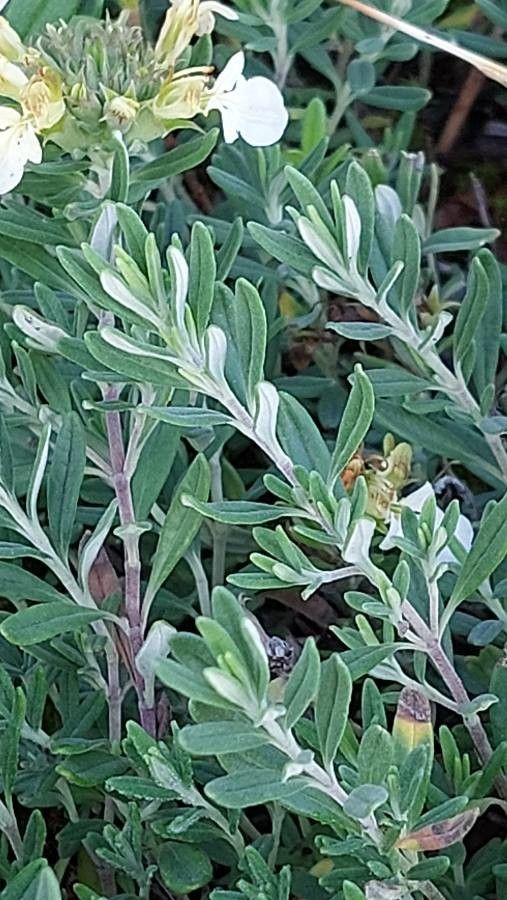
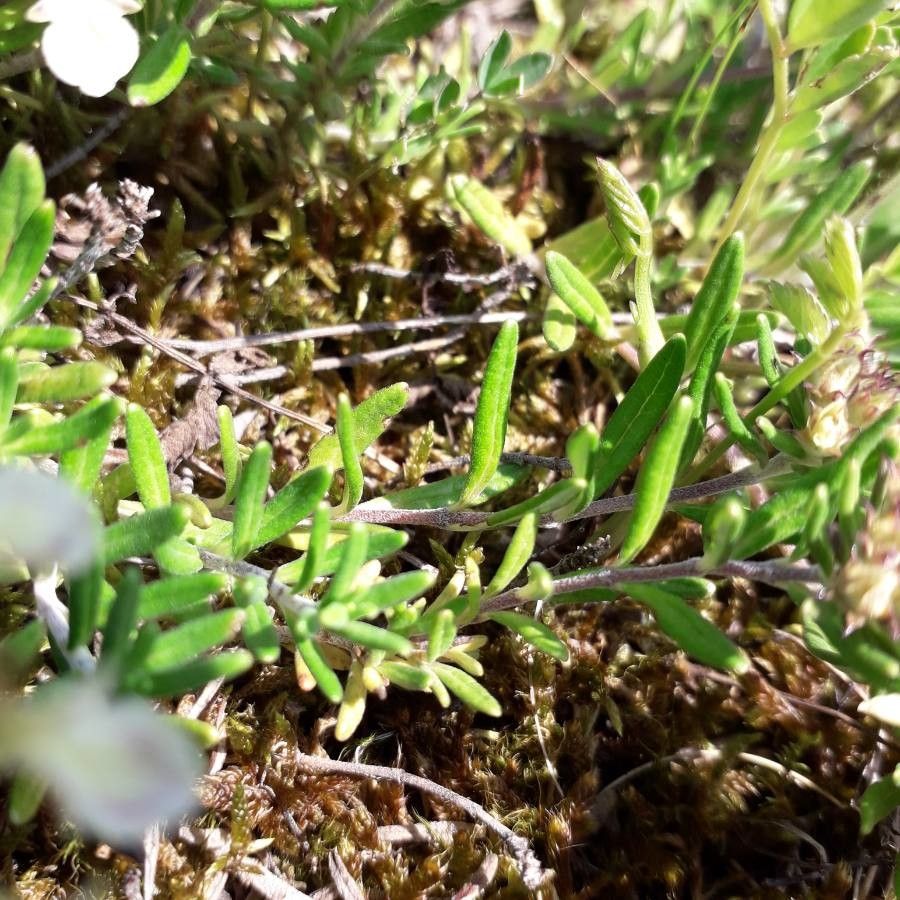
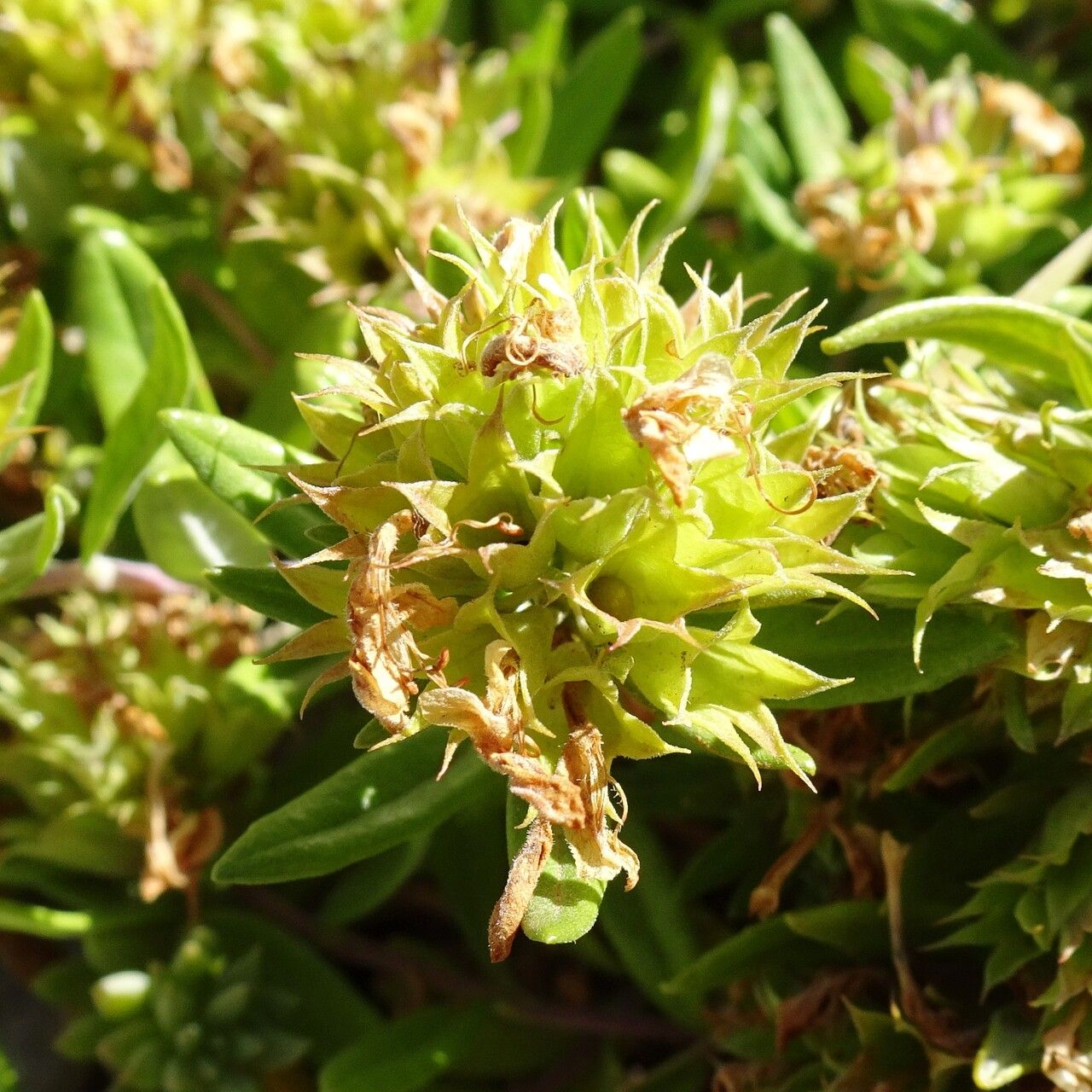
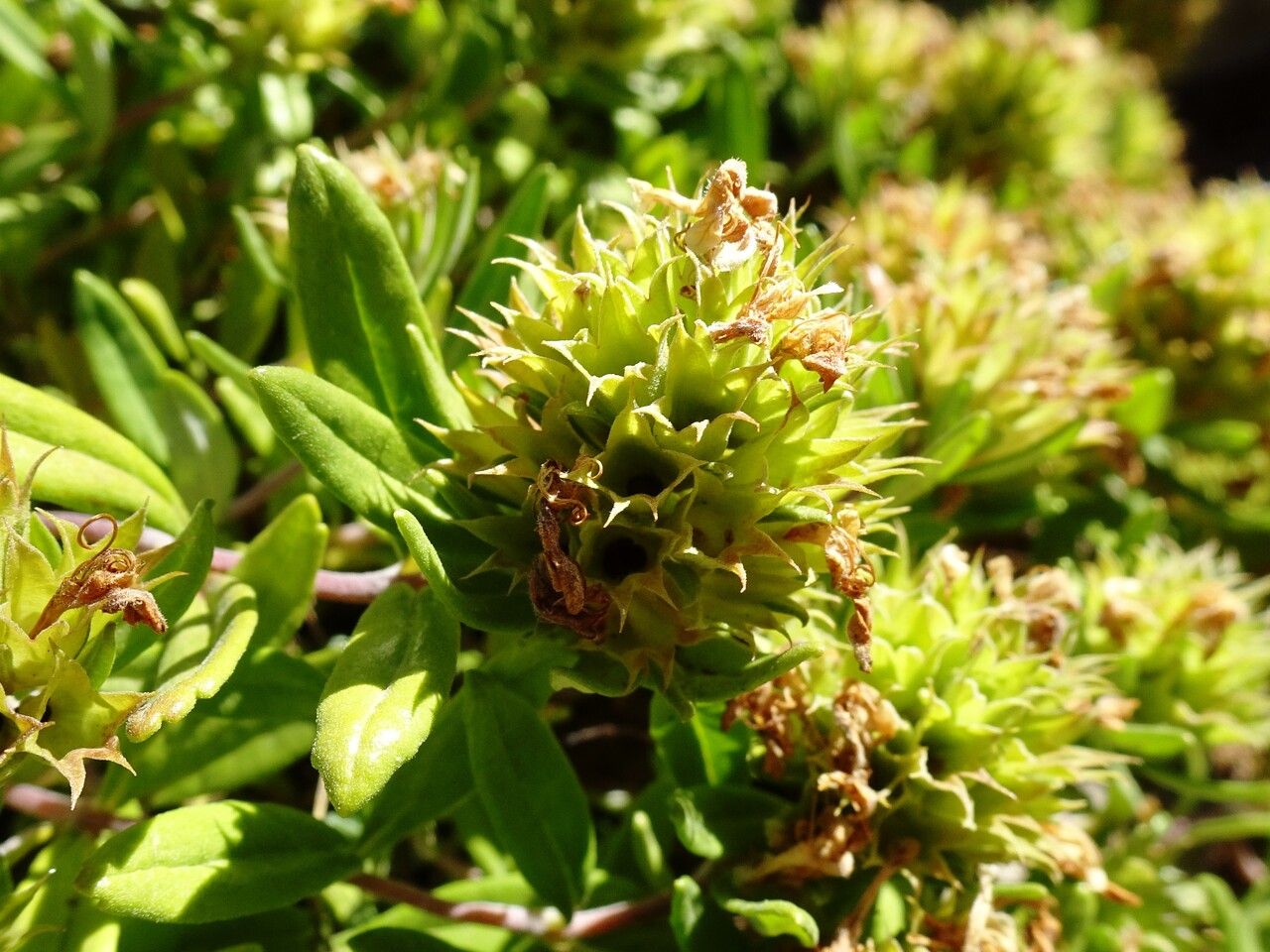
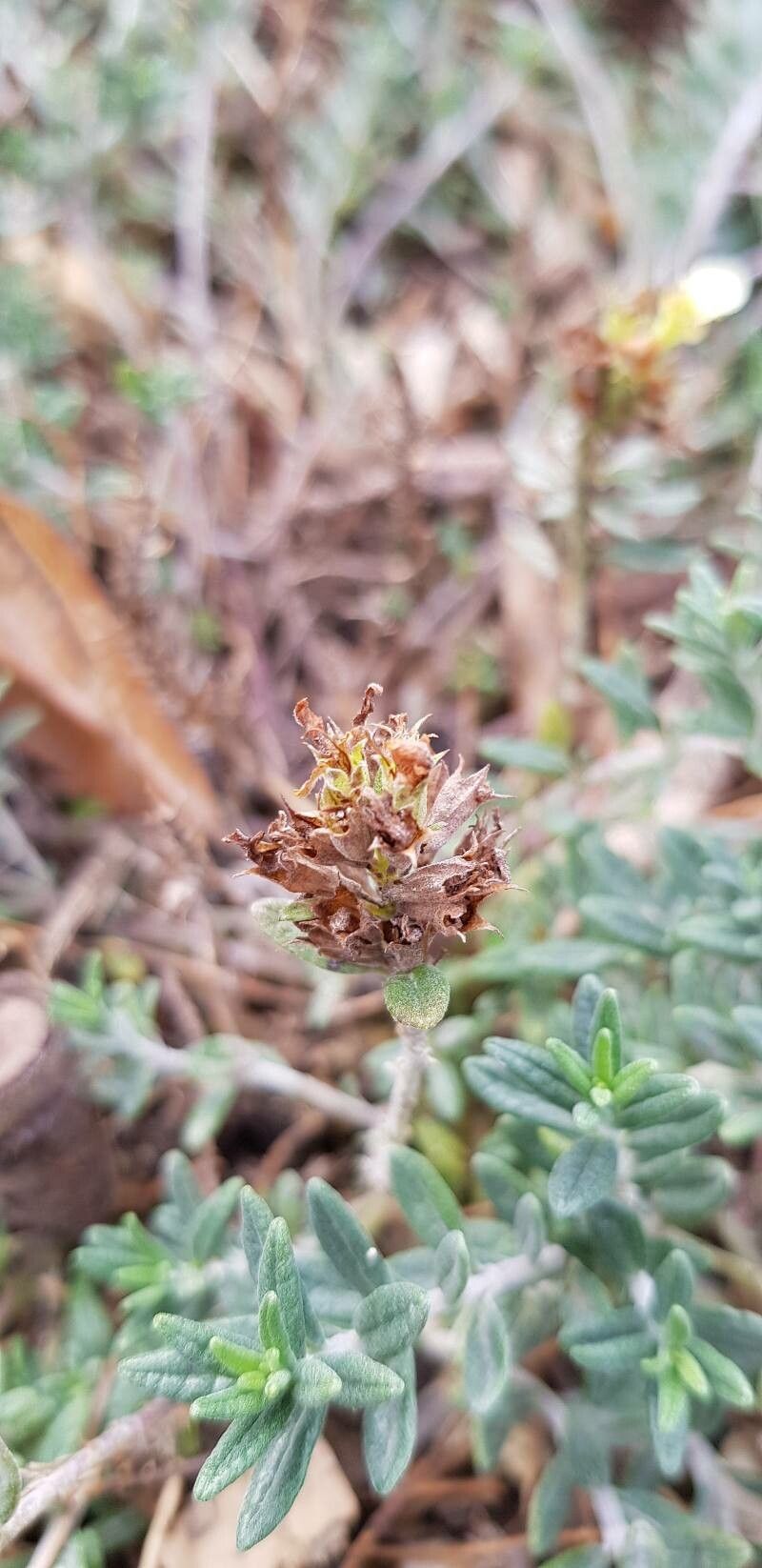
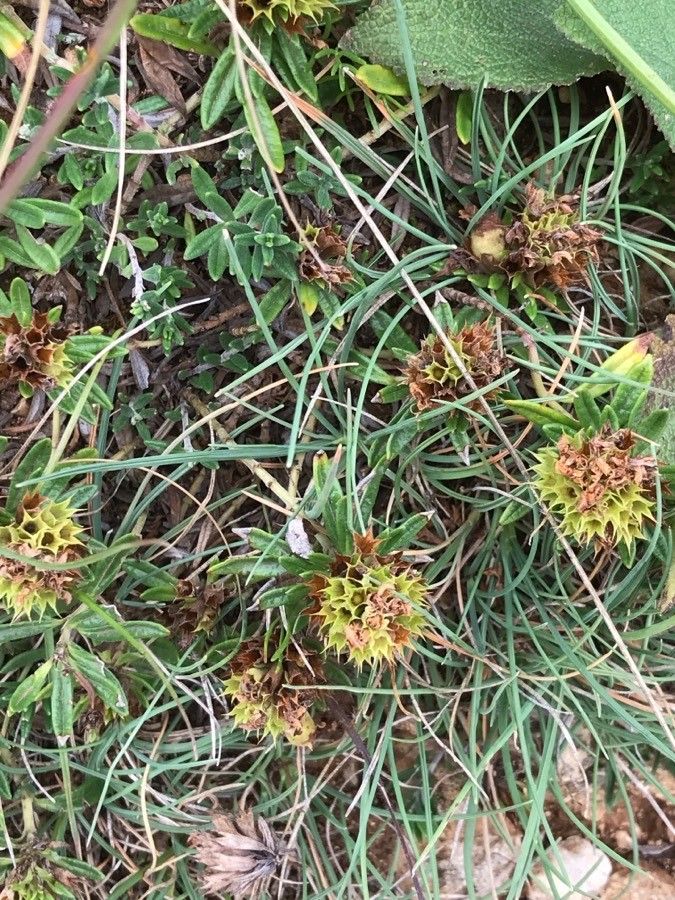
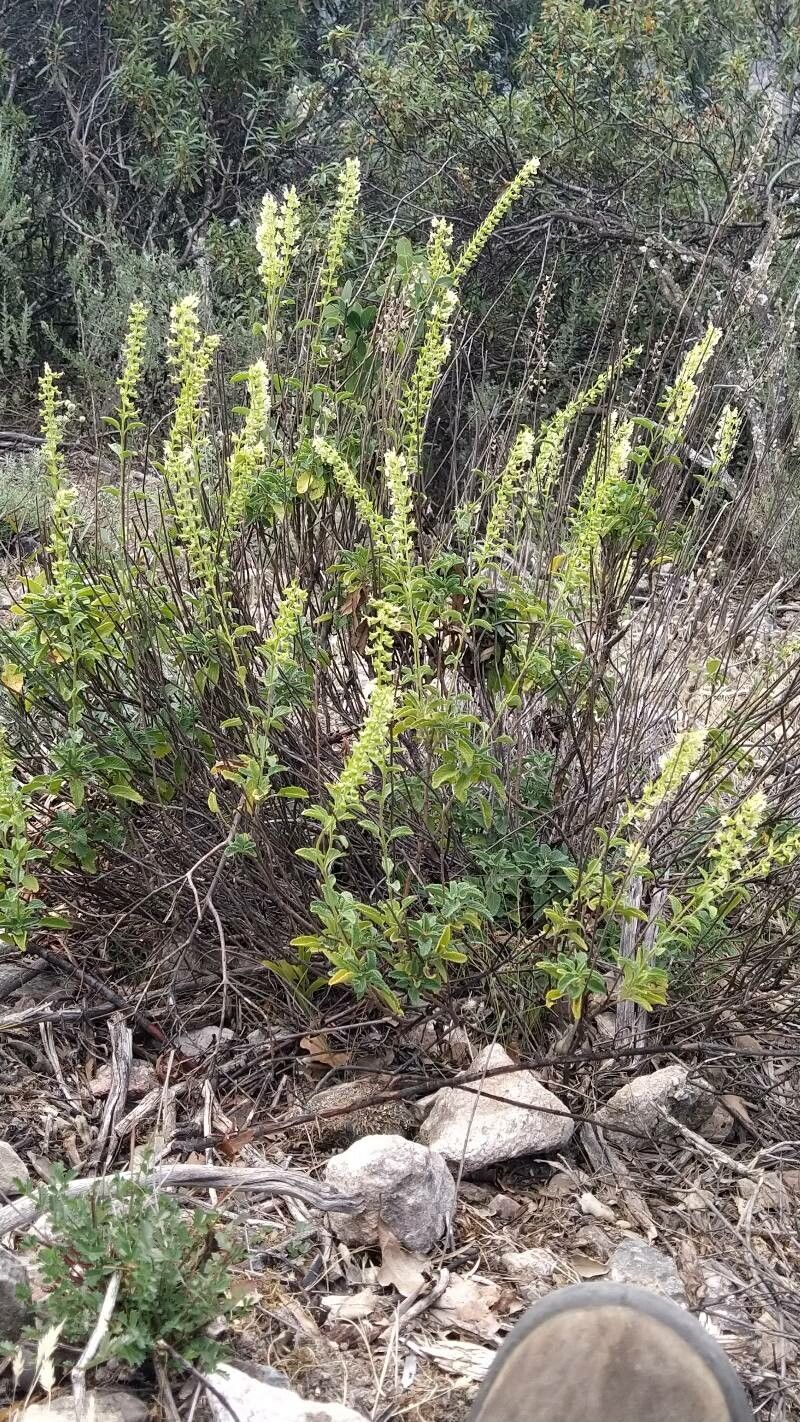
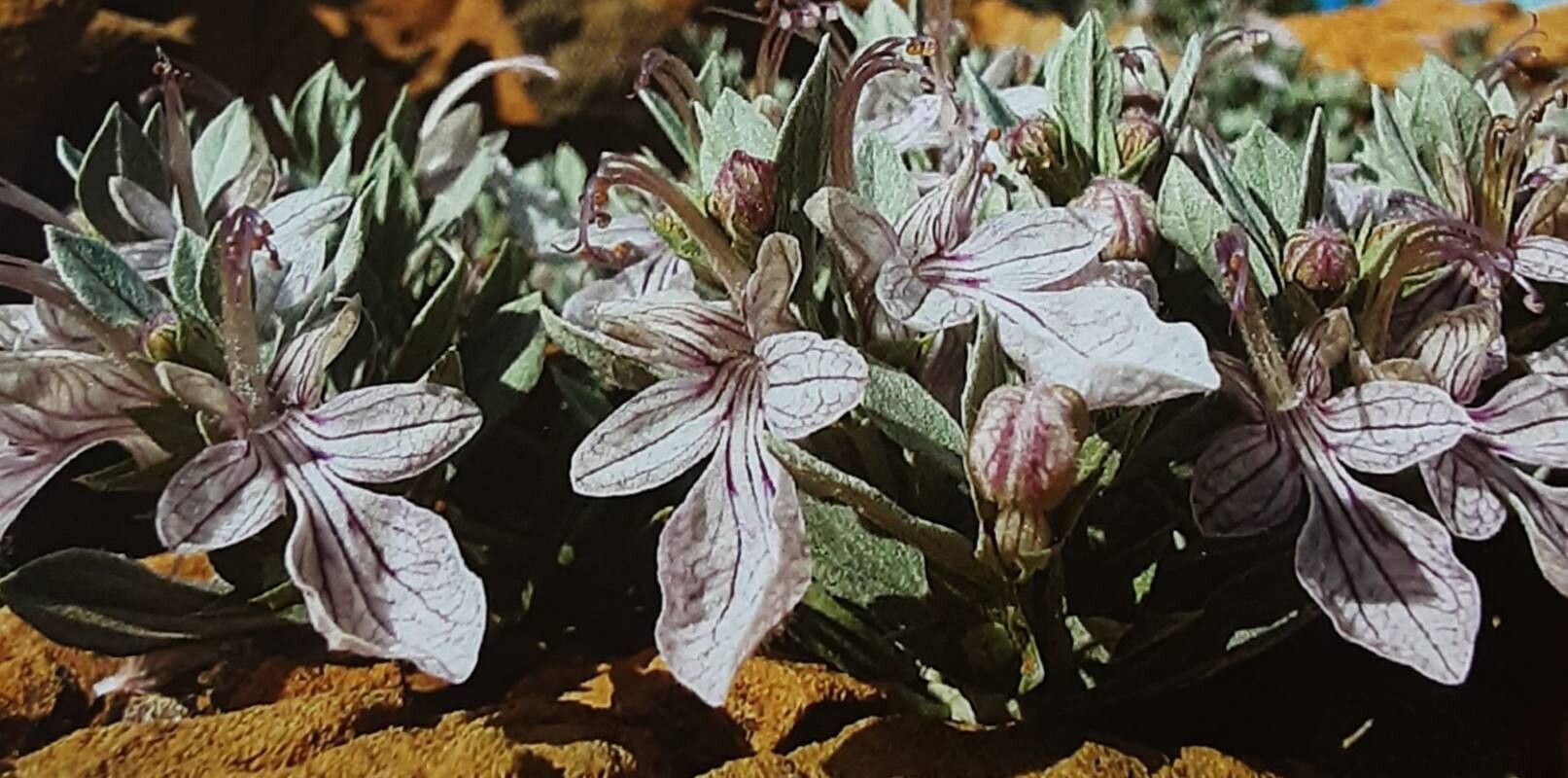
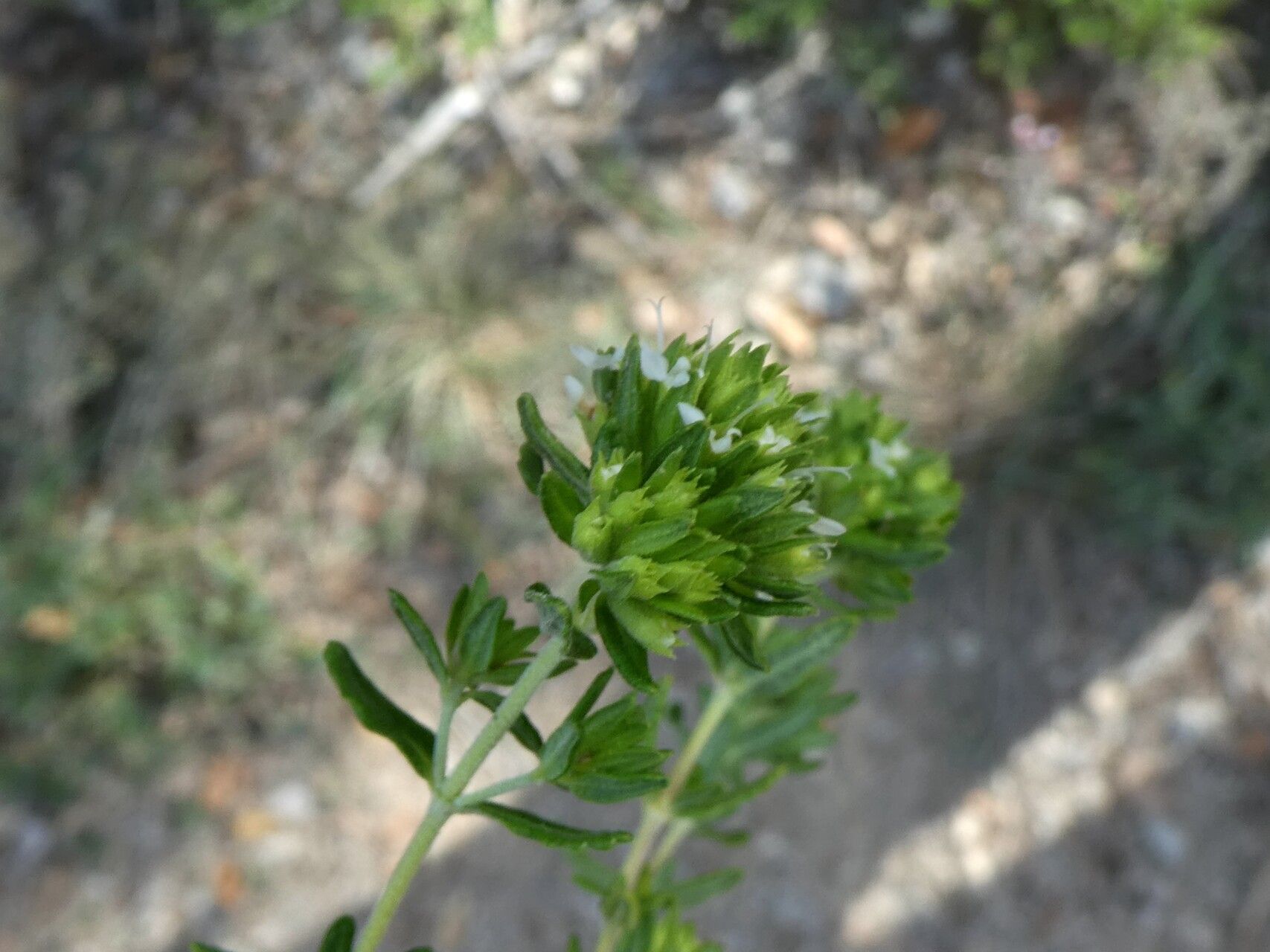
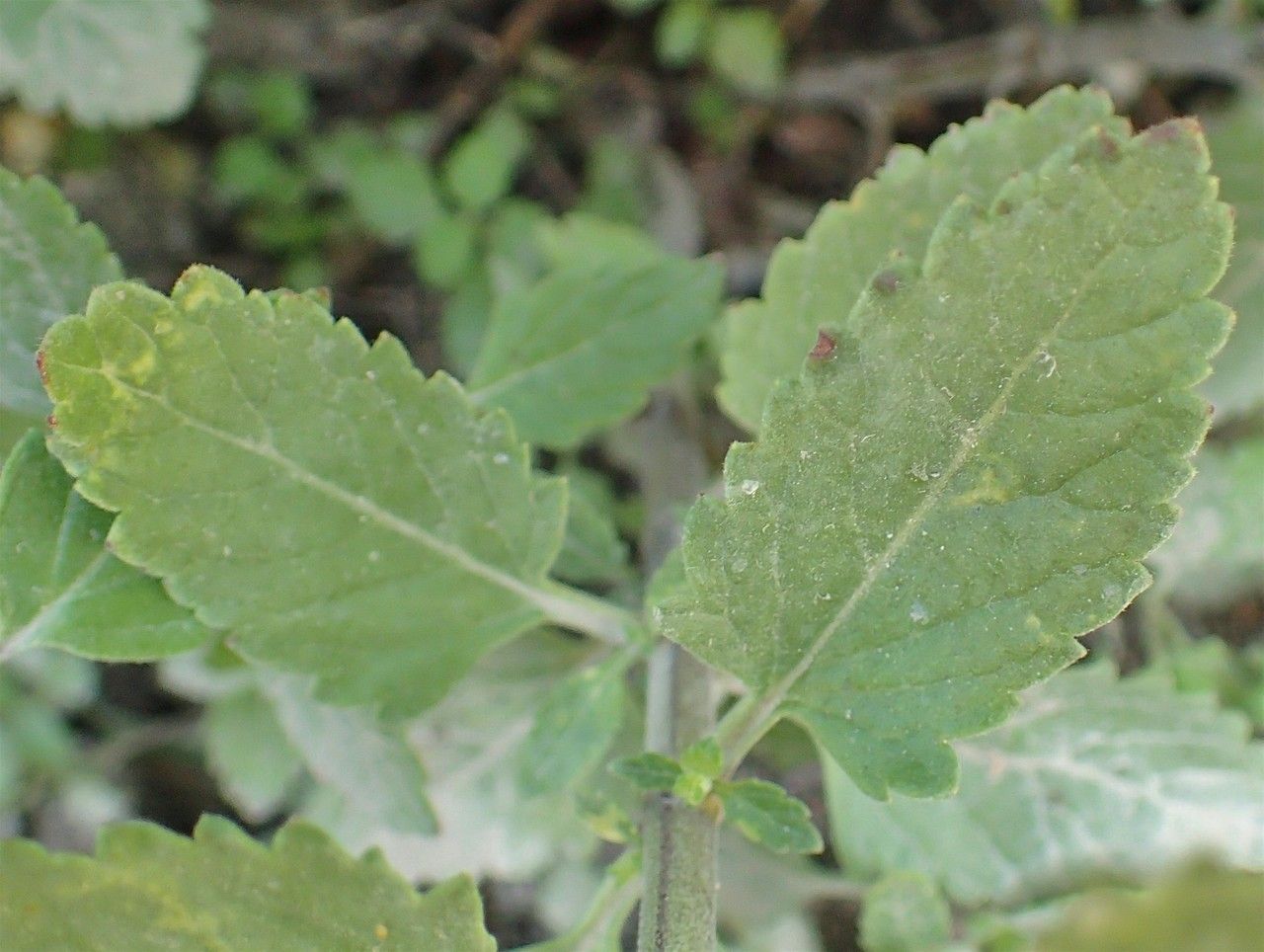
Teucrium montanum, commonly known as mountain germander, is a perennial herbaceous plant that belongs to the Lamiaceae family. Native to Europe, it thrives in rocky areas, meadows, and forests. The plant has a compact growth habit with woody stems that can reach up to 50 cm in height. Its leaves are small, oval-shaped, and dark green.
The flowers of Teucrium montanum are small and tubular, with a pinkish-purple hue. They bloom from June to September, attracting bees and other pollinators. The plant is renowned for its medicinal properties, containing essential oils with anti-inflammatory, antiseptic, and antispasmodic effects.
Teucrium montanum requires well-drained soil and thrives in full sun or partial shade for optimal growth. Once established, it is drought-tolerant but needs regular watering during its first growing season.
Overall, Teucrium montanum is an attractive herbaceous perennial that adds beauty to any garden while also offering medicinal benefits.
Mountain germander has good disease resistance and is generally not susceptible to disease. In terms of care, this plant is fairly low-maintenance. Planted outdoors, it needs only minimal watering, and larger plants typically do not require pruning. Smaller plants, however, should be pruned after they finish blooming. Mountain germander is suitable for anyone with an outdoor area, such as a garden or deck, and does not demand much gardening experience.
How to keep Teucrium Montanum.
Light
Mountain germander comes from open habitats, such as sunny meadows and forest edges, which supply abundant light. It performs best in Full Sun but can also tolerate Partial Sun, adapting well to a range of sunlight conditions.
Water
Mountain germander, which originates from dry, rocky areas, thrives with infrequent watering, typically every 2-3 weeks. This drought-tolerant and resilient plant is perfect for outdoor planting in rock gardens, where it excels at maximizing water retention during the growing season.
Temperature
Mountain germander is very adaptable to a wide range of climatic conditions, from blazing summers to cold winters. However, it does have an optimal temperature range for healthy growth. When temperatures become too high, the plant is susceptible to heat and humidity stress, which can cause it to die. In locations where temperatures approach the lower limit of its cold tolerance, it is important to provide insulation to protect the plant.
Fertilizer
Timing is important when fertilizing Mountain germander. Apply fertilizer in early spring and repeat monthly through early summer. Fertilizer promotes attractive blooms and supplies energy during both dormant and active growth phases.
Pruning
Mountain germander is a hardy, low-growing shrub with aromatic leaves and small white to pink flowers. To promote new growth, denser foliage, better air circulation, and lower the risk of disease, prune it in early spring by cutting back up to a third of its growth.
Botanical profile.
- Plant Type
- Shrub
- Life Cycle
- Perennial
- Genus
- Teucrium
- Family
- Lamiaceae
- Hardiness Zone
- 6
- Mature Height
- 15 cm
- Mature Spread
- 30 cm
- Leaf Color
- Dark Green
- Leaf Type
- Semi-evergreen
- Flower Color
- White
- Flower Size
- 2.54 cm
- Bloom Time
- Summer
- Planting Time
- Spring, Summer, Autumn
- Harvest Time
- Early fall, Mid fall
Other names.
Reader questions.
What happens if I give Mountain germander too much or too little water?
Mountain germander can show signs of overwatering, such as yellowing, dropping leaves, and wilting. The plant may also appear dull and unhealthy, with mushy stems. When these signs are present, it's best to adjust your watering schedule. On the other hand, wilting can also indicate under watering, which causes the leaves to become crispy and dry. In such cases, check the soil and give it a thorough watering if it is dry. However, even if the plant recovers with enough water, it may still have yellow leaves due to a damaged root system. Once it returns to normal, the yellowing will stop. Indoor Mountain germander should be regularly checked for moisture levels to avoid overwatering. If you notice black spots, allow the soil to dry out by withholding water for a few days. Overwatering can lead to root rot, so consider transferring the plant to a different pot if you see discolored and slimy roots. Always prevent root rot by avoiding overly soggy soil. For outdoor planting, ensure the soil is adequately moist and water as needed to help the plant recover.
What are the sunlight requirements for Mountain Germander?
Mountain Germander thrives in environments that offer full sun, requiring more than 6 hours of sunlight per day, but it can also tolerate partial sun, which is about 3-6 hours of sunlight. The plant is adaptable to various sunlight conditions, originating from sunny meadows and forest edges. To ensure your plants are happy, it's crucial to watch how sunlight moves through your garden and select locations that provide a balanced mix of light and shade.
How frequently should I give my Mountain germander water?
The Mountain germander prefers deep and infrequent watering, especially if it is planted in pots. Due to the limited water storage in pots, the soil can dry out quickly. In colder regions, you should water them every 3 to 5 days. It's best to water them early in the morning when the soil is dry, both indoors and outdoors. You can check if watering is needed by examining the soil. When the top 2-3 inches of soil are dry, it's time to water the plant thoroughly. On hot days, you may need to check the moisture daily, as the soil in the pot can dry out rapidly. If you have a garden, it's also important to irrigate the soil. In a hot climate, watering once a week is usually sufficient. Only water when you notice that about 2 to 3 inches of soil has become too dry, indoors or outdoors. Take into account the amount of rainfall to avoid overwatering and root rot. Mountain germander generally grows during spring and fall. When planting them outdoors, it's recommended to add mulch that is about 3 to 4 inches deep to help retain water. Sandy soil requires more frequent watering due to faster drainage, while clay soil needs less frequent watering to prevent root rot. To keep track of watering, you can mark the dates on a calendar and observe the leaves for any drooping, as that may indicate that watering is needed.
How do you use artificial lighting for indoor plants?
When natural sunlight is insufficient for indoor plants, especially during winter or in less sunny spaces, artificial lighting becomes crucial for their growth. LED lights are highly recommended due to their ability to be customized for specific wavelengths needed by plants. Full sun plants require 30-50W/sq ft, partial sun plants need 20-30W/sq ft, and full shade plants require 10-20W/sq ft of artificial light. The light should be placed 12-36 inches above the plant to mimic natural sunlight, and most plants will need 8-12 hours of light per day to simulate the length of natural daylight hours.
How much water does my Mountain germander need?
The Mountain germander typically requires one gallon of water on a regular basis. For potted plants, it's best to water them thoroughly until water is seen dripping at the bottom of the pot. After that, allow the soil to dry before watering again. You can use a water calculator or moisture meter to determine how much water you've given your plant in a week. During the flowering period, provide ample water but allow the moisture to evaporate to avoid root rot. If the Mountain germander is planted outdoors with sufficient rainfall, it may not need additional watering. When the plant is young or newly planted, ensure it receives 1-2 inches of rain per week. As the germander continues to grow, it can rely solely on rainfall. Only when the weather is extremely hot or there is no rain for 2-3 weeks, consider giving the germander a thorough watering during cooler parts of the day to prevent heat damage. Additional watering will be necessary during prolonged dry spells.
What are some symptoms of light deficiency in Mountain Germander?
Mountain Germander may show various symptoms when exposed to suboptimal lighting conditions, including new leaves growing smaller than previous ones, leggy or sparse growth, faster leaf drop, slower or no new growth, and lighter-colored or yellowing leaves due to chlorosis. Other symptoms can include sunscald, leaf curling, wilting, and leaf scorching, which result from excessive sunlight exposure. These symptoms highlight the plant's struggle with either too little or too much sunlight.
Do I need to change how often I water my Mountain germander depending on the time of year or the weather?
The Mountain germander prefers outdoor conditions with rain, but can tolerate dry weather. During the spring and fall growing seasons, keep the soil moist without making it soggy. Alternating between dry and moist conditions helps the plant grow well. In the summer, hot weather and lack of rainfall can cause water to evaporate quickly, so you may need to water more often to keep the soil moist. In winter, the Mountain germander needs less water because it goes dormant. Use well-draining soil, such as terracotta, to help water evaporate quickly. During this dormant period, you can rely on fall and winter rains to keep the plant alive. After spring, cultivate the Mountain germander and encourage growth and blooming as the temperature warms up. Good drainage is important at all times, especially during winter. If the plant is in a pot, it has limited root growth, so keep it well-watered, especially in summer. Avoid shallow sprinkles that only reach the leaves as they can encourage fungal growth and don't reach the roots. Don't let the plant dry out completely during fall or winter, even if it's dormant. Avoid overwatering, as the plant doesn't like sitting in water for too long. Proper drainage is vital to prevent the plant from dying in winter. Applying mulch can help reduce stress, conserve water, and promote healthy blooms.
How can you improve the sunlight exposure for Mountain Germander?
To optimize sunlight exposure for Mountain Germander, gradually relocate the plant to a sunnier spot each week, aiming for at least 6 hours of direct sunlight daily at an indoor south-facing window or using artificial lights for 8 hours if the plant is large or not easily movable. Outdoors, the key is also gradual adaptation to prevent sunburn by moving them to sunnier locations week by week. If obstructions like trees block the sunlight, consider pruning or relocating smaller plants during their dormant period to a place with ample sunlight and good drainage, ensuring a healthier new growth after the adjustment.
What things should I watch out for when watering my Mountain germander in different seasons, climates, or during different growing periods?
Mountain germander mainly relies on rain when planted in the ground. However, if there is no rain for 2-3 weeks, you should consider giving the plants a deep watering. When watering Mountain germander in the summer, it's best to do it in the morning to avoid stressing the roots with a large temperature difference between the water and the root system. It's important not to water the bushes when it's too hot outside. Mulching should be done in the spring when the ground is not too cold. The age of the plants is also important. Newly planted ones often fail to grow due to a lack of water. After they are established, you should reduce the watering schedule. During the fall and winter, especially if there is a water-retaining material in the soil, watering should be reduced. Dry winds in winter can dry out the plants, and newly planted ones are at risk of drought during windy seasons. Pot-planted Mountain germander tends to dry out faster, so they require more watering. If you notice that they bloom less and their leaves begin to dry up, it's a sign that they need more water. Watering potted plants can be more complex and the frequency may fluctuate. It's important to avoid letting pot-planted plants sit in water, so containers with saucers, bowls, and trays should be avoided. Overwatering in the fall can cause mottled or yellowish foliage. Regardless of the climate or season, it is always advisable to prevent overwatering. During the flowering months of Mountain germander, you may need to increase the watering frequency, but once they are fully grown, you can give them a rest. Water potted Mountain germander with an adequate amount of water once every 3 to 5 days, but avoid sticking to a rigid schedule. Check the soil moisture by inserting your finger or using a moisture meter to determine the right timing for watering. It's crucial not to overwater or underwater, as too much root rot can cause the plants to die.
Why is it important to water my Mountain germander?
Watering the Mountain germander is crucial for distributing essential nutrients to the entire plant. To maintain its health, it is important to determine the appropriate amount of water it needs. This will largely depend on the weather conditions in your area and the type of soil the plant is in. While the Mountain germander thrives on moist soil, excessive waterlogging should be avoided. When planting it in the ground, ensuring sufficient mulch is provided is necessary, and it is important to avoid under-watering. If planted in a pot, it is recommended to water it generously so that the base remains moist, resulting in optimal blooms. To promote growth when used as foliage, watering should reach a depth of 10 to 20 inches. During rainy periods, it is advisable to refrain from additional watering as the plant can absorb necessary nutrients from the rainwater.
What is the best way to water my Mountain germander plant?
To ensure excellent root development, place a garden hose at the plant base. Avoid spraying the leaves directly, as this can cause issues. If the leaves are exposed to direct sunlight outdoors, they may need more watering. For thorough root moisturization, consider using bubblers specifically designed for each plant or soaker hoses that cover the entire garden or bed. When adding or removing plants, use soaker hoses to push the roots deeply. After watering, make sure to drain any excess water and wait for the soil to dry before watering again. To prevent diseases, always water at ground level. On a sunny day, it might be beneficial to spray the entire bush with water. Whether in pots or in the ground, keep in mind that Mountain germander prefers deep watering instead of light sprinkling.