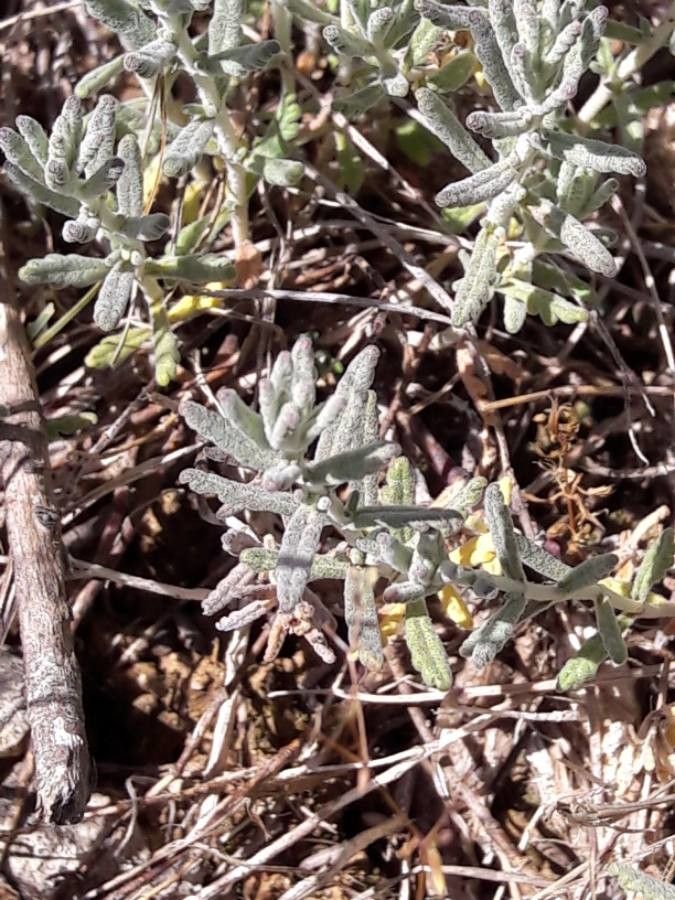
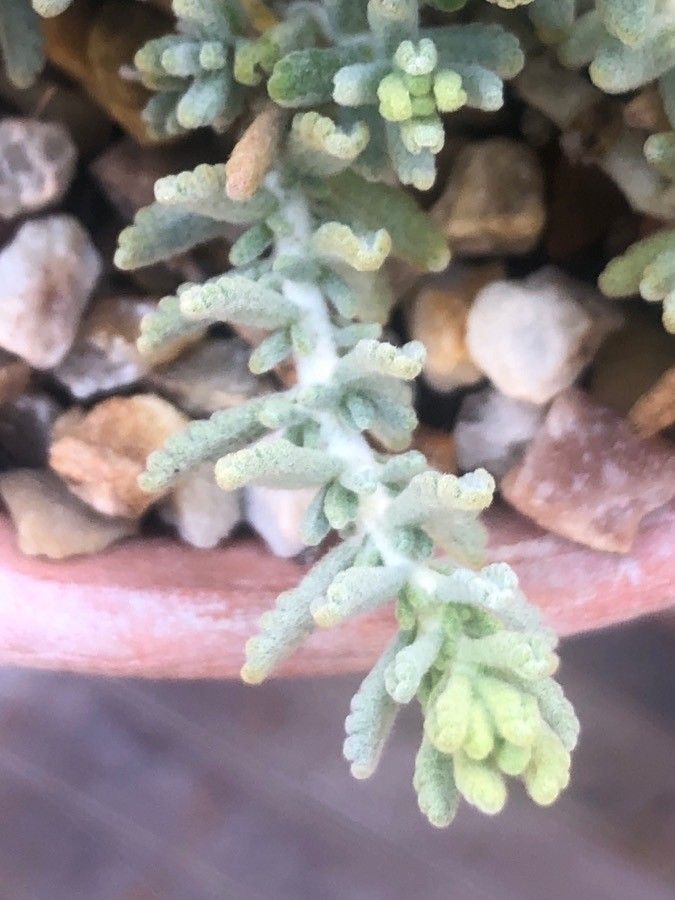
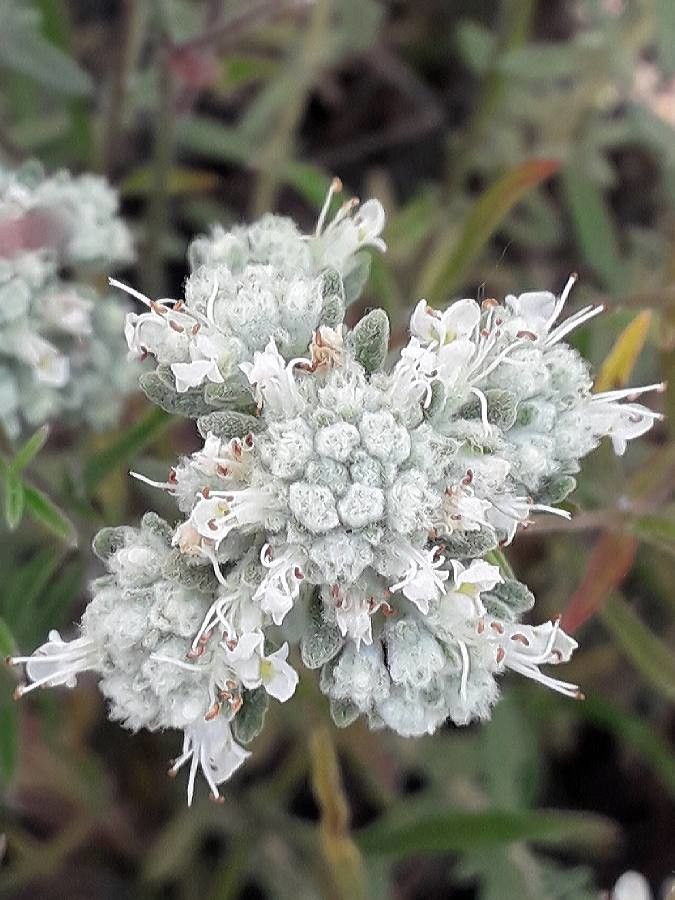
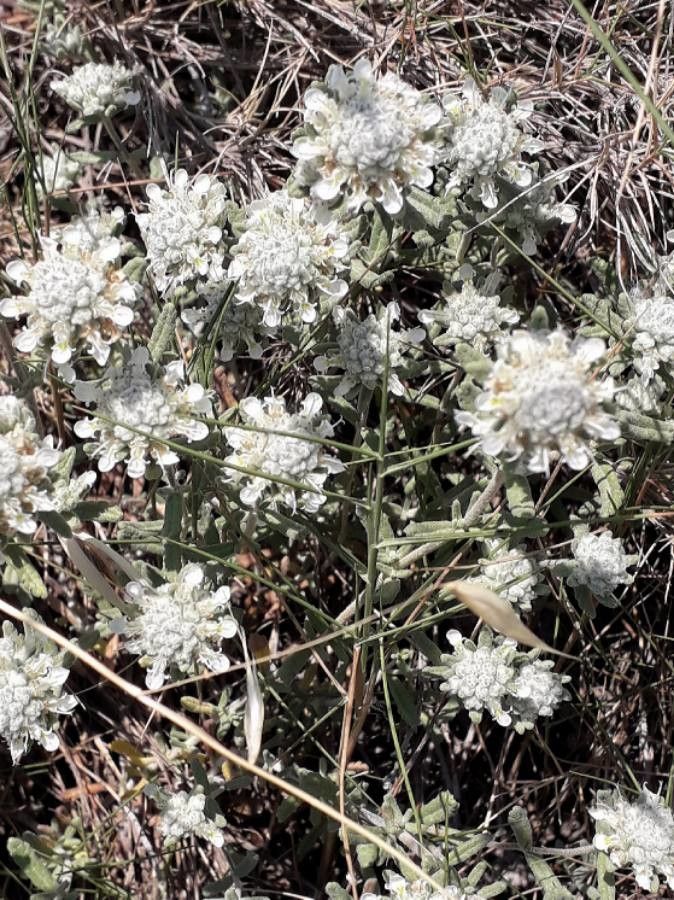
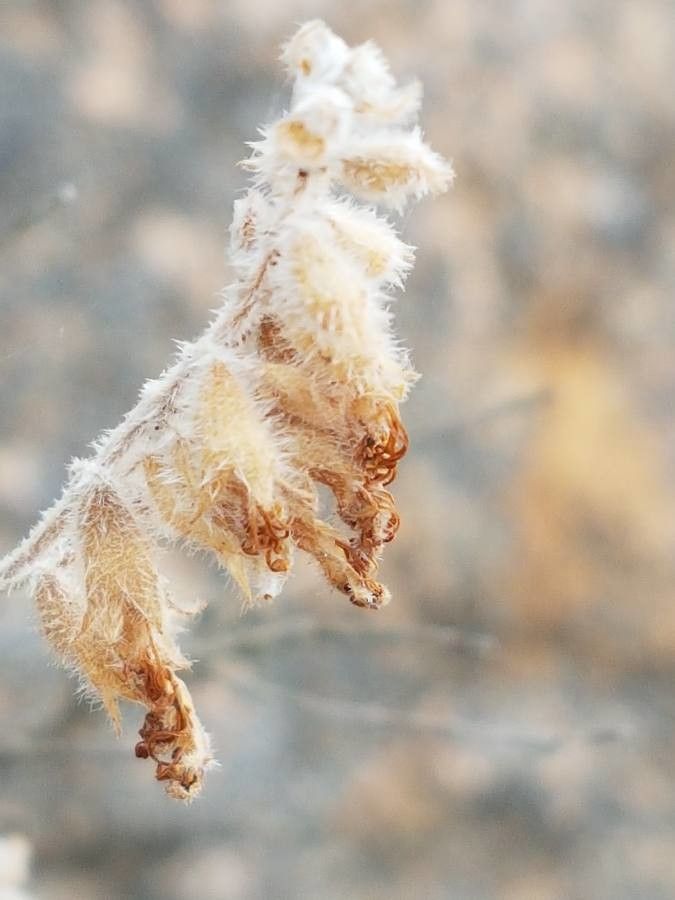
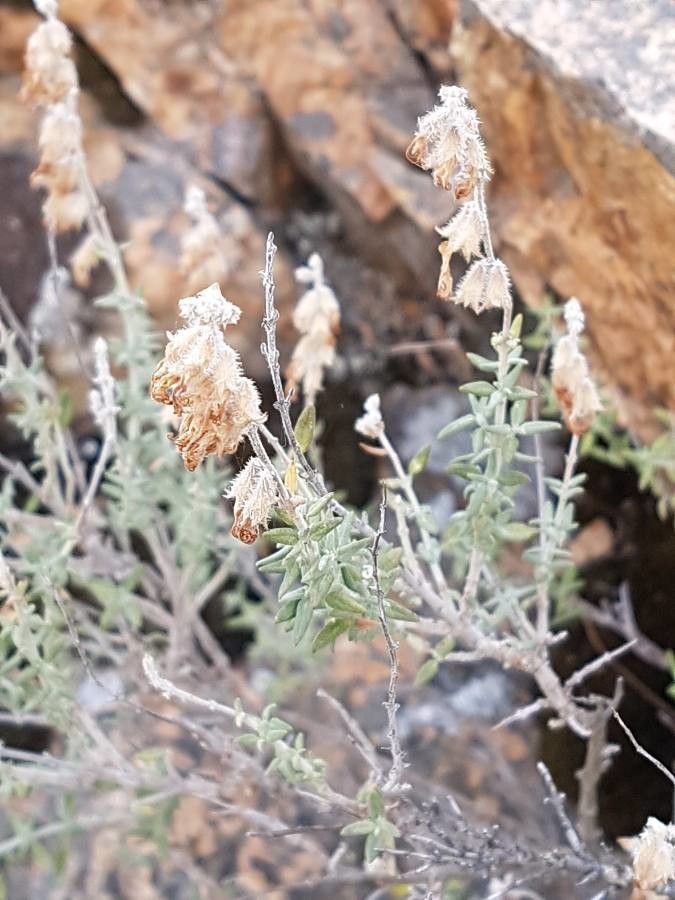
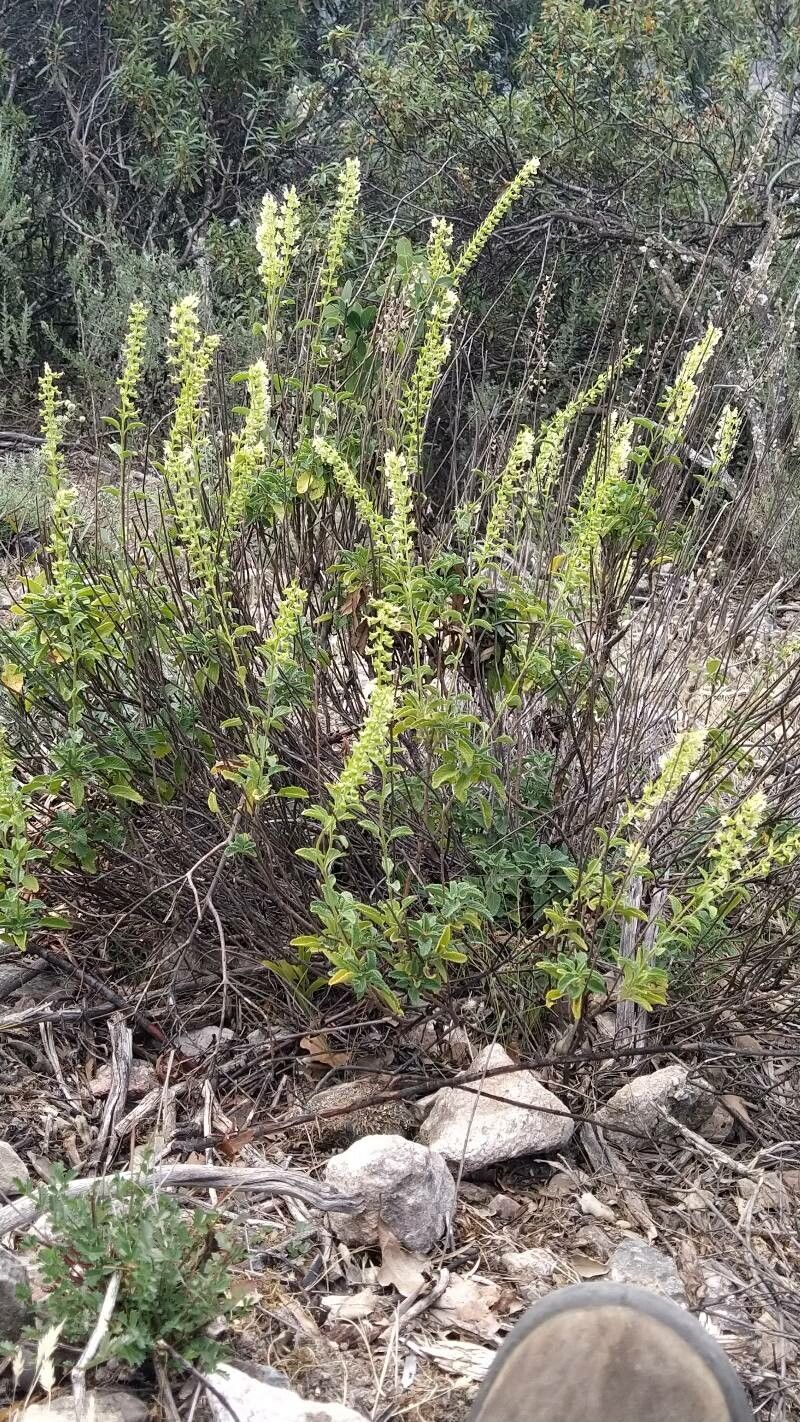
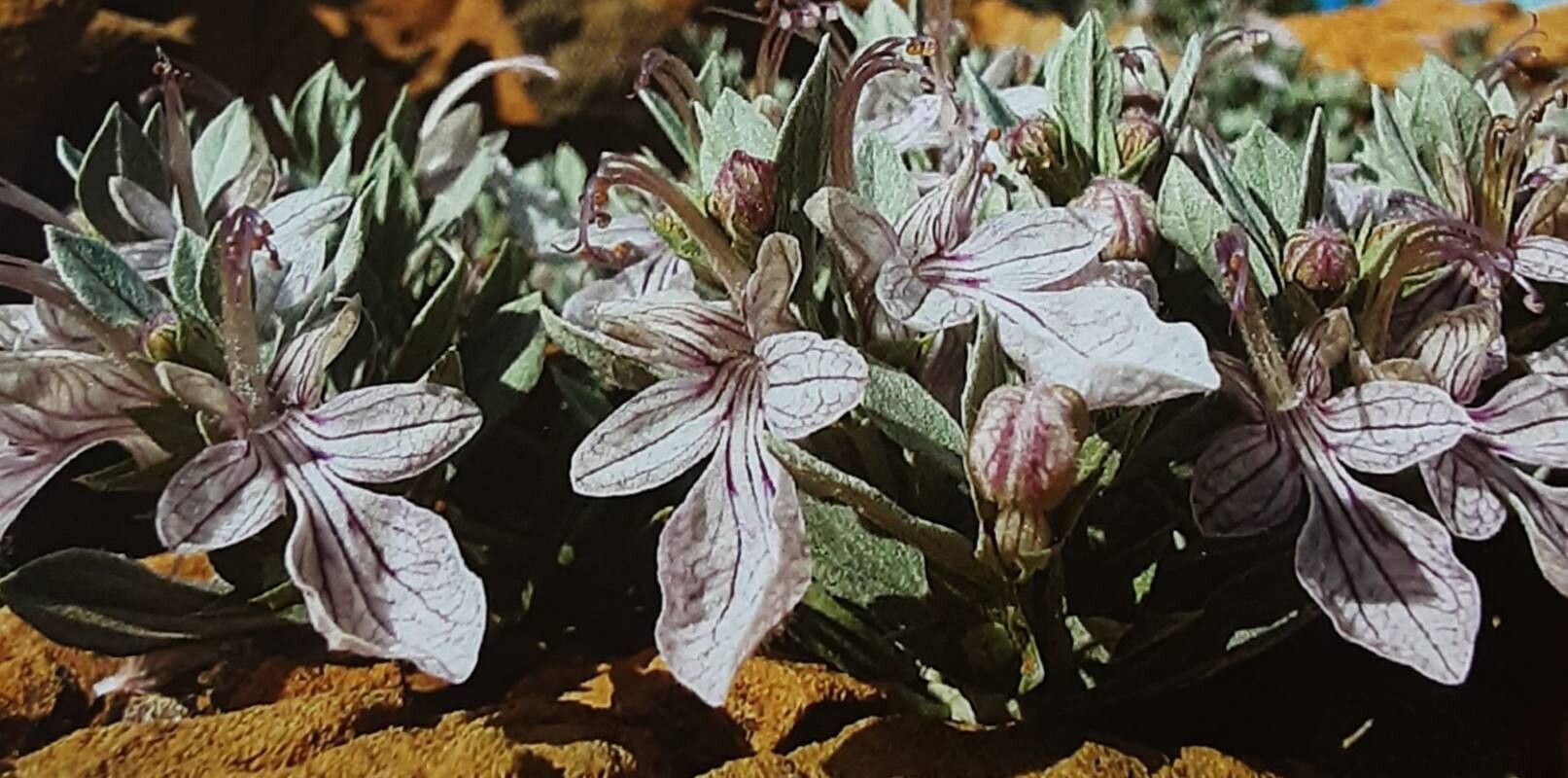
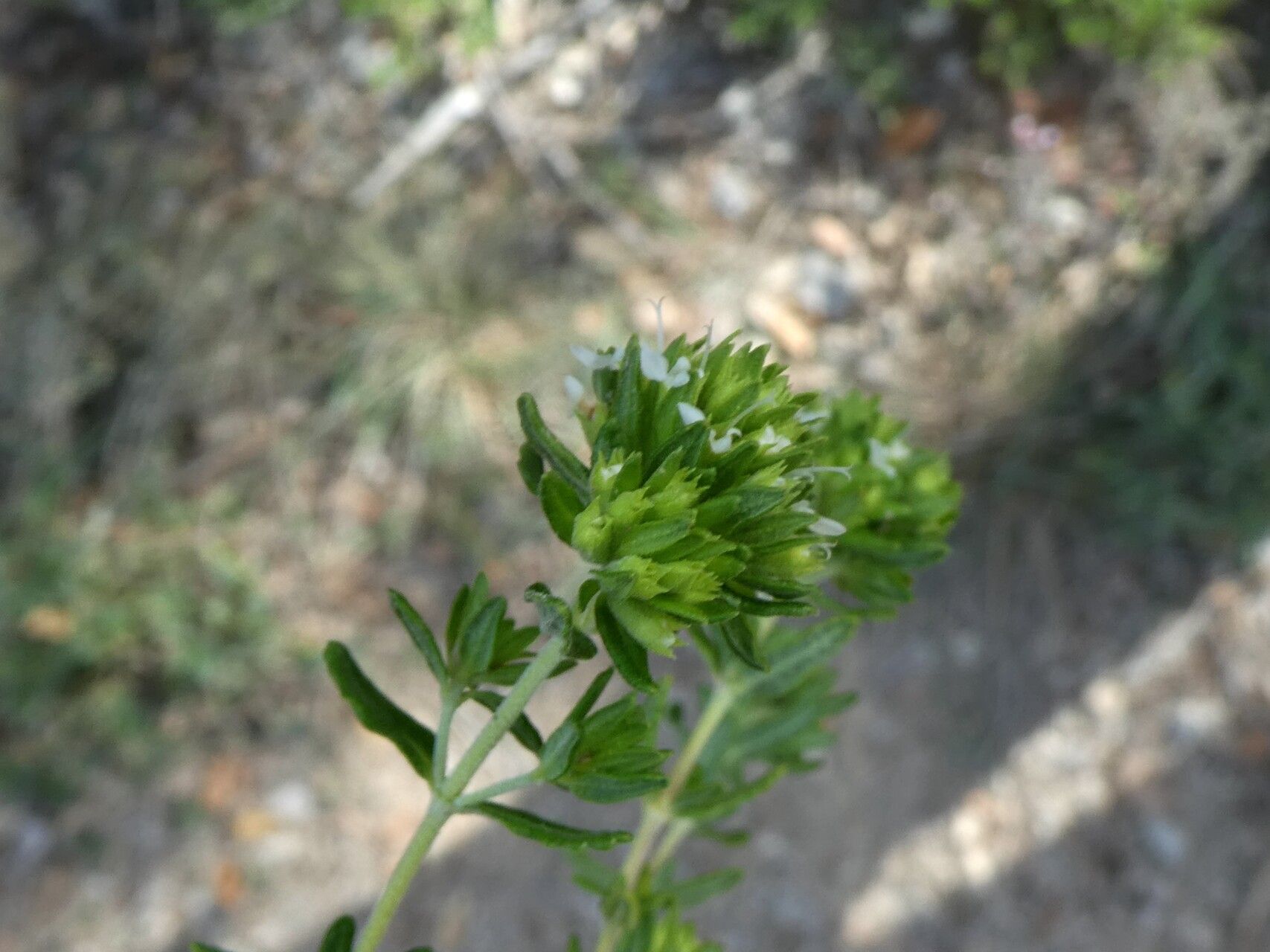
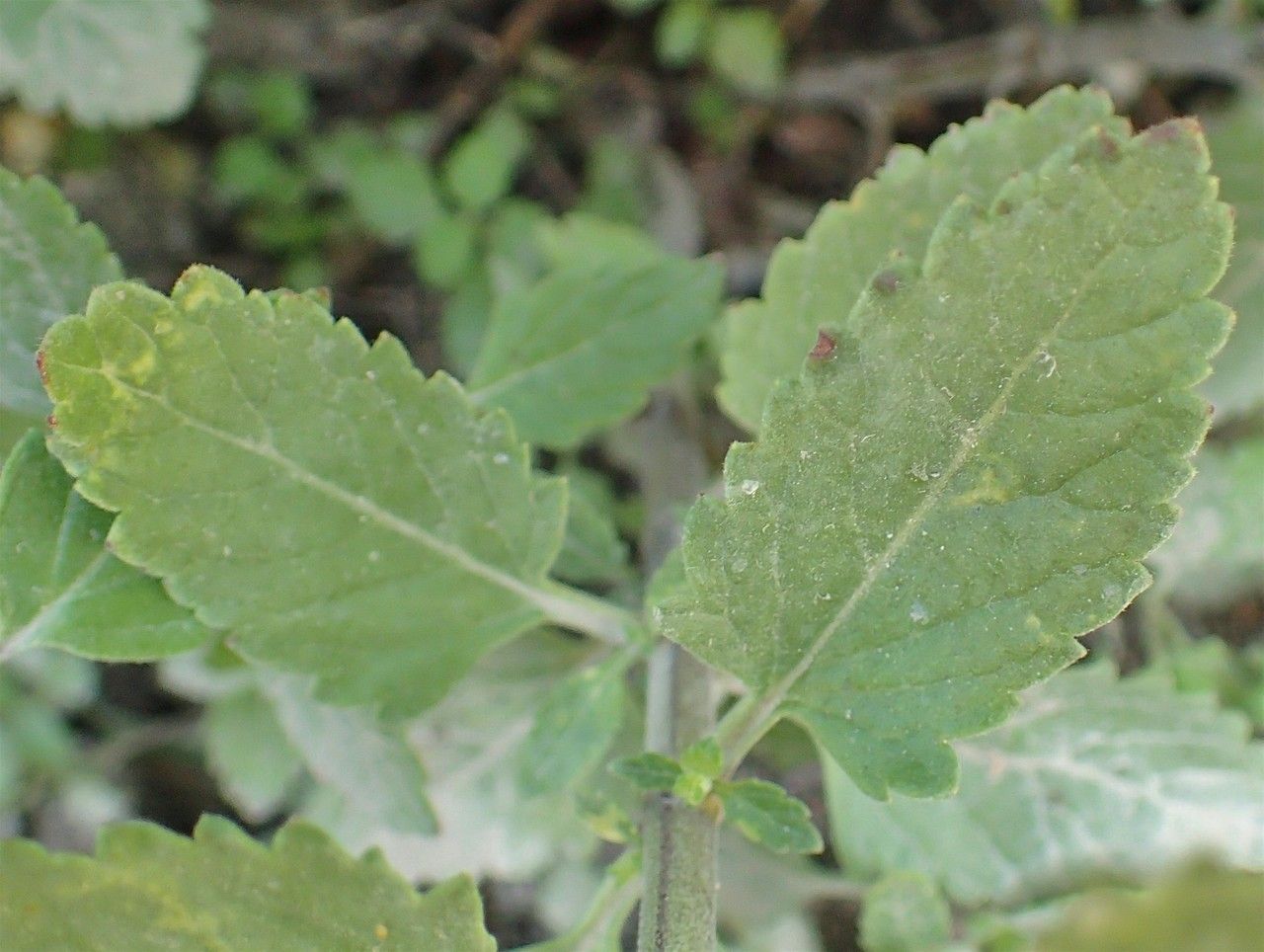
Teucrium polium, known popularly as felty germander, is a sub-shrub and herb native to the western Mediterranean region (Albania, North Macedonia, Spain, France, Algeria, Morocco, Tunisia). Its flowers are small and range from pink to white, and its leaves are used in cooking and for medicine.
Felty germander has strong resistance to disease and is generally not easily affected by illnesses. Still, it can be vulnerable to pests and diseases present in its environment. Those problems are generally mild. Regarding care, this plant needs moderate maintenance. It should be pruned regularly to preserve an attractive appearance and encourage healthy growth. Applying fertilizer can also help encourage flowering. Felty germander is well suited to anyone with outdoor areas like a garden or patio and does not demand extensive gardening experience. It may need more attention if grown indoors.
How to keep Teucrium Polium.
Light
Felty germander needs plenty of light to grow vigorously. Coming from habitats with strong sun exposure, it can tolerate dimmer conditions, but those are not ideal. Both excessive and insufficient light can produce unthrifty plants and harm their vitality and development.
Water
Felty germander is native to Mediterranean regions and thrives in moderate humidity. It prefers soil that remains consistently moist, with a slight period of dryness between waterings, typically about once a week. As an evergreen plant, it requires regular watering to maintain its foliage throughout the year and to ensure optimal growth, especially when grown outdoors.
Temperature
Felty germander originates from temperate habitats where temperatures range from 50 to 95 °F (10 to 35 °C). It requires warmth but can tolerate cooler conditions. Seasonal adjustments may be necessary to satisfy these needs.
Fertilizer
The best time to fertilize a Felty germander is in early spring, as it comes out of dormancy and starts active growth. Fertilization supplies essential nutrients needed for healthy growth. Although Felty germander has relatively low fertilizer requirements, applying fertilizer annually can improve its survival and encourage better, longer-lasting flowers.
Pruning
Felty germander is a plant known for its dense, bushy growth and small, aromatic leaves. To maintain its shape and promote healthy growth, it is beneficial to prune the plant in the spring, removing up to one-third of its size. Regular pruning not only enhances the plant's appearance and encourages new growth but also helps reduce the risk of disease by improving air circulation, leading to a robust and vigorous plant.
Botanical profile.
- Plant Type
- Herb, Shrub
- Life Cycle
- Perennial
- Genus
- Teucrium
- Family
- Lamiaceae
- Hardiness Zone
- 6-9
- Mature Height
- 20 cm
- Mature Spread
- 15 cm to 30 cm
- Leaf Color
- Gray, Silver
- Leaf Type
- Deciduous
- Flower Color
- White, Pink
- Flower Size
- 0.51 cm
- Bloom Time
- Summer
- Planting Time
- Spring
- Harvest Time
- Late summer, Early fall, Mid fall
Other names.
Reader questions.
How should I water my Felty germander?
To ensure the health of your Felty germander, it's best to use filtered water at room temperature or slightly warmer. Tap water may have harmful particles, so filtered water is preferable. The Felty germander is accustomed to warm environments, so cold water can be a shock. Instead of overhead watering, which can cause problems with the foliage, it's recommended to simply soak the soil with your filtered, room temperature water. This helps moisten the roots and supports their spread through the soil for nutrient absorption.
What are the sunlight requirements for Felty Germander?
Felty germander requires full sun exposure, meaning it should receive above 6 hours of sunlight to thrive optimally. However, it can also tolerate partial sun conditions, which equate to about 3-6 hours of sunlight. Monitoring the movement of sunlight through your garden and selecting locations that offer a perfect balance of light and shade is crucial for the plant's health and happiness.
What is the native climate for Felty germander?
Felty germander is native to temperate climate environments, thriving in temperatures ranging between 50 to 95 °F (10 to 35 °C). It is adaptable to cooler conditions, but may require seasonal adjustments to meet its warmth needs. Even though it has strong cold resistance, ensuring it remains within its temperature tolerance is essential for its growth.
What should I do if I give my Felty germander plant too much water or too little water?
Both overwatering and underwatering can harm the health of your Felty germander. However, overwatering is a more common problem. When this species gets too much water, its stems and leaves may wilt and turn yellow. Overwatering for a long time can also cause diseases like root rot, mold, and mildew, which can be fatal to your plant. Underwatering is less likely to occur because the Felty germander can tolerate drought. But it can still happen, and when it does, the leaves become brittle and brown. It's crucial to spot signs of overwatering early when taking care of your Felty germander. Some diseases caused by overwatering, like root rot, may not be fixable if you wait too long. If you notice early signs of overwatering, reduce your watering immediately. Also, check the soil quality where your Felty germander grows. If it drains poorly, replace it with a loose, well-draining potting mix. On the other hand, if you see signs of underwatering, simply water more regularly until the signs go away.
How essential is light for Felty Germander's growth?
Light is incredibly essential for Felty Germander's growth. Originating from a habitat with significant sun exposure, this plant craves abundant light for robust growth. While it can tolerate less luminous conditions, these are not ideal. Both overexposure and underexposure to light can lead to unhealthy plants, affecting their vitality and development. When natural sunlight is insufficient, particularly during winter or in less sunny spaces, artificial lighting can offer a vital solution. Proper artificial lighting ensures optimal growth, promoting faster, healthier plant development. It is advised to choose the right type of artificial light, set the appropriate distance above the plant, and mimic the length of natural daylight hours most plants need.
How should Felty germander be protected during winter?
Felty germander is resilient against cold temperatures, so it generally does not require special frost protection measures. However, in instances where winter temperatures are expected to plummet below -25°C, implementing cold protection by covering the plant with soil or straw is advisable. To further safeguard the plant through winter and early spring, it’s recommended to water it abundantly before the first freeze in autumn, ensuring the soil is moist and enters a frozen state. This practice helps prevent drought and maintains water availability.
How much water should I give to my Felty germander?
To properly water your Felty germander, it is important to use an ample amount of water. Make sure the top few inches of soil are dry before watering. Give the plant a thorough watering, making sure to soak the soil completely. The water should be enough to cause excess water to flow out of the drainage holes in the pot. If you don't see any excess water draining, it means you haven't watered enough. However, it's also important to avoid water accumulating in the soil, as this can harm the plant. If there is no water draining through the pot, it could be a sign of poorly draining soil, which is bad for the plant's health. If the plant is outside, one inch of rainfall per week will be enough.
What are the symptoms of inadequate light exposure in Felty Germander?
Inadequate light exposure can lead to several symptoms in Felty Germander, including small leaves, leggy or sparse growth, faster leaf drop, slower or no new growth, lighter-colored new leaves, chlorosis (leaves turning yellow), sunscald (damage from intense sunlight exposure), leaf curling, wilting, and leaf scorching. These symptoms indicate that the plant is not receiving the optimal amount of sunlight it needs, which affects its ability to photosynthesize, maintain hydration, and retain a healthy appearance.
What are the symptoms and solutions for Felty germander exposed to low temperatures?
Felty germander exhibits high cold tolerance, optimally growing above 10°C and should be maintained above -15°C during winter. Exposure to temperatures below -25°C might not show immediate damage; however, it could lead to reduced or absent sprouting in spring. Should this occur, the solution is to remove any parts of the plant that fail to sprout as the temperatures rise in spring.
How should I water my Felty germander as it grows?
The water needs of the Felty germander can vary depending on its growth stages. In the early years or after being transplanted, it requires more water because it's focused on growing new roots to support future growth. These roots perform better with a bit more moisture during this phase. However, as the plant matures over a few seasons, it will need less water. Additionally, during the bloom period, when the flowers are developing, the Felty germander may need more water to meet the increased moisture demands.
What solutions can be applied to address Felty Germander's light exposure issues?
To address light exposure issues in Felty Germander, a couple of solutions can be implemented. For indoor plants, gradually moving them to a sunnier location each week until they receive at least 6 hours of direct sunlight daily is recommended. Using a south-facing window and keeping curtains open during the day are good practices. Additionally, using artificial light for plants that are large or not easily movable can provide ample light. Outdoor plants should similarly be moved gradually to the best spot for sunlight to avoid sunburn. Reducing obstructions such as pruning branches and leaves from trees that block sunlight and transplanting smaller plants during their dormant period to more sunlit locations with good drainage can also help. It's important to note that parts of the plant affected by insufficient sunlight may not recover, but new growth following increased light exposure will be healthy.
How does high temperature affect Felty germander, and what are the remedies?
During the summer, it is important to keep Felty germander's temperature below 35°C. Exceeding 38°C can cause the leaves to lighten in color, curl, become susceptible to sunburn, and in severe cases, lead to the entire plant wilting and drying out. To counteract these effects, trim away the sunburned and dried parts, relocate the plant to a shaded area away from midday and afternoon sun, or use a shade cloth for protection. Ensuring the soil is well-watered in the morning and evening will help keep the plant healthy and hydrated.