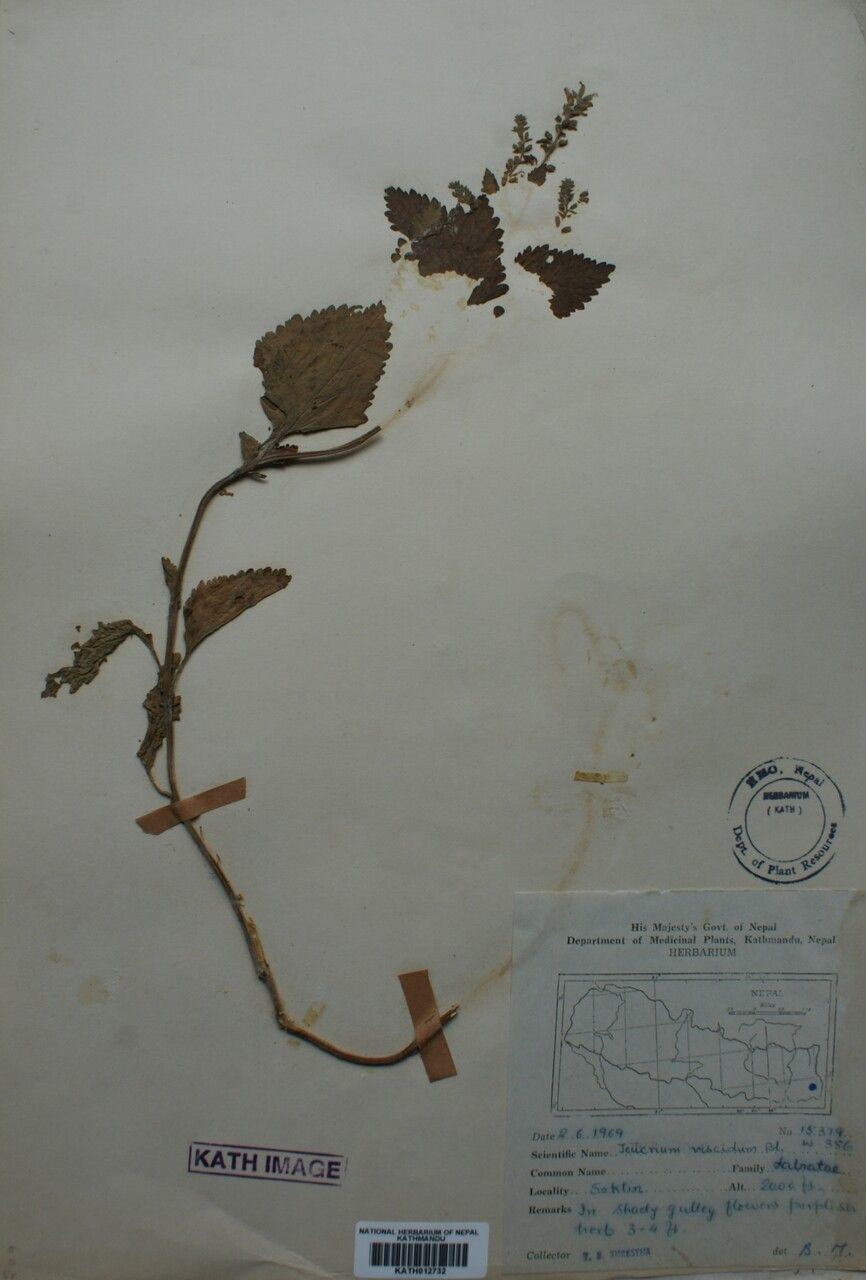
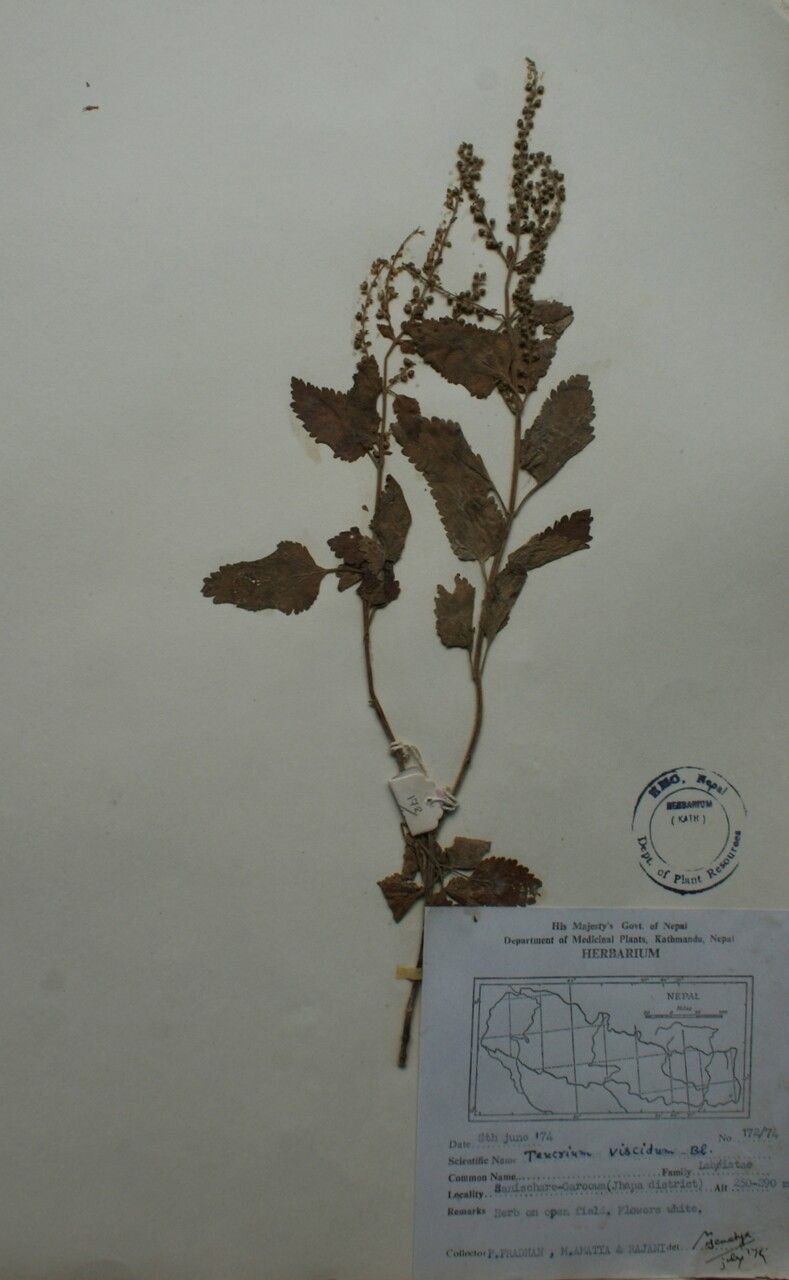
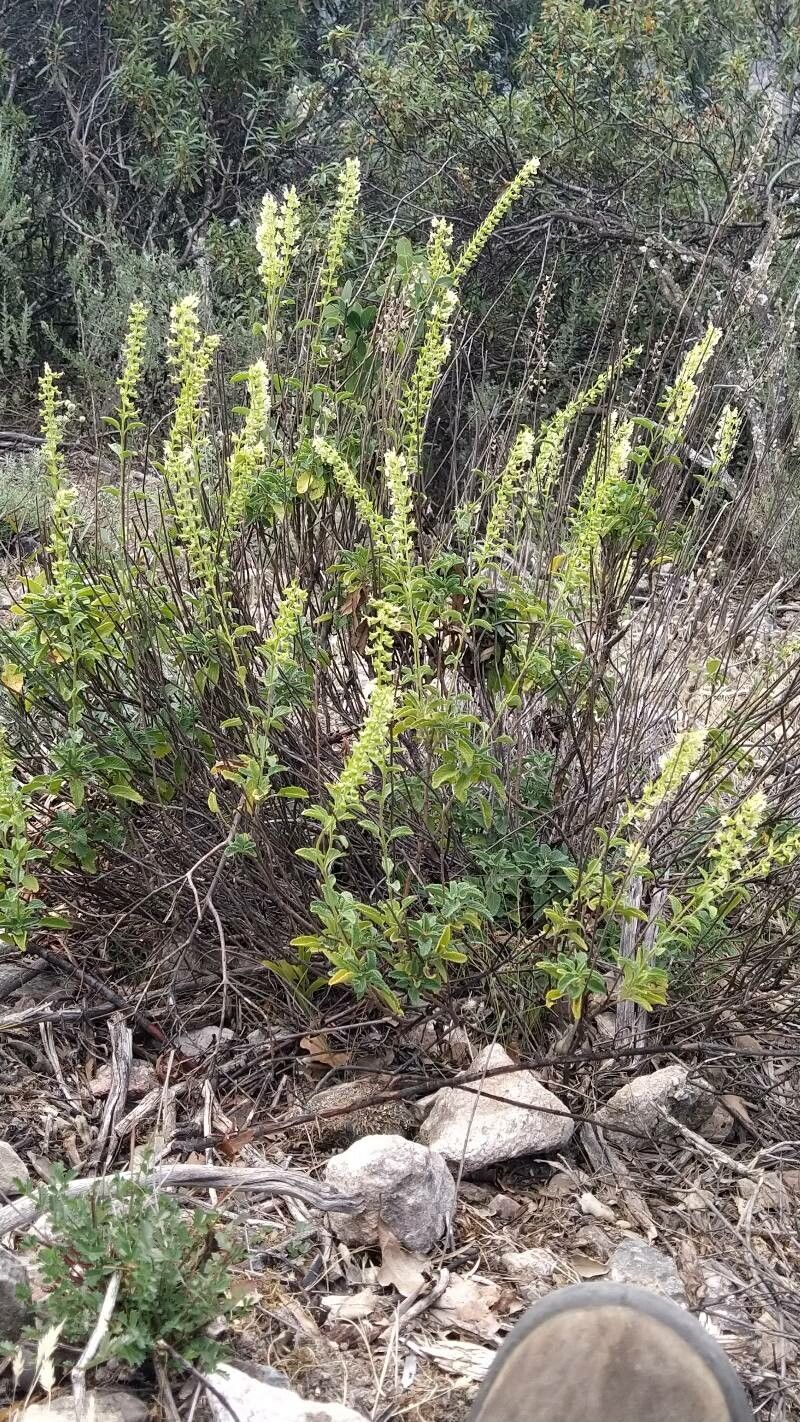
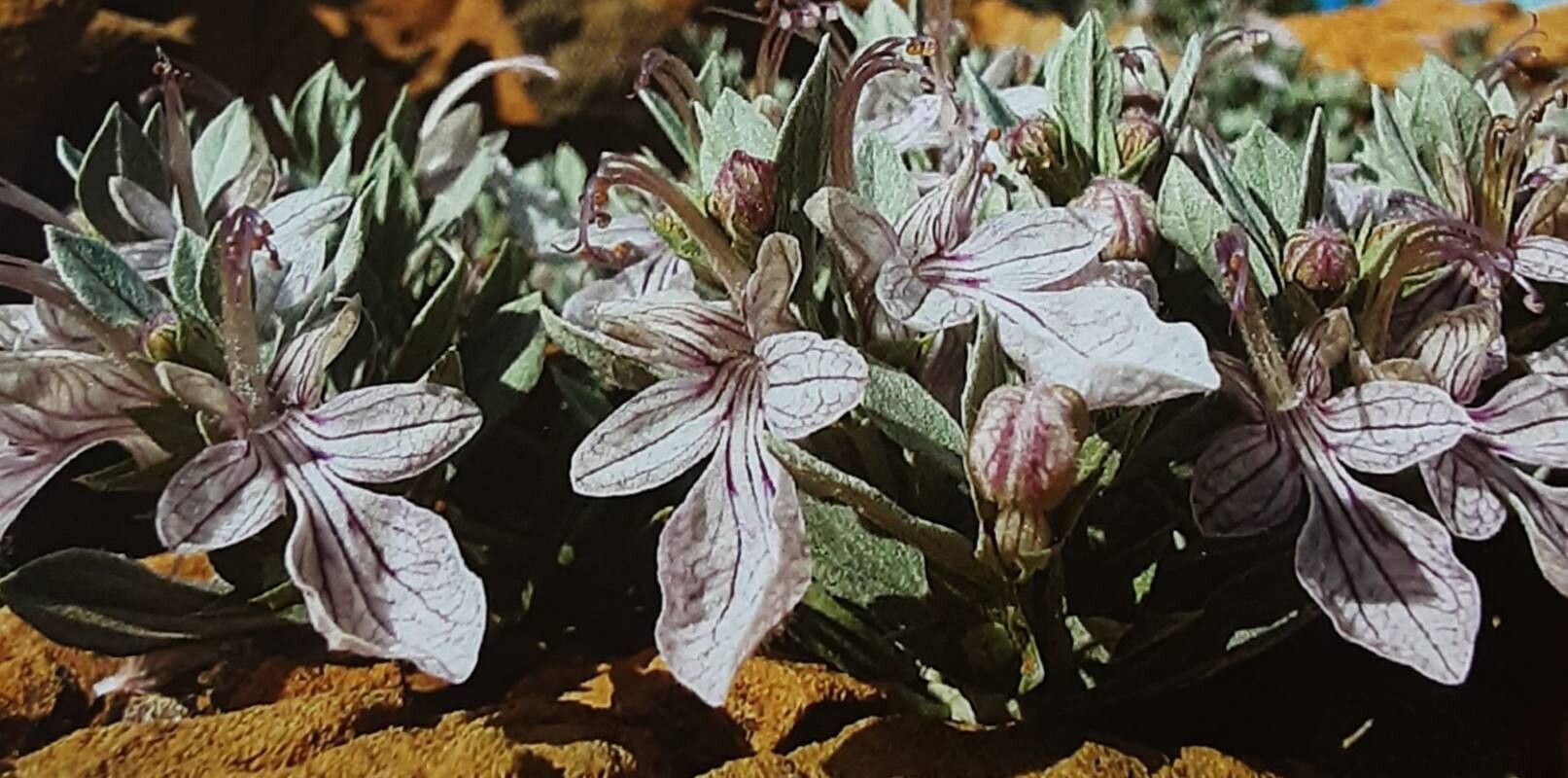
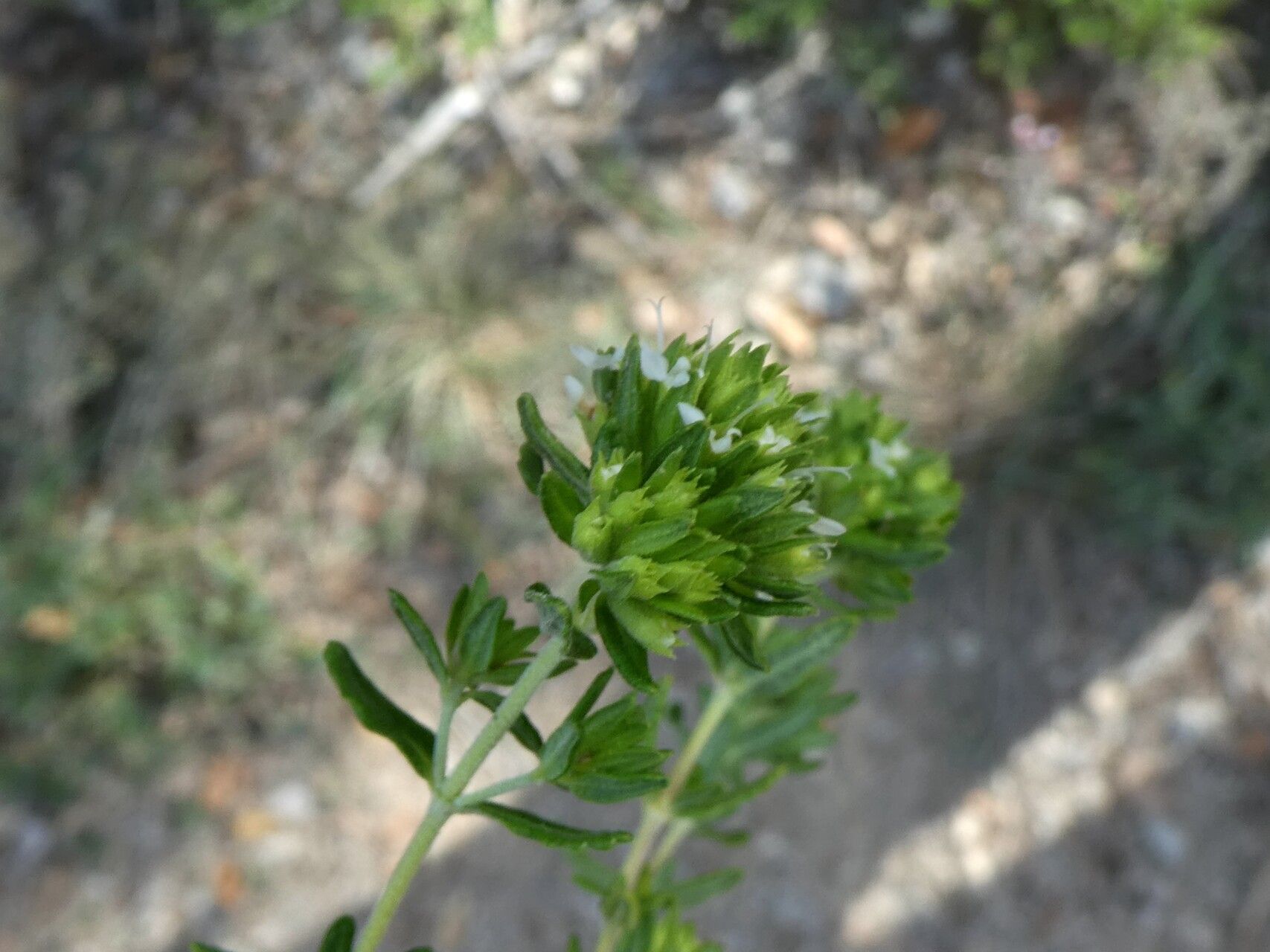
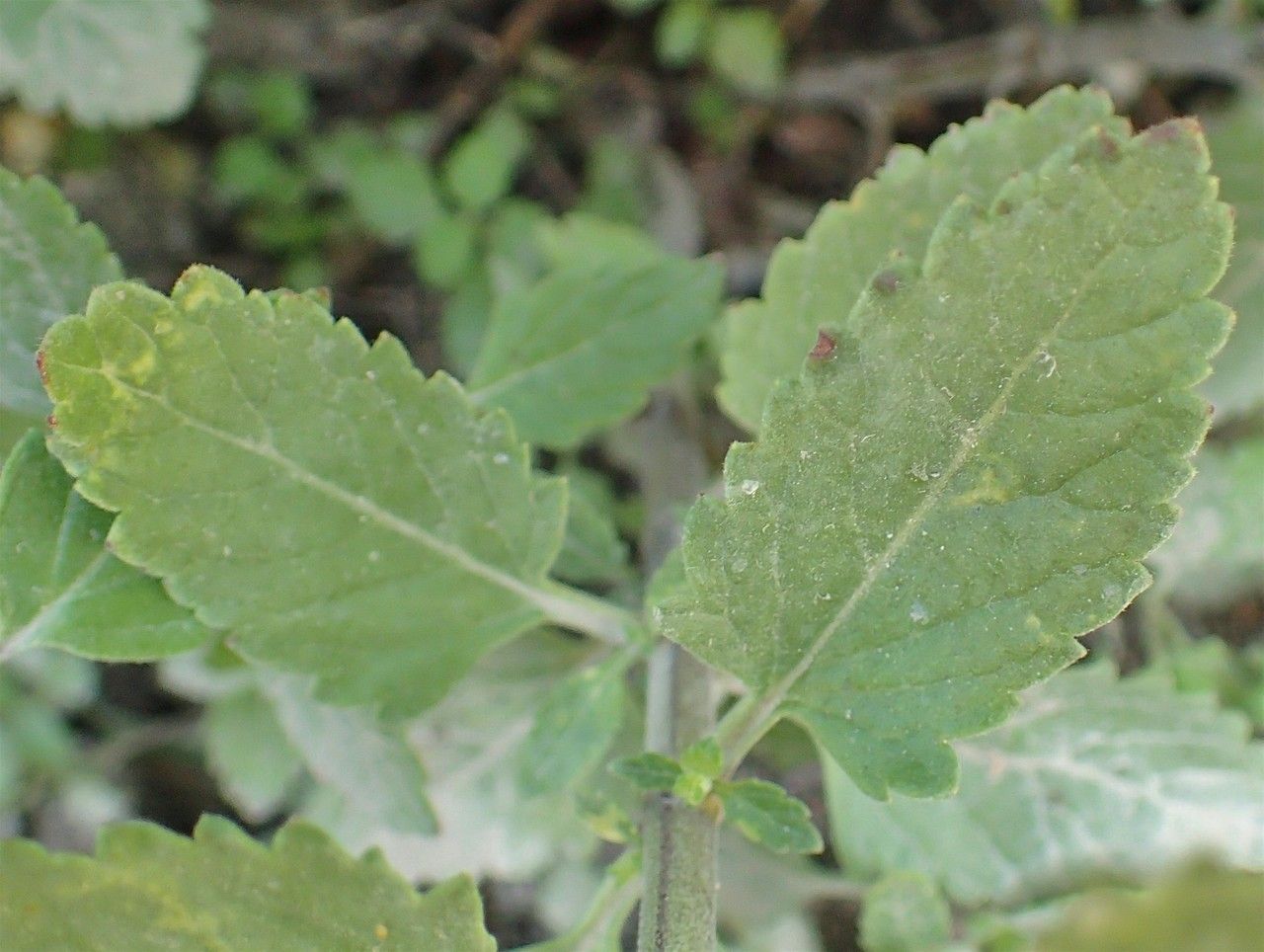
Sticky germander has strong resistance to disease and generally does not suffer from illnesses easily. Still, it can be vulnerable to pests and diseases present in its environment, though such infections are typically mild. Regarding care, the plant needs a moderate amount of attention. It should be pruned regularly to preserve a tidy appearance and encourage healthy growth, and applying fertilizer can help increase flowering. This plant is well suited for anyone with an outdoor area, like a garden or patio, and does not demand extensive gardening experience. It may, however, need more attention if cultivated indoors.
How to keep Teucrium Viscidum.
Light
Sticky germander is indigenous to settings like forest understories or rocky areas, where it occurs in naturally shaded conditions. It favors partial sun but can adjust to both full sun and full shade, demonstrating its versatile, hardy nature.
Water
Sticky germander thrives in environments that mimic its natural habitat, especially with regular rainfall. It prefers consistently moist soil and should be watered weekly. This plant is well-suited for outdoor cultivation and can tolerate varying moisture conditions typical of temperate climates.
Temperature
Sticky germander is a plant that does well in temperatures from 41 to 95 °F (5 to 35 ℃). Native to temperate climates, it adjusts well to seasonal temperature changes. Proper winter protection supports healthy growth in colder regions.
Fertilizer
The optimal period to feed a Sticky germander is during the early part of spring, as it transitions from a dormant state into its active growth phase. This act of fertilizing supplies the vital nutrients necessary for its robust growth. Despite the Sticky germander's low requirements for fertilization, its life expectancy and flower longevity can be improved with yearly fertilization.
Pruning
Sticky germander is known for its aromatic leaves and sticky stems. To maintain the plant's health, it's best to prune it from early to late spring. Start by removing any dead or diseased stems, and then thin out the branches to improve air circulation. Avoid heavy pruning in the fall, as this can increase the risk of winter damage. Proper pruning encourages flower production and contributes to the overall well-being of the plant.
Botanical profile.
- Plant Type
- Herb
- Life Cycle
- Perennial
- Genus
- Teucrium
- Family
- Lamiaceae
- Hardiness Zone
- 5-9
- Mature Height
- 61 cm
- Mature Spread
- 30 cm to 49 cm
- Leaf Color
- Green, Dark Green
- Leaf Type
- Semi-evergreen
- Flower Color
- Pink, Purple
- Flower Size
- 0.76 cm to 0.76 cm
- Bloom Time
- Summer
- Planting Time
- Spring, Summer, Autumn
- Harvest Time
- Late summer, Early fall, Mid fall
- Native Area
- Russia, Nepal, India, Indonesia, Cambodia, Vietnam, Myanmar, Japan, Philippines, Bhutan, South Korea, Thailand, China
Other names.
Reader questions.
What is the ideal temperature range for growing sticky germander?
Sticky germander thrives in environments with temperatures ranging from 41 to 95 °F (5 to 35 ℃). Originating from temperate climates, it adapts well to seasonal temperature fluctuations. To ensure healthy growth in colder climates, providing adequate winter protection is important.
What is the botanical name of sticky germander?
The botanical name of sticky germander is Teucrium viscidum.