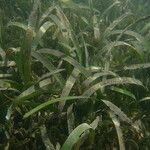
Thalassia testudinum
Turtle-grass · Seagrass
Description
Source: wikipedia (CC BY-SA)Thalassia testudinum, commonly known as turtlegrass, is a species of marine seagrass in the family Hydrocharitaceae. It forms meadows in shallow, sandy water in locations in the Caribbean Sea and the Gulf of Mexico. Turtle grass and other seagrasses form meadows which are important habitats and feeding grounds. The grass is eaten by turtles and herbivorous fish, supports many epiphytes, and provides habitat for juvenile fish and many invertebrate taxa.
Care Guide
💧 Water
Turtle grass flourishes in marine environments due to its high tolerance for submerged conditions. It does not need additional watering, as it relies on tidal cycles for hydration. When grown in cultivation, watering once a week can effectively simulate its natural conditions. Commonly found in coastal areas, turtle grass plays a crucial role in the nutrient cycle of aquatic ecosystems and is affected by changes in water temperature.
☀️ Light Full sun
Turtle grass comes from habitats with plenty of sunlight, for example the shallow margins of ponds and lakes. It prefers full sun, although it can also tolerate partial sun.
What are the sunlight requirements for Turtle Grass?
Turtle Grass (Thalassia testudinum) thrives best with more than 6 hours of sunlight daily, classified as full sun, but it can also grow well in conditions offering about 3-6 hours of sunlight, known as partial sun. It's crucial to observe how sunlight moves through your garden to find spots that provide an ideal balance of light and shade, ensuring the plants' optimal growth and health.
What are the essentials for growing Turtle Grass?
Turtle Grass is a perennial herbaceous plant that loves the sun. Originating from open habitats like meadows and grasslands, it requires full sun but can tolerate partial sun conditions as well. In scenarios where natural sunlight is insufficient, especially during winter or in less sunny indoor spaces, artificial lighting can be a great alternative to support its growth. LED lights are recommended for indoor plants, as they can be tailored to provide specific light wavelengths needed by the plants. The intensity of artificial light should range between 10-50W/sq ft depending on the plant's sunlight requirements, with the light source placed 12-36 inches above the plant and turned on for 8-12 hours per day to mimic natural daylight.
What symptoms indicate Turtle Grass isn't getting enough light?
When Turtle Grass does not receive adequate light, several signs can appear including smaller new leaves, leggy or sparse growth, faster leaf drop, slower or no new growth, lighter-colored new leaves, and symptoms of chlorosis, sunscald, leaf curling, wilting, and leaf scorching. These symptoms showcase the plant's struggle with insufficient light, each affecting the plant's overall health and ability to photosynthesize efficiently.
How can I address Turtle Grass's light needs indoors?
Indoors, ensure Turtle Grass receives at least 6 hours of direct sunlight daily by placing it near a south-facing window and keeping curtains open. For plants that are large or not easily movable, supplement lighting with a desk or ceiling lamp for at least 8 hours a day, or consider investing in professional plant grow lights. Shifting the plant gradually to sunnier spots each week helps avoid shock and ensures adaptation to new light conditions.
How can I address Turtle Grass's light needs outdoors or in the ground?
For outdoor plants or when planting in the ground, gradually introduce Turtle Grass to sunnier spots by moving it weekly to avoid shock and sunburn. If trees or other obstructions shade your plant, consider pruning to enhance sunlight penetration. For smaller plants, transplanting during their dormant period (late winter or early spring) to a location with ample sunlight and good drainage can significantly improve light access. Remember, while parts of the plant damaged by insufficient light may not recover, new growth will be healthy with improved light exposure.
🌡️ Temperature 20–37.8°C
Turtle grass comes from tropical areas where the climate is generally warm and humid. Consequently, it is well suited to high temperatures and moisture. It does not tolerate abrupt temperature changes and prefers a steady temperature, so avoiding indoor temperature swings is important. It typically cannot endure cold and needs higher temperatures to grow. If the surrounding temperature falls too low, the plant may stop growing or even die.
💨 Humidity
🪴 Soil
🌱 Fertilizer
🪴 Pot & Repot
✂️ Pruning
Turtle grass is a submerged marine plant known for forming dense seagrass beds with its wide, flat leaves. To encourage healthy growth and control algae, it is best to prune turtle grass selectively from early to late spring. Be sure to use clean, sharp tools during the pruning process to prevent disease and sustain optimal conditions for marine life.
🌿 Propagating
🐛 Diseases & pets
☠️ Toxicity
Characteristics
- Plant Type
- Herb
- Life Cycle
- Perennial
- Genus
- Thalassia
- Family
- Hydrocharitaceae
- Hardiness Zone
- 9-11
- Mature Height
- 37 cm
- Mature Spread
- 20 cm to 40 cm
- Leaf Color
- Green, Blue
- Leaf Type
- Evergreen
- Flower Color
- White
- Flower Size
- 1.02 cm to 2.03 cm
- Bloom Time
- Late spring, Summer
- Planting Time
- Spring, Summer
- Harvest Time
- Mid summer, Late summer, Early fall, Mid fall