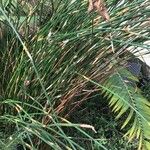
Thamnochortus insignis
Cape thatch · Albertinia thatching reed
Description
Source: leafsnapThamnochortus insignis is a species of grass-like restio of the family Restionaceae, endemic to Cape Province in South Africa.
Care Guide
💧 Water
☀️ Light Full sun
Cape thatch is a sun-loving perennial herbaceous plant native to open habitats, commonly found in meadows and grasslands. It prefers full sun but can also tolerate partial sun.
🌡️ Temperature 20–37.8°C
Cape thatch can tolerate a wide range of temperatures, though its distribution may still be restricted by different combinations of moisture and heat. It performs best in warm summer climates with sufficient rainfall or watering. Extended periods of cloudy, rainy weather or prolonged high temperatures can raise the chances of Cape thatch dying. In winter, appropriate protection from cold can improve the plant’s survival.
💨 Humidity
🪴 Soil 6-8
🌱 Fertilizer
Cape thatch needs extra nutrients to encourage healthy new growth. In spring, applying a layer of compost around the plant’s base will effectively supply the required nourishment. Fertilizing supports vigorous growth and improves the plant’s ability to resist diseases and pests.
🪴 Pot & Repot
✂️ Pruning
Cape thatch, a reed-like plant, benefits greatly from selective pruning in early spring, just before new growth begins. By removing dead stems and excess foliage, you can improve air circulation and sunlight penetration, which helps reduce the risk of disease. Using proper pruning techniques ensures the vibrant renewal of cape thatch, which is essential for maintaining its ornamental beauty and practical uses.
🌿 Propagating
🐛 Diseases & pets
☠️ Toxicity
Characteristics
- Plant Type
- Grass
- Life Cycle
- Perennial
- Genus
- Thamnochortus
- Family
- Restionaceae
- Hardiness Zone
- 9-11
- Mature Height
- 2.13 m
- Mature Spread
- 1.52 m
- Leaf Color
- Dark Green
- Leaf Type
- Evergreen
- Bloom Time
- Early fall, Mid fall
- Planting Time
- Summer
- Harvest Time
- Late fall, Early winter
- Native Area
- South Africa