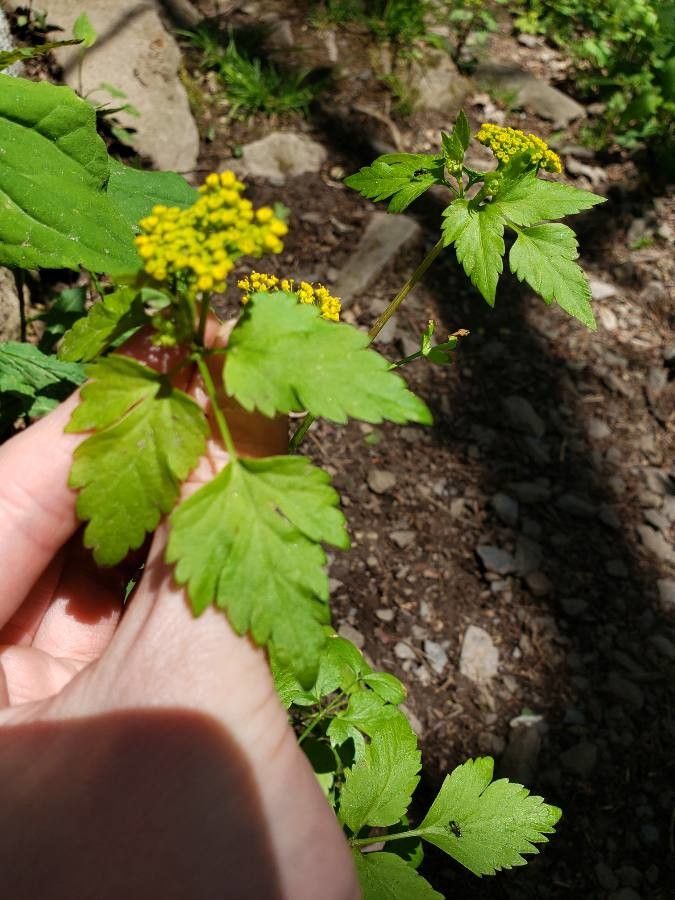
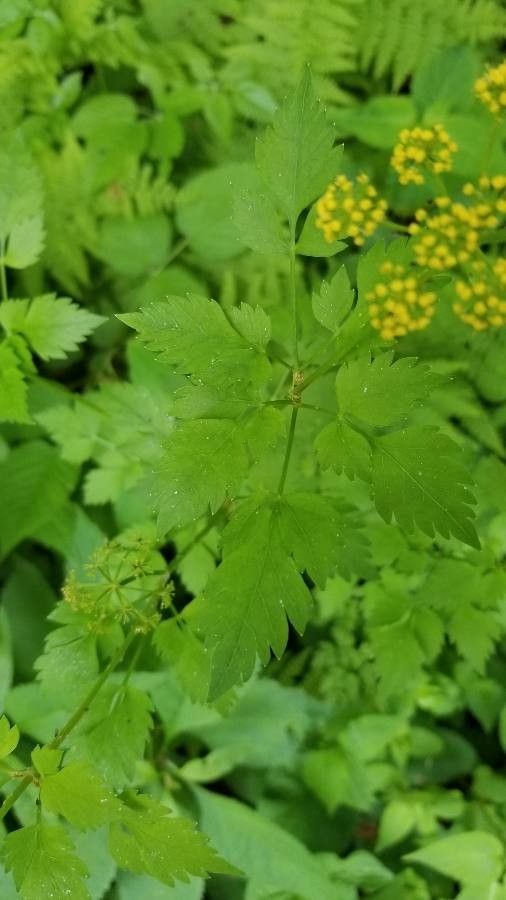
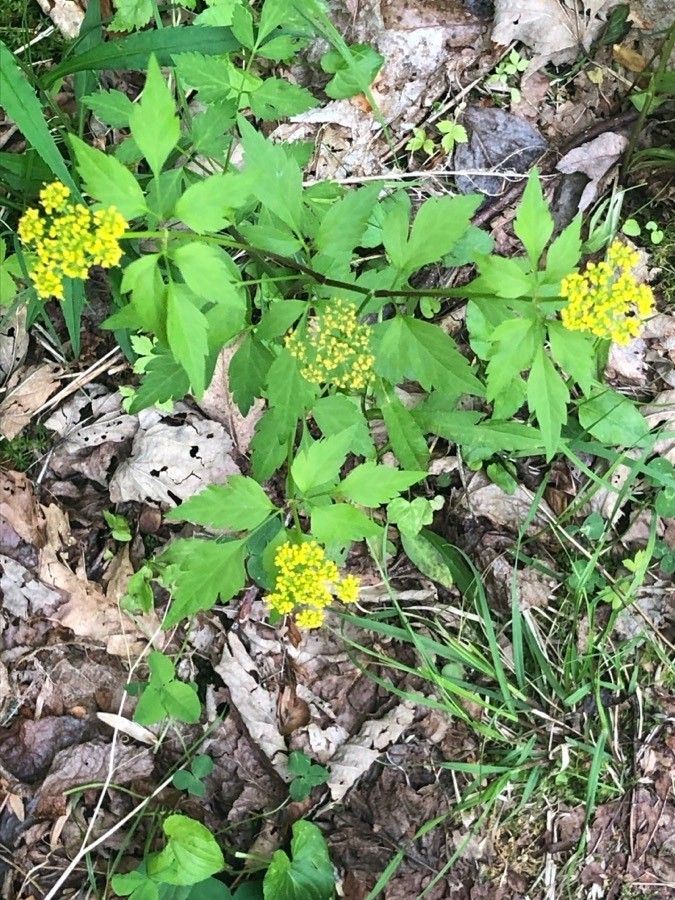
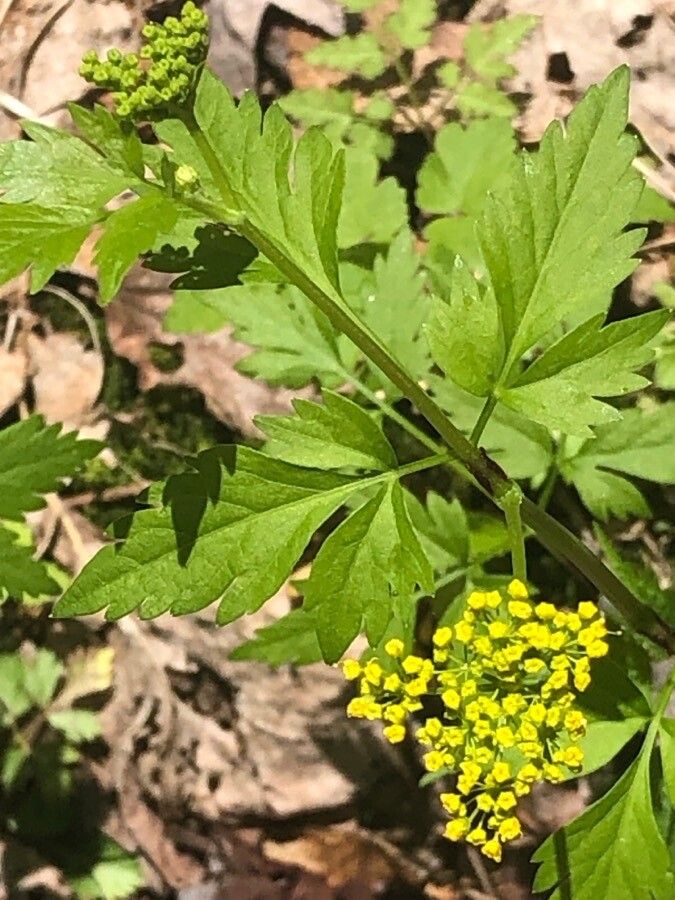
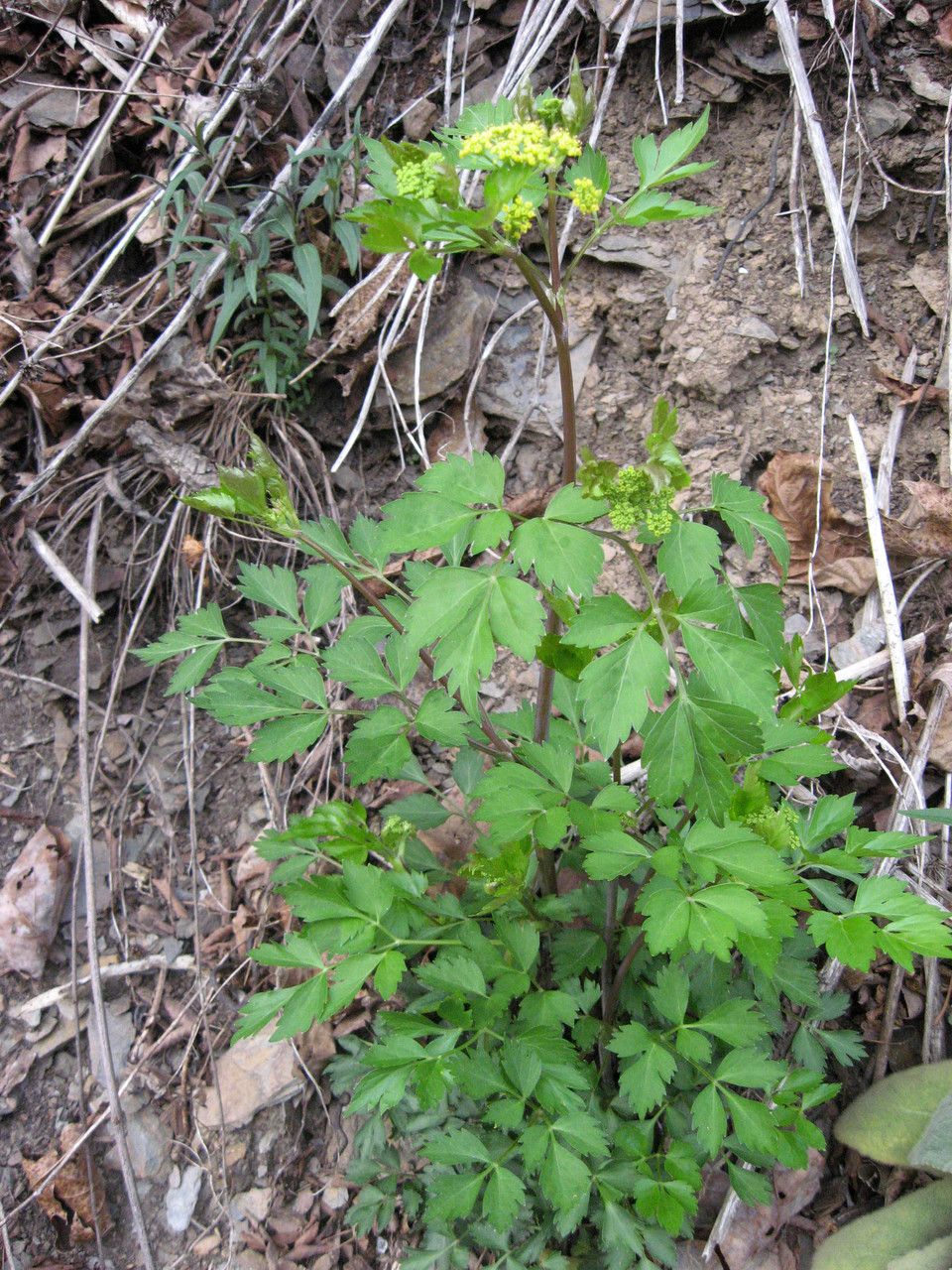
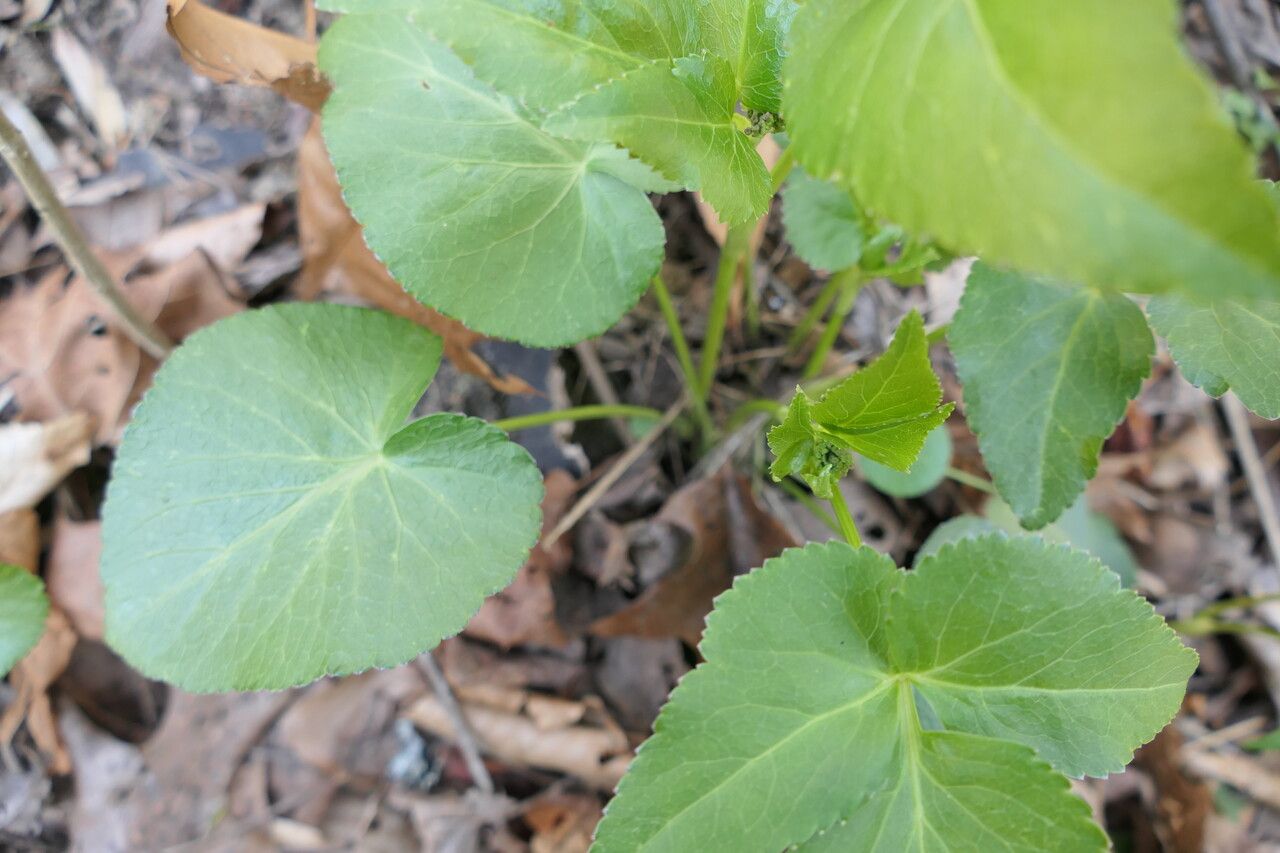
Thaspium barbinode, known by the common names of bearded meadow-parsnip and hairy-jointed meadow-parsnip, is a member of the carrot family, Apiaceae. It is a perennial herb, native to the eastern United States, from eastern Texas to southeastern Wisconsin and the Florida panhandle to southern New York. Compared to Thaspium chapmanii, the herb is shorter, and has similar bright yellow flowers.
Hairyjoint meadowparsnip has strong disease resistance and is generally not prone to illnesses. However, it can be vulnerable to pests and diseases present in its environment. Such infections are typically mild. In terms of care, this plant requires moderate maintenance. Regular pruning is necessary to preserve an attractive appearance and healthy growth. Applying fertilizer can also help promote flowering. Hairyjoint meadowparsnip is suitable for anyone with an outdoor area, such as a garden or patio, and does not demand a lot of care experience. It may need more attention when grown indoors.
How to keep Thaspium Barbinode.
Light
Hairyjoint meadowparsnip is a sun-loving perennial herb that comes from open habitats and commonly grows in meadows and grasslands. It prefers full sun but can also tolerate partial sun.
Water
Hairyjoint meadowparsnip thrives in moist woodland environments and requires regular watering to maintain optimal health, ideally on a weekly basis. This herbaceous perennial is usually cultivated outdoors, where it benefits from seasonal rainfall during its active growth phases, though it can tolerate brief periods of dryness.
Temperature
Hairyjoint meadowparsnip can tolerate a wide range of temperatures, but its distribution may still be restricted by different combinations of moisture and heat. It does best in warm summer climates with sufficient rainfall or watering. Extended periods of cloudy, rainy weather, as well as prolonged high temperatures, increase the chance that Hairyjoint meadowparsnip will die. In winter, protecting it from cold can improve the plant’s survival rate.
Fertilizer
One fertilizer application in spring is generally enough for Hairyjoint meadowparsnip, although repeated feedings can boost growth to its fullest. Apply fertilizer about once every month to a month and a half. Feeding improves the leaves’ appearance and function, helping maintain even color and a healthy texture. It also encourages root development and better nutrient uptake, supporting the plant’s long-term health.
Pruning
Hairyjoint meadowparsnip is known for its distinct foliage and vigorous growth. To maintain its health and encourage blooming, it's best to prune it from early to late spring. Start by removing any dead stems and thinning out crowded areas to improve air circulation. Regular pruning not only promotes healthy growth but also helps prevent diseases. Always use clean and sharp tools for the best results.
Botanical profile.
- Plant Type
- Herb
- Life Cycle
- Perennial
- Genus
- Thaspium
- Family
- Apiaceae
- Hardiness Zone
- 4-8
- Mature Height
- 0.52 m to 1.07 m
- Mature Spread
- 30 cm to 61 cm
- Leaf Color
- Green
- Leaf Type
- Deciduous
- Flower Color
- Yellow
- Flower Size
- 0.20 cm to 0.25 cm
- Bloom Time
- Mid spring, Late spring, Early summer
- Planting Time
- Spring, Summer
- Harvest Time
- Mid summer, Late summer, Early fall
Other names.
Reader questions.
What are the sunlight requirements for Hairyjoint meadowparsnip?
Hairyjoint meadowparsnip requires full sun, meaning it thrives in conditions where it can receive more than 6 hours of sunlight daily. However, it can also tolerate partial sun conditions, which consist of about 3-6 hours of sunlight. It's crucial to observe how sunlight moves through your garden to find spots that offer the perfect balance of light and shade, ensuring your plants remain healthy and happy.
What are the essentials for growing Hairyjoint meadowparsnip?
The Hairyjoint meadowparsnip, a sun-loving perennial herbaceous plant originating from open habitats such as meadows and grasslands, flourishes best in full sunlight but can tolerate partial sun. For indoor plants unable to receive enough natural sunlight, especially during winter or in less sunny spaces, artificial lighting is a beneficial alternative. LED lights are recommended due to their ability to be customized to the specific light wavelengths plants need, with full sun plants requiring 30-50W/sq ft, partial sun plants needing 20-30W/sq ft, and full shade plants needing 10-20W/sq ft of light. The light source should be placed 12-36 inches above the plant, mimicking natural sunlight as closely as possible, and ensure plants receive 8-12 hours of light per day.
What are the symptoms of light deficiency in Hairyjoint meadowparsnip?
When Hairyjoint meadowparsnip does not receive adequate light, several symptoms can manifest, including the development of smaller leaves, leggy or sparse growth, premature leaf drop, delayed or halted growth, paler new leaves, and problems like chlorosis, sunscald, leaf curling, wilting, and leaf scorching. These symptoms highlight the plant's struggle to perform photosynthesis efficiently under low light conditions and its efforts to adapt by conserving resources or protecting itself from excess light.
How can I address light deficiency in Hairyjoint meadowparsnip?
To combat light deficiency, gradually move your Hairyjoint meadowparsnip to sunnier locations, aiming for at least 6 hours of direct sunlight daily. For indoor plants, consider using a south-facing window or artificial lighting, like a desk or ceiling lamp for at least 8 hours a day, or invest in professional grow lights. Outdoor plants should also be acclimatized to sunnier spots gradually to prevent sunburn. Reducing physical obstructions, such as pruning branches that shade your plant, and relocating smaller plants to sunnier locations with ample sunlight and good drainage, can significantly improve their health and growth.