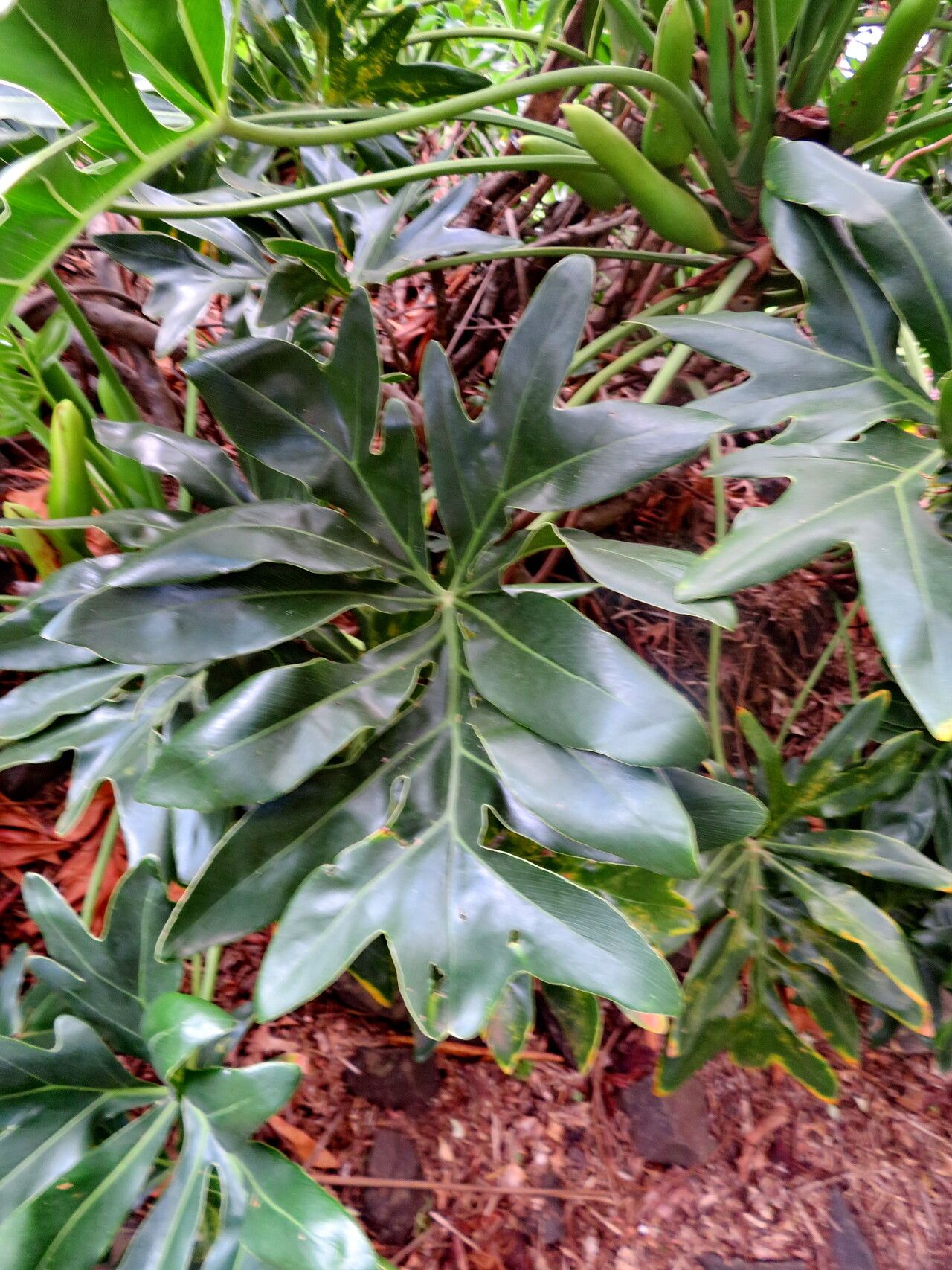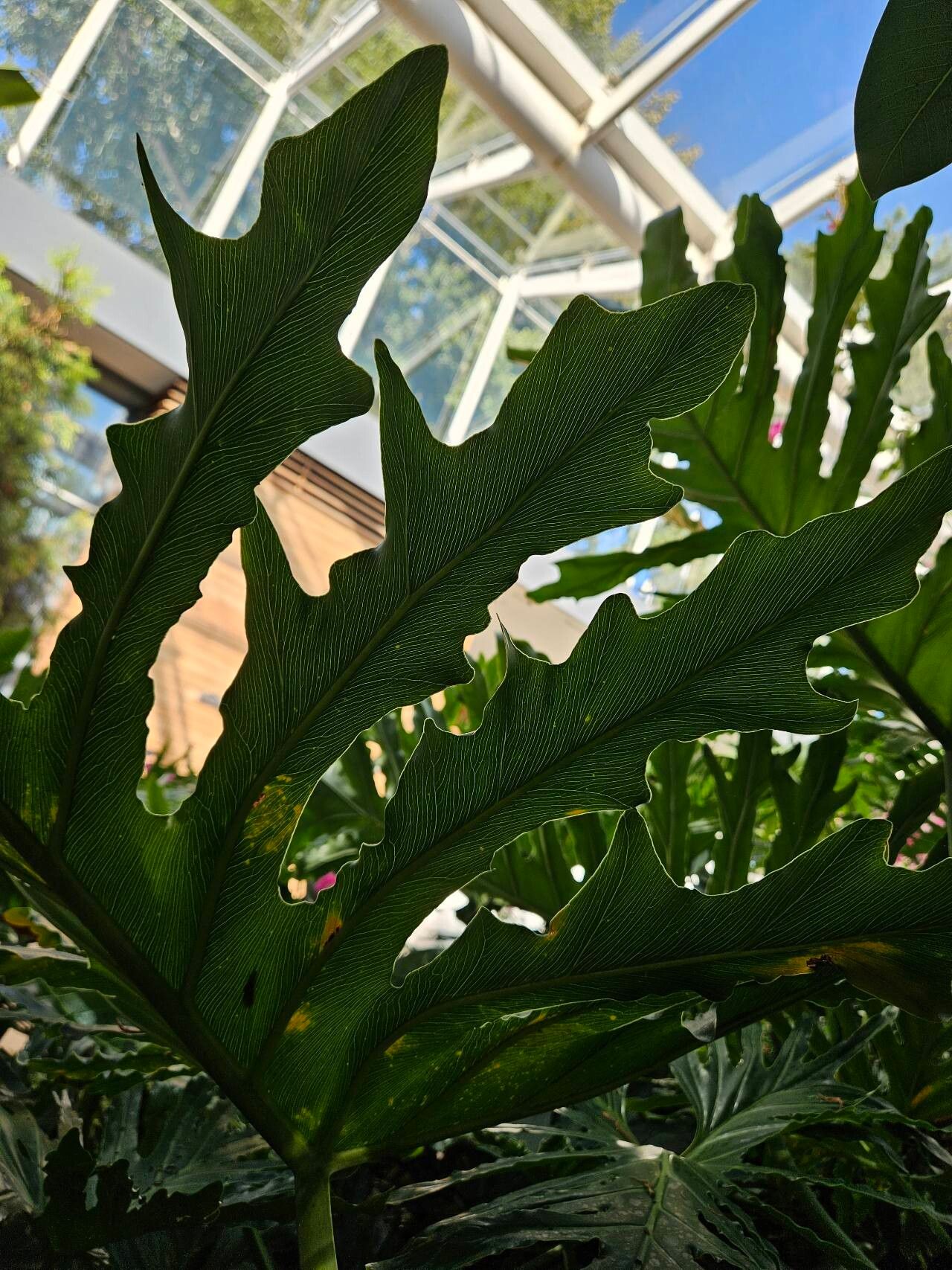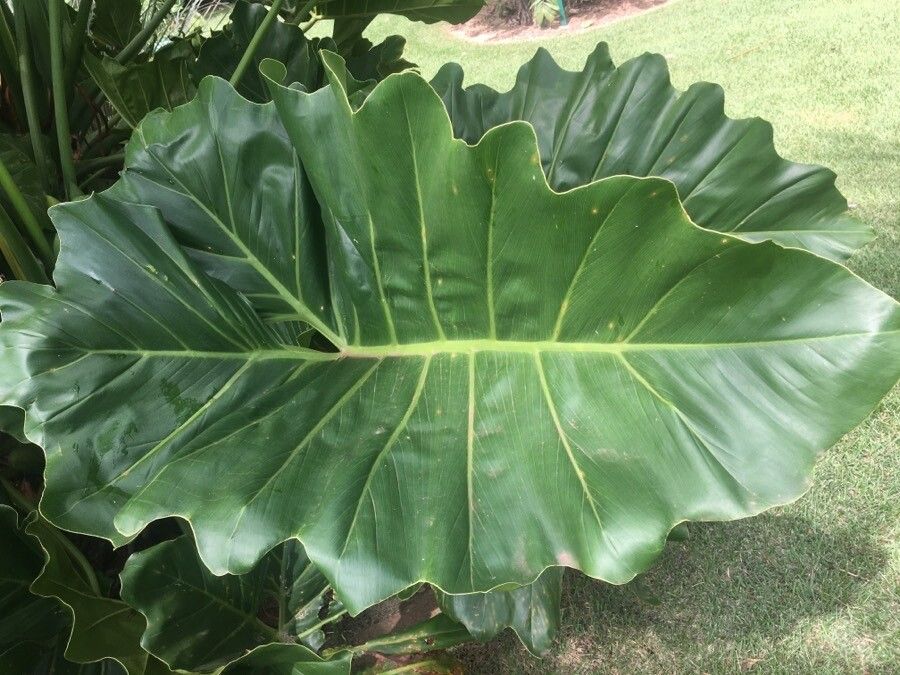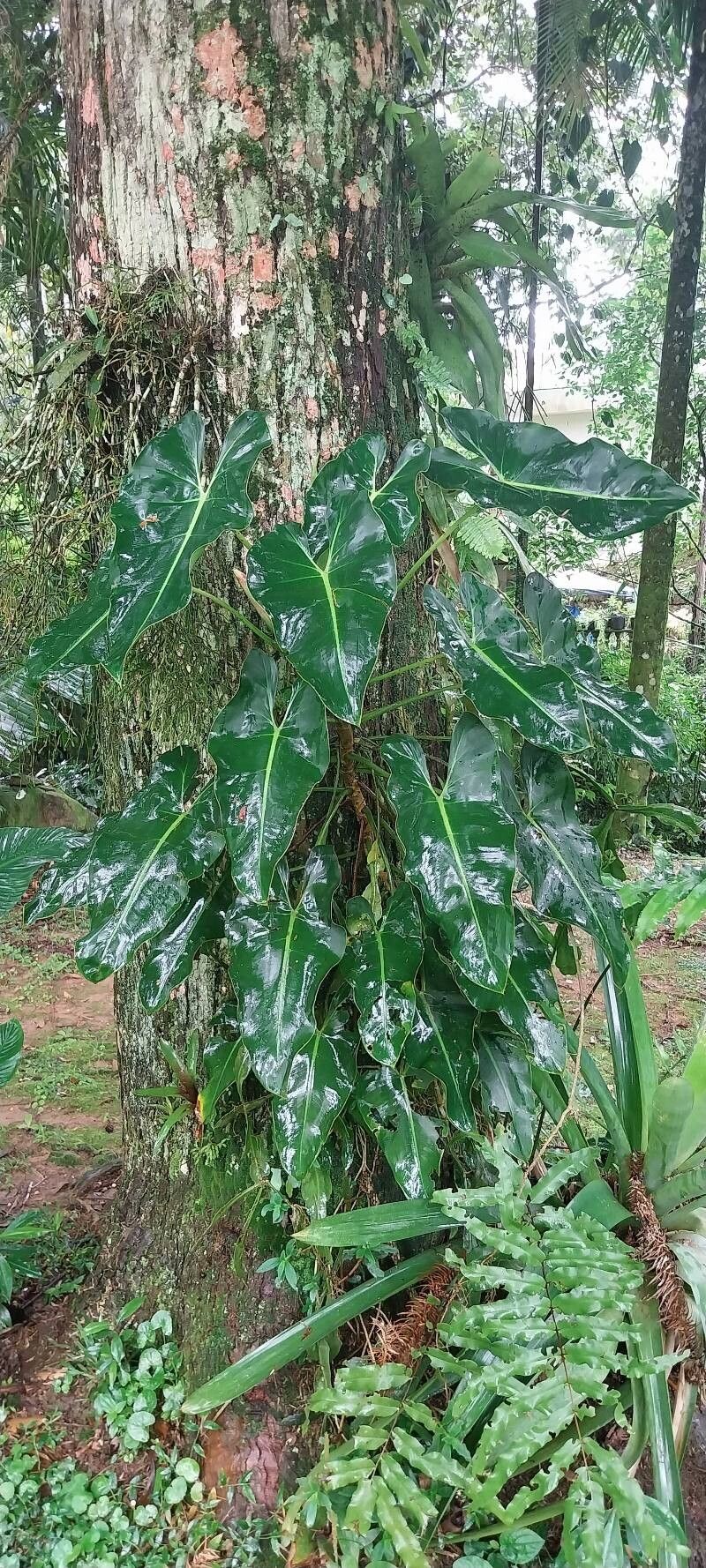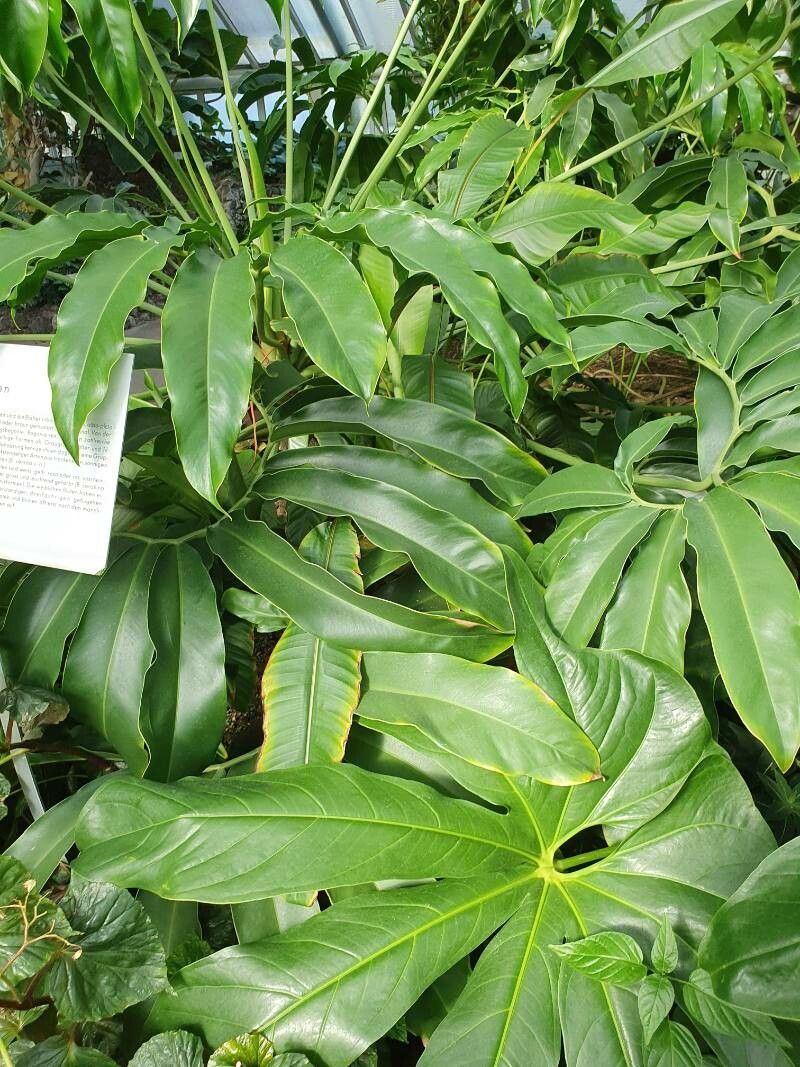
The Finger Leaf (Philodendron goeldii, Thaumatophyllum spruceanum), also known as the Fun Bun, is a lovely plant endemic to French Guiana with star-shaped leaves. It is a fast-growing Araceae family cultivar. It grows similarly to Philodendron selloum but has leaves comparable to Schefflera. Because of its long, clustered leaves, this plant is often known as Finger Leaf. As it grows, this plant produces vines that rely on other plants to help them climb higher. It will grow to a height of 8 inches and blossom on spiral-shaped stems all year.
Finger leaf is generally resistant to disease and is usually not prone to illnesses. However, it can be vulnerable to leaf spots if light and ventilation are poor and watering is excessive. The plant’s care level is considered easy, since it mainly requires regular watering and little else. Finger leaf is suitable for people who do not have the time and energy to provide frequent care.
How to keep Thaumatophyllum Spruceanum.
Light
Finger leaf comes from habitats such as forest understories or rocky areas that provide natural shade. It prefers Full Shade but can tolerate Partial Sun.
Temperature
Finger leaf comes from tropical regions, where the climate is generally warm and humid. As a result, it is adapted to high temperatures and humidity. It does not tolerate sudden temperature changes and prefers a stable thermal environment, so it is important to avoid temperature fluctuations indoors. It typically cannot withstand cold temperatures and needs warmer conditions to grow. If the surrounding temperature falls too low, the plant may stop growing or even die.
Fertilizer
Fertilization is vital for the health and appearance of Finger leaf. During the summer, Finger leaf should be fertilized, with this process repeated on a monthly basis. Nutrient provision supports growth and sustains the plant's components. By fertilizing, the flower display of Finger leaf is improved, guaranteeing the most attractive blooms.
Pruning
The Finger Leaf plant does not need pruning since it takes up very little space. To keep the plant looking healthy, trim the decaying and fading leaves. Consider cutting the leaves during the active growth season to encourage reblooming of the newly cut bud.
Pot & Repot
Finger leaf should be repotted in the warm periods of spring or summer, choosing a container somewhat bigger and with efficient drainage. After repotting, ensure that you water it abundantly and place it in a location with plenty of indirect sunlight. As the plant develops, you might want to add a moss pole for reinforcement.
Toxicity
Unfortunately, the Finger Leaf plant is very harmful to pets, including cats and dogs, as well as humans. If consumed, the following symptoms might be expected: oral irritation; acute burning; irritation of the mouth, lips, and tongue; excessive drooling; vomiting; and trouble swallowing. Although most of the time, this plant is not considered deadly.
Further reading →
The toxicity and danger assessments provided are for reference only. We do not assure their accuracy, so it's crucial not to depend on them. Seek professional advice when necessary for accurate guidance.
Botanical profile.
- Plant Type
- Herb
- Life Cycle
- Perennial
- Genus
- Thaumatophyllum
- Family
- Araceae
- Hardiness Zone
- 9-10
- Mature Height
- 0 cm to 4 cm
- Mature Spread
- 0.91 m to 1.52 m
- Leaf Color
- Green
- Leaf Type
- Evergreen
- Flower Color
- White, Green
- Flower Size
- 10.16 cm to 15.24 cm
- Bloom Time
- Summer, Early fall
- Harvest Time
- Late summer, Fall
- Native Area
- South America