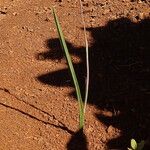
Thelymitra longifolia
Description
Source: leafsnapThelymitra longifolia, commonly called the white sun orchid, common sun orchid or maikuku, is a species of orchid in the family Orchidaceae that is endemic to New Zealand. It was the first of a large number of similar species to be described and is therefore the type species. It has a single grass-like leaf and up to five white flowers
Care Guide
💧 Water
The common sun orchid thrives in moist, well-drained environments and can tolerate moderate drought. It does best with weekly watering and benefits from misting to maintain the humidity typical of its native rainforest habitat. These conditions make it well-suited for indoor cultivation.
☀️ Light Full sun
The common sun orchid is a sun-loving perennial herbaceous plant native to open habitats, often thriving in meadows and grasslands. It prefers full sun but can also tolerate partial sun conditions.
What are the sunlight requirements for the Common Sun Orchid (Thelymitra longifolia)?
The Common Sun Orchid, known botanically as Thelymitra longifolia, thrives under specific sunlight conditions. It requires full sun, which is defined as more than 6 hours of sunlight per day, to flourish. Alternatively, it can grow under partial sun, meaning it should receive about 3-6 hours of sunlight daily. It's important to observe the movements of sunlight in your garden to find the ideal spots that offer a harmonious balance of light and shade, ensuring the wellbeing of your plants.
🌡️ Temperature 15–37.8°C
Common sun orchid can adapt to a wide range of temperature conditions, but its distribution may still be limited by particular combinations of water and heat. It performs best in warm summer climates with sufficient rainfall or watering. Extended stretches of cloudy, rainy weather, as well as prolonged high temperatures, can raise the likelihood of the Common sun orchid dying. In winter, adequate protection from cold can improve the plant's survival rate.
What is the Common Sun Orchid?
The Common Sun Orchid, known botanically as Thelymitra longifolia, is a species of orchid recognized for its distinct characteristics and natural beauty. This plant is part of the Thelymitra genus, which comprises a variety of orchids mainly found in Australia and neighboring regions. The name 'longifolia' suggests that this species has relatively long leaves, a feature that helps to distinguish it from other members of the Thelymitra genus.
💨 Humidity
🪴 Soil 6-6
🌱 Fertilizer
For the Common sun orchid, the primary time to apply fertilizer is in early spring as the flowers are forming. Using the appropriate fertilizer promotes stronger blooms and helps the Common sun orchid produce attractive flowers. Fertilizing at this early-spring stage ensures quality flowers throughout the season and supplies energy for periods of dormancy.
🪴 Pot & Repot
✂️ Pruning
The common sun orchid flourishes with minimal pruning, which is best done from early to late spring. To encourage new growth, promptly remove any wilted blooms. Light and selective trimming is advised to prevent disease, improve air circulation, and enhance the plant's appearance. For detailed techniques and timing, refer to horticultural guides.
🌿 Propagating
🐛 Diseases & pets
☠️ Toxicity
Characteristics
- Plant Type
- Herb
- Life Cycle
- Perennial
- Genus
- Thelymitra
- Family
- Orchidaceae
- Hardiness Zone
- 8-11
- Mature Height
- 49 cm
- Mature Spread
- 10 cm to 20 cm
- Leaf Color
- Green
- Leaf Type
- Deciduous
- Flower Color
- White, Purple
- Flower Size
- 1.02 cm to 1.52 cm
- Bloom Time
- Mid spring, Late spring, Early summer
- Planting Time
- Spring, Summer
- Harvest Time
- Mid summer, Late summer, Early fall
- Native Area
- New Zealand