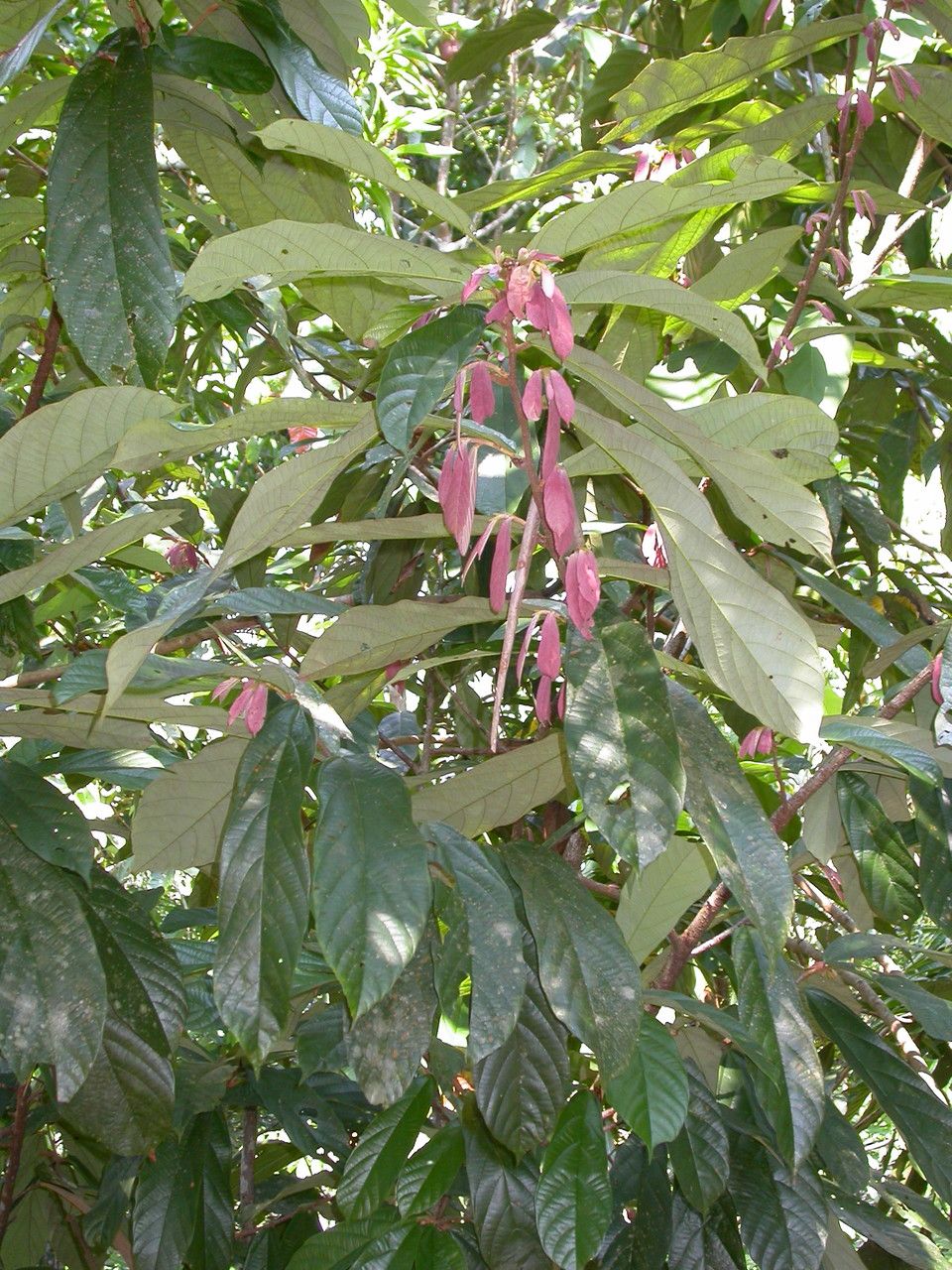
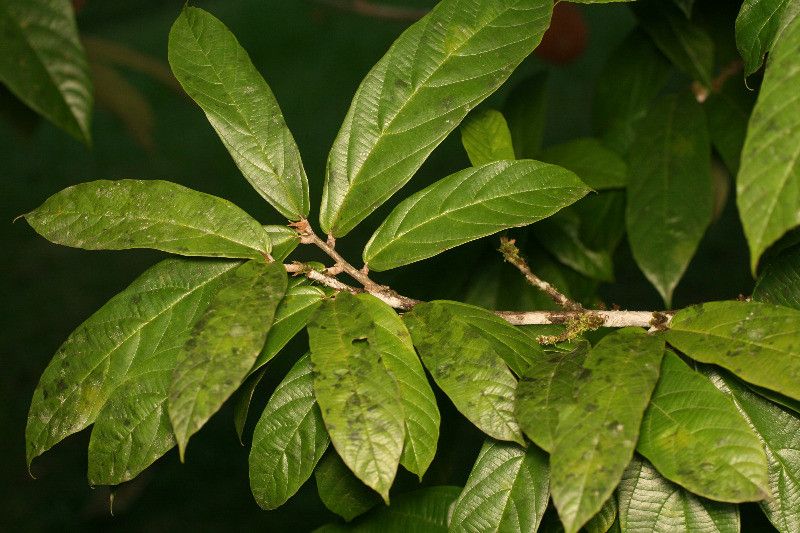
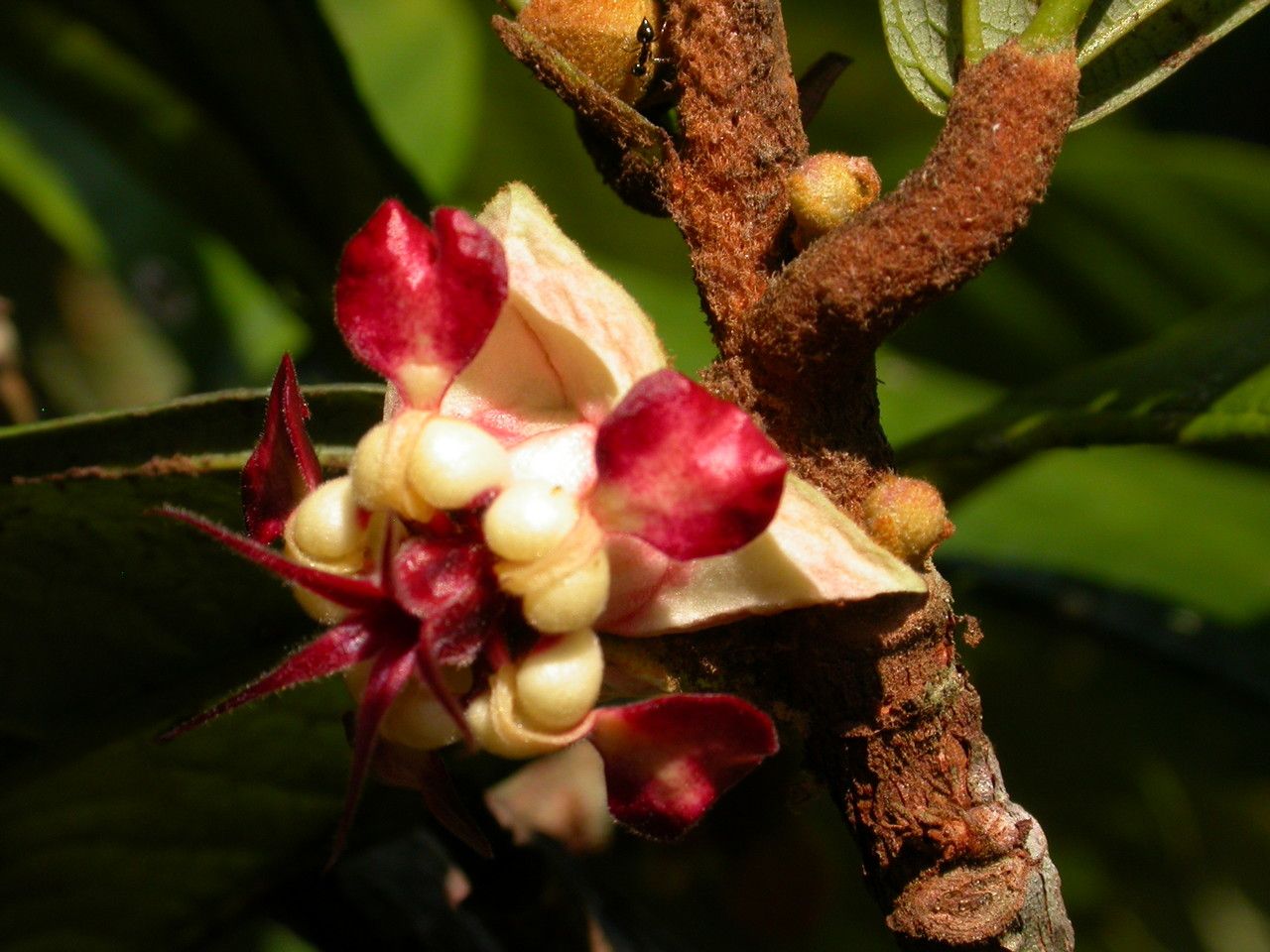
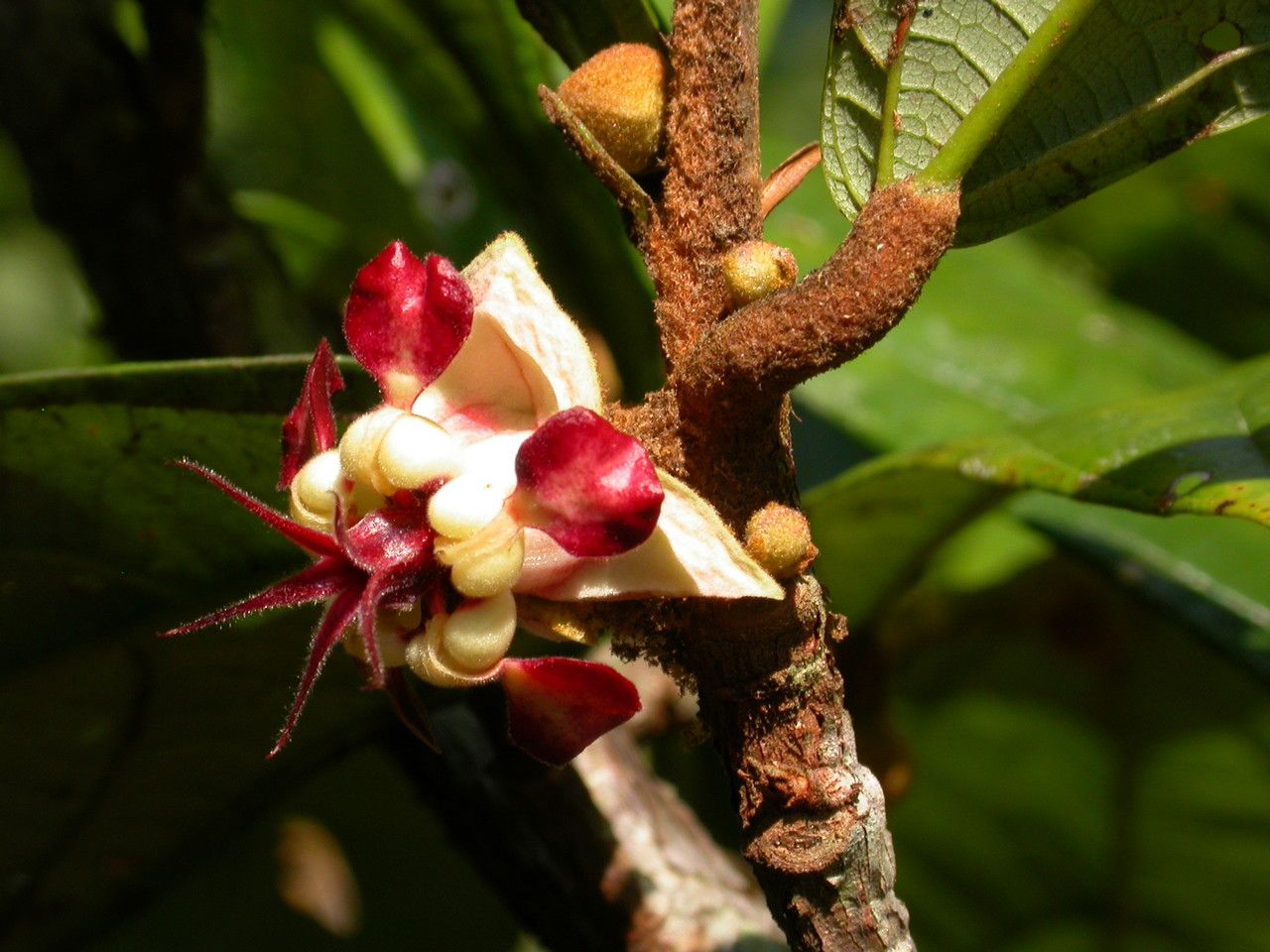
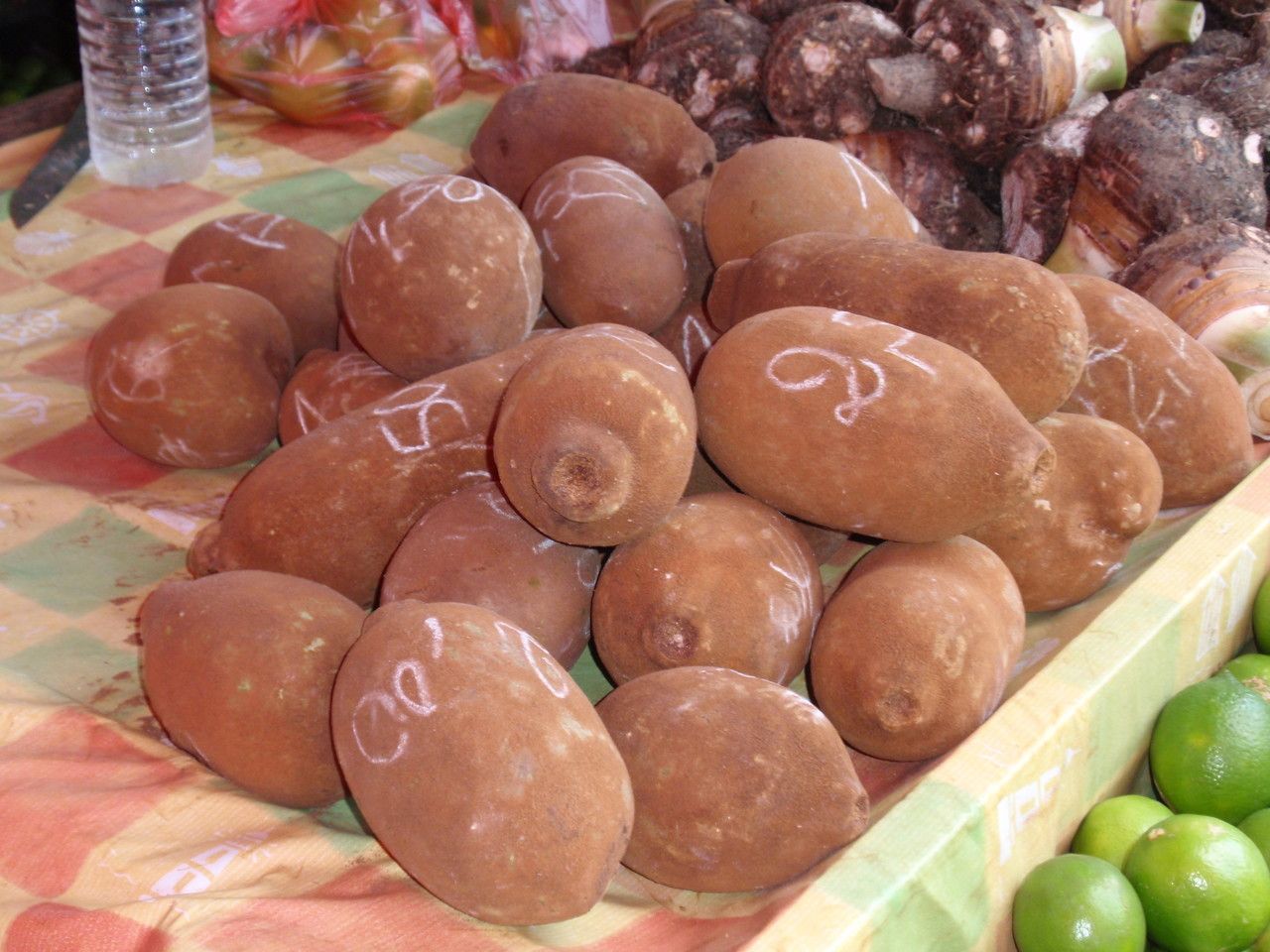
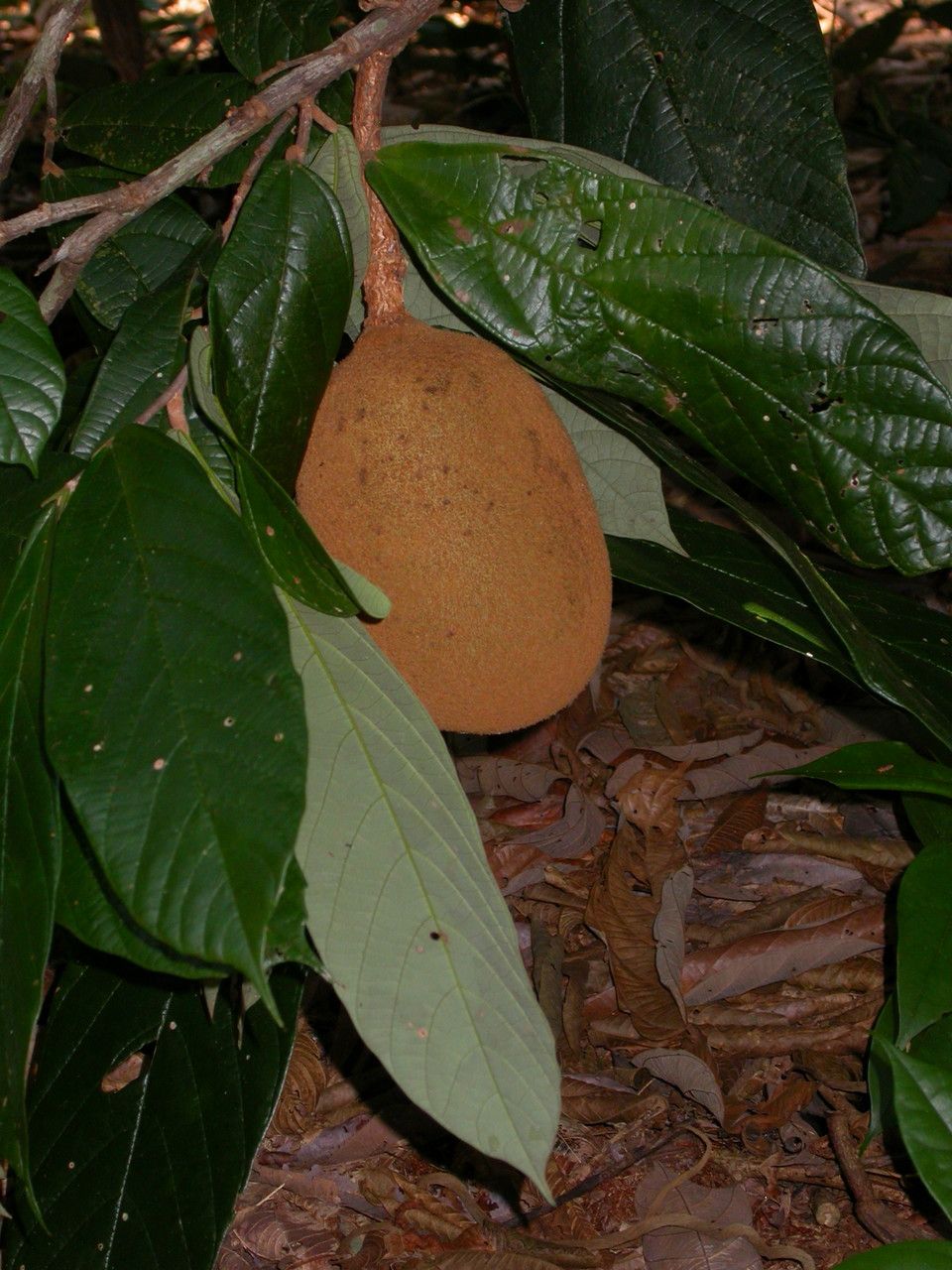
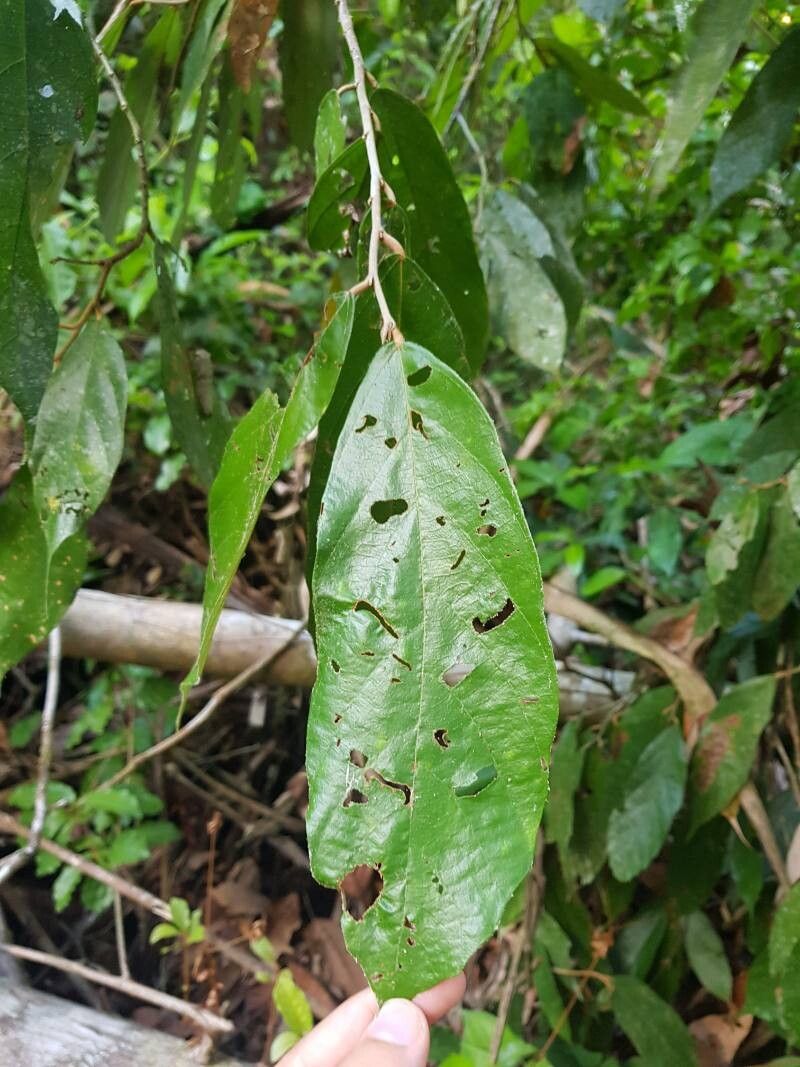
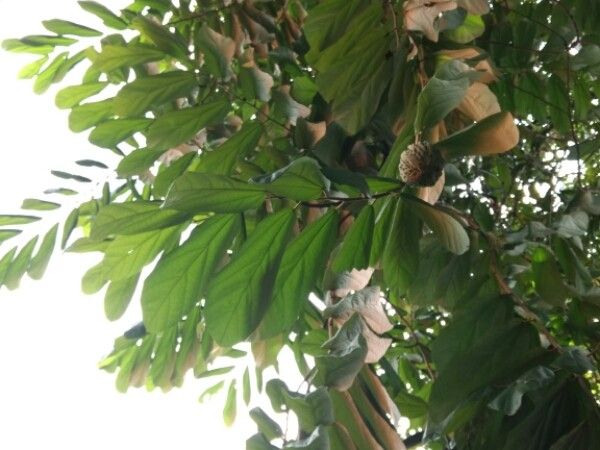
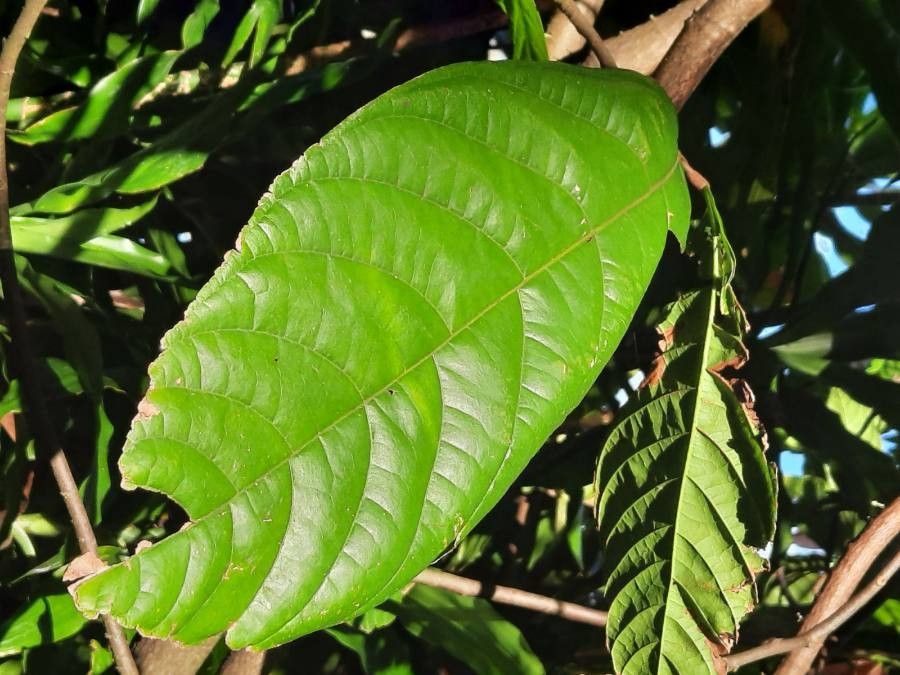
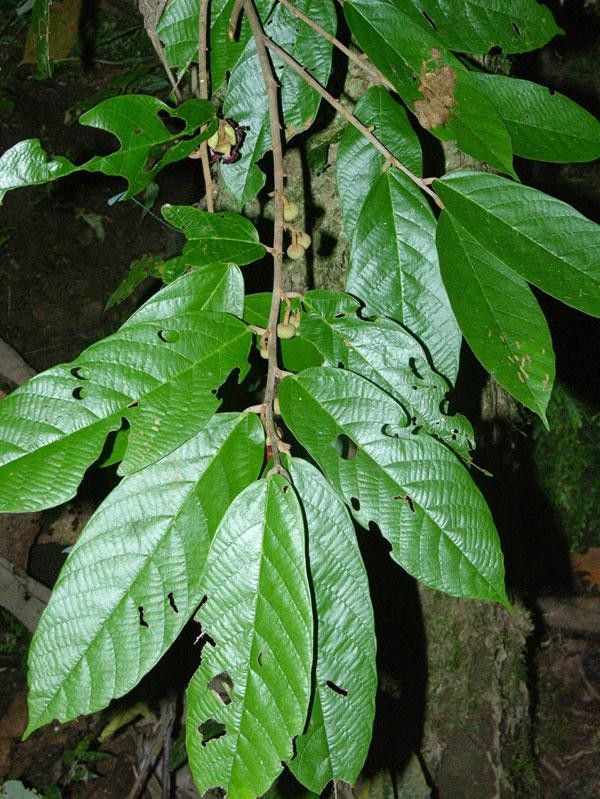
Theobroma grandiflorum, commonly known as cupuaçu, also spelled cupuassu, cupuazú, cupu assu, or copoazu, is a tropical rainforest tree related to cacao. Native and common throughout the Amazon basin, it is naturally cultivated in the jungles of north of Brazil, with the largest production in Pará, Amazonas and Amapá, Colombia, Bolivia and Peru. The pulp of the cupuaçu fruit is consumed throughout Central and South America, especially in the northern states of Brazil, and is used to make ice creams, snack bars, and other products.
Theobroma is resistant to disease and generally does not suffer from illnesses. Regarding care, this plant is fairly low-maintenance. When grown outdoors it needs only light watering, and larger specimens typically do not require pruning. Smaller plants, however, should be pruned after they have bloomed. Theobromat is suitable for anyone with an outdoor area, such as a garden or deck, and does not need extensive care experience.
How to keep Theobroma Grandiflorum.
Light
Theobroma prefers exposure to sunlight for the majority of the day, which encourages healthy growth and it does best with ample light. It can tolerate partly shaded spots if necessary. Native to areas with open skies, an imbalance in light can harm its health: too little light weakens it, while too much can scorch its leaves.
Water
Theobroma thrives in environments with high humidity and consistent moisture. To keep the soil moist, it should be watered every two weeks. Indoors, it benefits from regular misting, especially during dry heating seasons. This helps prevent the leaves from drying out and ensures the plant maintains its lush foliage throughout the year.
Temperature
Theobroma comes from tropical areas, where the climate is usually warm and humid. Consequently it is well adapted to high heat and humidity. It does not tolerate sudden temperature shifts and prefers a stable thermal environment, so avoiding indoor temperature fluctuations is important. It typically cannot withstand cold and needs higher temperatures to grow. If the surrounding temperature falls too low, the plant may stop growing or even die.
Fertilizer
Use organic fertilizers (e.g., fish emulsion, compost) instead of chemical fertilizers for Theobroma. Give young plants higher amounts of nitrogen and phosphorus in spring. Incorporate compost or fertilizer into the soil before or after planting. For mature plants, supplement in spring with a balanced fertilizer or one tailored to specific deficiencies. Nutrient deficiency results in small leaves, short branches, yellow or bronze leaves, acidic fruits, premature fruit drop, and fruit splitting.
Botanical profile.
- Plant Type
- Tree
- Life Cycle
- Perennial
- Genus
- Theobroma
- Family
- Malvaceae
- Hardiness Zone
- 10-12
- Mature Height
- 6.1 m to 17.98 m
- Mature Spread
- 4.88 m to 7.92 m
- Leaf Color
- Dark Green, Forest Green
- Leaf Type
- Evergreen
- Flower Color
- White
- Flower Size
- 1.02 cm to 2.03 cm
- Bloom Time
- All year round
- Planting Time
- Spring, Summer, Autumn
- Harvest Time
- All year round
- Native Area
- Colombia, Venezuela, Peru, Guyana, Brazil
Other names.
Reader questions.
How should I water my Theobroma?
Your Theobroma doesn't have strict requirements for watering. You can easily use any common watering tool, like a watering can, hose, or even a cup, to keep the soil moist. It's important to water directly onto the soil and ensure that all areas receive equal moisture to support the entire root system. To benefit the plant, consider using filtered water to avoid any harmful particles present in tap water. Additionally, using water that is at or slightly above room temperature is ideal, as extremely hot or cold water may shock the Theobroma. However, generally, the Theobroma is adaptable and will respond well to any type of water you provide.
Why should I put fertilizer on my Theobroma plant?
Plants require nutrients to grow, but certain types can obtain what they need without additional fertilizers. The primary purpose of fertilizing Theobroma is to enhance each harvest's yield. Like other plants, Theobroma employs nutrients to facilitate growth and various internal functions that lead to edible seeds or grains. Nutrients enable plants to develop and bloom, carry out photosynthesis, and ultimately yield seeds or fruits. Insufficient nutrients can result in diminished branching, smaller seed size, and lower protein content in the final product.
What are the sunlight requirements for Theobroma plants?
Theobroma plants thrive best when they are bathed in sunlight most of the day, which promotes healthy growth. They require full sun, defined as more than 6 hours of sunlight daily, but can also withstand partial shade, which means about 3-6 hours of sunlight. It's crucial for their well-being to have a balance of light exposure as both insufficient light and too much direct sunlight can have negative effects; inadequate light makes the plant weak, while excessive exposure can cause leaf scorching.
What should I do if I give my Theobroma plant too much or too little water?
When it comes to outdoor plants, especially newly planted ones or seedlings, it's important to be mindful of watering. For several months after planting, make sure to water them regularly. Once the roots are established, the plant can rely on rain for hydration most of the time. When your outdoor plant is in a pot, overwatering is a common issue. If you accidentally overwater your plant, take immediate action to fix it. Stop watering it right away to minimize the impact. Then, remove the plant from its pot and check the roots for signs of root rot. If no root rot is found, you can put the plant back in its container. However, if there is root rot, trim the affected roots and consider using a fungicide to prevent further damage. Finally, repot the plant in well-draining soil. On the other hand, underwatering is an easier problem to fix. If the plant's leaves droop and dry out, it's a sign of underwatering. Simply water the plant more frequently and the leaves will regain their fullness soon after. Make sure to correct your watering routine as soon as you notice underwatering.
When should I fertilize my Theobroma plant?
The best time to fertilize Theobroma is generally in the spring. During the growing season, it is recommended to apply three major fertilizer treatments. The first treatment should be done before planting seeds, followed by a second treatment about a month after seedlings emerge, and a final treatment about 1 to 1.5 months after the second one. Additionally, certain types of Theobroma benefit from a fertilizer boost at the time of planting. Nutrients are important throughout the growth cycle, especially for types that can reach full size within a month from seed to harvest.
How can artificial lighting be used for Theobroma plants?
Artificial lighting can be an essential solution for indoor Theobroma plants, particularly in winter or in less sunny spaces where natural sunlight is insufficient. LED lights are a popular choice for providing the specific wavelengths of light needed by the plants. Full sun plants require 30-50W per square foot of artificial light, partial sun plants need 20-30W per square foot, and full shade plants should have 10-20W per square foot. The artificial light source should be placed 12-36 inches above the plant and left on for 8-12 hours per day to mimic natural daylight hours. This promotes faster, healthier growth.
How often do I need to water my Theobroma?
Most plants that grow outdoors can rely on rainfall, but if your area doesn't get enough rain, you should water them every 2 weeks in spring and fall, and more frequently in summer. In winter, when plants need less water, you can water them less often or not at all. If your Theobroma plant is young or newly planted, it will need more frequent watering to help it establish and grow. For potted plants, there are two main ways to determine watering frequency for Theobroma. The first is to stick to a set schedule, like once a week or once every other week. However, this may not work well if the growing conditions are different. You can also water based on soil moisture. Wait until the top 2-4 inches of soil in the pot have dried out before watering again. This is usually about ⅓ to ½ of the depth of the pot. Adjust the watering frequency during the season, especially in summer when the plant needs more water.
When is it not a good idea to fertilize my Theobroma plant?
To keep Theobroma healthy and strong, regular feeding is important. However, there are risks associated with over-fertilizing or fertilizing at the wrong time. It's best to avoid fertilizing when the soil is dry or when the weather is very hot or cold. Additionally, you should be cautious about fertilizers coming into contact with seeds indirectly, as this can hinder germination. It is also necessary to ensure that the fertilizer is safe to directly touch the plant, as it could potentially damage the leaves and fruits. Some fertilizers should only be used near the plants' soil and not applied over actively growing plants.
What are the common symptoms of inadequate or excessive light exposure in Theobroma plants?
Theobroma plants may show various symptoms if they're not receiving the right amount of light. Inadequate light can lead to small new leaves, leggy or sparse growth, faster leaf drop, slower or halted growth, and lighter-colored new leaves. Excessive sunlight can cause chlorosis (leaf yellowing), sunscald, leaf curling, wilting, and leaf scorching. These symptoms highlight the importance of providing Theobroma plants with their ideal sunlight conditions for optimal health.
How much water does my Theobroma plant need?
When watering your Theobroma, keep in mind that it doesn't always require a large amount of water. Instead, if only a few inches of soil have dried since the last watering, provide about five to ten ounces of water each time. You can gauge the water volume based on the soil moisture, tracking how many inches have dried out between waterings. To ensure proper hydration, water enough to moisten all the dry soil layers since the last watering. If more than half of the soil is dry, consider giving more water until you see excess water draining from the pot's holes. If your Theobroma receives ample rain when planted outdoors, additional watering may not be necessary. When the plant is young or establishing, ensure it receives 1-2 inches of rain per week. As it grows and develops, it can rely on rainwater alone, only requiring a thorough watering in hot weather without rain for 2-3 weeks to prevent stress.
What kind of fertilizer does my Theobroma plant need?
Soil tests are crucial for determining the nutrient content of the soil, which is particularly important for larger-scale operations with high financial stakes tied to successful harvests. The specific nutrients required for growing Theobroma plants will depend on the type of soil and Theobroma variety being grown. Fertilizers need to provide ample phosphorus, as well as smaller quantities of nitrogen and potassium. Additionally, secondary nutrients and micronutrients such as sulfur, copper, manganese, and zinc are essential for ensuring a successful harvest.
What solutions are recommended for Theobroma plants not getting enough sunlight?
For indoor Theobroma plants not getting enough sunlight, gradually moving them to a sunnier location each week until they receive at least 6 hours of direct sunlight daily is suggested. A south-facing window is ideal, and using artificial light, such as a desk or ceiling lamp for at least 8 hours a day, can help. For outdoor plants, it’s important to move them gradually to prevent sunburn. If trees are blocking sunlight, consider pruning to improve light access. Transplanting smaller plants to a sunny location with good drainage can also be beneficial.