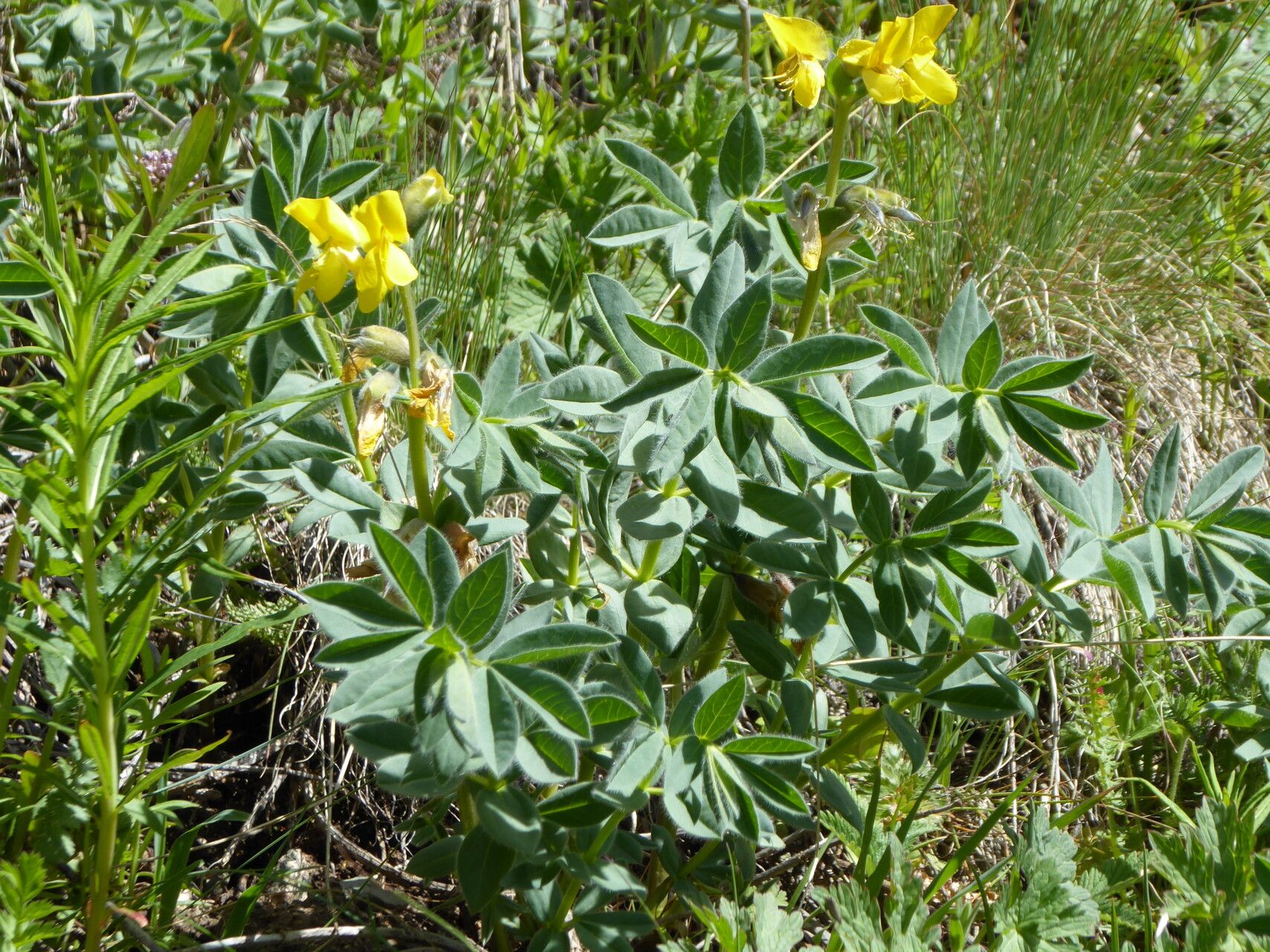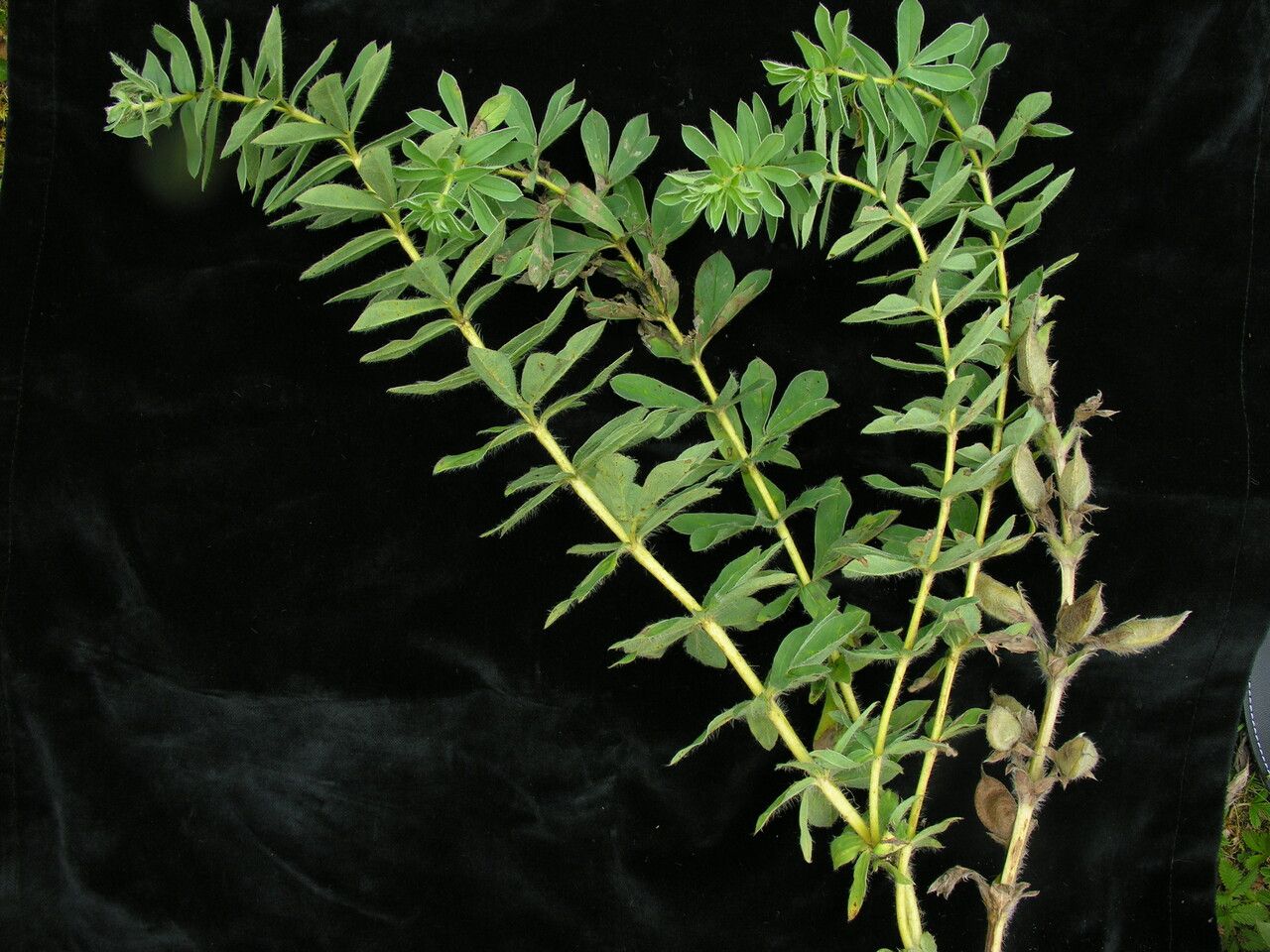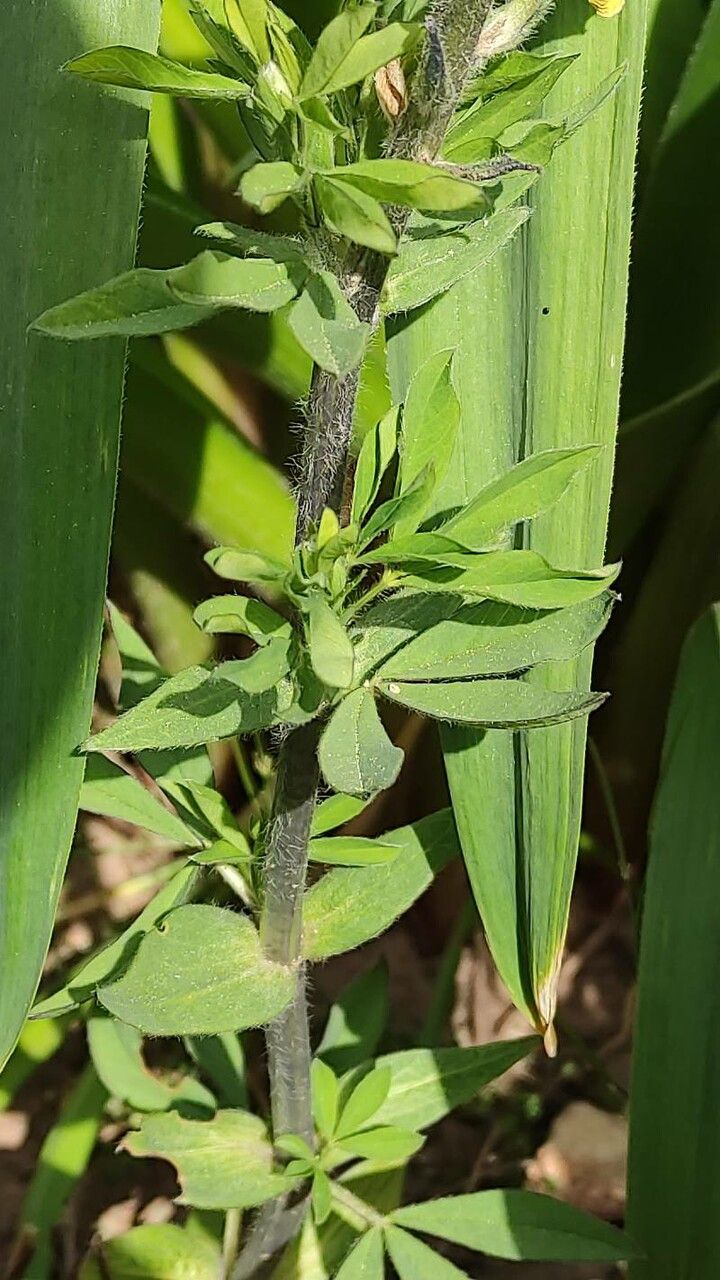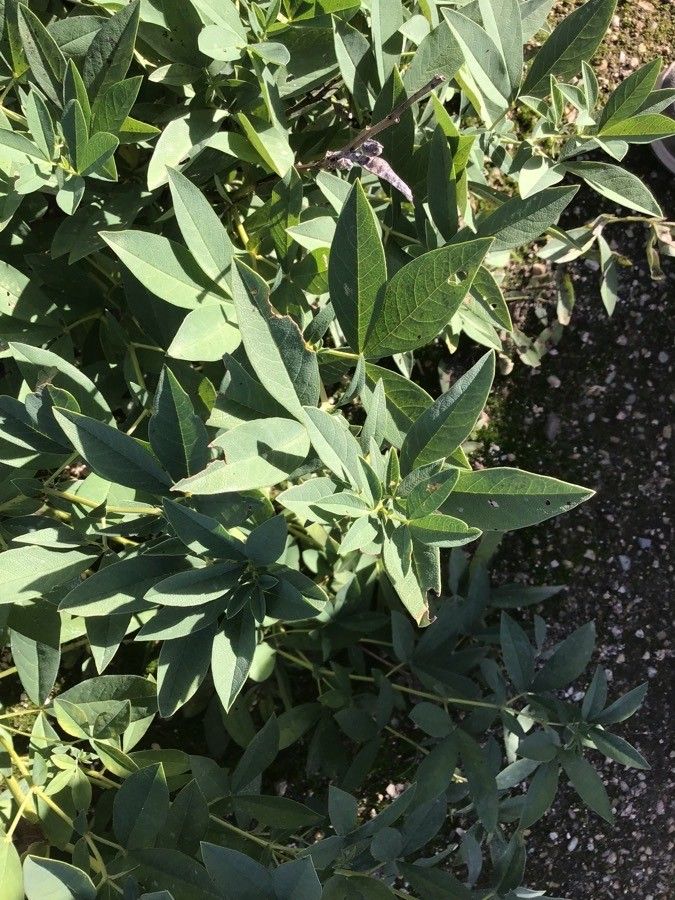
Thermopsis montana, the false lupin, mountain goldenbanner, golden pea, mountain thermopsis, or revonpapu, is a plant species which is native to the western United States. The Latin specific epithet montana refers to mountains or coming from mountains.
False Lupin has strong disease resistance and is generally not prone to illnesses. Nevertheless, it can be vulnerable to pests and diseases present in its environment. Such infections are generally not serious. For care, this plant needs a moderate amount of attention. Regular pruning is necessary to keep a tidy appearance and encourage healthy growth. Fertilizing can also aid in boosting flowering. False Lupin is suitable for anyone with outdoor space, like a garden or patio, and does not require extensive care experience. It may need more attention when grown indoors.
How to keep Thermopsis Montana.
Light
False Lupin grows best when it receives a generous amount of sunlight each day. It can also tolerate a moderate amount of sun, although this may lessen its vigor. Excessive or inadequate sunlight can cause unhealthy growth. Its natural habitats indicate an adaptation to environments with substantial sun exposure.
Water
False Lupin thrives in grassland environments and prefers moderate moisture without becoming waterlogged, needing weekly watering to stay healthy. As an herbaceous perennial, it benefits from being cultivated outdoors, where natural rainfall patterns can boost its growth cycles and seasonal vitality.
Temperature
False Lupin naturally occurs in climates where temperatures range from 41 to 95 °F (5 to 35 °C). For optimal growth, keep temperatures within that range year-round while allowing for seasonal variation. Monitor the daily weather and make adjustments as necessary.
Fertilizer
The best time to fertilize a False Lupin is in early spring, when it is coming out of dormancy and starting active growth. Fertilizing supplies essential nutrients for healthy development. Although False Lupin has relatively low fertilizer requirements, giving it fertilizer once a year can boost its survival and encourage better, longer-lasting blooms.
Pruning
False Lupin is a hardy perennial that features yellow flowers. To promote healthy growth, shape the plant, and minimize pests, prune it from early to late spring. Begin by removing any dead or damaged stems. For the best results and optimal regrowth, make sure to use clean, sharp tools while pruning.
Botanical profile.
- Plant Type
- Herb
- Life Cycle
- Perennial
- Genus
- Thermopsis
- Family
- Fabaceae
- Hardiness Zone
- 4-9
- Mature Height
- 0.61 m to 1.22 m
- Mature Spread
- 37 cm
- Leaf Color
- Green, Blue
- Leaf Type
- Deciduous
- Flower Color
- Gold, Yellow
- Flower Size
- 1.27 cm to 2.03 cm
- Bloom Time
- Late spring, Early summer
- Planting Time
- Autumn, Winter
- Harvest Time
- Mid summer
- Native Area
- Mexico
Other names.
Reader questions.
What are the sunlight requirements for False Lupin?
False Lupin requires a significant amount of sunlight each day to flourish optimally, ideally thriving in full sun, which is defined as receiving more than 6 hours of sunlight daily. It can also tolerate partial sun, about 3-6 hours of sunlight a day, although this might affect its vitality and overall health. An adequate balance of light and shade is crucial for the plant’s growth, suggesting its natural adaptation to environments with generous sunlight exposure. When planning your garden or indoor plant setup, it's important to observe how sunlight moves through the space to ensure your False Lupin gets the perfect balance of light it needs.
What is the native temperature range for False Lupin?
False Lupin, also known as Thermopsis montana, thrives in environments with temperatures ranging from 41°F to 95°F (5°C to 35°C). To ensure optimal growth, it is important to maintain these temperatures throughout the year, with allowances for natural seasonal fluctuations. Daily monitoring of the weather and adjusting care accordingly can help in achieving this. Despite its strong resistance to cold, measures should be taken to protect the plant if winter temperatures are expected to plummet below -30°C.
How can artificial lighting be used for False Lupin indoor growth?
For indoor False Lupin plants, specially when natural sunlight is inadequate, artificial lighting can be a vital solution to promote healthy growth. Indoor plants benefit from adequate lighting, particularly in winter or less sunny locations. LED lights are a popular choice because they can be tuned to provide specific wavelengths needed by the plants. The requirements vary depending on the type of plant: full sun plants need 30-50W/sq ft, partial sun plants 20-30W/sq ft, and full shade plants 10-20W/sq ft of artificial light. The light source should be positioned 12-36 inches above the plant to mimic natural sunlight, and plants typically need 8-12 hours of artificial light per day to mimic natural daylight hours.
How can I protect False Lupin during extreme winter temperatures?
While False Lupin is known for its strong cold resistance, in extremities where winter temperatures drop below -30°C, it's crucial to provide additional protection to the plant. This can be done by covering the plant with protective materials such as soil or straw. Furthermore, before the onset of the first freeze in autumn, watering the plant abundantly to ensure the soil remains moist and enters a frozen state can help mitigate drought and water scarcity during the colder months. This preparation helps the soil retain moisture, thereby supporting the plant through winter and early spring.
What are the symptoms of insufficient or excessive sunlight in False Lupin?
False Lupin shows various symptoms when exposed to inadequate or excessive sunlight. Insufficient light can cause smaller leaves, leggy or sparse growth, faster leaf drop, slower or no new growth, and lighter-colored new leaves, indicating a lack of chlorophyll and essential nutrients. Excessive sunlight can lead to chlorosis (leaves turning yellow), sunscald (damage from intense light), leaf curling (to minimize water loss), wilting, and leaf scorching (brown, crispy edges on leaves). These symptoms reflect the plant's inability to adapt to improper lighting conditions, either by conserving resources in low light or suffering damage in intense light.
What symptoms should I look for in False Lupin due to low temperatures?
False Lupin is quite tolerant to cold weather, preferring temperatures above 5°C and withstanding conditions down to -25°C. However, once temperatures fall below -30°C, the plant might not show immediate distress, but these conditions can lead to a reduction in, or a complete absence of, sprouting in the following spring. The plant's resilience to cold does not extend beyond these extremes, thus requiring attentive care to mitigate potential damage during severe winters.
How can I address sunlight-related issues for False Lupin?
To address sunlight-related issues in False Lupin, consider the following solutions based on the plant's setting: Indoor environments may require gradual relocation to sunnier spots or the use of artificial light sources for at least 8 hours a day if the plant is large or immovable. For outdoor plants, adjusting their location gradually to acclimate them to sunnier spots can prevent sunburn. Removing obstructions like overhanging branches and, if possible, transplanting the plants during their dormant period to areas with better sunlight and drainage are effective strategies. While damaged parts may not recover, new growth following these adjustments should be healthy and robust. Ensuring False Lupin receives adequate sunlight is key to its vitality.
What are the solutions for False Lupin affected by high temperatures?
During the summer months, False Lupin should ideally be kept in conditions below 35°C. Exposure to temperatures above 38°C can result in the leaves becoming lighter in color, curling, and becoming prone to sunburn. In severe cases, the plant might even wilt and dry out completely. To alleviate stress from high temperatures, it's advisable to trim away the affected parts, move the plant to a shaded area during the hottest parts of the day, or employ a shade cloth. Ensuring the plant is watered in the early morning and evening can help keep the soil at an ideal moisture level, thus reducing the risk of heat stress.
What are the solutions for False Lupin affected by low temperatures?
For False Lupin that has been adversely affected by extremely low temperatures, resulting in parts of the plant failing to sprout, the recommended solution is to remove any non-sprouting parts in the spring. This action helps in preventing the decay of these unsprouted parts from impacting the healthier parts of the plant and allows for better growth in the coming season.