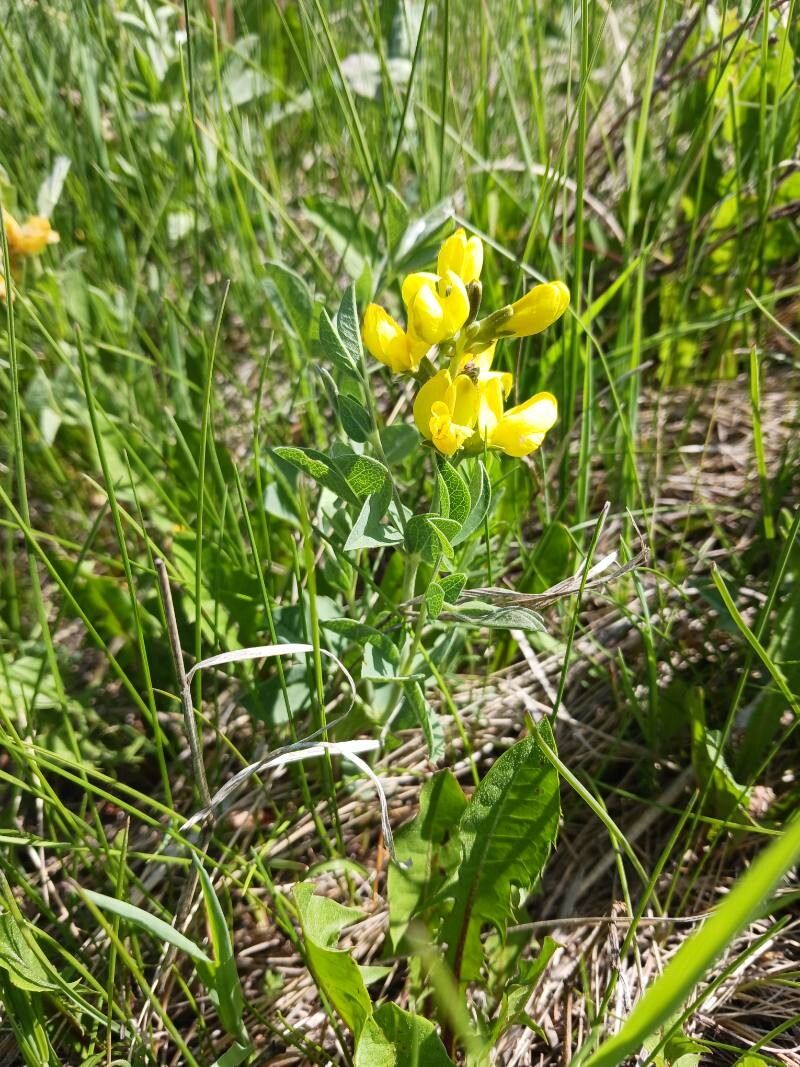
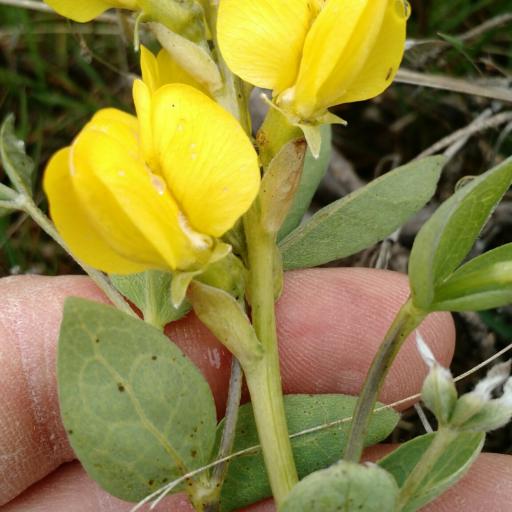
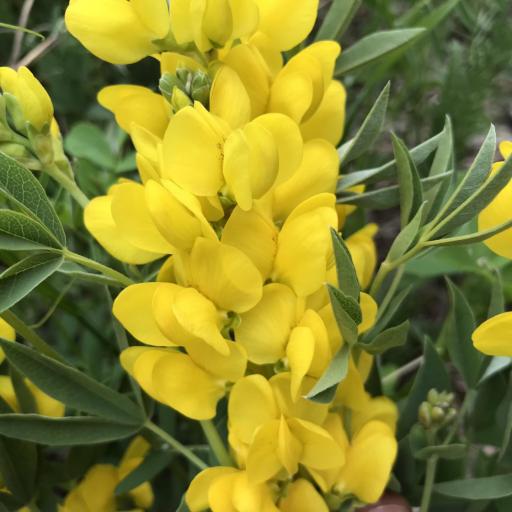
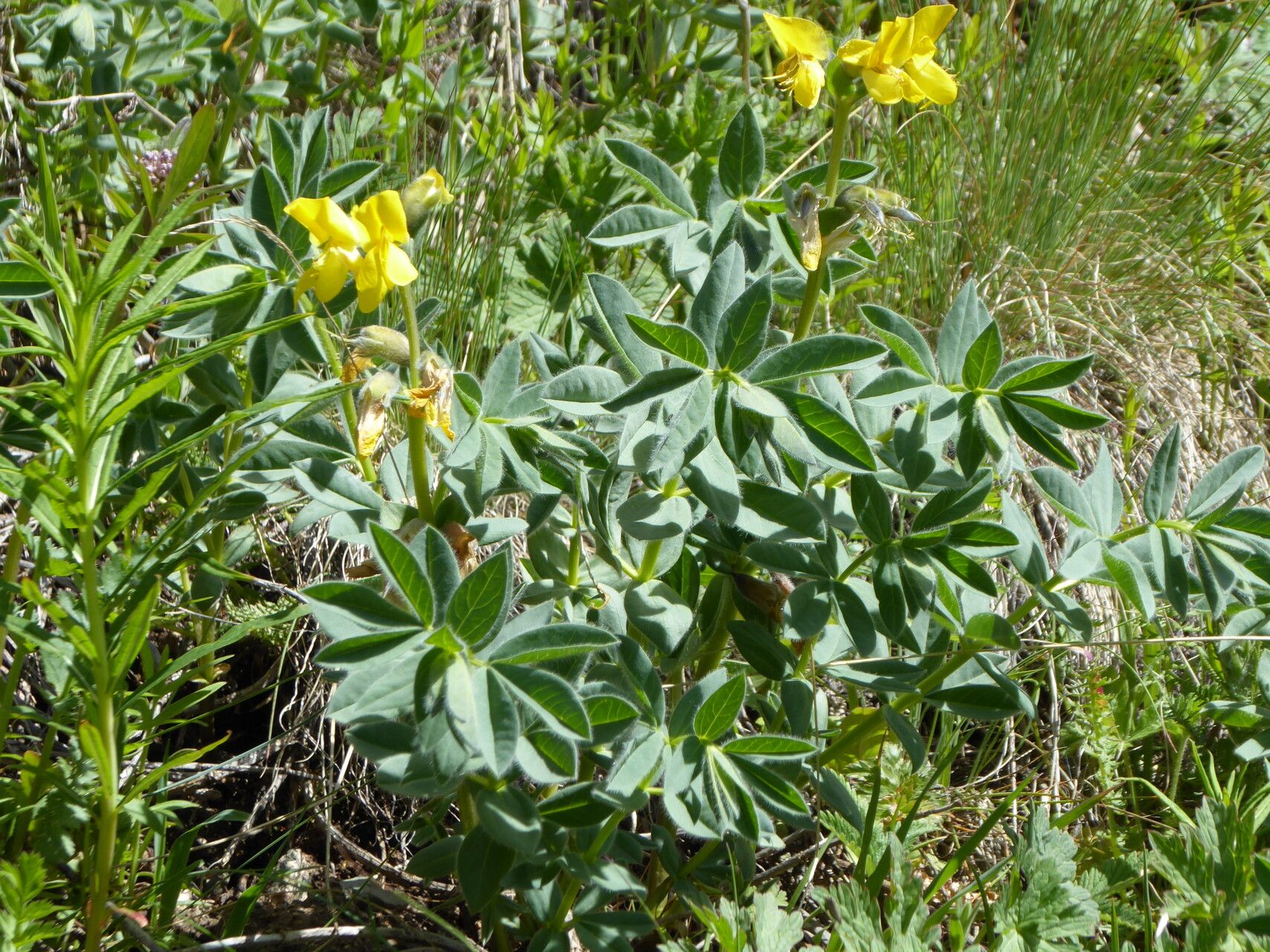
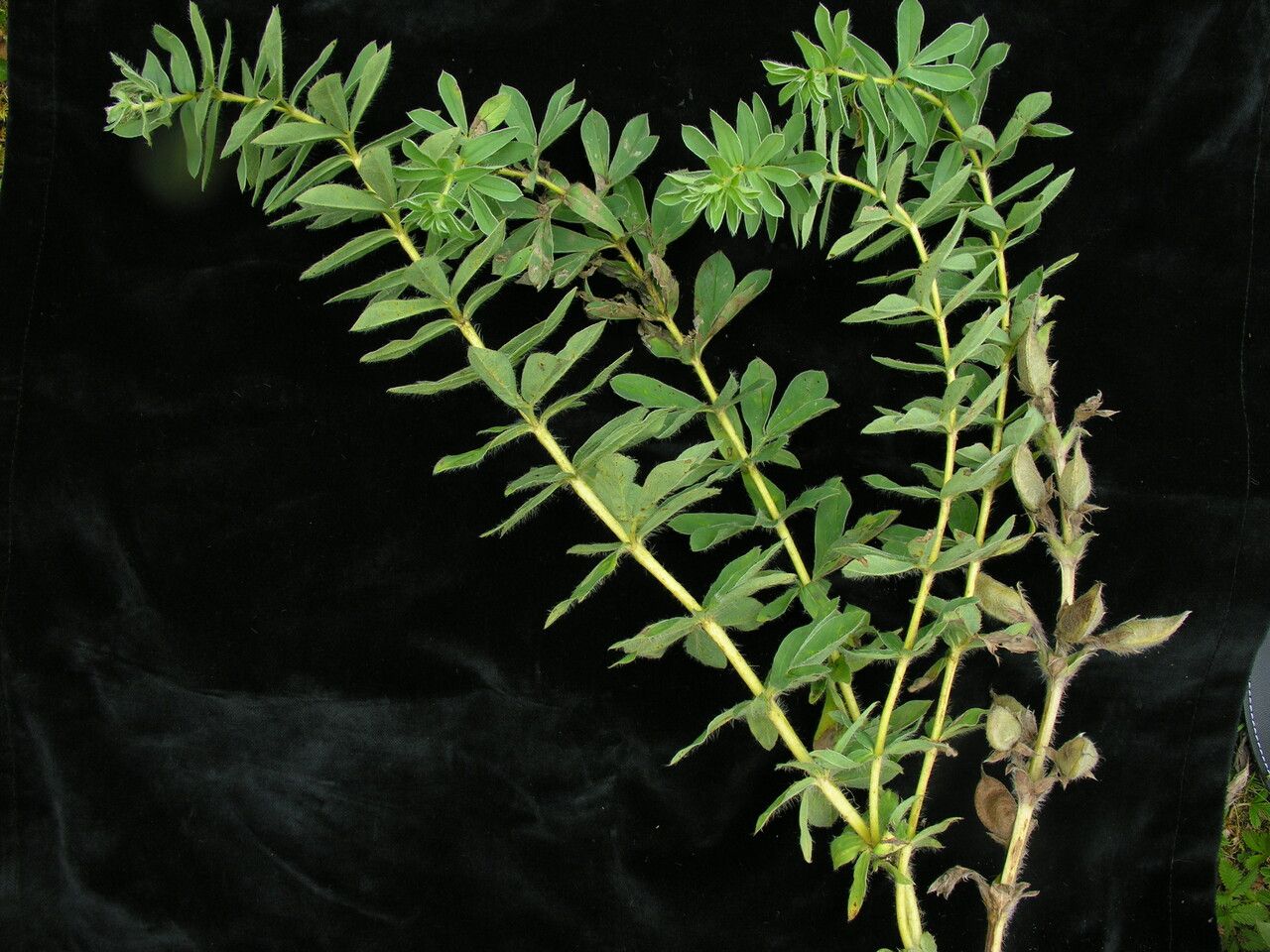
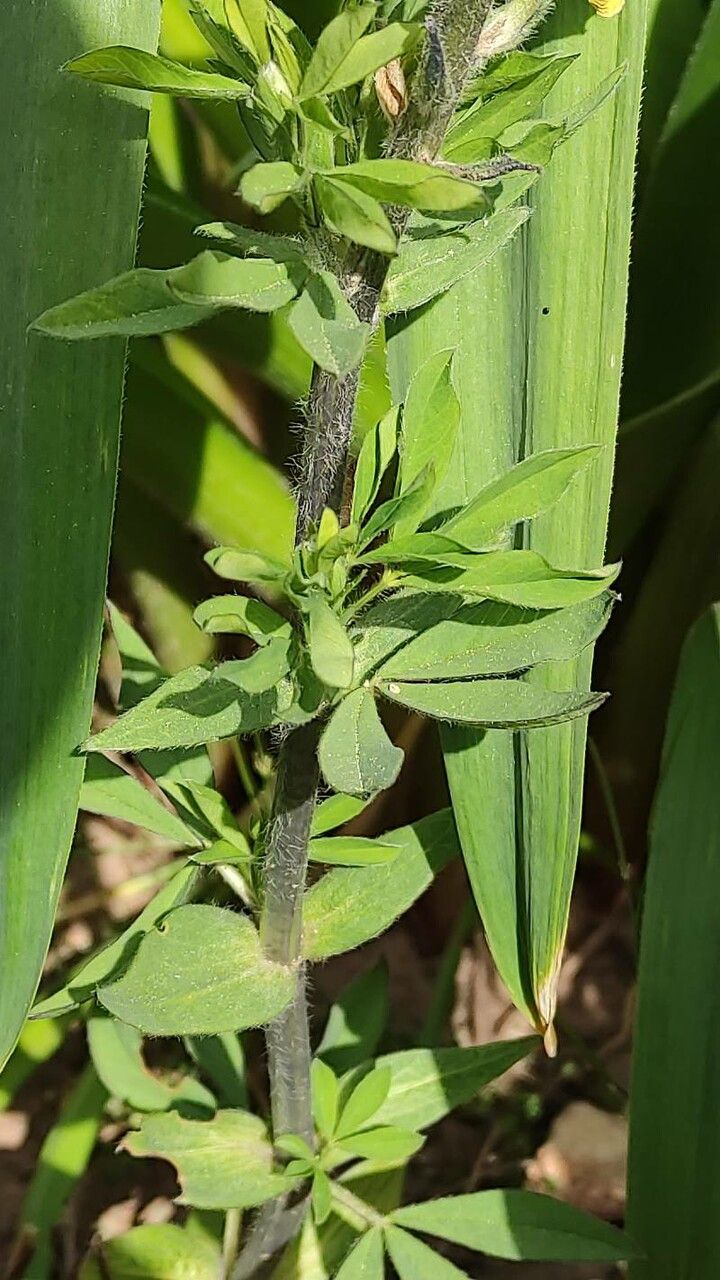
Thermopsis rhombifolia, also known as prairie thermopsis, is a flowering plant in the legume family. It is native to North America, where it is found in the Great Plains, with extensions into the lower canyons of the Rocky Mountains. Its natural habitat is dry grasslands and woodlands. It is a perennial that produces yellow flowers in the spring.
Prairie thermopsis is resistant to many diseases and typically does not suffer from them. However, it can be affected by pests and illnesses present in its environment. Such infections are usually mild. In terms of care, this plant needs a moderate amount of maintenance. Regular pruning is necessary to maintain a neat appearance and promote healthy growth. Fertilizing can also help encourage flowering. Prairie thermopsis is suitable for anyone with outdoor space, such as a garden or patio, and does not demand extensive plant-care experience. It may need additional attention when grown indoors.
How to keep Thermopsis Rhombifolia.
Light
Prairie thermopsis needs strong, uninterrupted sunlight to grow best, reflecting its native open-land habitat. It can manage with less light, but that may slow its growth and diminish overall health. Both too much sun and too little light can stress the plant and lower its vigor.
Water
Prairie thermopsis thrives with moderate moisture and benefits from being watered every 1 to 2 weeks. It is well-suited for outdoor growth, tolerating a range of temperatures. This plant performs best in full sun, which enhances its drought resistance and water efficiency during periods of active growth.
Temperature
Prairie thermopsis is native to temperate regions and grows best in conditions similar to its natural habitat, with a 'comfort zone' of 41 to 77°F (5 to 25°C). During periods of extreme temperature, protective measures may be necessary to help it adjust.
Fertilizer
The best time to fertilize a Prairie thermopsis is in early spring, when it is coming out of dormancy and starting active growth. Fertilization supplies essential nutrients for healthy development. Although Prairie thermopsis has fairly low fertilizer requirements, applying fertilizer once a year can improve its survival and encourage better, longer-lasting blooms.
Pruning
To promote growth and improve the shape of prairie thermopsis, prune the plants from early to late spring. Remove any dead stems and cut the flowering stems back to a pair of leaves. This process enhances air circulation and sunlight access, which reduces the risk of disease and encourages better flowering. For the best results, always use clean, sharp tools.
Botanical profile.
- Plant Type
- Herb
- Life Cycle
- Perennial
- Genus
- Thermopsis
- Family
- Fabaceae
- Hardiness Zone
- 4-6
- Mature Height
- 25 cm to 30 cm
- Mature Spread
- 8 cm to 15 cm
- Leaf Color
- Green, Dark Green
- Leaf Type
- Deciduous
- Flower Color
- Yellow
- Flower Size
- 2.54 cm to 5.08 cm
- Bloom Time
- Early spring, Mid spring
- Planting Time
- Spring, Summer
- Harvest Time
- Late spring, Early summer, Mid summer
Other names.