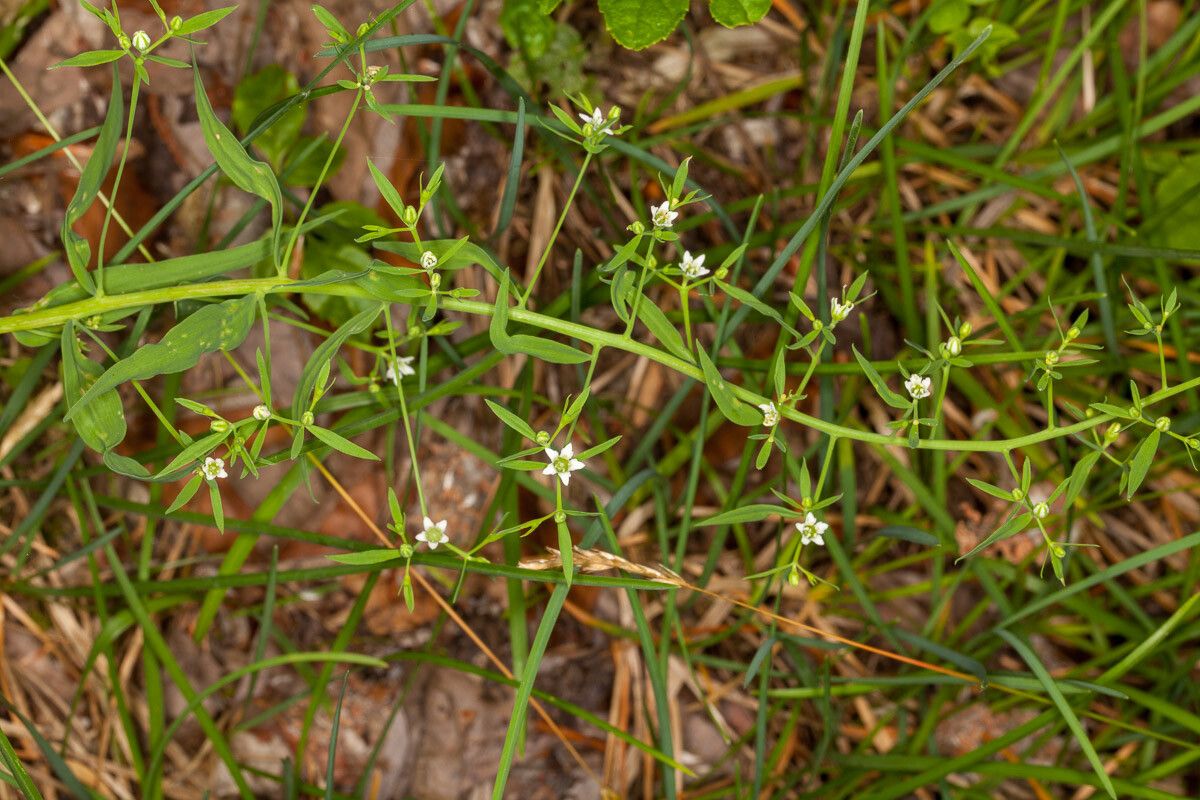
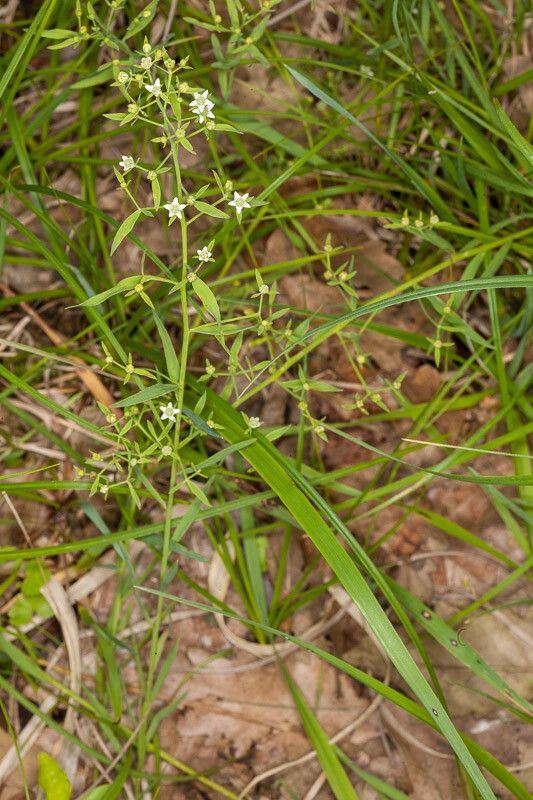
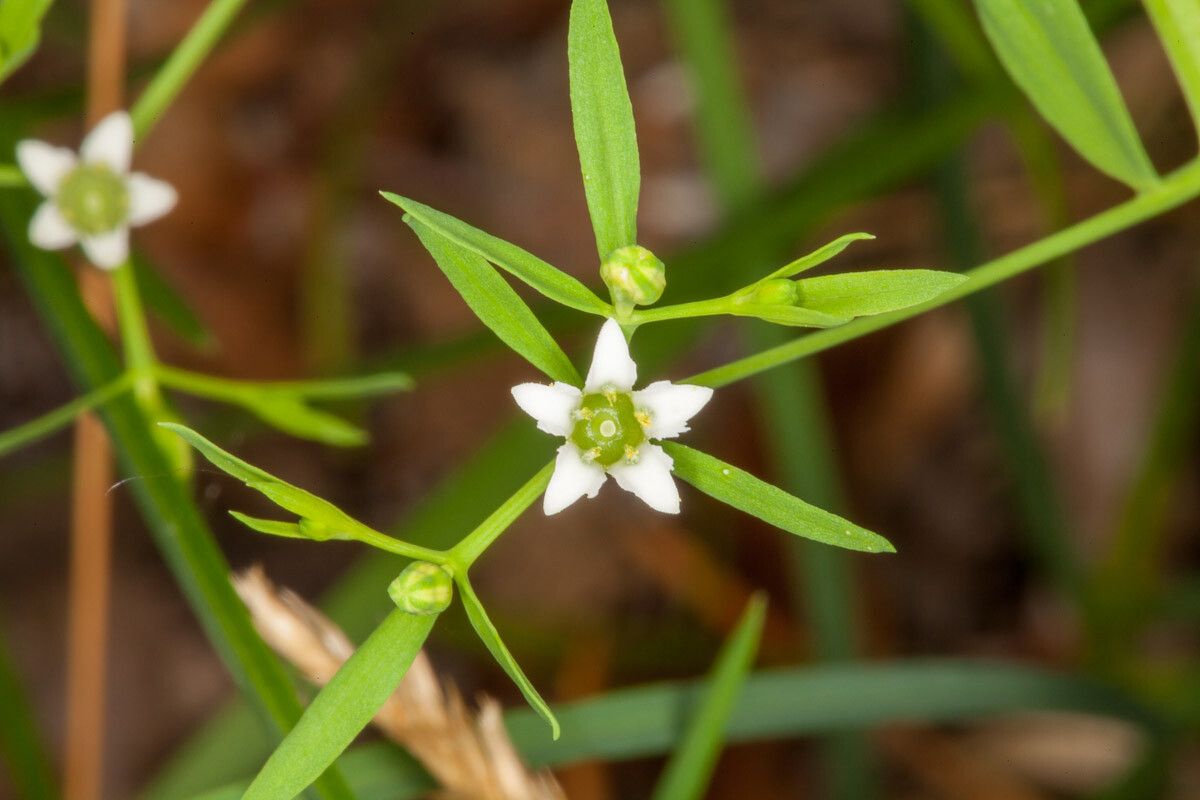
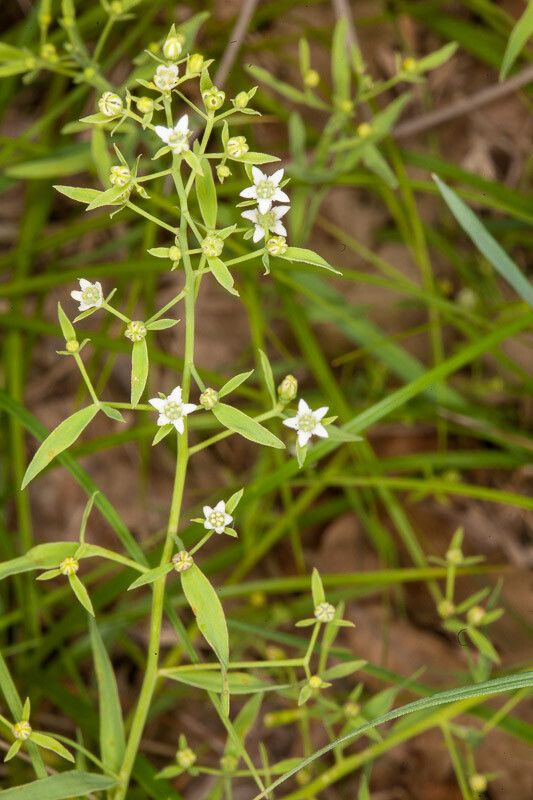
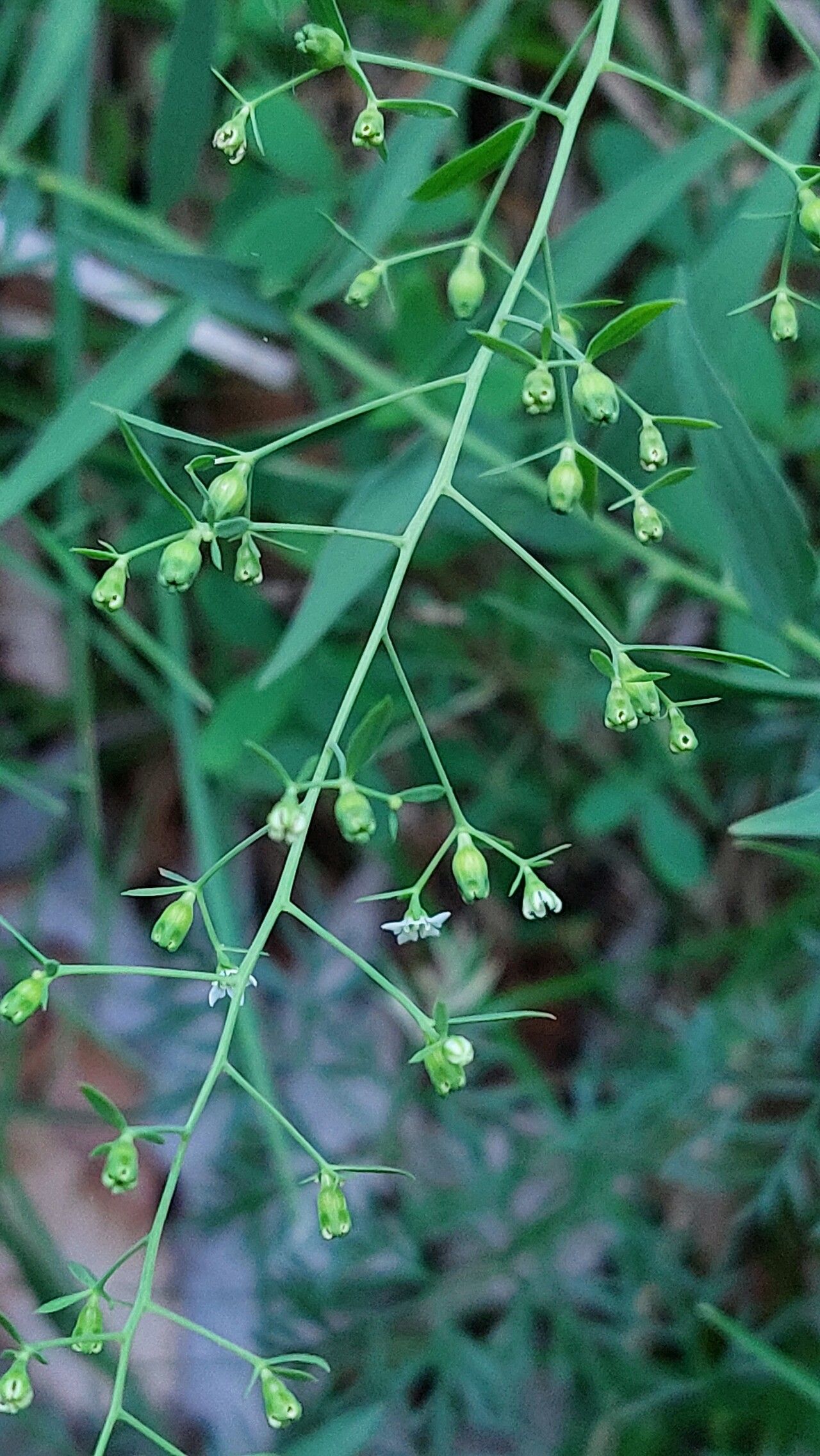
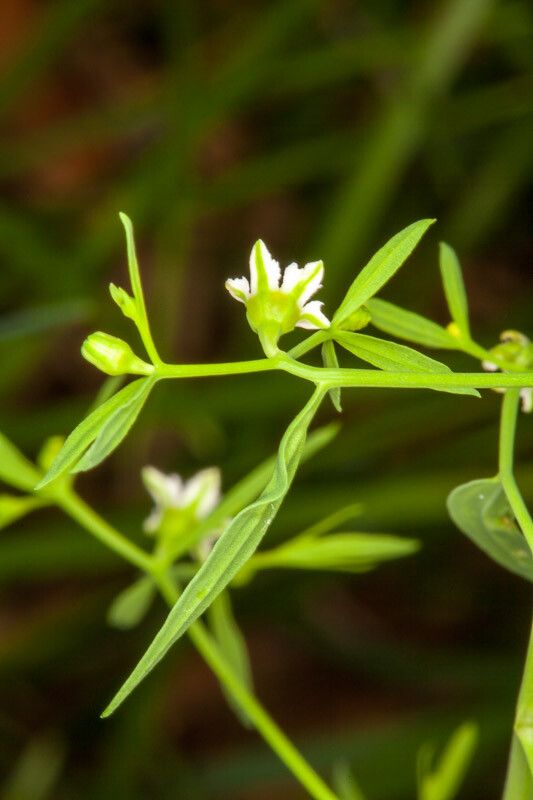
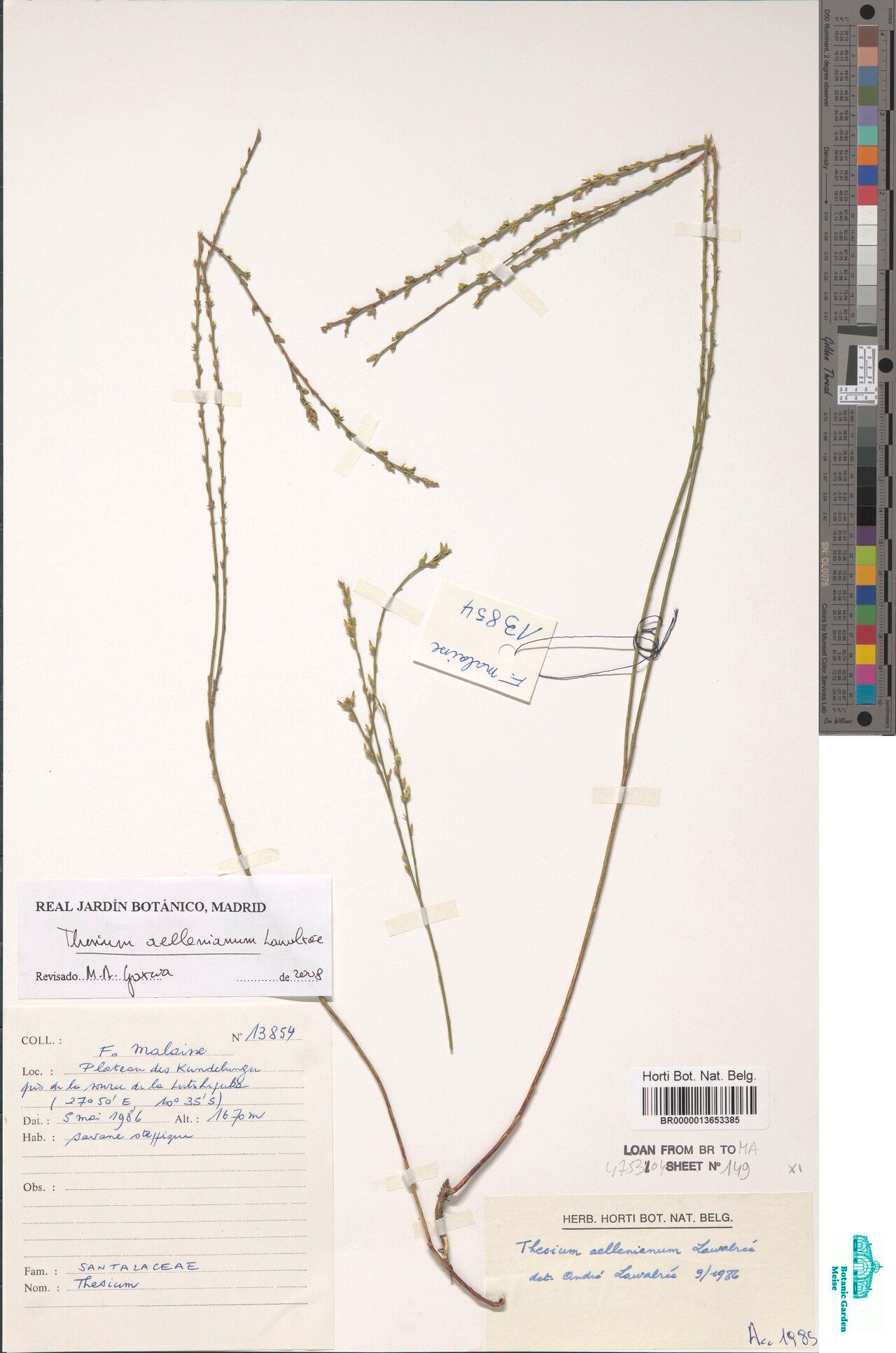
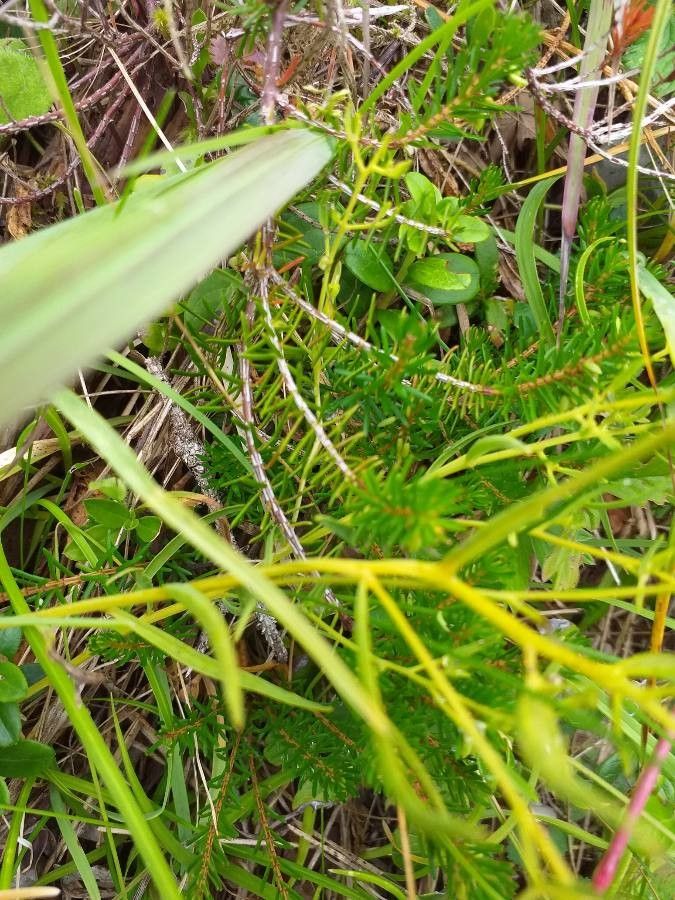
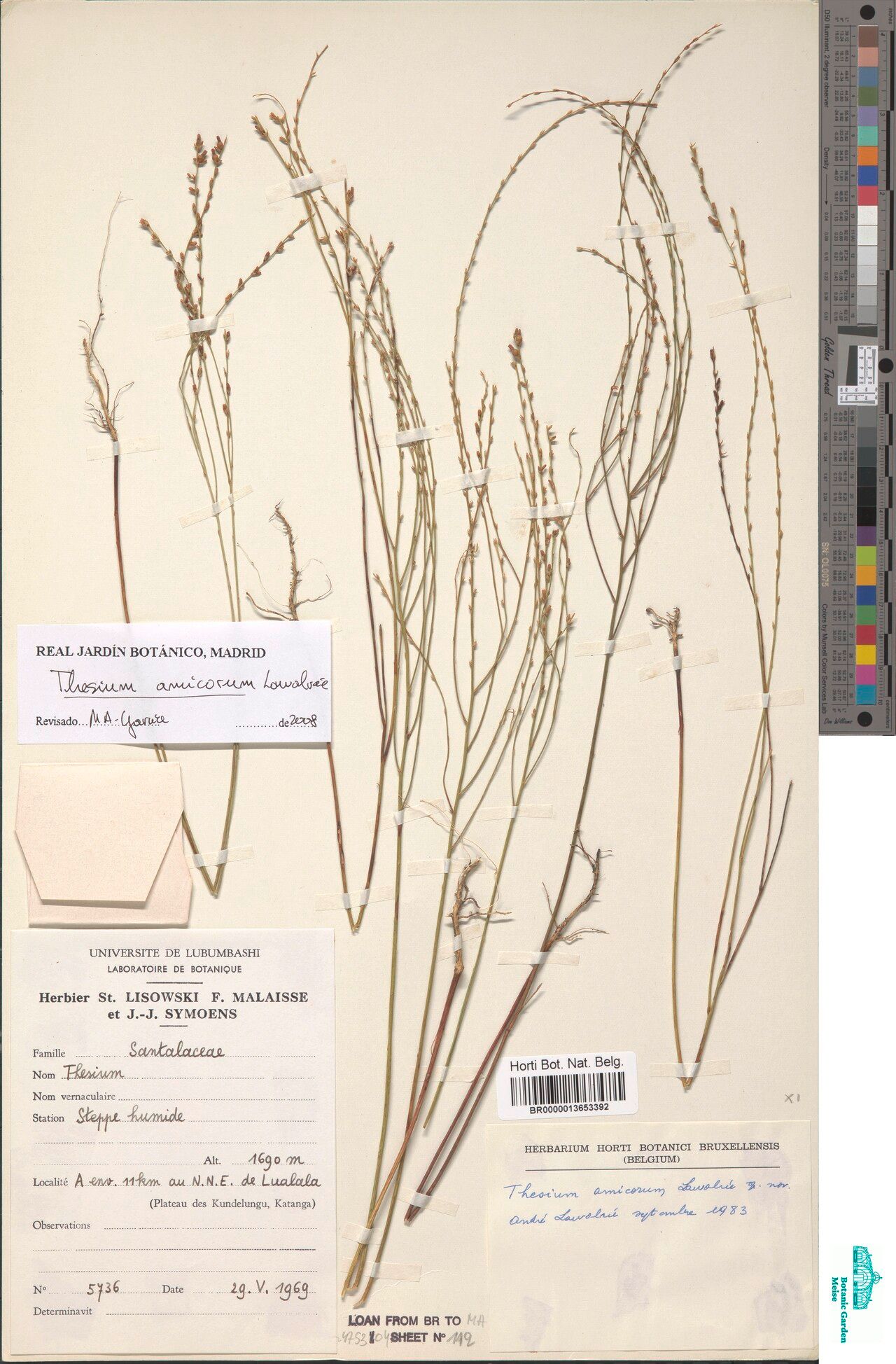
Thesium linophyllon is a species of flowering plant belonging to the family Santalaceae.Its native range is France to Latvia and Central Greece.Synonym:
Linophyllum clusii Bubani Linosyris intermedia (Schrad.) Kuntze Linosyris linophyllon Kuntze Thesium arvense Horv. Thesium fulvopes Griess. Thesium hutterianum Opiz Thesium intermedium Schrad. Thesium linariae-folium Gilib. Thesium linifolium Christm. Thesium linifolium Schrank Thesium linophyllon var. pilosiusculum Lawalrée Thesium transsilvanicum Schur Xerololophus trinervis Dulac
Flaxleaf is fairly disease-resistant and generally not prone to illness. Nevertheless, it can be affected by pests and diseases present in its environment. These problems are typically mild. In terms of care, this plant requires moderate maintenance. It should be pruned regularly to preserve a tidy appearance and promote healthy growth. Applying fertilizer can also aid in encouraging flowering. Flaxleaf is suitable for people with outdoor spaces, such as a garden or patio, and does not demand extensive care experience. It may need more attention when grown indoors.
How to keep Thesium Linophyllon.
Light
Flaxleaf is a perennial herbaceous plant that favors sunny sites and comes from open habitats, commonly growing in meadows and grasslands. It prefers full sun but can also tolerate partial sun.
Water
Flaxleaf thrives in environments with moderate moisture and requires weekly watering to stay healthy. While it is resilient to occasional dry spells, it prefers a consistently balanced level of moisture. In temperate regions, when grown outdoors, flaxleaf benefits from natural rainfall, which further enhances its growth cycle.
Fertilizer
A single fertilizer application in spring is generally adequate for Flaxleaf, although repeated feedings can maximize growth. Feed once every month to six weeks. Fertilization improves the leaves' appearance and function, encouraging consistent color and a healthy texture. It also stimulates root development and nutrient uptake, supporting long-term plant health.
Pruning
Flaxleaf is characterized by its narrow, linear leaves and compact growth. To maintain its health and appearance, prune the plant from early to late spring. This helps remove any damaged stems and encourages healthy regrowth. Regular pruning also boosts the plant's vigor, prevents pest infestations, and maintains its natural shape, aligning with its growth cycle.
Botanical profile.
Other names.