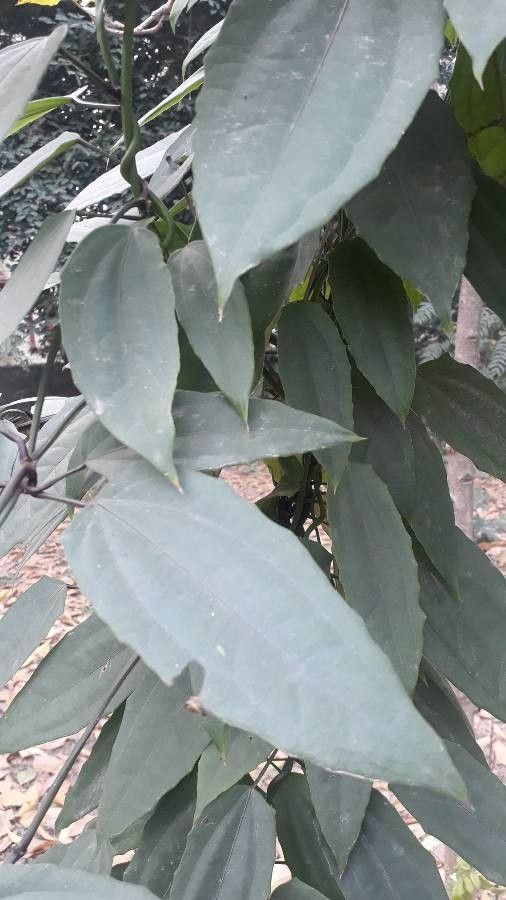
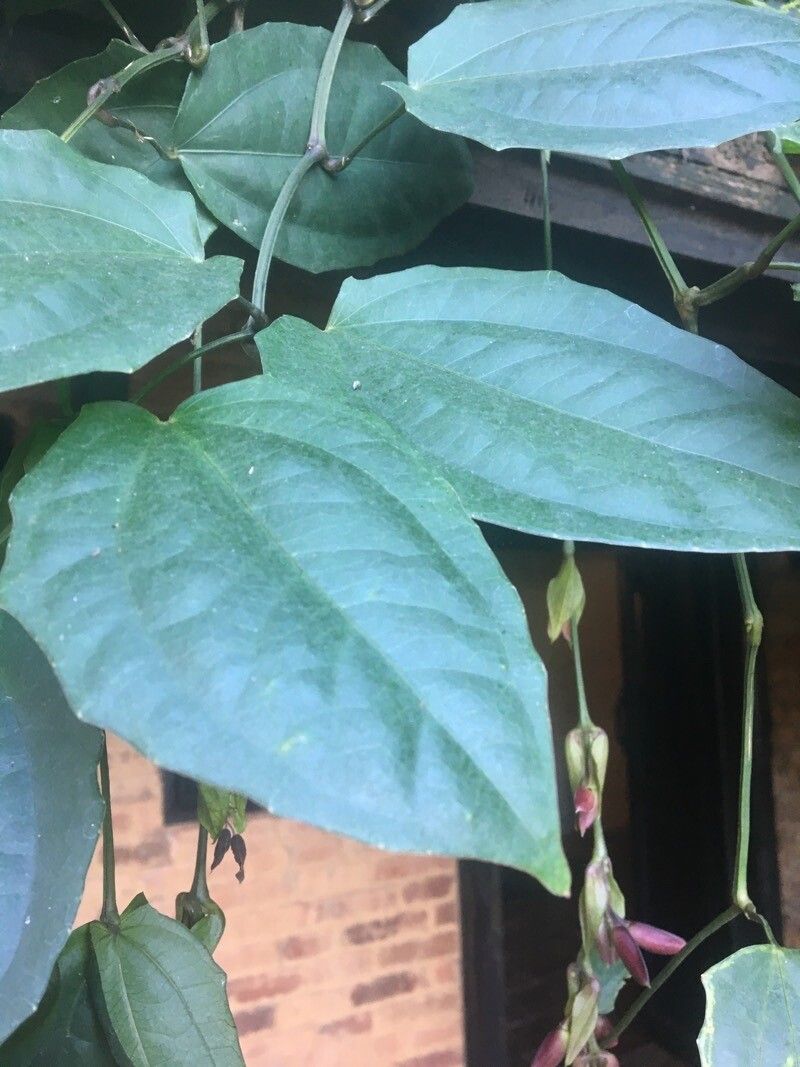
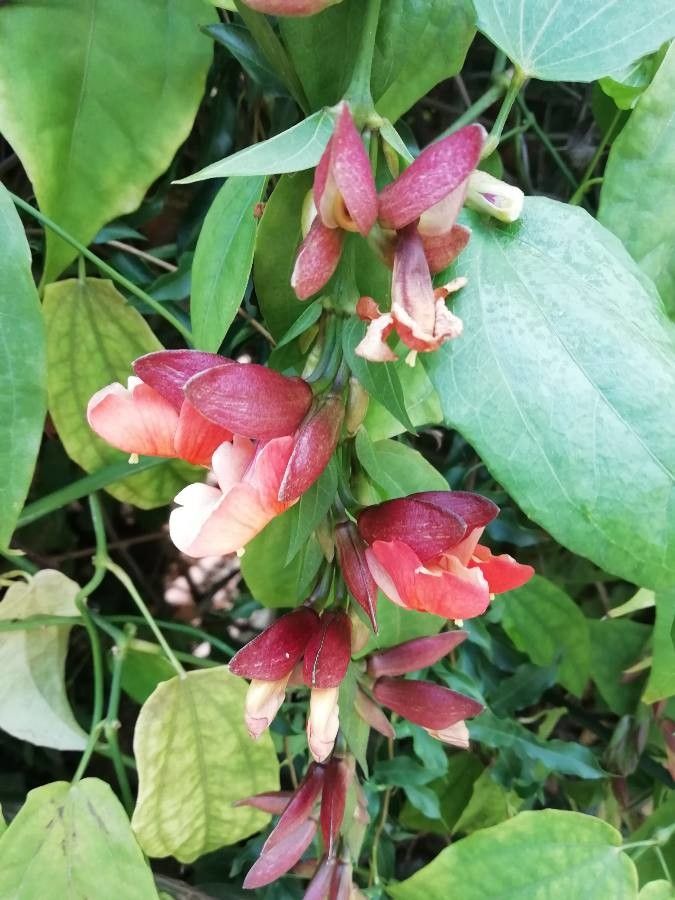
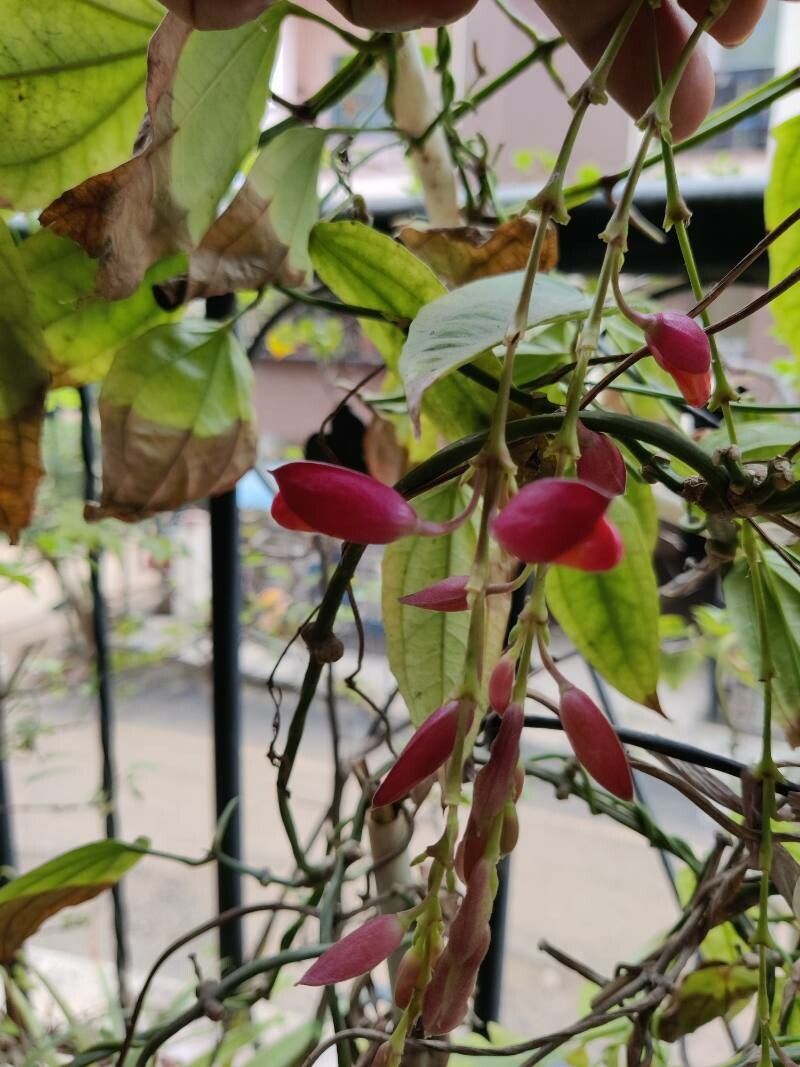
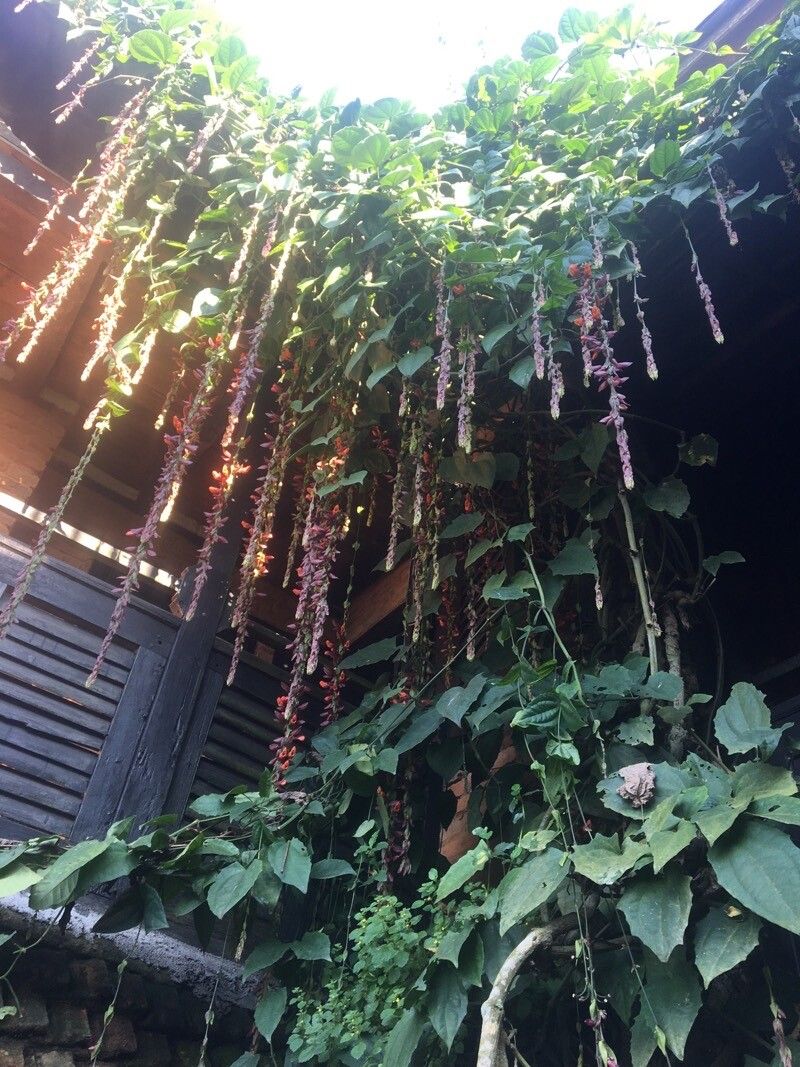
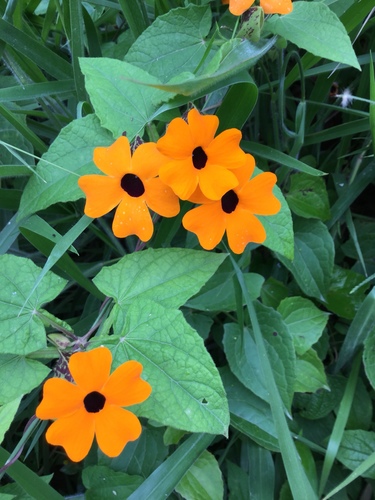
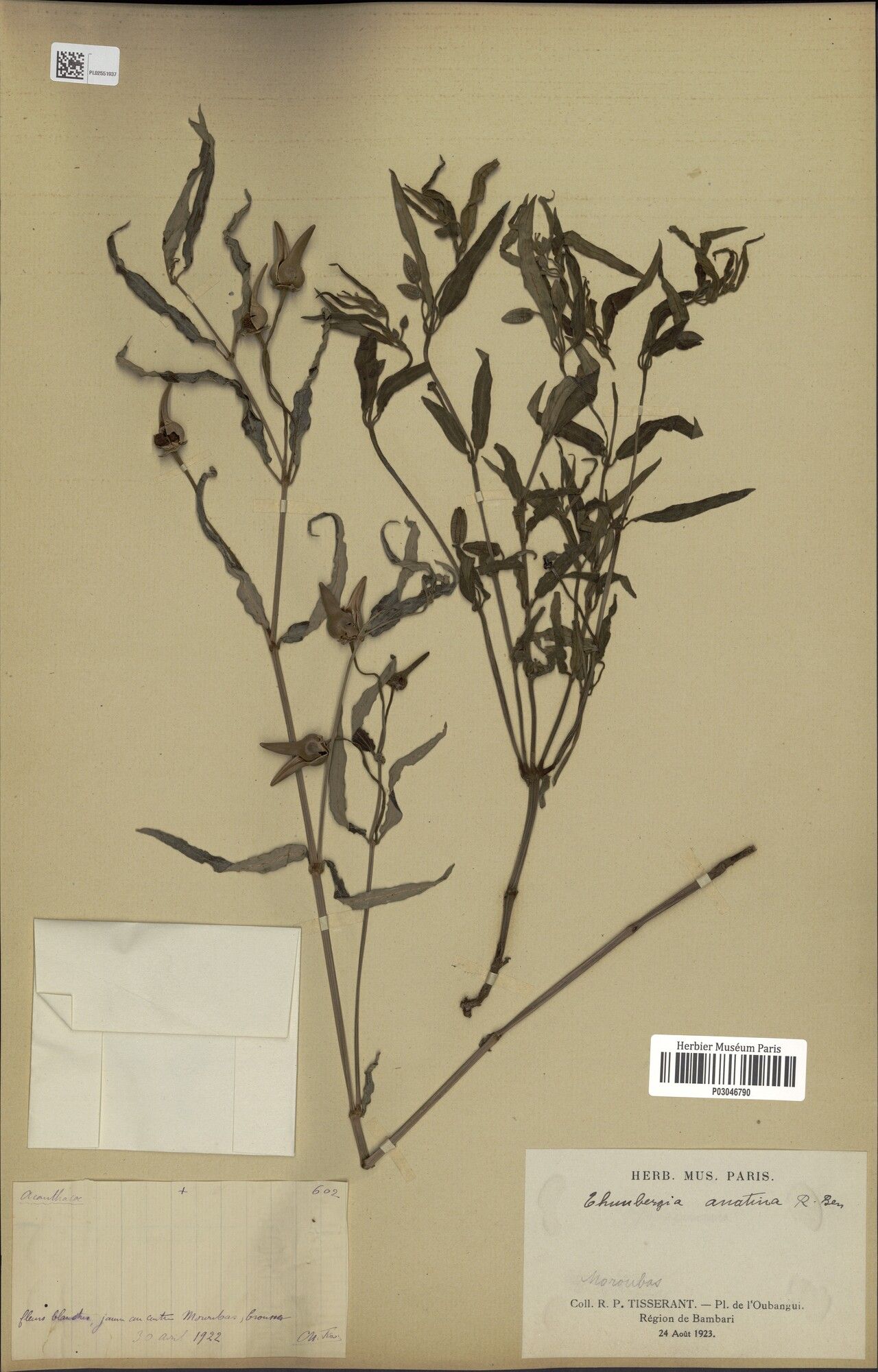
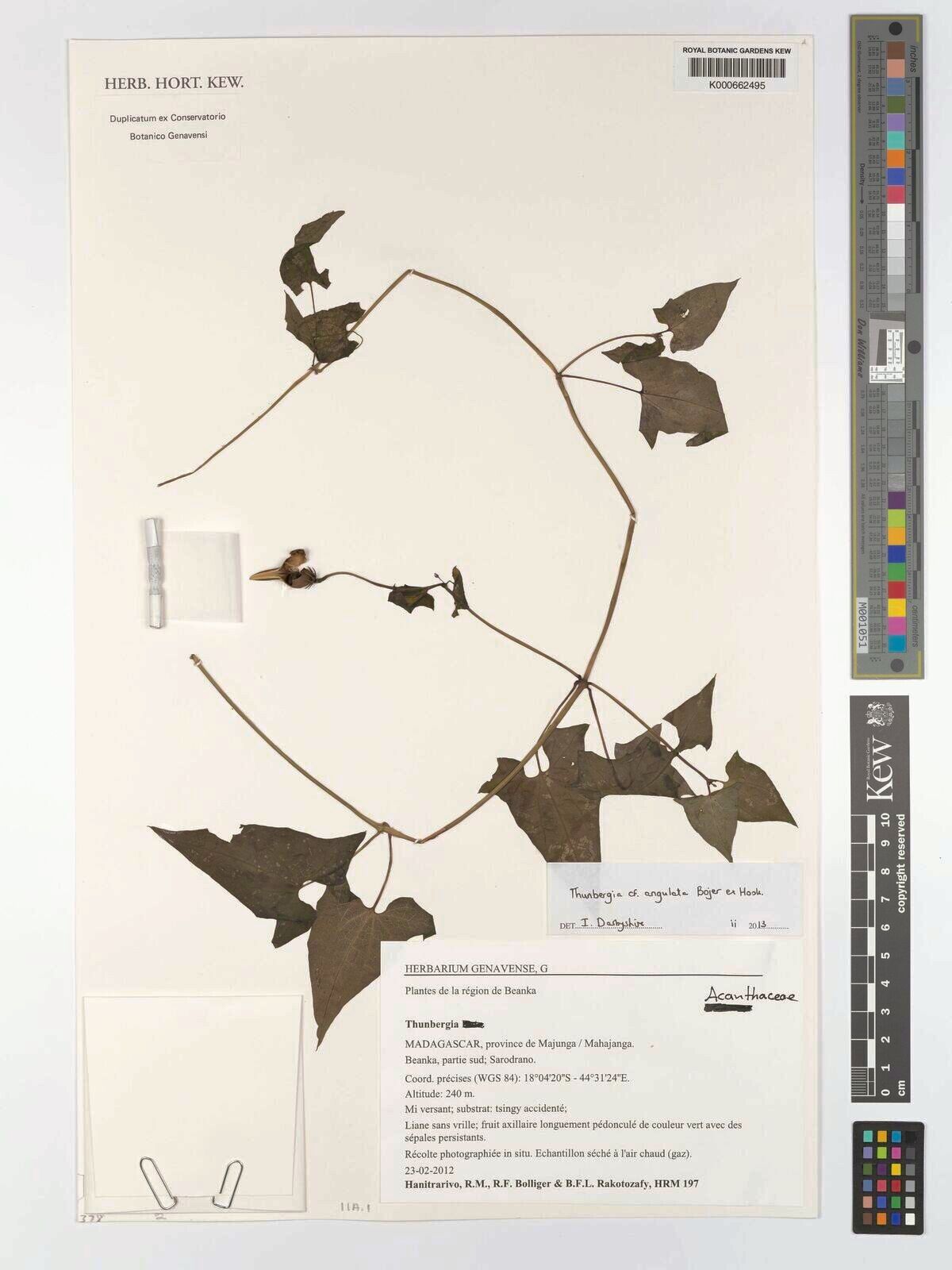
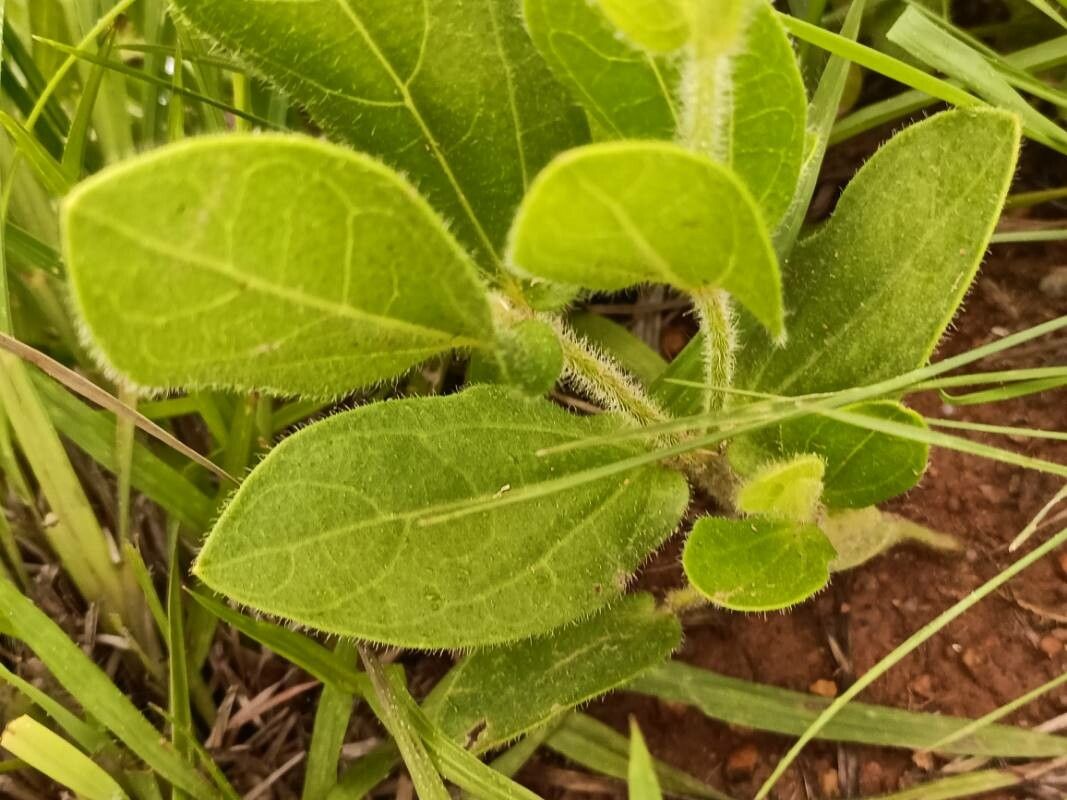
Thunbergia coccinea, also known as the scarlet clock vine, is a species of flowering plant within the family Acanthaceae.
Scarlet clock vine is fairly resistant to disease and typically does not suffer from illnesses. Regarding care, this plant is fairly low maintenance. When grown outdoors it needs little watering, and larger plants usually do not require pruning. Smaller plants, however, should be pruned after they finish blooming. Scarlet clock vinet is suitable for anyone with outdoor space, like a garden or deck, and does not demand much care experience.
How to keep Thunbergia Coccinea.
Light
Scarlet clock vine does best with abundant sunlight and can tolerate locations with only moderate sun. In its native range it performs well in full-day sun, which encourages robust growth. Too much sun can scorch the leaves, while too little light slows its development and results in a weak plant.
Water
The Scarlet Clock Vine, native to tropical Asia, thrives in consistently moist soil and high humidity. It does best with regular watering twice a week. Although it is moderately drought-tolerant, it truly flourishes outdoors when mulch is used to retain moisture. This moisture retention is crucial for vigorous flowering during the growing season.
Temperature
Scarlet clock vine is native to climates where temperatures typically range from 68 to 100 °F (20 to 38 ℃). These plants favor warm conditions but can adapt to seasonal changes, provided the temperature does not fall below that range.
Fertilizer
The best time to feed a Scarlet clock vine is in early spring, as it breaks dormancy. This encourages overall growth and flower development. Fertilizing improves the foliage, stems, and branches, while encouraging flowers that are bigger, more vibrant, and longer-lasting. It helps transport nutrients from the roots to the blooms and boosts the plant’s health and disease resistance.
Pruning
The Scarlet clock vine, known for its vibrant tubular red flowers, thrives with regular pruning in early spring. By removing dead or weak stems, you can boost growth and promote a fuller, bushier appearance. This practice not only maximizes the number of blooms but also helps maintain the plant's overall health and visual appeal.
Botanical profile.
- Plant Type
- Vine, Shrub
- Life Cycle
- Perennial
- Genus
- Thunbergia
- Family
- Acanthaceae
- Hardiness Zone
- 10-11
- Mature Height
- 3.05 m to 9.14 m
- Mature Spread
- 2.13 m to 3.05 m
- Leaf Color
- Green
- Leaf Type
- Semi-evergreen
- Flower Color
- Red
- Flower Size
- 33.53 cm
- Bloom Time
- Winter, Spring
- Planting Time
- Spring, Summer, Autumn, Winter
- Harvest Time
- Spring, Early summer
- Native Area
- Nepal, India, Vietnam, Myanmar, Bhutan, Bangladesh, Laos, Thailand, China
Other names.