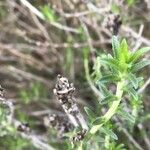
Thymbra capitata
Mediterranean wild thyme · Cone-head thyme · Conehead Thyme · Headed Savory · Mediterranean Thyme
Description
Source: leafsnapThymbra capitata, commonly known as Spanish oregano or Mediterranean thyme, is a small evergreen shrub belonging to the Lamiaceae family. Native to the Mediterranean region, it is prevalent in countries such as Spain, Portugal, Italy, and Greece. The plant features woody stems and small, highly aromatic green leaves that exude a strong oregano-like scent. Its flowers, which bloom from late spring to early summer, are typically pink or purple. Spanish oregano has been used for centuries for its medicinal properties, particularly in treating respiratory issues such as coughs and bronchitis. Its antiseptic qualities also make it useful for treating wounds. Beyond its medicinal uses, Thymbra capitata is valued in cooking for its robust flavor, serving as an excellent substitute for traditional oregano. It can be used fresh or dried in a variety of dishes, including soups, stews, sauces, and marinades. The plant thrives in well-drained soil with full sun exposure but can also tolerate partial shade. Once established, it requires minimal watering and should be pruned regularly to maintain its shape. Overall, Thymbra capitata is an attractive plant that enhances the garden's beauty while offering numerous health benefits. Its versatility makes it a valuable addition to any garden or kitchen herb collection.
Care Guide
💧 Water Every 7 days
☀️ Light Full sun
Cone-head thyme is a sun-loving perennial herbaceous plant native to open habitats, frequently thriving in meadows and grasslands. It prefers full sun but can also tolerate partial sun.
🌡️ Temperature 15–37.8°C
Cone-head thyme can tolerate a wide range of temperatures, though its range may still be restricted by various combinations of moisture and heat. It does best in warm summer climates with adequate rainfall or regular watering. Long stretches of cloudy, rainy weather or extended high temperatures increase the chances of Cone-head thyme dying. In winter, shielding the plant from cold improves its likelihood of survival.
💨 Humidity
🪴 Soil 6-8
🌱 Fertilizer
The optimal time to fertilize Cone-head thyme is in early spring, as it comes out of dormancy and begins active growth. Fertilizing supplies essential nutrients for healthy development. Although Cone-head thyme has fairly low fertilizer requirements, feeding it annually can improve its survival and encourage better, longer-lasting flowers.
🪴 Pot & Repot
✂️ Pruning
🌿 Propagating
🐛 Diseases & pets
☠️ Toxicity
Characteristics
- Plant Type
- Herb
- Life Cycle
- Perennial
- Genus
- Thymbra
- Family
- Lamiaceae
- Hardiness Zone
- 8-11
- Mature Height
- 20 cm to 40 cm
- Mature Spread
- 30 cm to 49 cm
- Leaf Color
- Dark Green, Gray
- Leaf Type
- Evergreen
- Flower Color
- Pink, Purple
- Flower Size
- 0.51 cm to 1.02 cm
- Bloom Time
- Early summer, Mid summer
- Planting Time
- Spring, Summer, Autumn
- Harvest Time
- Late summer, Early fall