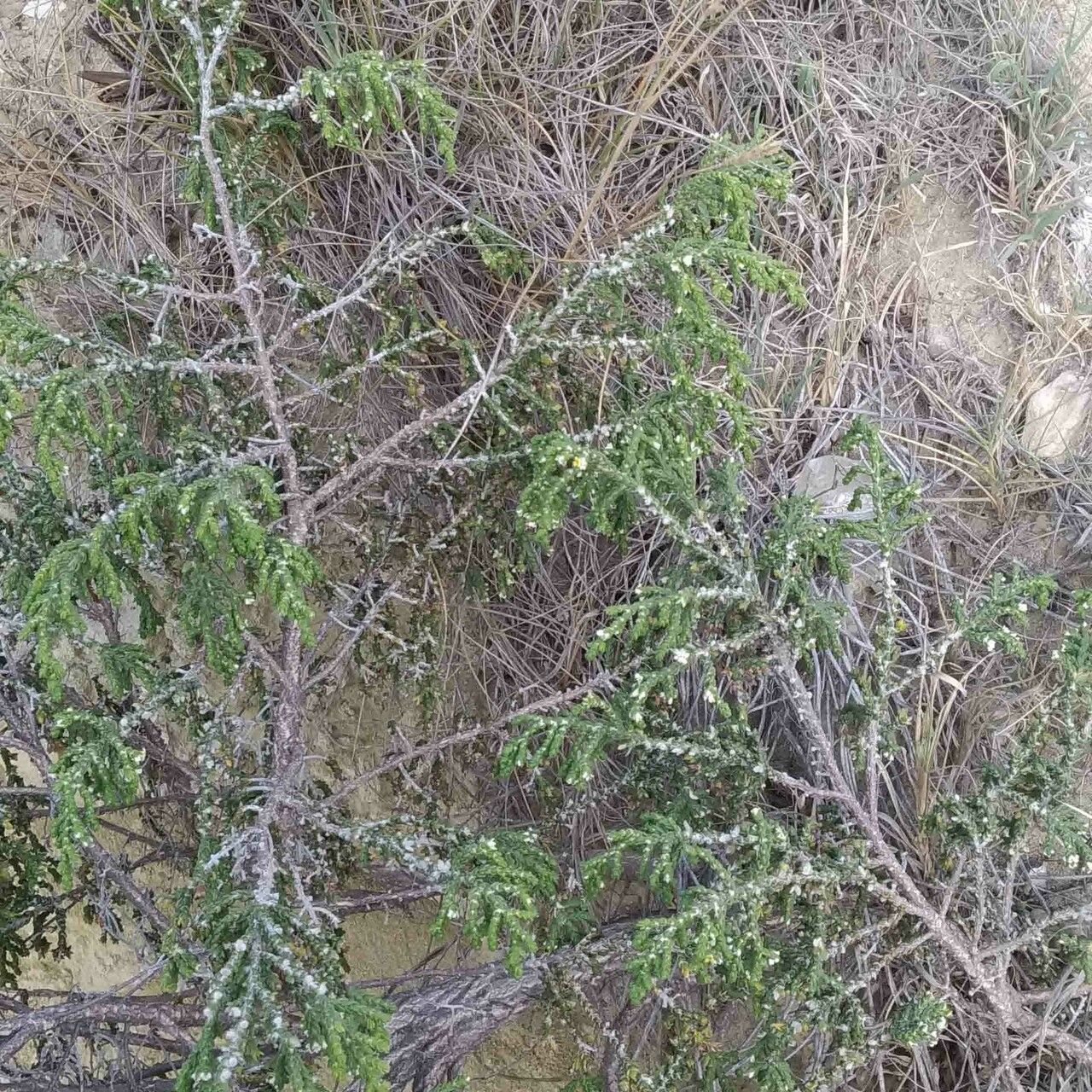
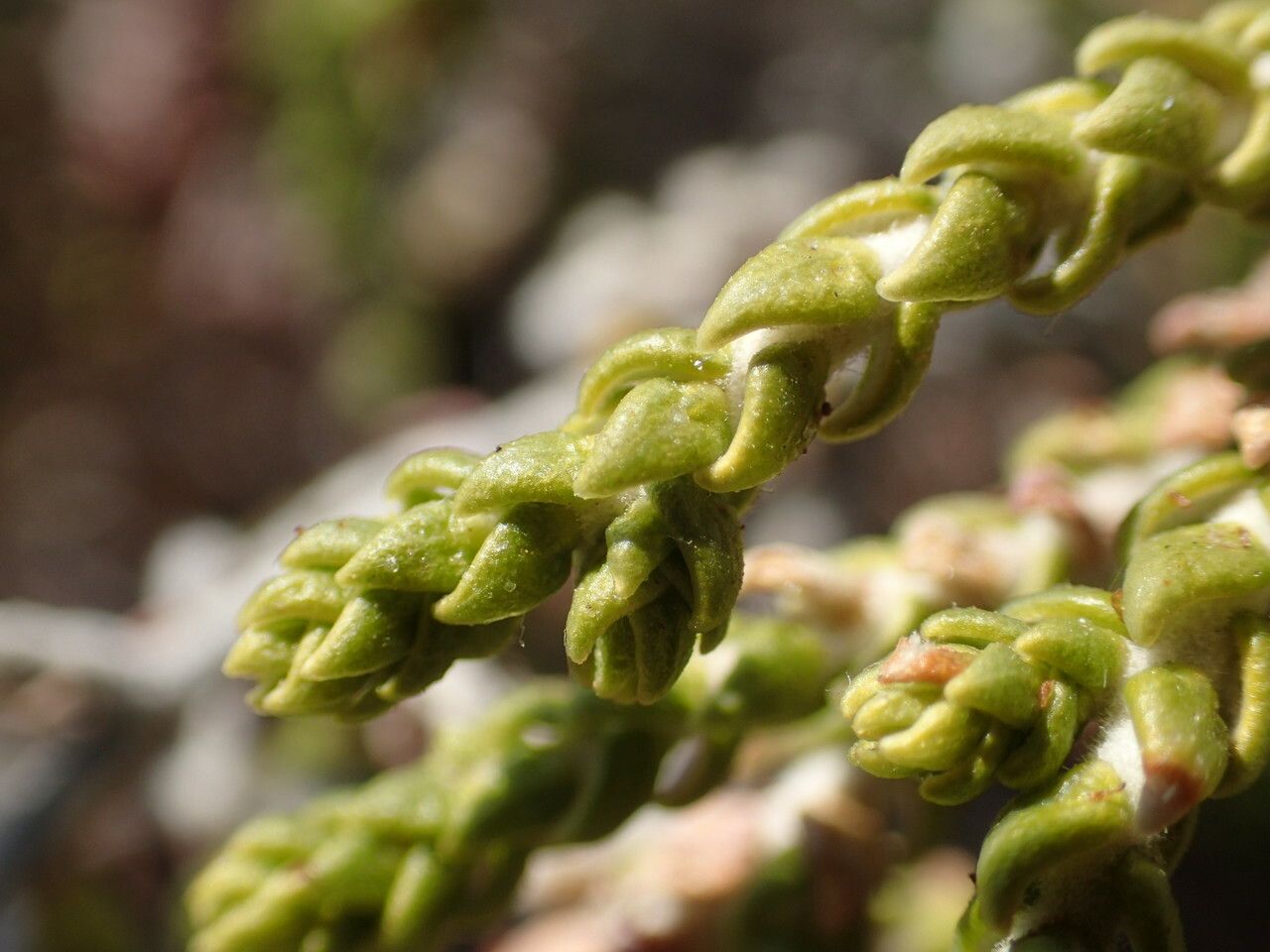
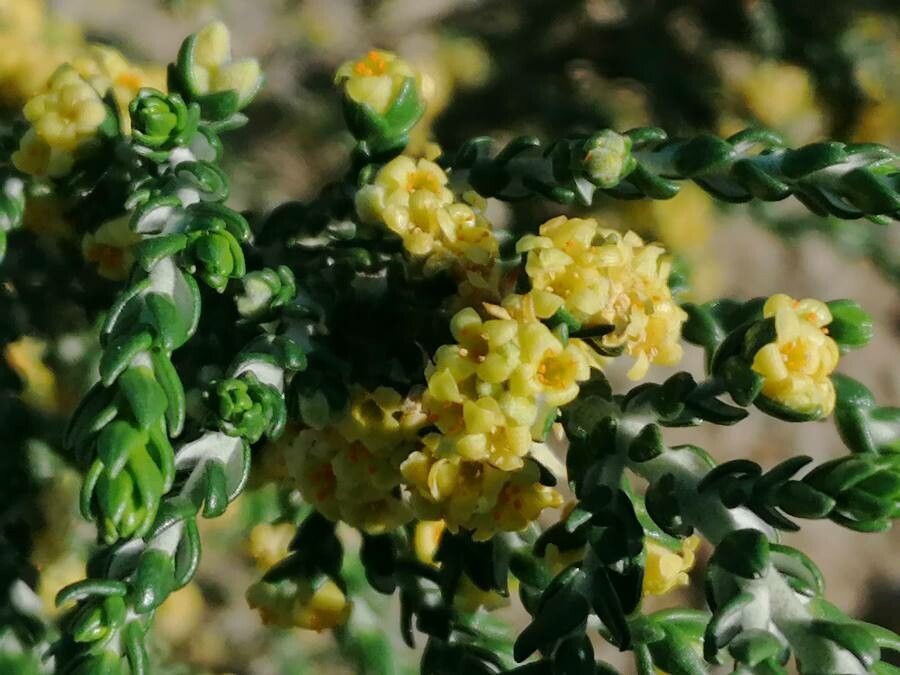
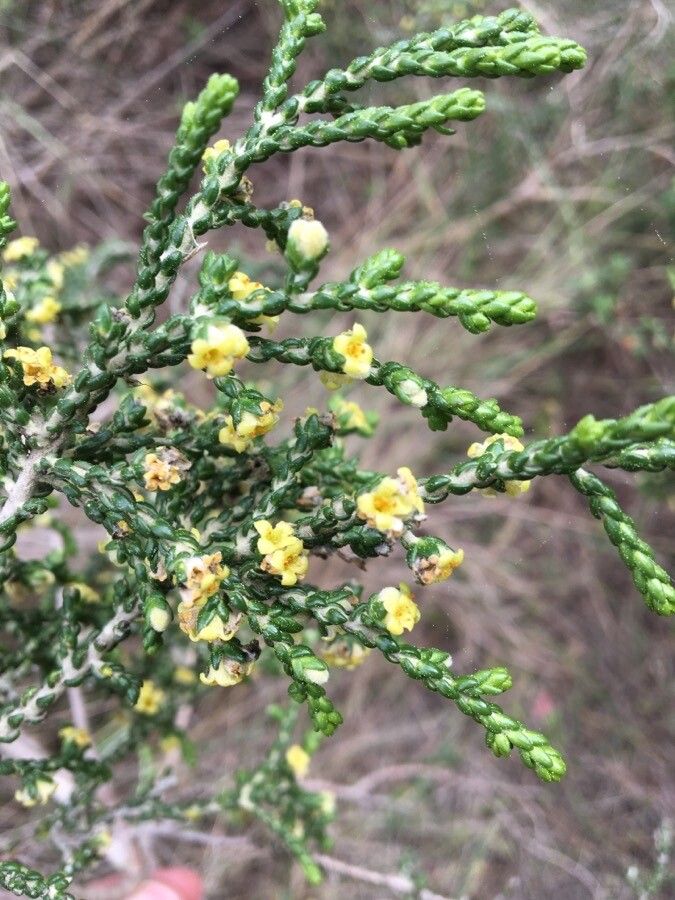
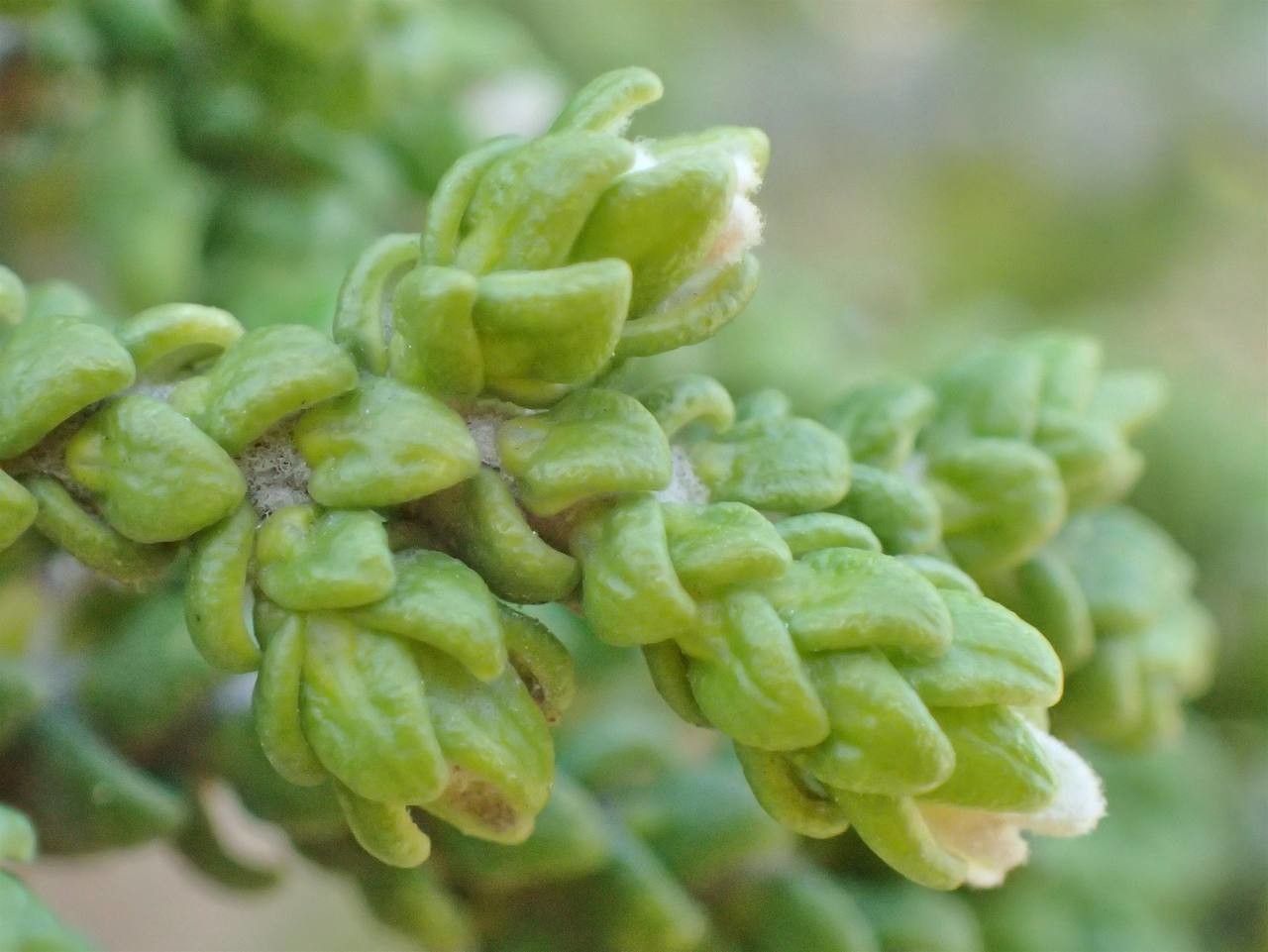
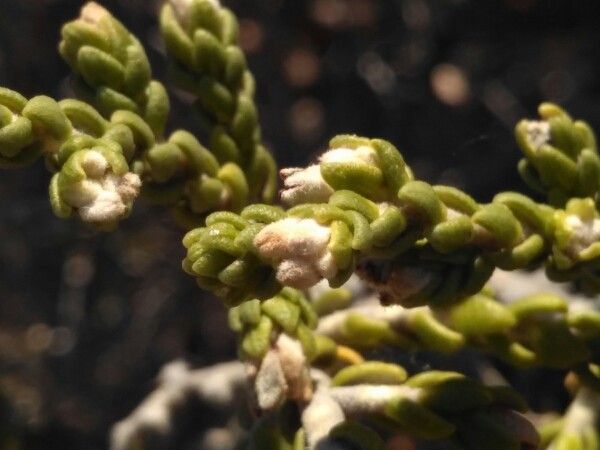
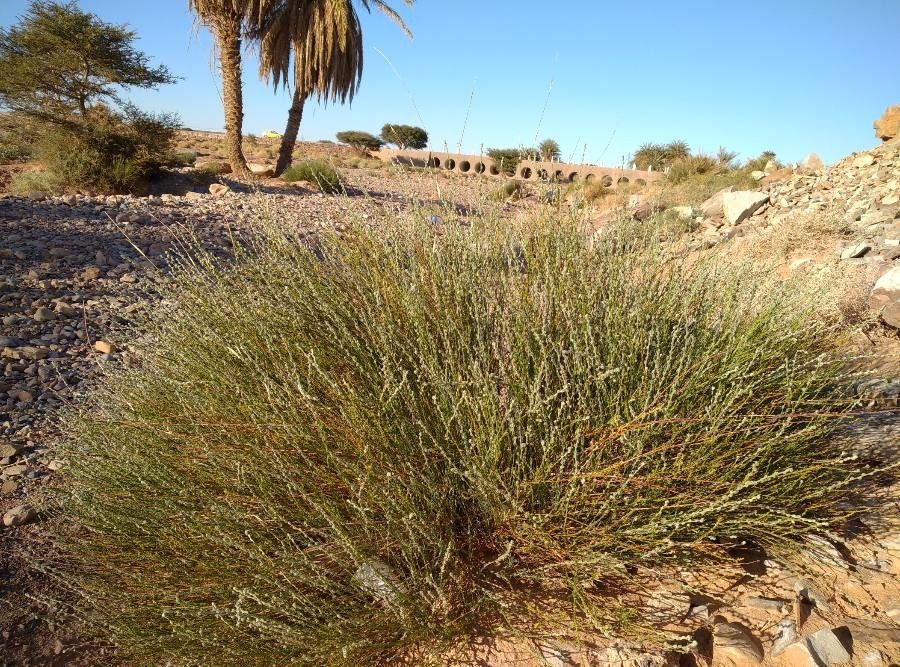
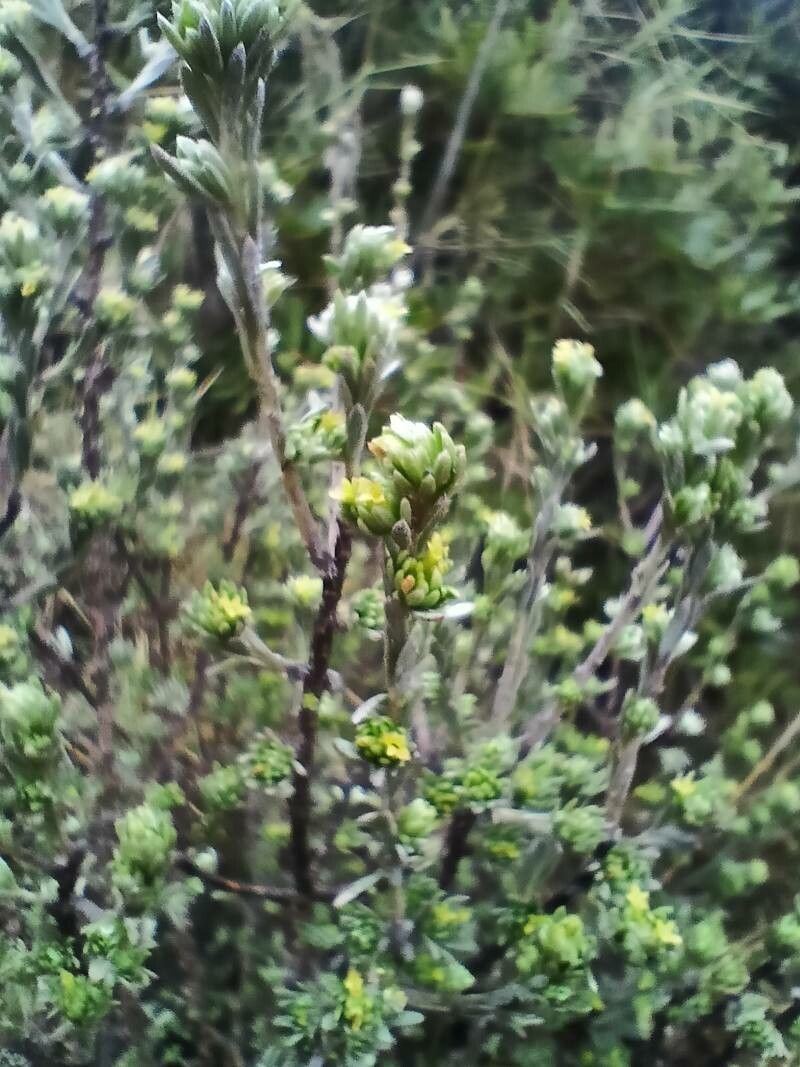
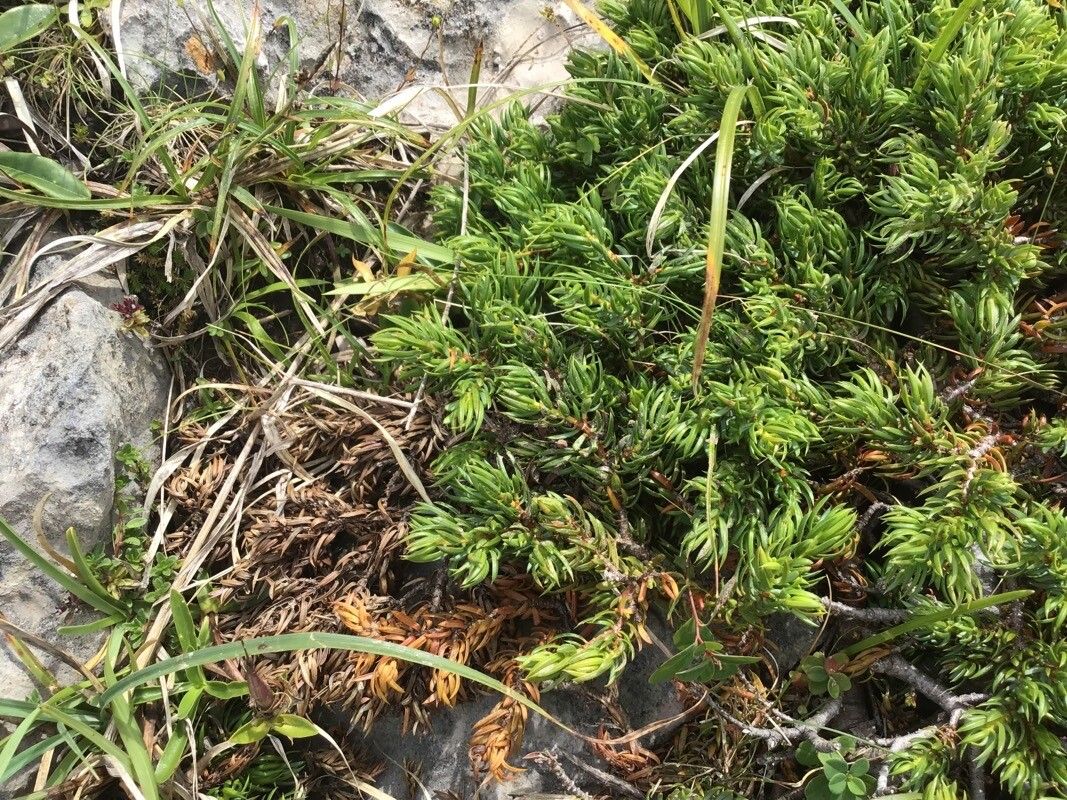
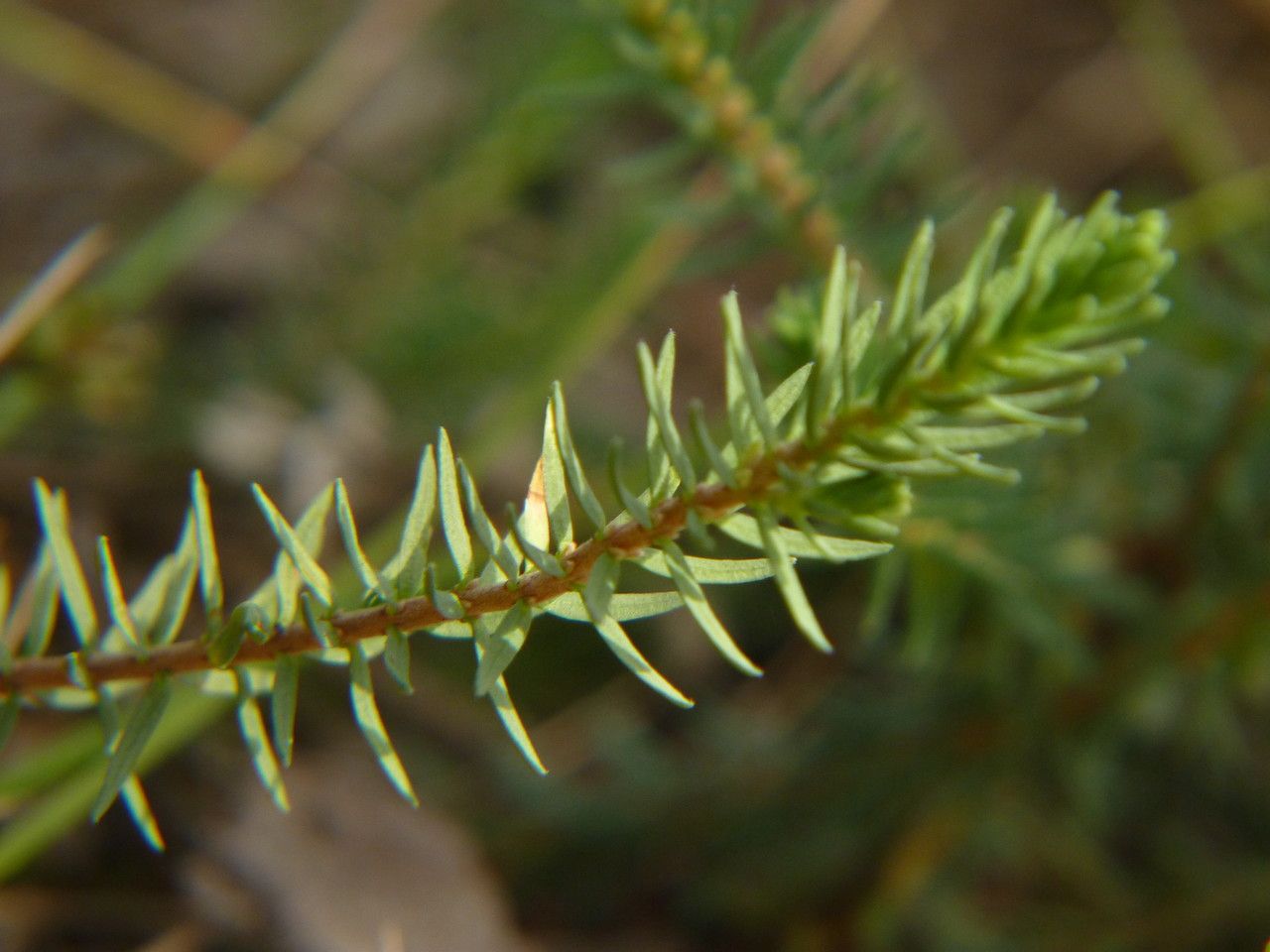
Thymelaea hirsuta is a small, evergreen shrub that belongs to the Thymelaeaceae family. It is commonly found in the Mediterranean region, especially in dry and rocky areas. The plant features a woody stem and small, narrow leaves covered with fine hairs. Its flowers are small and yellowish-green, typically blooming from late winter to early spring.
Thymelaea hirsuta has been used for medicinal purposes for centuries, primarily for its anti-inflammatory properties. Additionally, it has been employed as a natural remedy for respiratory issues such as asthma and bronchitis.
This drought-tolerant plant thrives even in poor soil conditions and can be propagated through seeds or cuttings.
Overall, Thymelaea hirsuta is a fascinating plant, offering both medicinal benefits and ornamental value due to its unique appearance.
Shaggy sparrow-wort is resistant to disease and generally not susceptible to illnesses. Regarding care, this plant is fairly low-maintenance. When grown outdoors it needs little watering, and larger plants typically do not require pruning. Smaller plants, however, should be pruned after they finish blooming. Shaggy sparrow-wort is appropriate for anyone with outdoor space, such as a garden or deck, and does not demand extensive gardening experience.
How to keep Thymelaea Hirsuta.
Light
Shaggy sparrow-wort comes from open habitats, such as sunny meadows and forest edges, which offer abundant light. It thrives in Full Sun but can also tolerate Partial Sun, adapting well to different sunlight conditions.
Water
Shaggy sparrow-wort thrives in dry Mediterranean climates due to its excellent drought tolerance. It only needs watering every 2-3 weeks, allowing the soil to dry out completely in between. While it is typically grown outdoors, it benefits from natural rainfall as well as seasonal changes in temperature and light.
Temperature
Shaggy sparrow-wort is fairly adaptable to heat, tolerating higher temperatures and large temperature swings. In hot weather, pay attention to watering and give it some shade to avoid sunburn. However, its resistance to low temperatures is relatively weak. While it can endure a certain amount of cold, excessively low temperatures may cause frost damage.
Fertilizer
Fertilize your Shaggy sparrow-wort in early spring to encourage healthy growth. Regular feeding improves overall health, leading to vigorous growth, increased tolerance of harsh conditions, and enhanced resistance to diseases and pests. Follow a specific fertilization schedule for your Shaggy sparrow-wort to keep the foliage vibrant with deep color and a lush appearance.
Pruning
Shaggy sparrow-wort benefits greatly from winter pruning. This practice involves removing dead branches, which helps improve air circulation and shape the plant. Pruning during the dormant season also reduces stress and supports vigorous growth in the spring. Additionally, it revitalizes the plant, prevents overcrowding, and promotes blooming.
Botanical profile.
- Plant Type
- Shrub
- Life Cycle
- Perennial
- Genus
- Thymelaea
- Family
- Thymelaeaceae
- Hardiness Zone
- 8-11
- Mature Height
- 2.13 m
- Mature Spread
- 0.91 m to 2.13 m
- Leaf Color
- Gray, Dark Gray
- Leaf Type
- Evergreen
- Flower Color
- White, Yellow
- Flower Size
- 0.51 cm to 0.51 cm
- Bloom Time
- Winter, Early spring, Mid spring
- Planting Time
- Spring, Summer
- Harvest Time
- Spring
- Native Area
- Libya, Egypt, Turkey, Tunisia, Italy, Portugal, Spain, Cyprus, Albania, Lebanon, Greece, Croatia, Morocco, Algeria, France
Other names.
Reader questions.
How should I water my Shaggy sparrow-wort in the best way?
Your Shaggy sparrow-wort is not particular about how you water it, so you can use any common watering tool. Watering cans, hoses, or even cups will all work fine. But regardless of the tool you use, it's important to water the soil directly. Make sure you evenly moisten all areas of the soil to provide equal water distribution for the root system. Using filtered water is recommended to avoid harmful particles that might be present in tap water. Additionally, it's best to use water at or slightly above room temperature to prevent shocking the plant. However, the Shaggy sparrow-wort tends to respond well to any type of water you give it.
What are the sunlight requirements for Shaggy sparrow-wort?
Shaggy sparrow-wort, botanically known as Thymelaea hirsuta, thrives best in full sunlight, requiring more than 6 hours of direct sunlight daily. However, it can also tolerate partial sun conditions, which entail about 3-6 hours of sunlight. Ideal growth is observed in open environments like sunny meadows and forest edges, suggesting its adaptability to various sunlight exposures. Remember to observe your garden's sunlight patterns to identify spots that offer a balance of light and shade suitable for the plant's health.
What do I do if I give my Shaggy sparrow-wort too much or too little water?
For outdoor plants, especially newly planted ones or seedlings, lack of watering can be a problem. It's important to remember to water them enough for the first few months when they are small or newly planted. Once the roots are established, Shaggy sparrow-wort can mostly rely on rain. When you have a Shaggy sparrow-wort planted in a pot, overwatering is more likely. If you accidentally overwater your Shaggy sparrow-wort, there are steps you can take to fix it. First, stop watering the plant immediately to minimize the effects of overwatering. Then, remove the plant from its pot and inspect the roots. If there is no root rot, you can put the plant back in its pot. If there is root rot, trim away the affected roots and consider applying a fungicide. Finally, repot the Shaggy sparrow-wort in well-draining soil. If your Shaggy sparrow-wort is underwatered, the fix is simple. Water the plant more frequently. When underwatered, the leaves may droop, dry out, and fall off. However, they will quickly return to fullness after sufficient watering. Make sure to adjust your watering frequency as soon as you notice underwatering.
How does artificial lighting support Shaggy sparrow-wort indoors?
When natural sunlight isn't enough, especially during winter or in less sunny spaces, artificial lighting becomes essential for Shaggy sparrow-wort's growth indoors. LED lights are recommended due to their ability to provide specific wavelengths needed by plants. For full sun plants, 30-50 W/sq ft of artificial light is needed, while partial sun plants require 20-30 W/sq ft. Positioning the light source 12-36 inches above the plant simulates natural sunlight conditions. Most plants, including Shaggy sparrow-wort, would benefit from 8-12 hours of artificial light per day.
How many times do I need to water my Shaggy sparrow-wort plant?
Most outdoor plants can grow naturally with rainfall. However, if your area lacks rainfall, you should water them every 2 weeks in the spring and fall. In the summer, more frequent watering is needed. In winter, when plants grow slower and require less water, you should water them sparingly or not at all. If your Shaggy sparrow-wort is young or newly planted, more frequent watering is necessary to help it establish and grow. For potted plants, there are two main ways to determine how often to water your Shaggy sparrow-wort. The first is to set a predetermined watering schedule, such as once a week or every other week. However, this method may not always work because it doesn't consider the specific growing conditions of your plant. The watering frequency can also change depending on the season. For example, a predetermined schedule may not be enough during the summer when the plant's water needs are highest. Another option is to monitor the soil moisture and water when the top two to four inches of soil have completely dried out.
What are the common symptoms of inappropriate light exposure in Shaggy sparrow-wort?
Shaggy sparrow-wort may show several symptoms if exposed to suboptimal lighting. In low light, new leaves might grow smaller, and the plant could exhibit leggy growth, premature leaf dropping, and a halt in new leaf production, indicating insufficient light. Conversely, excessive sunlight can lead to chlorosis (yellowing of leaves), sunscald, leaf curling, wilting, and leaf scorching, all of which compromise the plant's health and photosynthesis abilities.
How much water does my Shaggy sparrow-wort require?
When watering your Shaggy sparrow-wort, it's important to note that it doesn't always require a lot of water. If only a few inches of soil have dried since the last watering, giving it about five to ten ounces of water will promote healthy growth. To determine how much water to use, pay attention to the moisture of the soil. If more than half of the soil has dried out, consider giving more water than usual. Make sure to water until you see excess water draining from the pot's drainage holes. If the Shaggy sparrow-wort is planted in an area that receives plenty of rain, additional watering may not be needed. However, when the plant is young or establishing, it should receive 1-2 inches of rain per week. As it grows, it can rely on rainwater, but during hot weather with no rain for 2-3 weeks, a full watering should be given to prevent stress.
How do you alleviate light exposure issues for Shaggy sparrow-wort?
To address light exposure issues for Shaggy sparrow-wort, gradual relocation to sunnier spots is recommended to ensure a minimum of 6 hours of direct sunlight for outdoor plants. For those indoors, consider using artificial lighting such as desk or ceiling lamps for at least 8 hours daily, or invest in plant grow lights. If a plant is too large or not easily movable, professional plant grow lights can provide sufficient lighting. It's crucial to minimize sudden changes in light exposure to prevent sunburn. For plants struggling with obstructions outdoors, pruning surrounding trees or transplanting the plant to a sunnier location with ample sunlight and good drainage can be beneficial.
How can I know if I am giving enough water to my Shaggy sparrow-wort?
The Shaggy sparrow-wort often suffers from overwatering, which can be identified through several signs. An overwatered plant will have yellowing leaves and may shed some of them. Additionally, overwatering can lead to the plant shrinking in size and may even cause root rot. Conversely, an underwatered Shaggy sparrow-wort will also start to wilt and exhibit brown or brittle leaves. Whether you see signs of overwatering or underwatering, it is important to take action to revive the plant's health.
How should I water my Shaggy sparrow-wort as it grows?
When the Shaggy sparrow-wort is young, especially as a seedling, it needs more water compared to when it is mature. During this early stage, it is important to keep the soil consistently moist to help the roots develop. The same applies if you have transplanted the Shaggy sparrow-wort to a new location. Additionally, if you want the Shaggy sparrow-wort to produce showy flowers and fruits, you need to provide proper care. If it is in the flowering or fruiting phase, you will likely need to water it a bit more than usual to support these plant structures.
How do I give water to my Shaggy sparrow-wort at different times of the year?
The frequency of watering your Shaggy sparrow-wort will be influenced by the seasons. In the hottest summer months, it is likely that you will need to increase the amount of water you give this plant, especially if it is exposed to a lot of sunlight. The intense summer sun can quickly dry out the soil, meaning you will need to water more often. On the other hand, during the winter when the plant is not actively growing, it will require less water. You can water it once every 2 to 3 weeks, or even less frequently. If you are growing this plant indoors, be aware that appliances like air conditioners can cause it to dry out faster, so you may need to water more frequently in such cases.
What's the difference between watering my indoor Shaggy sparrow-wood versus watering it outside?
Depending on where you live, your Shaggy sparrow-wort may or may not need extra watering. If you live in an area with little to no rain, watering every two weeks is recommended. If you live outside the plant's natural hardiness zone, it's best to grow it indoors. Indoors, you should keep an eye on the soil as it can dry out faster in containers or near HVAC units like air conditioners. In these situations, you may need to water the plant more frequently than if it were grown outdoors.