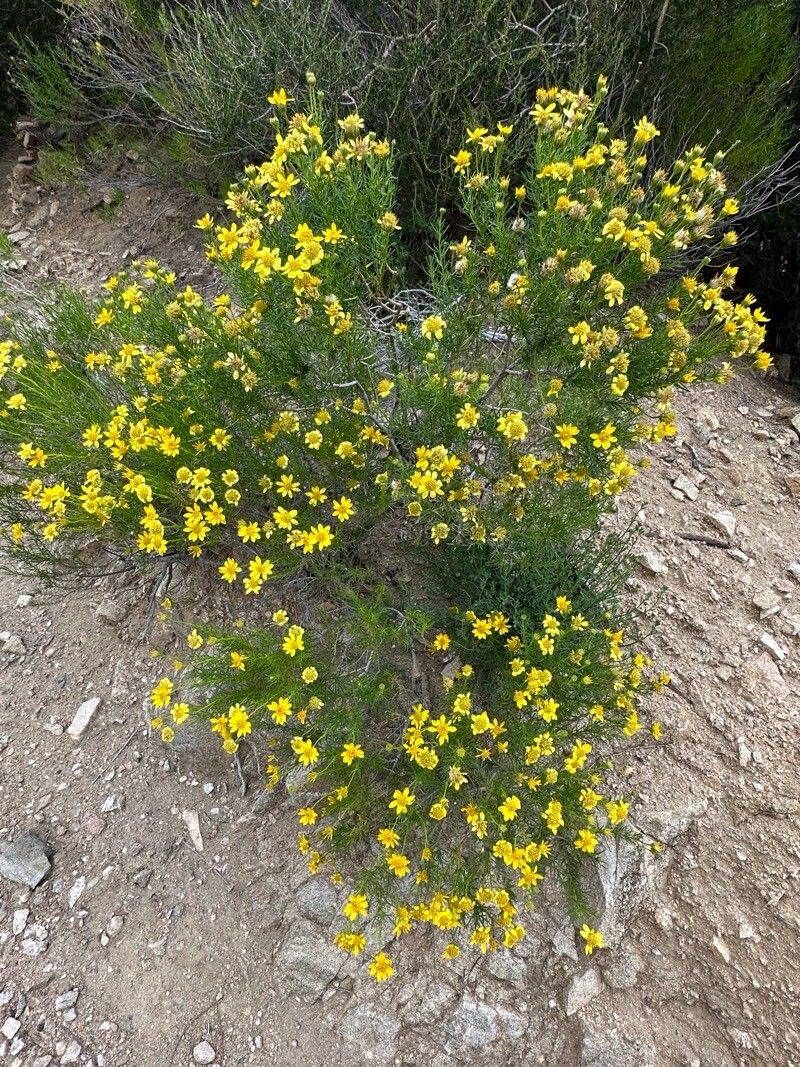
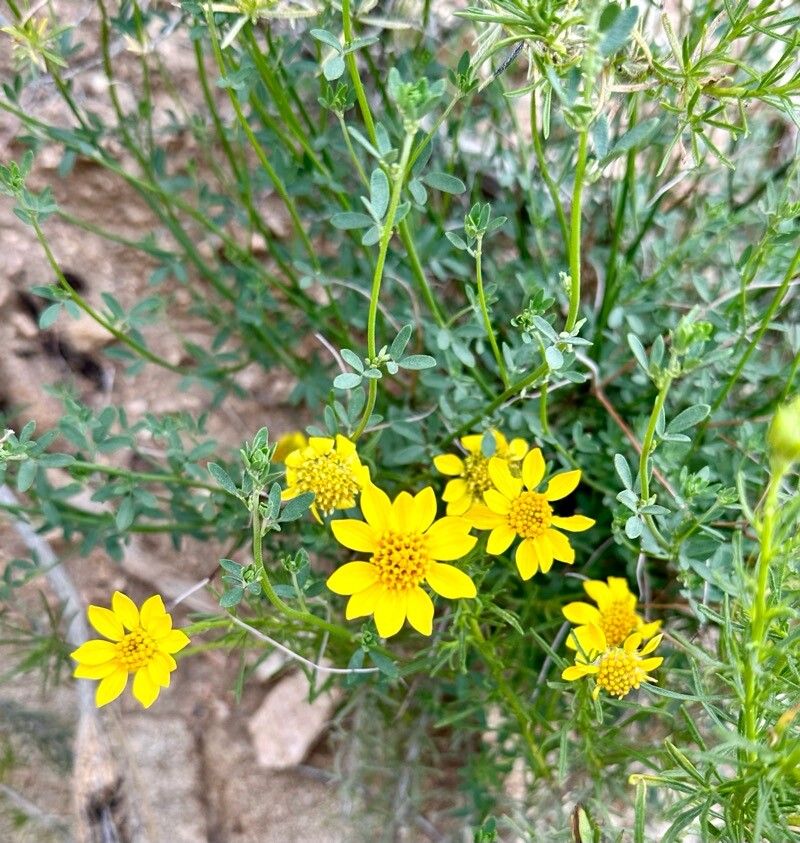
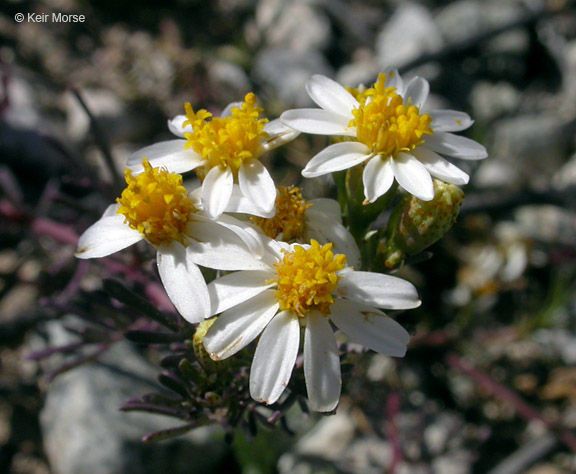
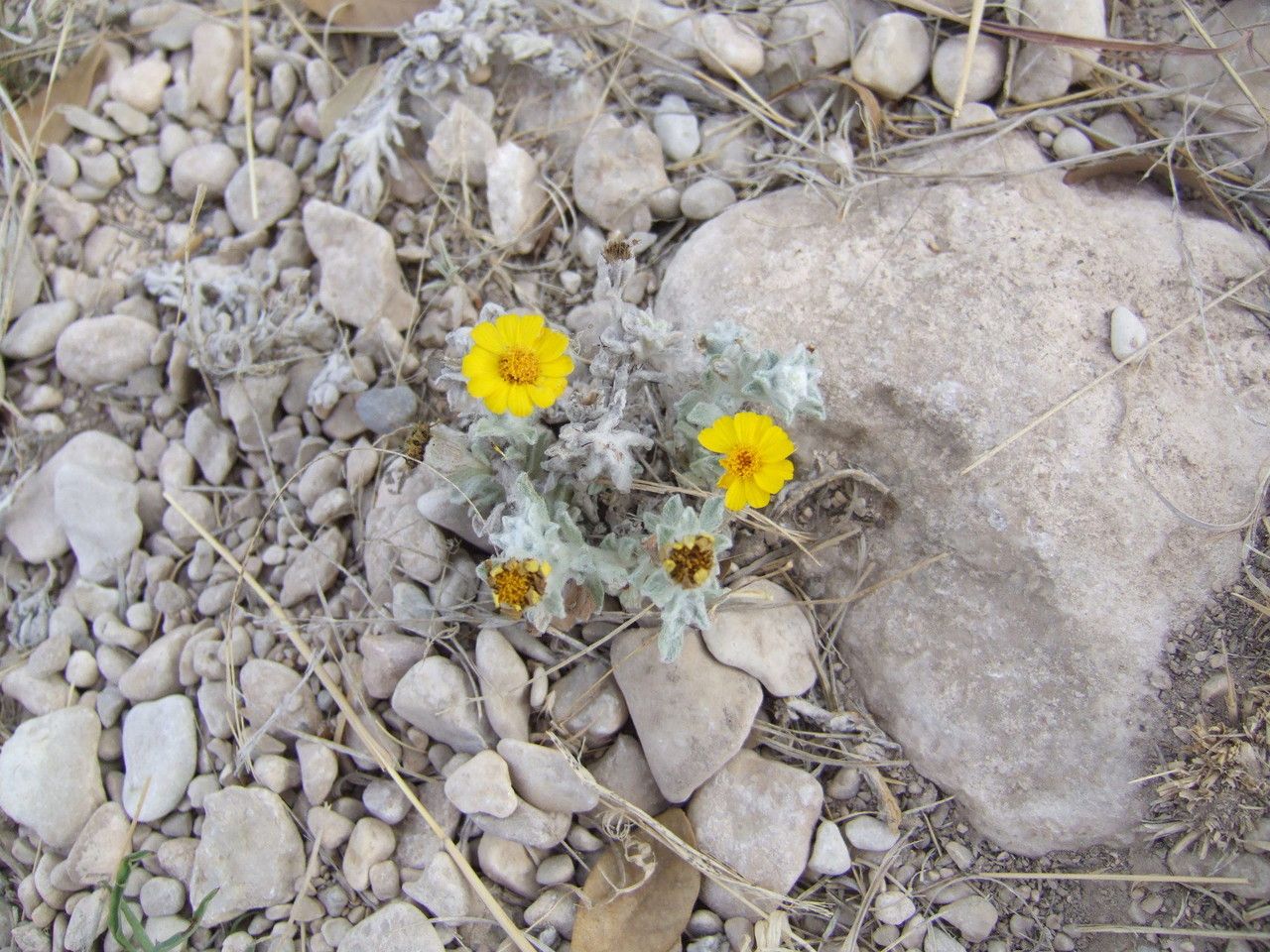
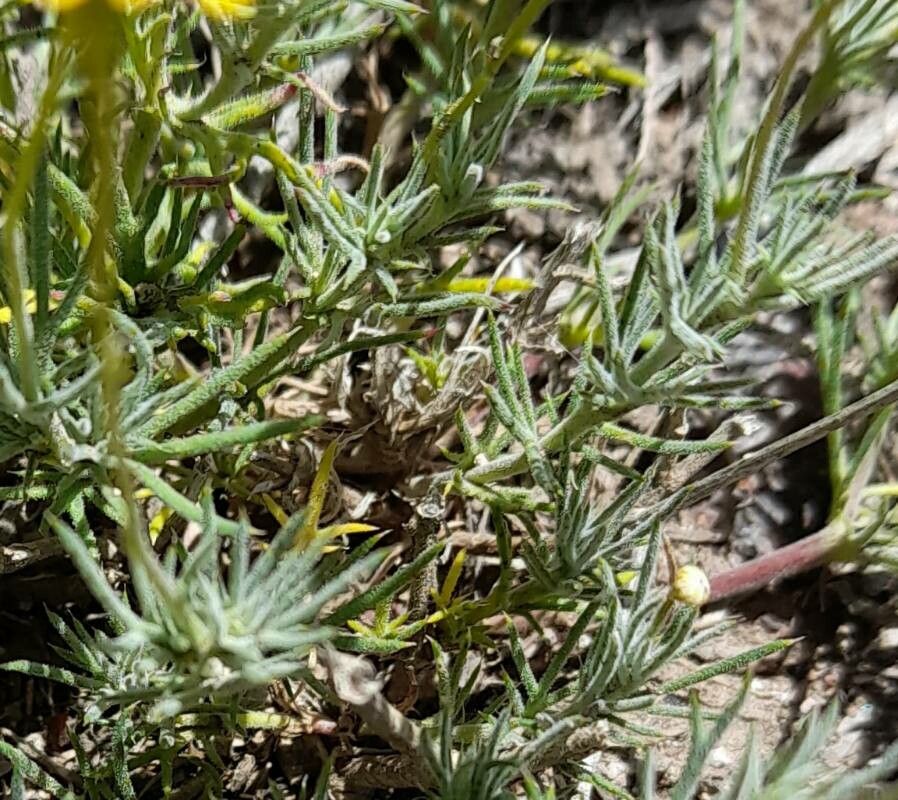
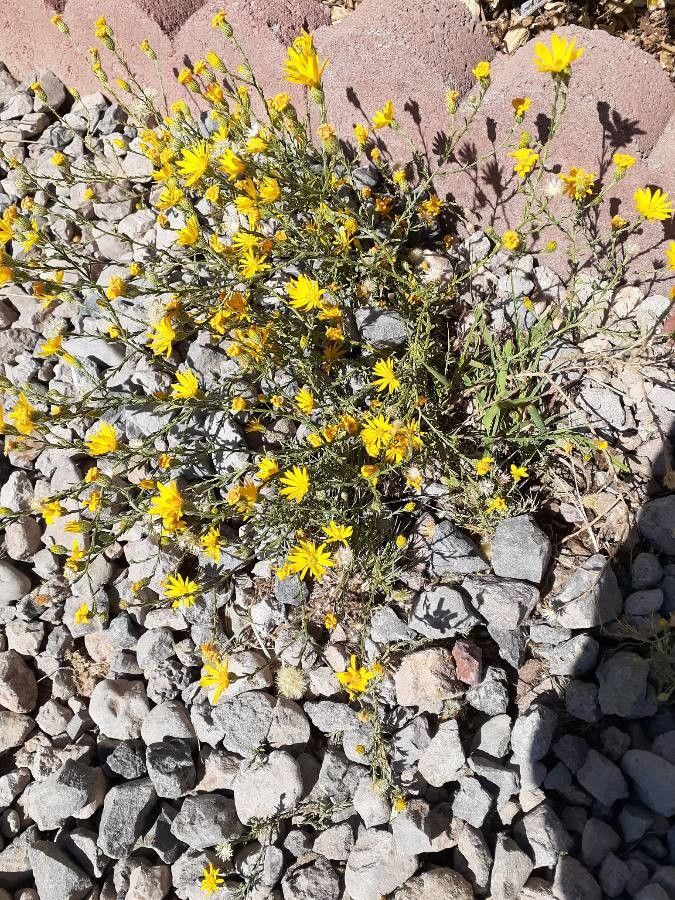
Thymophylla acerosa, commonly known as pricklyleaf, is a small perennial plant in the Asteraceae family. Native to North America, it thrives in the arid regions of Texas, New Mexico, Arizona, and northern Mexico. The plant typically reaches a height of up to 30 cm and produces small yellow flowers that bloom from spring through fall. Its narrow, needle-like leaves have a prickly texture, which helps reduce water loss through transpiration, making it well-suited to harsh desert conditions.
Thymophylla acerosa holds medicinal value for indigenous peoples, who use it to treat various ailments such as fever, coughs, and colds due to its anti-inflammatory properties. Additionally, its attractive flowers offer ornamental value, making it a popular choice for rock gardens and xeriscapes where water conservation is important.
Pricklyleaf dogweed has moderate disease resistance and is relatively sensitive to humidity and overwatering. It is also more prone to disease when kept in low light and exposed to excessive watering. Regarding care, Pricklyleaf dogweed is drought-tolerant and can withstand long intervals without watering. It needs little fertilizer and only occasional pruning. This makes it appropriate for people at any skill level, especially those who prefer to spend less time on plant care and who may occasionally be away from home for extended periods. It is a good option for people who do not want to invest a lot of time in maintenance but still want a plant that is easy to look after.
How to keep Thymophylla Acerosa.
Light
Originating in arid areas, Pricklyleaf dogweed performs best in full sun, as its native habitat is marked by strong sunlight and scarce shade. It can also tolerate partial sun, giving it some flexibility in growth.
Temperature
Pricklyleaf dogweed does best in warm settings and needs relatively high temperatures during the growing season to support its growth and metabolic activity. It favors abundant sunlight, suitable moisture levels, and good airflow. However, it can be damaged by very low temperatures and by excessive watering. It is also important to maintain balance and avoid both excessively high temperatures and overly dry conditions.
Fertilizer
Light doses of fertilizer once or twice a year during the growing season are sufficient for Pricklyleaf dogweed. Avoid fertilizing in winter and in summer when the plant is dormant. Reduce the amount of fertilizer for repotted plants and wait a couple of months after repotting before applying fertilizer. Fertilizing supports healthy growth and encourages blooms.
Pruning
Prune pricklyleaf dogweed in early spring to remove dead branches and shape the plant. Concentrate on trimming older stems to encourage new growth and flowering. Regular pruning helps prevent the plant from becoming leggy, ensuring a fuller appearance. However, avoid cutting too much to maintain its ability to flower. Consistent care will keep the plant vibrant.
Botanical profile.
- Plant Type
- Shrub, Succulent
- Life Cycle
- Perennial
- Genus
- Thymophylla
- Family
- Asteraceae
- Hardiness Zone
- 7-10
- Mature Height
- 0 cm to 30 cm
- Mature Spread
- 20 cm to 40 cm
- Leaf Color
- Dark Green
- Leaf Type
- Deciduous
- Flower Size
- 1.02 cm to 2.03 cm
- Bloom Time
- Mid spring, Late spring, Summer, Fall
- Planting Time
- Spring, Summer, Autumn
- Harvest Time
- Summer, Fall, Early winter
- Native Area
- Mexico
Other names.
Reader questions.
What are the sunlight requirements for Pricklyleaf Dogweed (Thymophylla acerosa)?
Pricklyleaf Dogweed (Thymophylla acerosa) thrives under specific sunlight conditions. For optimal growth, it requires full sun, which means the plant should receive more than 6 hours of sunlight daily. Alternatively, it can also grow under partial sun, defined as about 3-6 hours of sunlight each day. It's important to observe the movement of sunlight through your garden to ensure that you place your Pricklyleaf Dogweed in a location that offers a good balance of light and shade, catering to its needs and ensuring it remains healthy and happy.
What is the botanical name of Pricklyleaf dogweed?
The botanical name of Pricklyleaf dogweed is Thymophylla acerosa.