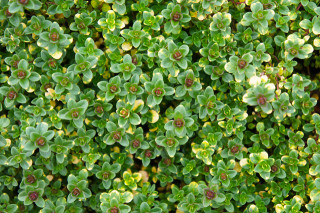
Thymus citriodorus
Lemon thyme · citrus thyme
Description
Source: leafsnapThe Lemon Thyme (Thymus citriodorus), also known as the Citrus Thyme, is a plant native to the Mediterranean that has been used to heal ailments for generations. The attractiveness and versatility of lemon thyme in garden design are reasons to grow this delicious gem. Using lemon thyme in a garden may provide a variety of visual appeal and intrigue. In a rock garden, lemon thyme makes a great border plant and thrives in those conditions. Perfect for xeriscaping, thyme will bring a splash of color when it blooms and, depending on the variety, yellows and lime greens as well.
Care Guide
💧 Water Once a week
☀️ Light
🌡️ Temperature
Plants can withstand temperatures as low as -15°C.
💨 Humidity
🪴 Soil
🌱 Fertilizer
Fertilizing plants, including lemon thyme, is often a terrible idea. A fantastic way to be proactive and promote strong development is to use organic compost in the planting process.
🪴 Pot & Repot
✂️ Pruning
You may cut stems from your lemon thyme anytime you need them throughout the year. To encourage the development of new shoots, it is advisable to clip stems from recent growth. It is optimal to choose the younger stems and harvest them in the early morning before daybreak, when tastes are most concentrated.
🌿 Propagating
🐛 Diseases & pets
☠️ Toxicity
Commonly used in cooking, lemon thyme is considered safe when consumed in normal food quantities. In dietary supplement form, it seems to be well-tolerated. However, consuming too much thyme may induce stomach trouble, cramping, migraines, and dizziness. Furthermore, it is non-toxic to animals.
Characteristics
- Plant Type
- Herbaceous perennial
- Hardiness Zone
- 5-9
- Native Area
- Mediterranean