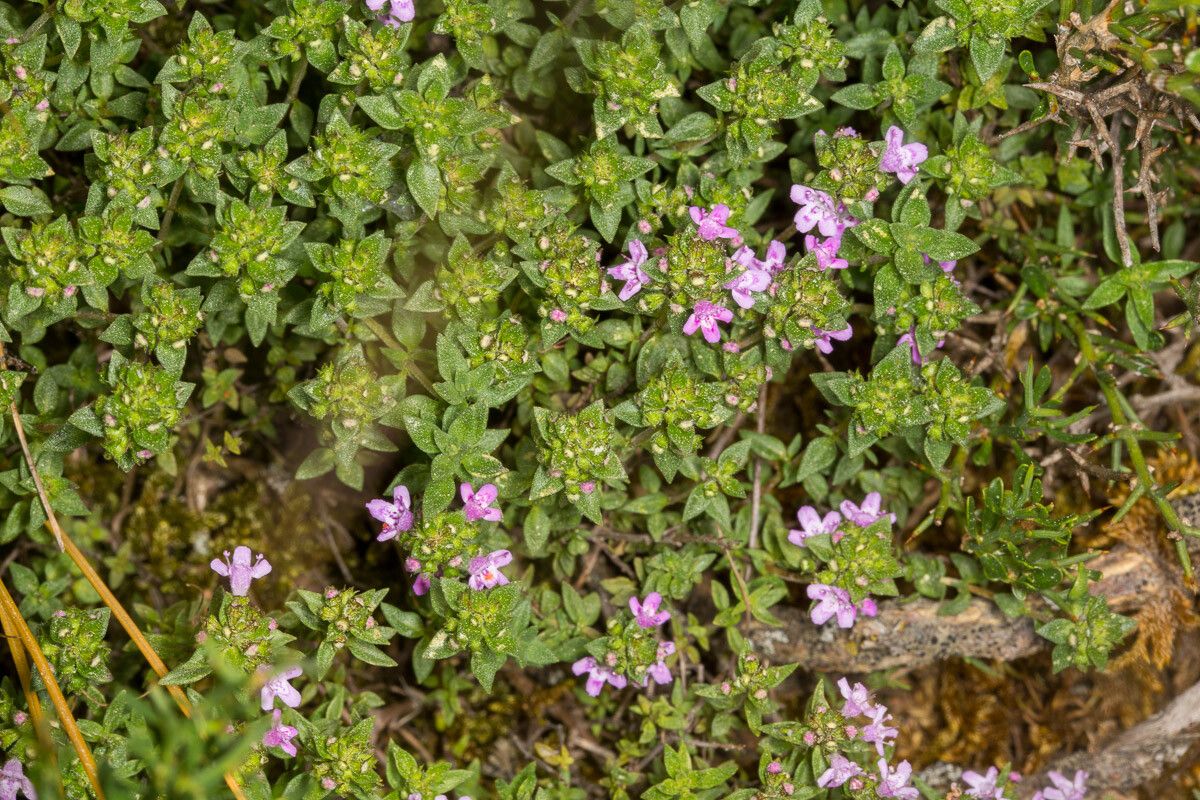
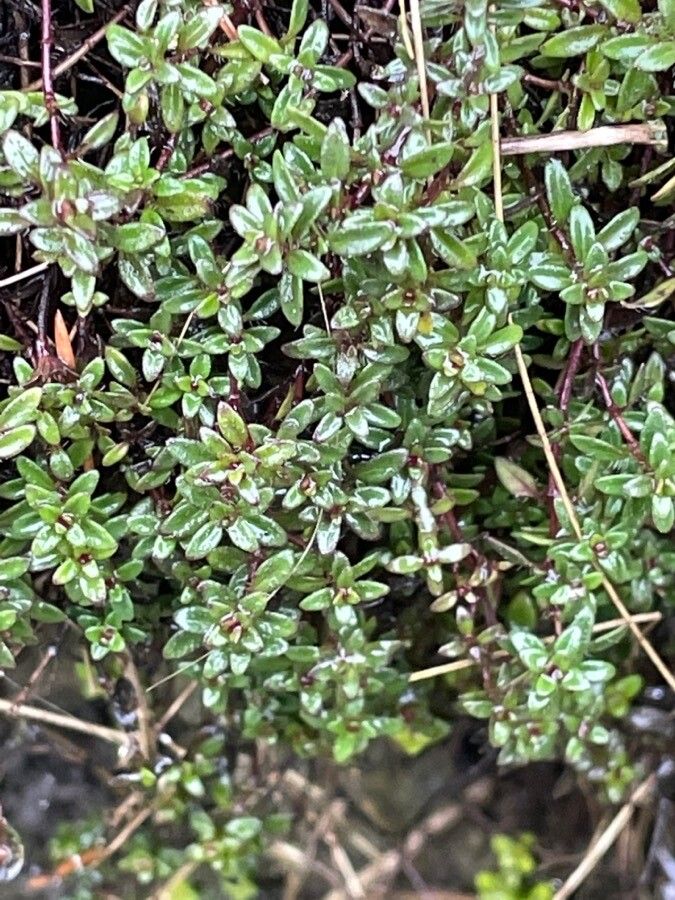
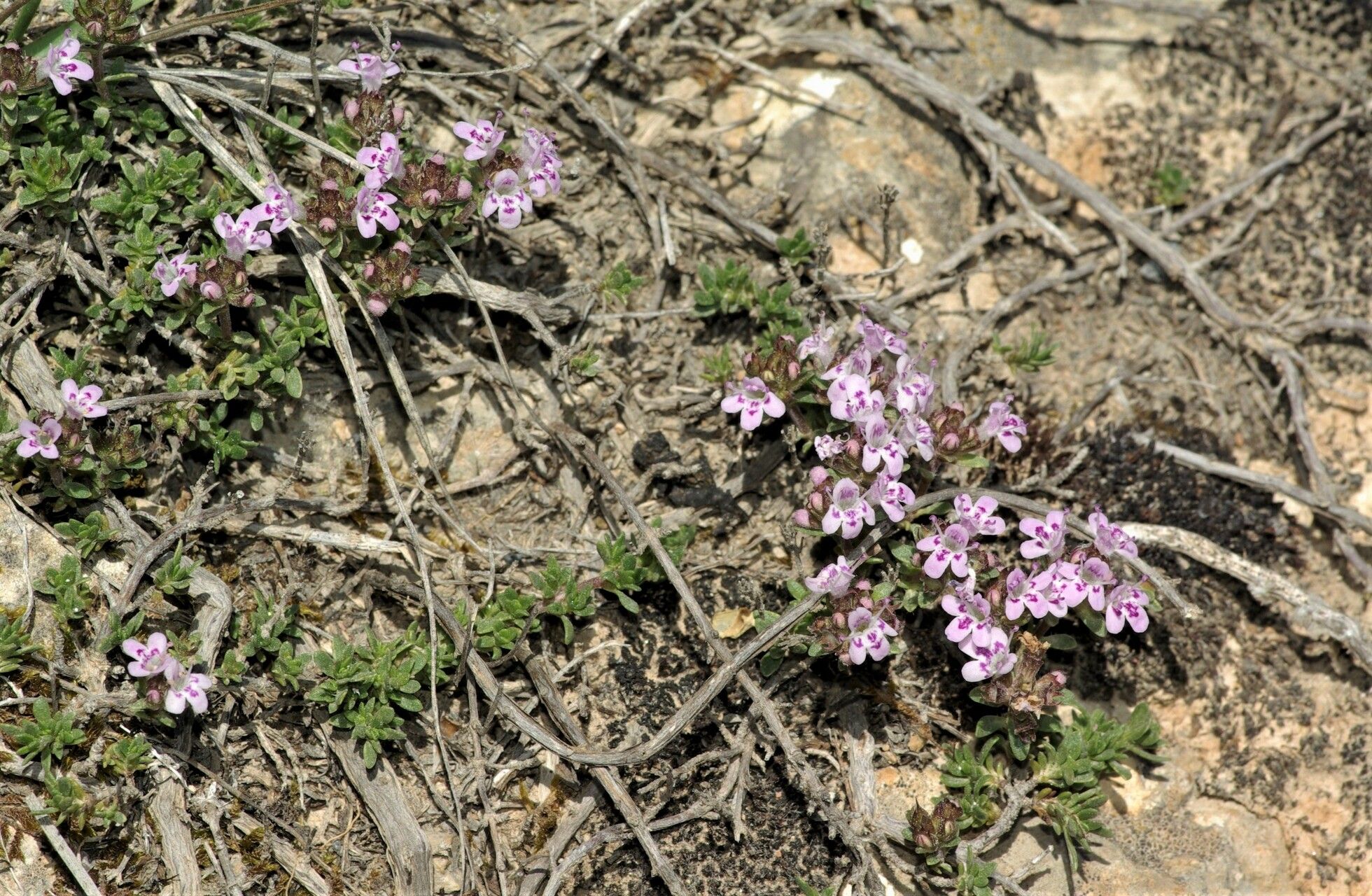
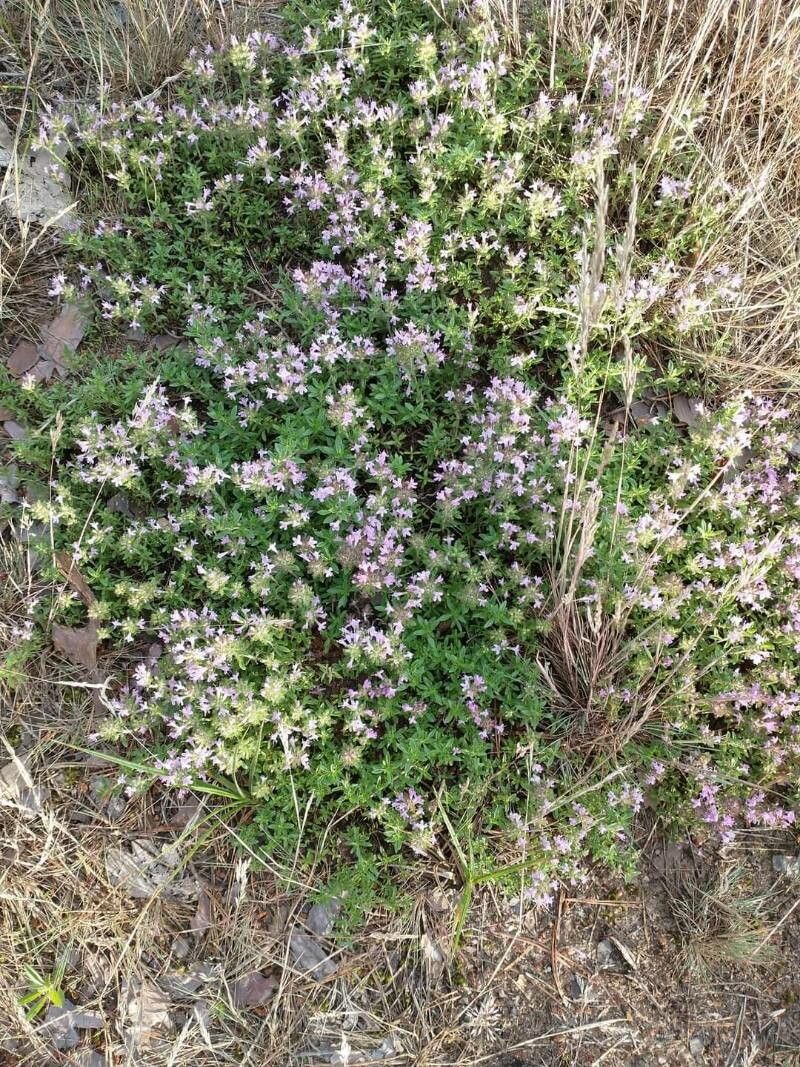
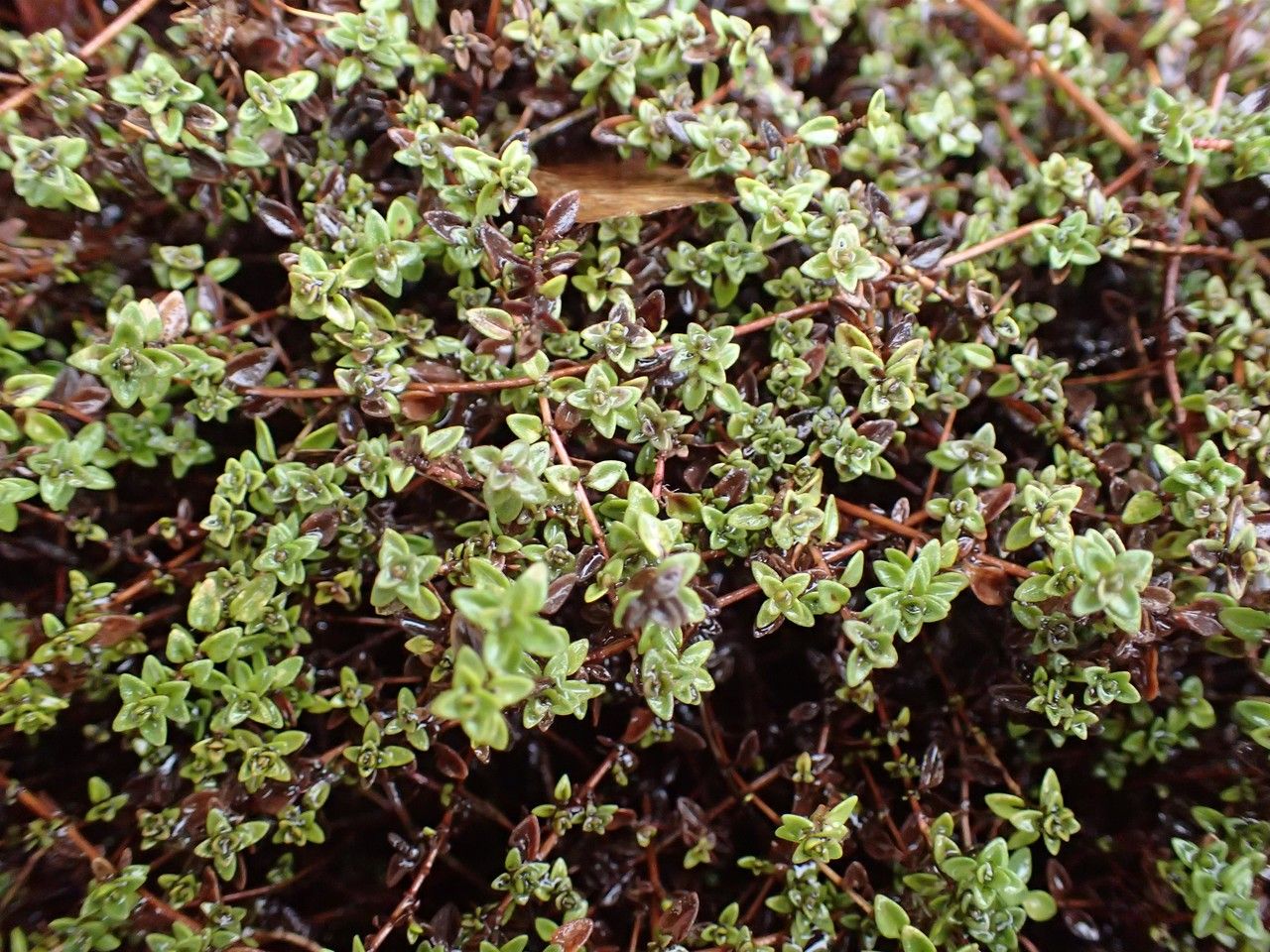
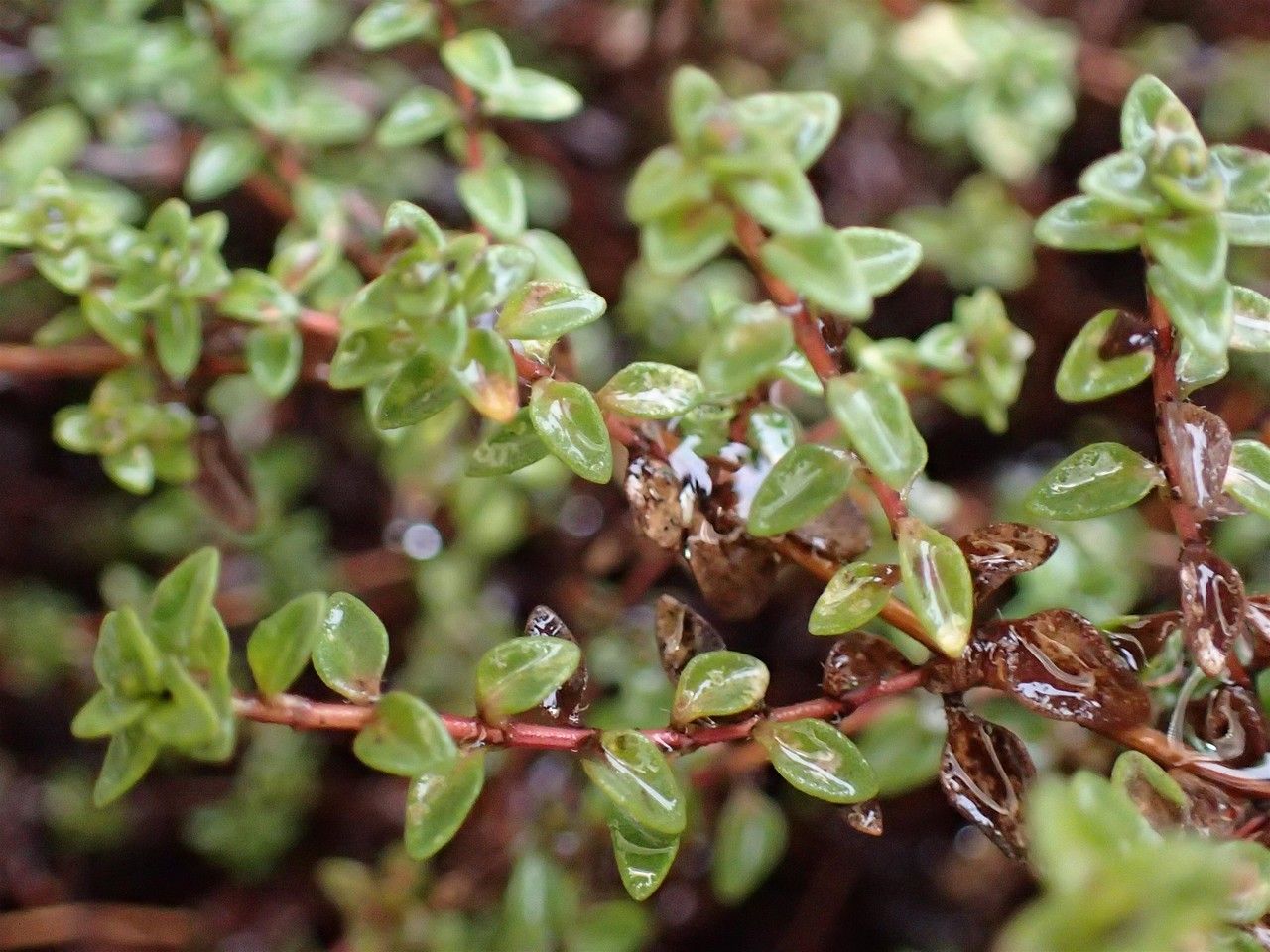
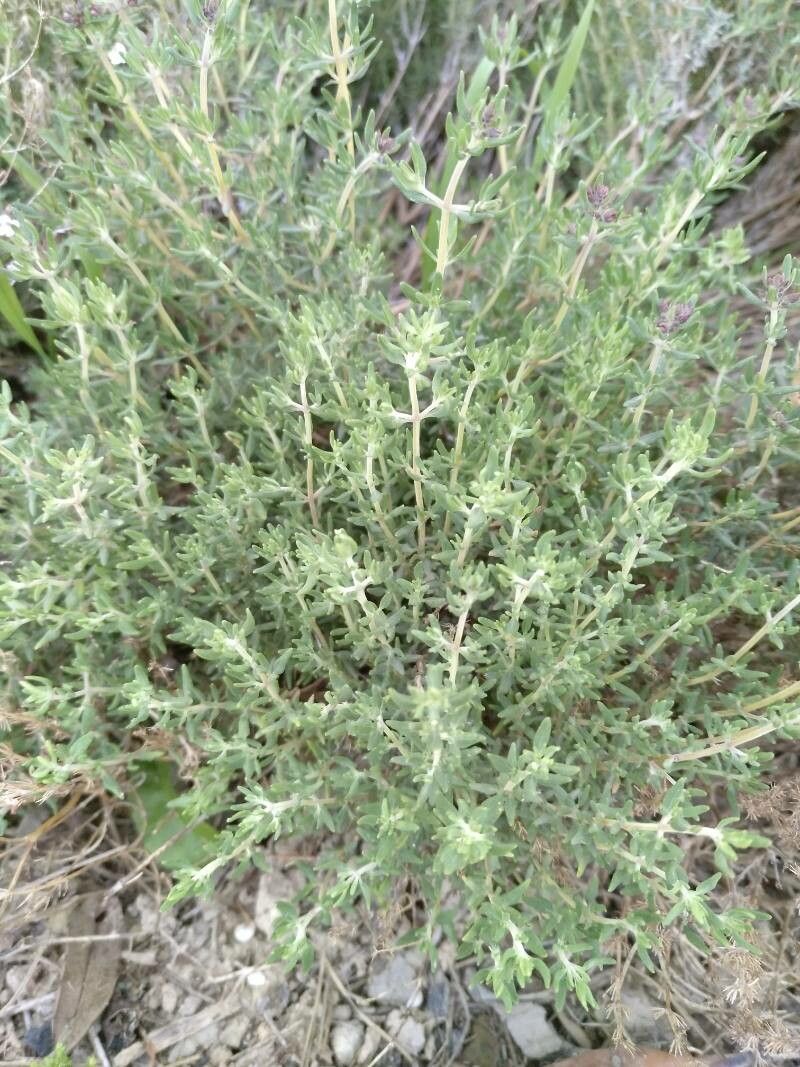
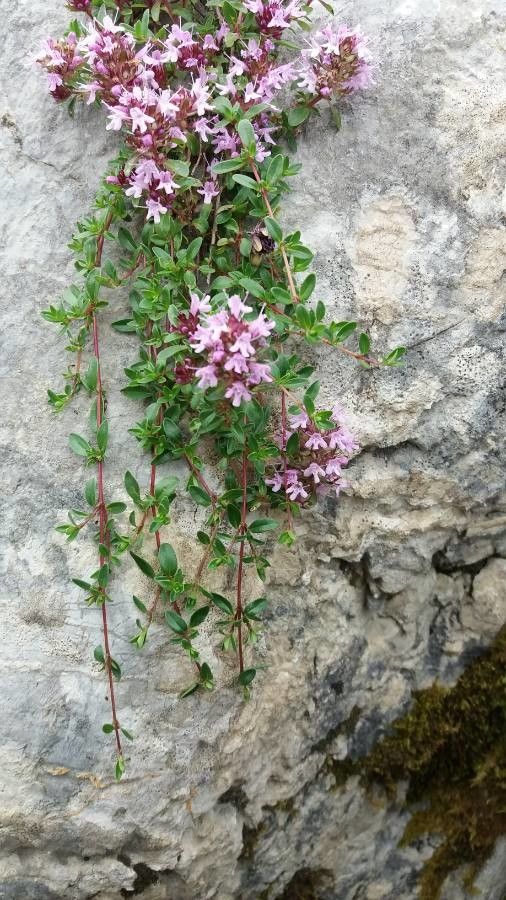
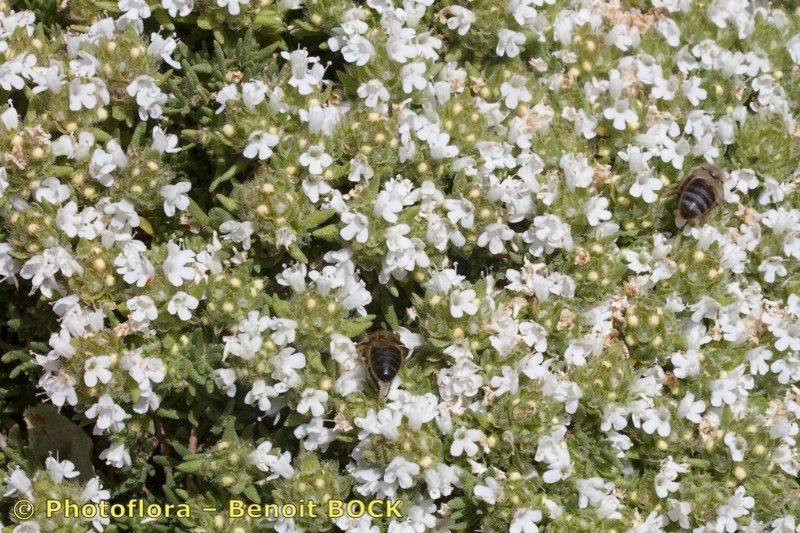
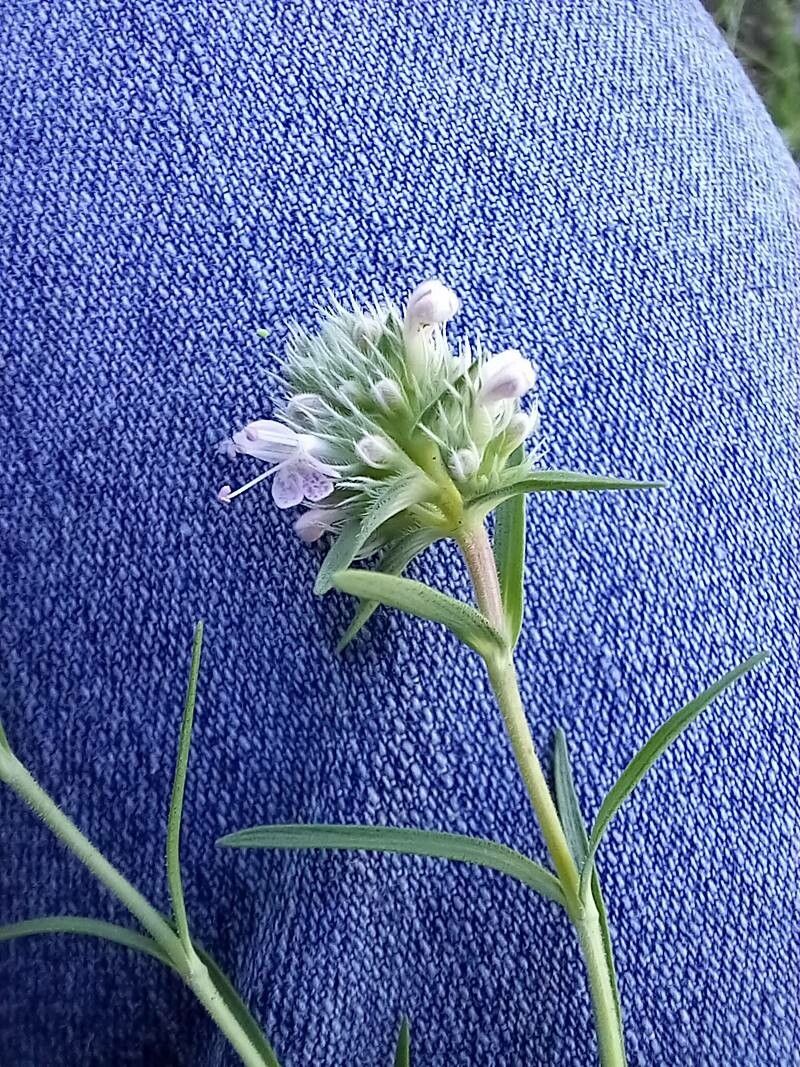
Thymus herba-barona, commonly known as caraway thyme or wild thyme, is a low-growing perennial herb that belongs to the mint family. Native to the Mediterranean region, it thrives in rocky and dry soils. The plant features a woody stem with small, oval-shaped leaves that are gray-green in color and emit a strong aroma when crushed.
Caraway thyme produces small pink or purple flowers that bloom from late spring to early summer. These flowers are attractive to bees and other pollinators, making the plant an excellent addition to any garden.
The leaves of caraway thyme have a robust flavor reminiscent of caraway seeds, with hints of mint and citrus. They are commonly used as an herb in cooking to flavor meats, soups, stews, sauces, and salads, or as a seasoning for vegetables.
In addition to its culinary uses, Thymus herba-barona has medicinal properties, such as being antiseptic. This makes it useful for treating respiratory infections like bronchitis or sore throat when brewed into tea.
Overall, Thymus herba-barona is an attractive plant with culinary and medicinal uses that can be easily grown in gardens due to its hardiness. It is popular among gardeners who desire low-maintenance plants while also adding variety to their cooking repertoire.
Caraway thyme has strong disease resistance and usually does not develop illnesses. However, it can be affected by pests and diseases present in its environment. These problems are generally not severe. For care, this plant requires a moderate amount of maintenance. It should be pruned regularly to keep a tidy appearance and support healthy growth. Fertilizing can also encourage more flowering. Caraway thyme is well suited for anyone with outdoor space, such as a garden or patio, and does not demand extensive experience in plant care. It may need more attention when grown indoors.
How to keep Thymus Herba Barona.
Temperature
Caraway thyme can tolerate a wide range of temperatures, but its distribution may still be limited by various combinations of moisture and heat. It does best in warm summer climates with sufficient rainfall or watering. Extended periods of cloudy, rainy weather, as well as prolonged high temperatures, can raise the chance of Caraway thyme dying. In winter, adequate protection from cold can increase the plant’s survival rate.
Fertilizer
One application of fertilizer in spring is generally enough for Caraway thyme, although repeated feedings can further enhance growth. Fertilize every month to every six weeks. Feeding improves leaf appearance and function, helping maintain even color and a healthy texture. It also promotes root development and nutrient uptake for the plant's long-term health.
Botanical profile.
Other names.