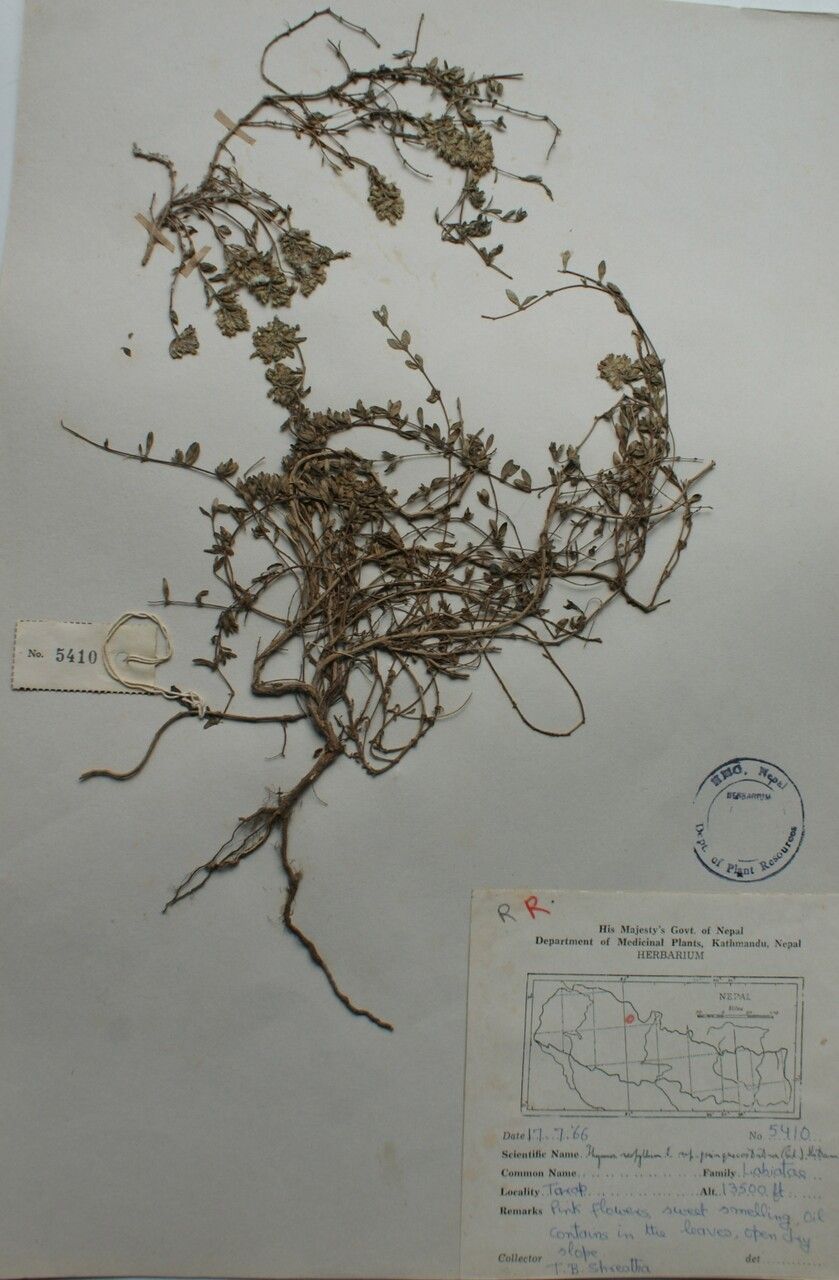
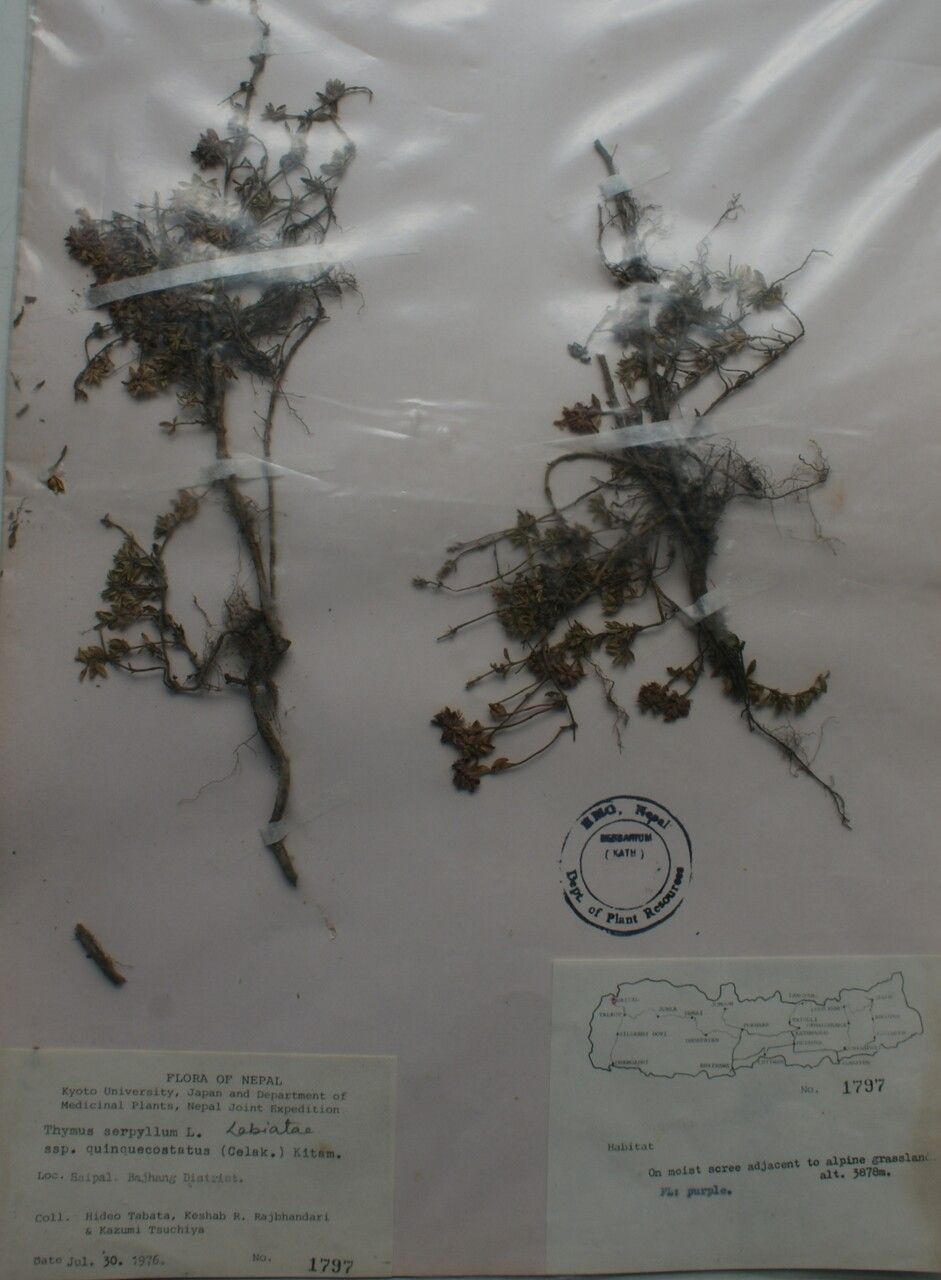
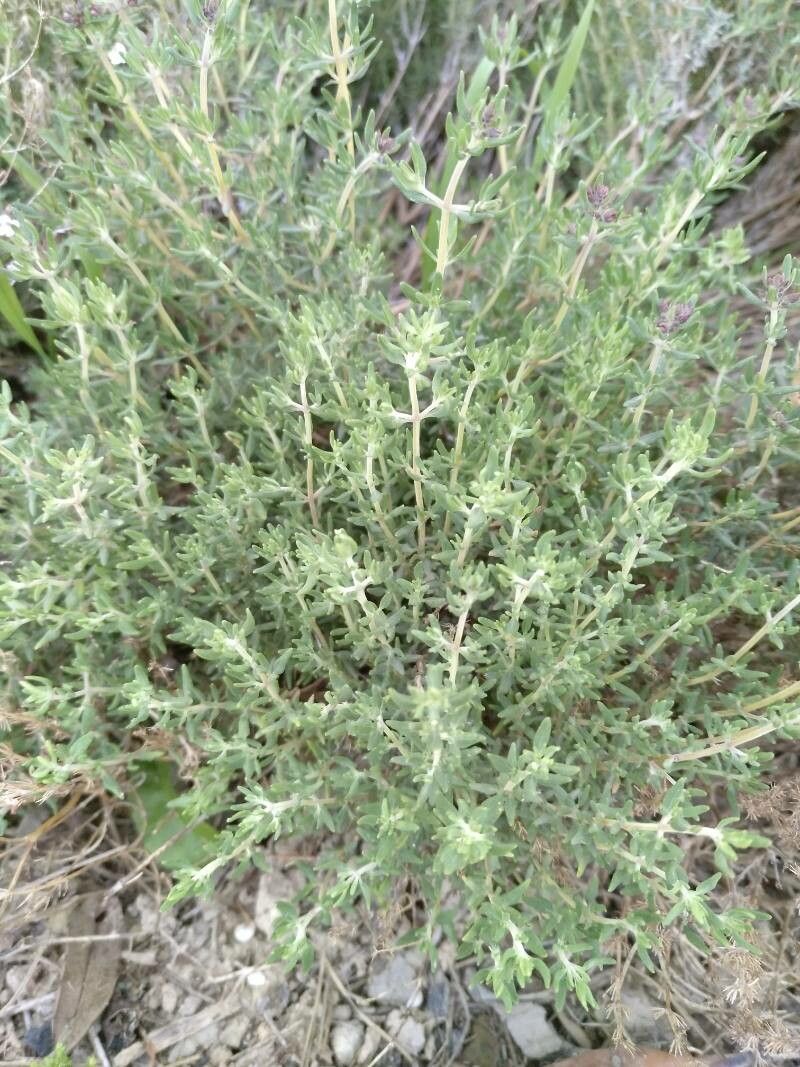
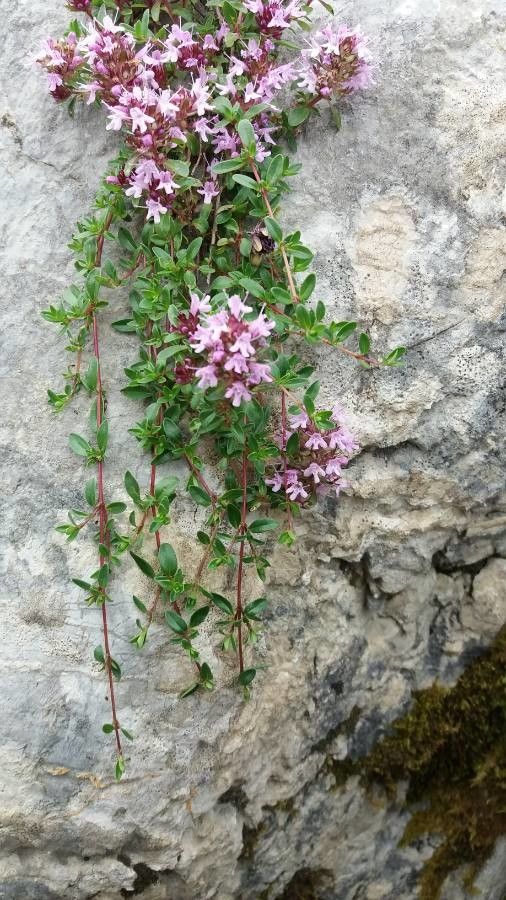
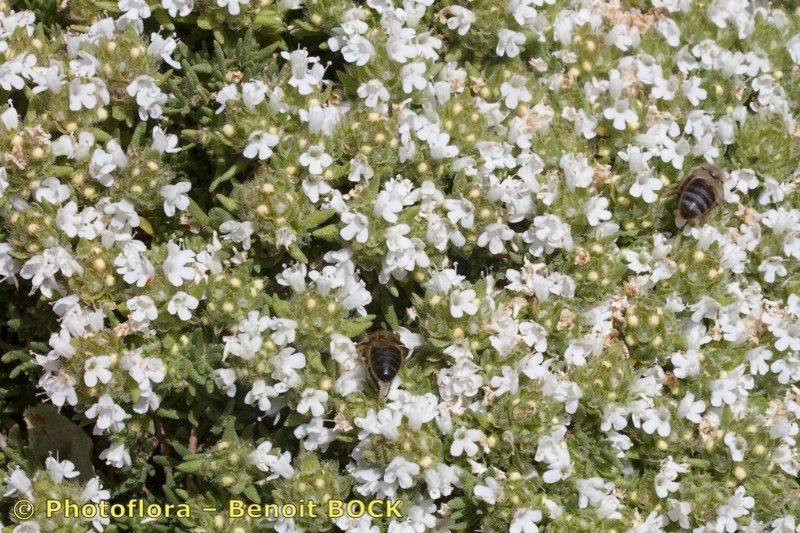
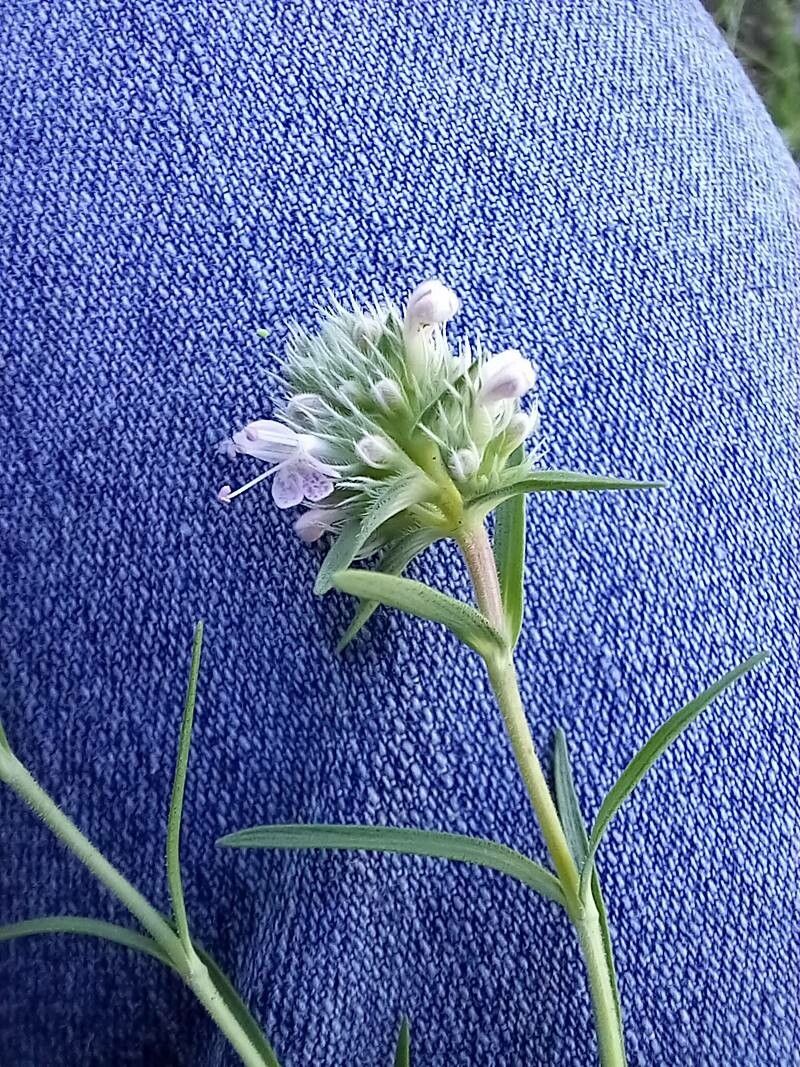
Five-ribbed thyme has moderate resistance to disease and can be susceptible to problems such as leaf spot. Its susceptibility to insect pests can vary by variety, but most types are relatively less resistant to pests. For care, Five-ribbed thyme needs regular watering and fertilization, plus frequent removal of yellowing leaves. It’s important to manage pests and diseases when they occur and to harvest the plant promptly. Five-ribbed thyme is suitable for people who can devote some time and effort to regular maintenance.
How to keep Thymus Quinquecostatus.
Light
The five-ribbed thyme prefers well-lit environments for its best growth. Although it flourishes in places with plenty of sunlight, it doesn't strictly require it for survival. However, both too much light and complete lack of it might be harmful, potentially leading to the plant's deterioration.
Water
Five-ribbed thyme, originating from the Mediterranean, thrives in well-drained soil and full sunlight. It is drought-tolerant and has moderate water needs, requiring weekly watering. Although it is typically grown outdoors, consistent hydration is essential for maximizing the production of essential oils in its leaves.
Temperature
The Five-ribbed thyme plant typically thrives in moderate temperatures that align with those usually preferred by people. It doesn't fare particularly well in extreme hot or cold conditions. In the instance of intense heat, there is an increased likelihood of the plant developing sunburn. To counteract this, some shading is beneficial during the warm summer months to minimize the effects of extreme temperatures. As for colder conditions, the Five-ribbed thyme goes into a state of dormancy when temperatures plummet. To achieve year-round growth, it's important to uphold warmer temperatures throughout winter. Frost is potentially harmful to the plant and therefore should be kept at bay.
Fertilizer
In order to optimize the output and taste of Five-ribbed thyme, it is crucial to provide a generous amount of nitrogen during all growth phases, ranging from before planting to harvesting. Plants that are properly hydrated and fertilized yield plentiful, robust leaves and restrict bitterness. Prior to sowing, enhance the soil quality with organic substances such as compost or manure, preferably between 2 to 8 weeks beforehand.
Pruning
Five-ribbed thyme has aromatic leaves and purple flowers. It benefits from pruning between late winter and early spring. Start by removing any dead stems, then shape the plant by trimming up to one-third of its height. This will encourage growth, improve airflow, and reduce the risk of disease.
Botanical profile.
- Plant Type
- Herb
- Life Cycle
- Perennial
- Genus
- Thymus
- Family
- Lamiaceae
- Hardiness Zone
- 5-9
- Mature Height
- 8 cm to 15 cm
- Mature Spread
- 30 cm to 61 cm
- Leaf Color
- Green, Dark Green
- Leaf Type
- Evergreen
- Flower Color
- Pink
- Flower Size
- 6.35 cm
- Bloom Time
- Late spring, Early summer, Mid summer
- Planting Time
- Spring, Summer, Autumn
- Harvest Time
- Mid summer, Late summer, Early fall
- Native Area
- Russia, Tajikistan, India, Japan, Mongolia, Koppen, Pakistan, South Korea, China
Other names.
Reader questions.
What are the sunlight requirements for Five-ribbed thyme (Thymus quinquecostatus)?
Five-ribbed thyme thrives in both full and partial sun conditions. Full sun exposure means the plant should receive more than 6 hours of sunlight daily, while partial sun refers to about 3-6 hours of sunlight. It's essential to watch how sunlight moves through your garden to find spots that offer the right balance of light and shade, ensuring the plant's happiness and growth.
What is Five-ribbed thyme?
Five-ribbed thyme, known botanically as Thymus quinquecostatus, is a specific type of thyme. This variant is distinguished by its unique characteristics, but the provided information does not include details about its uses, cultivation, or specific attributes beyond its name.
What are the essential lighting conditions for growing Five-ribbed thyme indoors?
Five-ribbed thyme appreciates well-lit conditions for optimal growth, benefiting from both natural and artificial lighting. When natural sunlight is insufficient, especially in winter or less sunny areas, artificial lighting becomes crucial. LEDs are a recommended choice for indoor plant lighting, providing the specific wavelengths needed by plants. Full sun plants require 30-50W per square foot, partial sun plants need 20-30W per square foot, and full shade plants require 10-20W per square foot. The light source should be placed 12-36 inches above the plant, and most plants benefit from 8-12 hours of light per day to mimic natural daylight hours.
What are the signs of insufficient lighting for Five-ribbed thyme?
Symptoms of light deficiency in Five-ribbed thyme include smaller new leaves, leggy or sparse growth, faster leaf drop, slower or no new growth, lighter-colored new leaves, chlorosis or yellowing of the leaves due to excessive sunlight, sunscald (damage from intense sunlight exposure), leaf curling (a defense against excessive sunlight), wilting (due to increased water loss from overexposure to sunlight), and leaf scorching (brown, dry, crispy leaf edges caused by excessive sunlight). These symptoms indicate that the plant is not receiving adequate light for healthy growth and photosynthesis.
How can I address lighting issues for Five-ribbed thyme both indoors and outdoors?
To address insufficient lighting for Five-ribbed thyme, gradually increase sunlight exposure. For indoor plants, move them to a sunnier spot each week until they receive at least 6 hours of direct sunlight, using a south-facing window and considering artificial light for additional support. For outdoor plants, gradually move them to a sunnier location each week to avoid sunburn. If sunlight is obstructed, consider pruning branches or moving smaller plants to a sunnier location with good drainage. Remember, parts of the plant that were previously affected by low light may not recover, but new growth after increasing light exposure should be healthy.