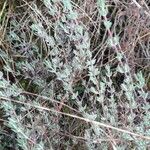
Thymus vulgaris
Garden thyme · Thyme · English thyme · Common thyme · Culinary Thyme
Description
Source: leafsnapThymus, commonly known as thyme, is a perennial herb in the mint family. Native to the Mediterranean region, thyme has been valued for centuries for its medicinal and culinary properties. The plant features small, fragrant leaves that are frequently used as a seasoning in cooking and produces petite pink or purple flowers during the summer months. Thyme is easy to cultivate, thriving in well-drained soil with full sun exposure. It can be propagated from seeds or cuttings and can be grown in containers or directly in the ground. Beyond its culinary applications, thyme has a history of medicinal use. It has been employed to treat respiratory infections, digestive issues, and skin conditions, thanks to its antibacterial properties. Overall, thyme is a versatile plant with numerous applications in both cooking and traditional medicine, making it an excellent addition to any herb garden.
🌳 Although common thyme is best known for seasoning food and yielding essential oils, it also has antiseptic properties. The leaves of common thyme appear to help maintain food freshness, suggesting it could serve as a natural preservative. Traditionally, it has been used in the Middle East as a disinfectant, to soothe coughs, and to expel parasites. In beekeeping, an interesting application is that common thyme is used to produce honey with a distinct thyme flavor.
🎭 Fondness, action
Care Guide
💧 Water Every 7 days
Garden thyme thrives in well-drained soil and needs watering every one to two weeks, reflecting its adaptation to Mediterranean climates. It prefers full sun and is best grown outdoors, where increased evaporation helps prevent overwatering and root rot, which suits its drought-tolerant nature.
When Should I Water My Garden Thyme?
Timely and accurate watering is crucial for garden thyme's health and growth. To determine when to water, check for soil dryness by touching the top layer; if it feels dry and crumbly, it's time to water. Also, observe the leaves for signs of stress such as loss of vibrancy or curling, and look out for plant wilt, as these indicate a need for water. Sluggish growth can also signal insufficient watering. Avoid watering too early before the soil has dried out to prevent root rot, but also ensure not to delay watering to the point of causing the plant dehydration stress. Monitoring these signs closely will help maintain the plant's vitality.
How Should I Water My Garden Thyme?
Garden thyme prefers well-drained, fairly dry soil. Effective watering methods include using a watering can with a narrow spout directed at the soil base and avoiding the foliage, or employing bottom-watering techniques for root absorption. Tools like a moisture meter can help in assessing when to water by measuring soil moisture levels. Focus watering on the soil at the base of the plant to minimize the risk of fungal diseases, and avoid watering the foliage to prevent harm.
How Much Water Does Garden Thyme Really Need?
The amount of water garden thyme needs varies by factors such as pot size and plant size, but the soil should be moist without being waterlogged. For mature plants in medium-sized pots, about 250 to 350 milliliters per watering session is usually adequate. Proper hydration manifests as vibrant green leaves and firm stems. Overwatering can lead to yellowing leaves and root rot, while underwatering can cause wilting and dry stems. It's essential to allow the soil to dry partially between watering sessions, utilizing garden thyme's drought-tolerant nature without letting the soil completely dry out.
What Kind of Water is Best for Garden Thyme?
Distilled water is ideal for garden thyme due to its purity, with rainwater being a good alternative. Tap water is an option but may contain chlorine and other chemicals potentially harmful to the plant. Filtered water can also be suitable if it removes harmful contaminants. Garden thyme shows high sensitivity to chlorine and moderate sensitivity to fluoride, which can be mitigated by dechlorinating tap water or using a carbon filter. It prefers water at room temperature, avoiding shocks from too hot or cold water.
How Do Garden Thyme's Watering Needs Change with the Seasons?
Garden thyme's watering needs vary with the seasons. In Spring, water once the topsoil dries out to support new growth. During Summer, prevent the soil from drying out completely due to higher evaporation rates. In Autumn, as growth slows, reduce watering and allow the topsoil to dry between sessions. Winter requires much less watering, with the plant in dormancy; water sparingly once the soil is very dry, ensuring excellent drainage to avoid waterlogging.
☀️ Light Full sun
Common thyme grows best in places that receive full sun throughout the day. It can also tolerate locations with partial sun. In its native habitat it gets ample sunlight. Too much sun can stress the plant, while too little light may impede its growth and development.
What are the sun requirements for garden thyme?
Garden thyme needs a well-lit environment to thrive, preferring full sun conditions with more than 6 hours of sunlight daily but can also grow in partial sun, which is about 3-6 hours of sunlight. Monitoring the movement of sunlight through your garden helps in selecting the ideal spots that offer a harmonious blend of light and shade, ensuring the plants are happy and healthy.
What essentials should be considered for growing garden thyme?
Garden thyme flourishes in conditions that enjoy full sun exposure throughout the day and can also tolerate moderate levels of sun exposure. Originating in sunny environments, it requires ample sunlight for optimal growth. Too much sunlight can stress the plant, while insufficient sunlight may impede its growth and development. For indoor plants lacking in natural light, especially during winter or in less sunny locations, artificial lighting serves as a crucial alternative, encouraging healthier and faster growth. Optimal artificial light includes choosing the right type like LED, setting the proper distance (12-36 inches above the plant), and providing the adequate duration of light exposure (8-12 hours per day).
What are the symptoms of light deficiency in garden thyme?
When garden thyme does not receive enough light, it may exhibit several symptoms indicating a deficiency. These include leggy or sparse growth, where the spaces between leaves or stems elongate causing a weak appearance; lighter-colored new leaves signaling a lack of chlorophyll and nutrients; slower or no new growth as the plant conserves energy; faster leaf drop to preserve resources; chlorosis, where leaves lose their green color turning yellow; sunscald, with damaged plant tissues from intense light; leaf curling, a defense mechanism to minimize water loss; wilting from increased transpiration; and leaf scorching, characterized by brown, dry, crispy leaf edges from excessive sunlight.
How can garden thyme be helped to recover from insufficient sunlight?
To aid garden thyme in recovering from insufficient light, gradually acclimatize it to receive at least 6 hours of direct sunlight daily by moving it to sunnier spots weekly. For indoor plants, ensure they are placed near a south-facing window and consider using artificial lights if the plant is large or difficult to move, keeping them on for at least 8 hours a day. For outdoor plants, also aim for gradual relocation to avoid shock. If sunlight is blocked by obstacles like trees, pruning might be necessary. Additionally, for smaller plants, transplanting during their dormant period to a sunnier location with good drainage might help. Note that parts of the plant that suffered might not recover, but new growth should be healthy if light exposure increases.
🌡️ Temperature 5–35°C
In its natural habitat, common thyme favors moderate temperatures of 5 to 35 ℃ (41 to 95 ℉). In the growing season, it is best placed in warm spots with full sun and well-drained soils. To cope with colder periods, mulch the soil to shield the roots from freezing and bring the plant indoors during harsh winter weather.
What are the ideal growing conditions for garden thyme?
Garden thyme, or Thymus vulgaris, thrives in moderate temperatures ranging between 5 to 35°C (41 to 95°F). It prefers being grown in warm locations that receive full sunlight and have well-drained soils. To accommodate cooler seasons, mulching the soil is beneficial for protecting the roots from freezing, and it might be necessary to bring the plant indoors during harsh winter weather. Although garden thyme has strong cold resistance and doesn't usually require special frost protection measures, if winter temperatures are expected to drop below -25°C, providing cold protection by covering the plant with materials such as soil or straw is important. Additionally, watering the plant abundantly before the first freeze in autumn helps keep the soil moist and prevents drought and water scarcity during the colder months.
How does garden thyme react to low temperatures?
Garden thyme is notably cold-tolerant, preferring temperatures to remain above 5°C. During winter, it should not be exposed to temperatures below -20°C. If temperatures fall below -25°C, while there may not be noticeable changes during the winter itself, there can be a decrease in sprouting or potentially no sprouting during spring. In preparation for spring, any parts of the plant that have failed to sprout should be removed to encourage new growth.
What should be done if garden thyme experiences high temperatures?
During summer, it's crucial to ensure that garden thyme does not get exposed to temperatures exceeding 35°C. When temperatures surpass 38°C, the plant's leaves may become lighter in color, curl up, become susceptible to sunburn, and in severe cases, the entire plant may wilt and dry up. To mitigate this, sunburned and dried-up parts of the plant should be trimmed. The plant should be moved to a location that provides shade during the midday and afternoon, or a shade cloth can be used to protect it from direct sunlight. It's also advisable to water the plant in the morning and evening to maintain soil moisture.
💨 Humidity normal (40-60%)
This plant will thrive in moderate humidity, which is probably the level in your home. However, misting it a few times a week can be very beneficial. Make sure the room has good ventilation.
🪴 Soil 6-8
🌱 Fertilizer
A single fertilizer application in spring is generally enough for Common thyme, although repeated feedings can boost growth. Apply fertilizer once every month to a month and a half. Fertilizing improves the leaves' appearance and function, encouraging even color and a healthy texture. It also promotes root development and nutrient uptake, supporting long-term plant health.
Why should I put fertilizer on my Garden thyme?
Garden thyme relies on its leaves for structure, so fertilizing is crucial for healthy leaves. Proper fertilization ensures consistent color and strong texture. It also benefits the roots below the surface, promoting new root growth and maintaining the existing root system. This not only keeps the plant healthy at present, but also improves its ability to absorb nutrients from the soil in the future.
What is the best time to put fertilizer on my Garden thyme?
If you grow Garden thyme outdoors each year, it will start growing new leaves in early spring. This is when you should start fertilizing it for the year. Usually, one application of fertilizer in spring is enough for Garden thyme to grow well. However, if you want to maximize its growth, you can fertilize it multiple times during spring and early summer. In this case, you can feed Garden thyme about once every month to a month and a half.
When is the best time to not fertilize my Garden thyme?
During late fall and winter, your Garden thyme goes into a dormant phase and stops producing new growth. It is advised to avoid fertilizing it during this time. If you choose to fertilize in spring and summer, start reducing the amount as summer approaches, since Garden thyme's growth rate slows down then. In general, it is not recommended to fertilize your Garden thyme when it's excessively hot or when the soil is very dry, as this can cause stress and premature death.
What kind of fertilizer does my Garden thyme need?
Choosing the best fertilizer for Garden thyme is actually quite simple. These plants do well with a general-purpose garden fertilizer that has equal amounts of nitrogen, phosphorus, and potassium. Look for a fertilizer with a ratio of 10-10-10 or something similar for best results. Avoid fertilizers that have too much nitrogen if you're not sure. Most of the recommended fertilizers for Garden thyme come in a granular form, which is easy to apply to the soil. Opt for slow-release fertilizers. Another option is to use an organic soil amendment like compost to feed your Garden thyme plants, which can be very beneficial.
How should I give nutrients to my Garden thyme plants?
To ensure optimal growth for your Garden thyme, start by waiting until its first leaves break through the soil's surface in early spring. Once you spot this sign, apply a balanced granular slow-release fertilizer to the soil around the base of the plant. If desired, you can repeat this process later in the season. Remember to always apply the fertilizer to the soil rather than directly on the plant, which may require moving some leaves aside. Additionally, it is beneficial to water your Garden thyme before and after feeding it.
🪴 Pot & Repot 2-3 years
When repotting Common thyme, select a pot 1–2 inches (2.5–5.1 cm) larger that provides ample drainage. Use a well-draining potting mix. Repot in spring or fall, making sure the root ball sits slightly below the rim of the flower pot. Water thoroughly after repotting and place the plant in a warm spot with indirect sunlight.
✂️ Pruning
Garden thyme, with its aromatic leaves and small flowers, thrives when regularly pruned from early to late spring. Trim away old stems and up to one-third of the plant to improve its shape, air circulation, and overall vitality. Be sure to use clean, sharp tools to ensure precise cuts and to reduce the risk of infection.
🌿 Propagating
🐛 Diseases & pets
☠️ Toxicity
Thyme, which is often used in cooking, is deemed safe when used at typical food levels. However, too much thyme may produce stomach discomfort, cramps, migraines, and dizziness. Thyme essential oil has significant amounts of thymol and carvacrol, which may be poisonous, particularly in youngsters, produce allergic responses in large doses, and be neurotoxic.
Characteristics
- Plant Type
- Herb, Shrub
- Life Cycle
- Perennial
- Genus
- Thymus
- Family
- Lamiaceae
- Hardiness Zone
- 5-9
- Mature Height
- 15 cm to 30 cm
- Mature Spread
- 40 cm
- Leaf Color
- Green, Gray, Silver
- Leaf Type
- Evergreen
- Flower Color
- Lavender, Pink, White
- Flower Size
- 2.54 cm
- Bloom Time
- Late spring, Early summer, Mid summer
- Planting Time
- Spring, Autumn
- Harvest Time
- Mid summer
- Native Area
- Mediterranean