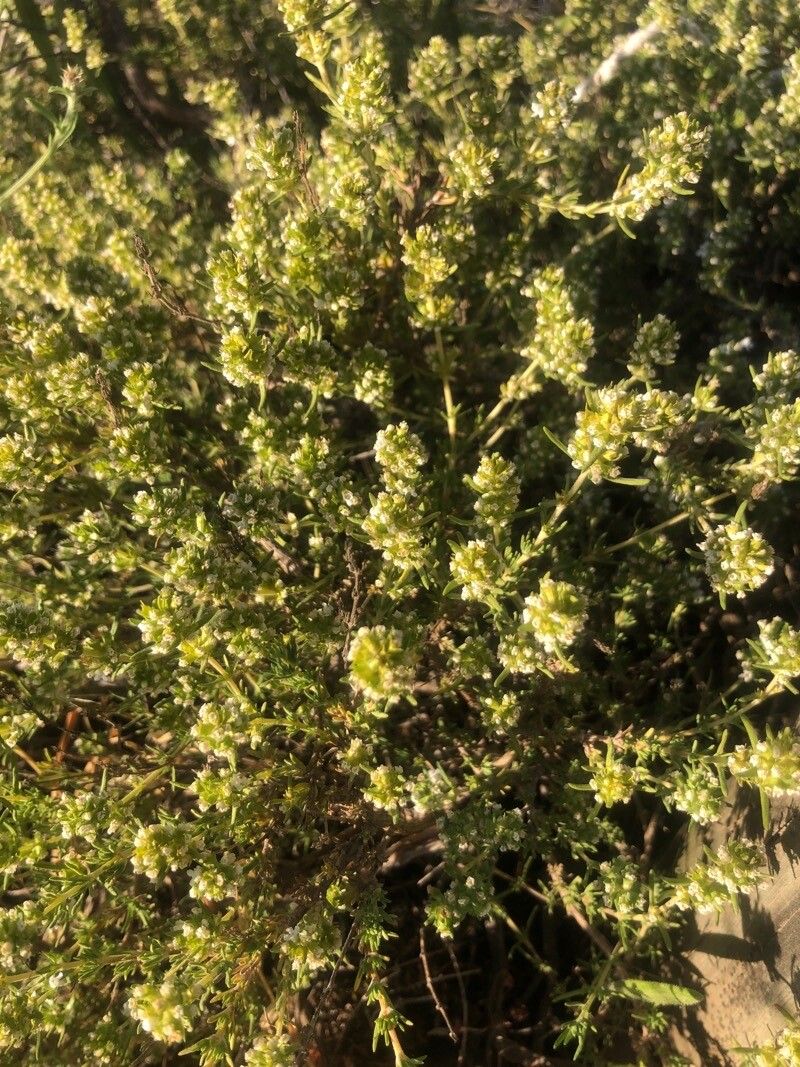
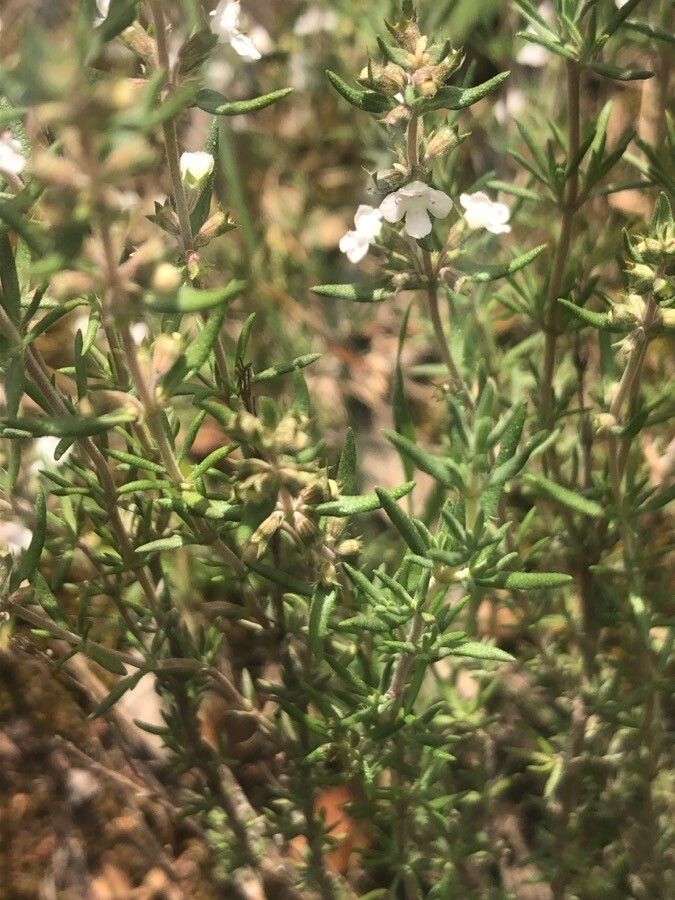
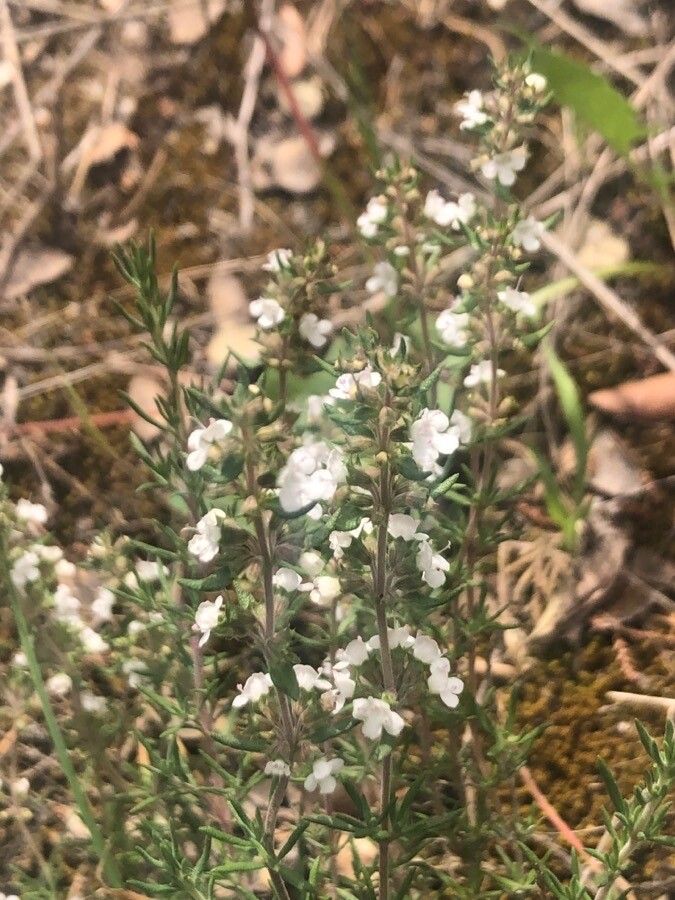
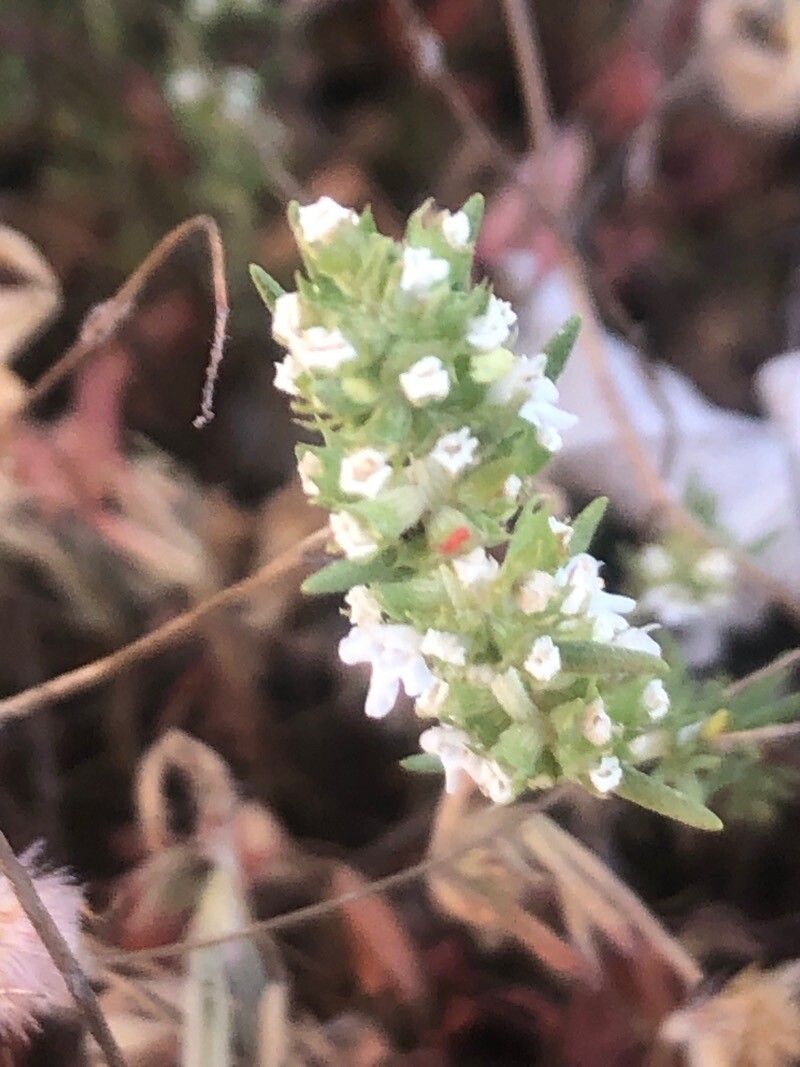
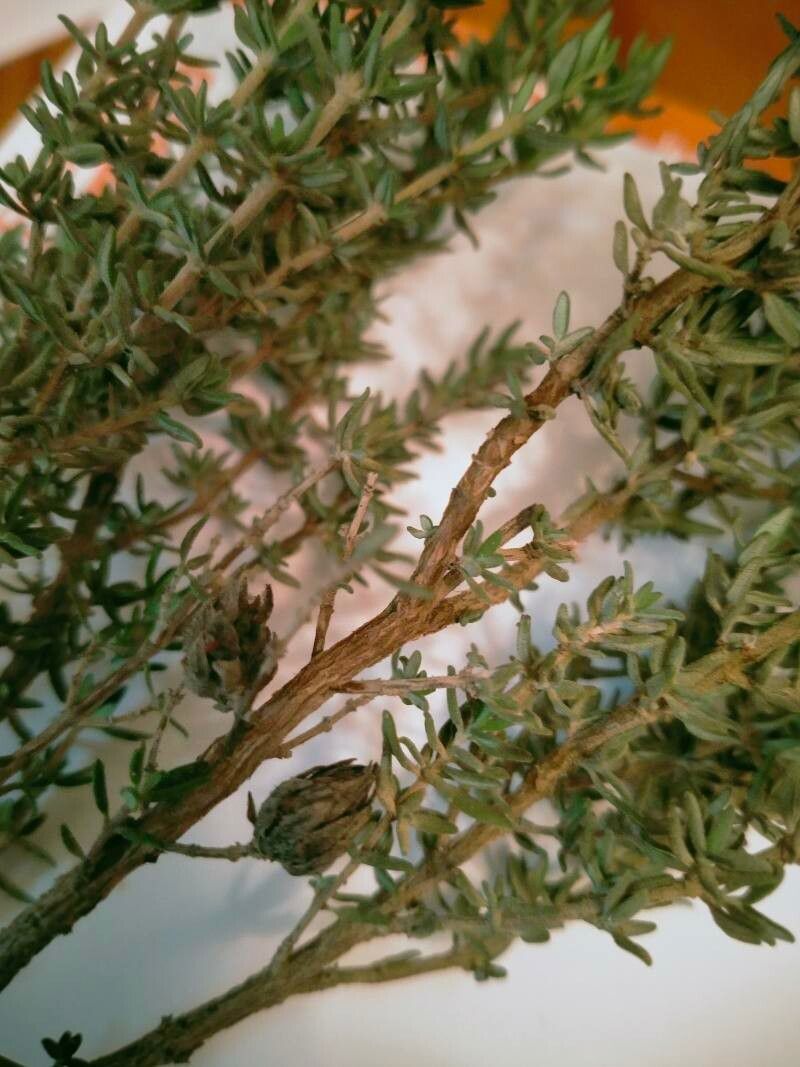
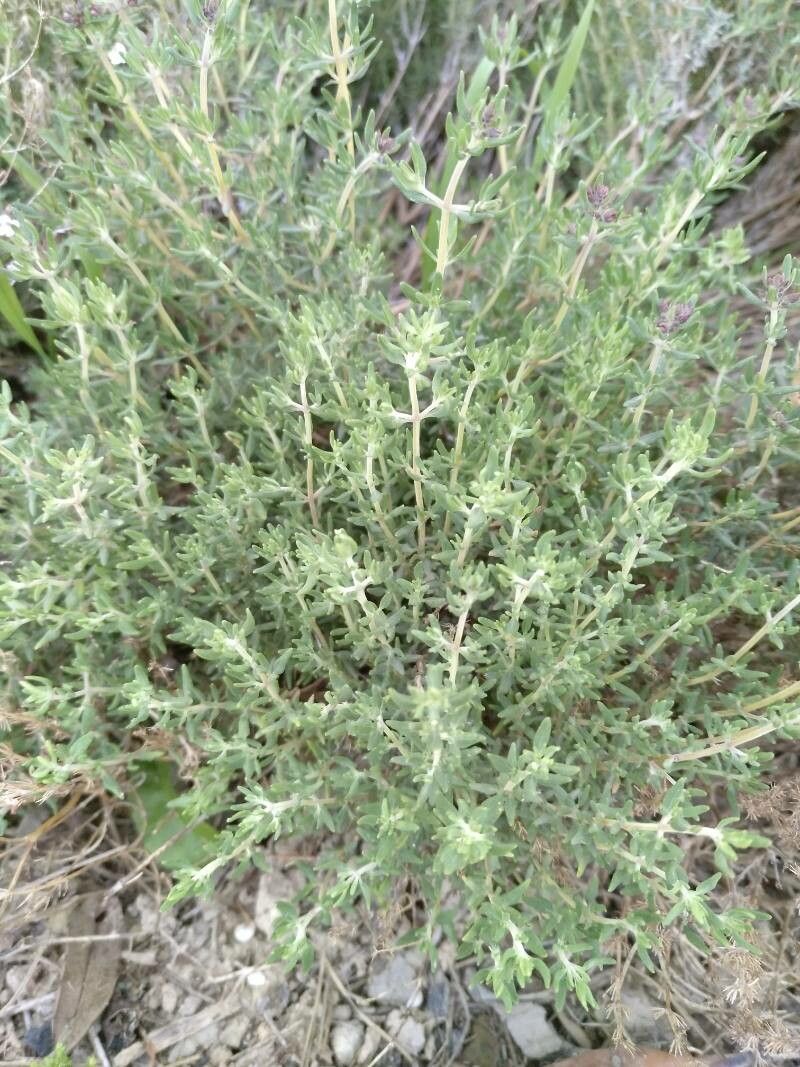
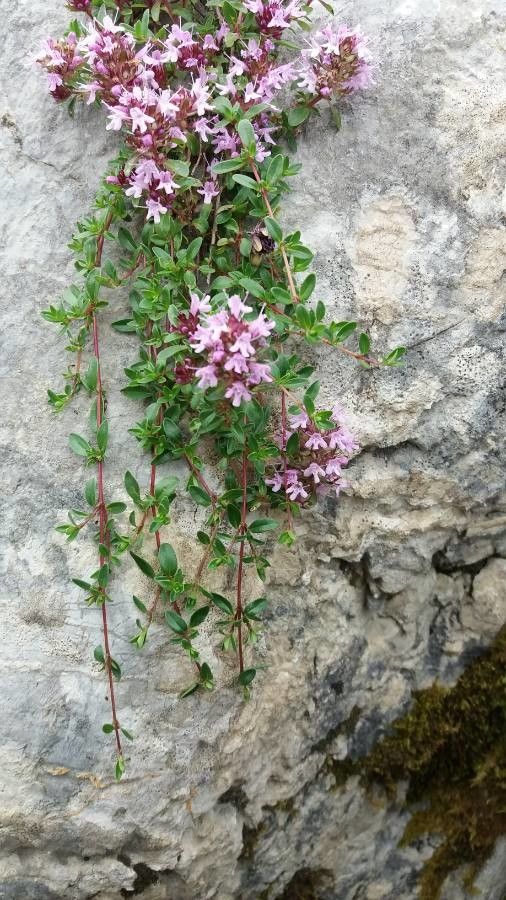
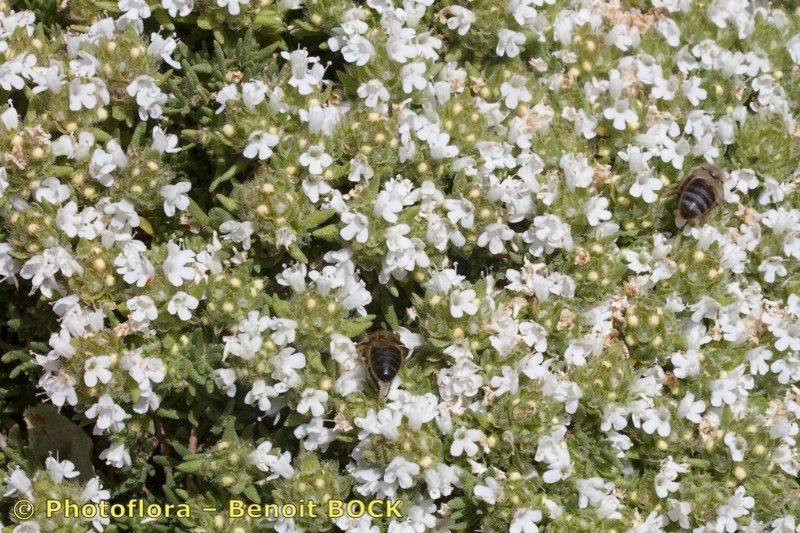
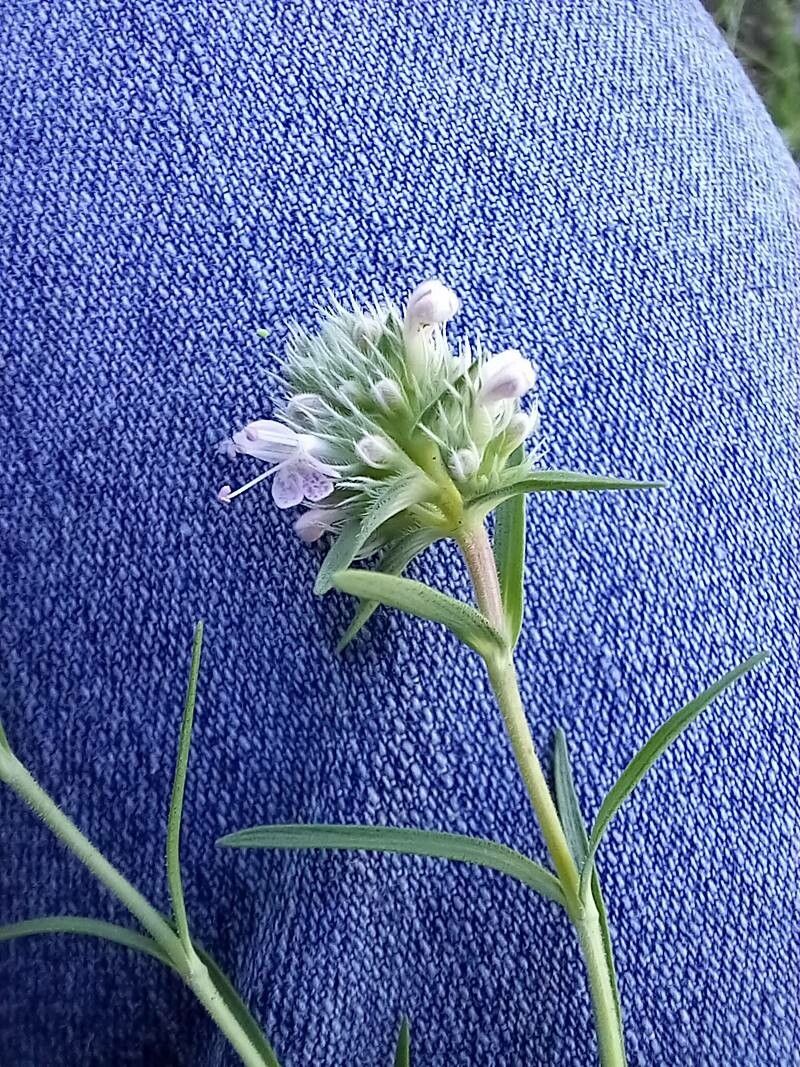
Thymus zygis, commonly known as Spanish thyme or Mediterranean thyme, is a small perennial herb in the mint family. Native to the Mediterranean region, it thrives in rocky and dry soils. This plant features a woody stem adorned with small, green leaves that are highly aromatic and impart a strong flavor.
During the summer, Thymus zygis produces tiny pink or purple flowers that attract bees and other pollinators. For centuries, it has been valued for its medicinal properties, particularly as an antiseptic and expectorant.
Aside from its medicinal benefits, Thymus zygis is widely used as a culinary herb due to its potent flavor. It can be added either fresh or dried to various dishes, including soups, stews, sauces, marinades, and roasted meats.
For optimal growth, Thymus zygis requires full sun and well-drained soil. While it is drought-tolerant, the plant needs regular watering during dry spells. Additionally, it can be propagated through cuttings taken in spring or autumn.
Overall, Thymus zygis is an attractive herb that offers both culinary and medicinal benefits, making it a valuable addition to any garden or kitchen pantry.
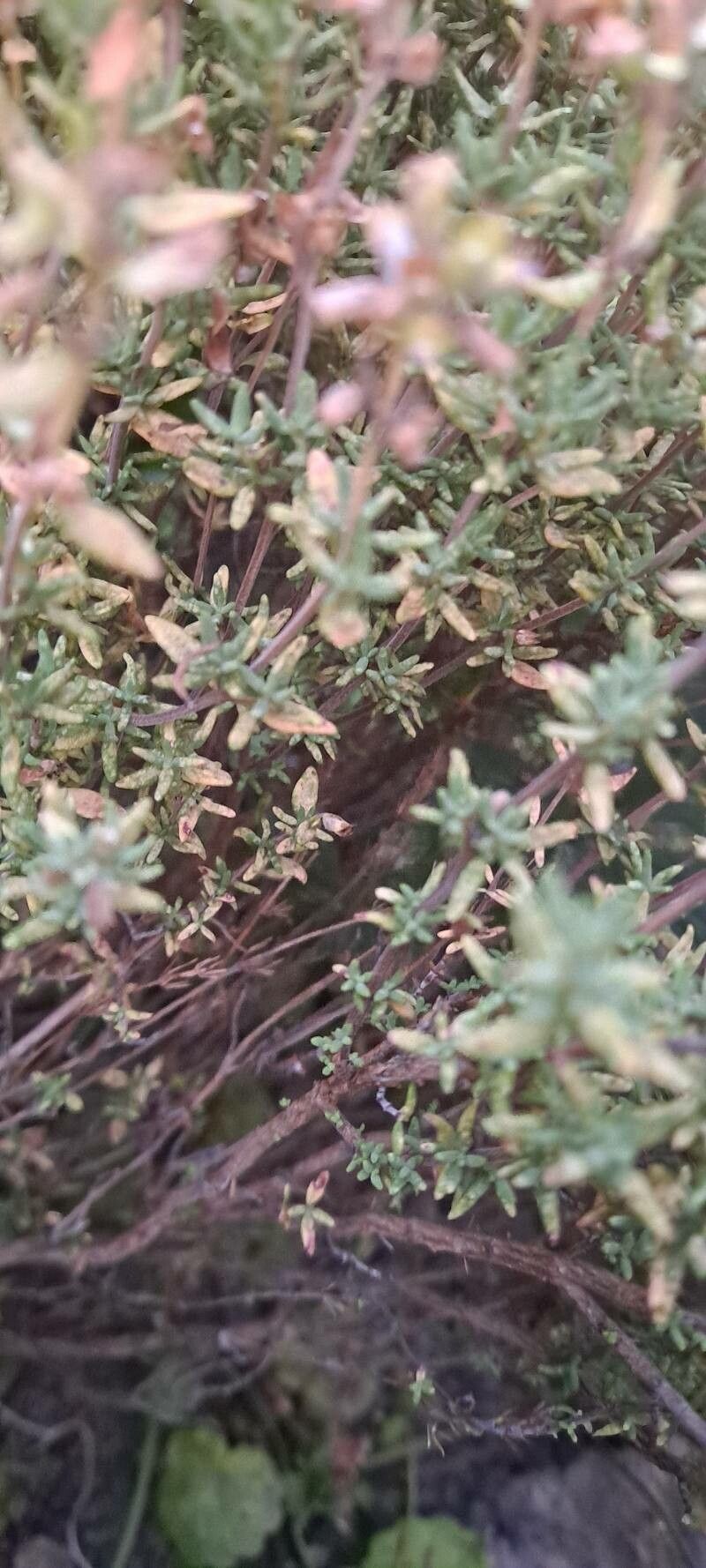
White thyme has moderate resistance to disease and can be prone to ailments such as leaf spot. Its vulnerability to insect pests differs by variety, but most varieties are relatively less resistant to pests. For care, white thyme requires regular watering and feeding, and frequent removal of yellow leaves. It is important to address pests and diseases when they appear and to harvest the plant promptly. White thyme is suitable for people who can spare time and energy for regular maintenance.
How to keep Thymus Zygis.
Light
White thyme comes from habitats with plenty of sunlight, like open fields and sunlit meadows. It prefers full sun but can withstand partial sun.
Water
White thyme flourishes in Mediterranean climates and is drought-tolerant, needing only weekly watering for optimal health. Being an evergreen outdoor plant, it benefits from natural rainfall and typically doesn't require additional watering during the growing season if there is sufficient precipitation.
Temperature
White thyme prefers moderate temperatures, similar to what people commonly find comfortable. It does best in conditions that are neither too hot nor too cold. The main problem with high temperatures is the risk of sunburn, so in summer it is advisable to provide some shade to prevent excessive heat. When temperatures fall, White thyme becomes dormant. To keep it growing continuously, warmer winter temperatures are necessary. Frost can damage the plant and should be avoided.
Fertilizer
To maximize the yield and flavor of White thyme, provide sufficient nitrogen throughout the entire growth cycle, including before planting and at harvest. Plants that are well watered and fertilized produce abundant, healthy leaves and reduce bitterness. Prior to planting, amend the soil with organic matter such as compost or manure, ideally 2 to 8 weeks beforehand.
Pruning
Regular pruning of white thyme is essential for encouraging dense growth and preventing the development of woody stems. The best time to prune is from early to late spring. Trimming up to one-third of the plant promotes vigorous regrowth, enhances air circulation, reduces the risk of fungal diseases, and helps maintain an attractive shape.
Botanical profile.
- Plant Type
- Herb
- Life Cycle
- Perennial
- Genus
- Thymus
- Family
- Lamiaceae
- Hardiness Zone
- 6-9
- Mature Height
- 20 cm to 30 cm
- Mature Spread
- 30 cm to 40 cm
- Leaf Color
- Dark Green, Gray
- Leaf Type
- Evergreen
- Flower Color
- White
- Flower Size
- 0.51 cm to 0.76 cm
- Bloom Time
- Mid spring, Late spring, Early summer
- Planting Time
- Spring, Summer, Autumn
- Harvest Time
- Mid summer, Late summer, Early fall
Other names.
Reader questions.
What are the sunlight requirements for White thyme (Thymus zygis)?
White thyme (Thymus zygis) thrives in various sunlight conditions. For those plants requiring 'Full sun,' they will need above 6 hours of direct sunlight daily to flourish best. Meanwhile, White thyme can also adapt to 'Partial sun' conditions, meaning it should receive about 3-6 hours of sunlight each day. It's important to observe the movement of sunlight through your garden carefully, choosing locations that provide an ideal mix of light and shade. This will ensure your White thyme, along with other plants, remains healthy and happy.
What is White thyme?
White thyme, known botanically as Thymus zygis, is a herbaceous plant. It doesn't have specified information on its essentials or symptoms in the provided data.