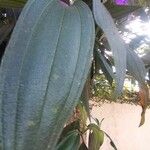
Tibouchina granulosa
Brazilian glorytree · Purple glory bush · Dwarf glory bush · Purple spray tree
Description
Source: leafsnapTibouchina granulosa, commonly known as the Purple Glory Tree or Princess Flower, is a striking flowering plant native to Brazil. As a member of the Melastomataceae family, it has gained popularity as an ornamental plant in tropical and subtropical regions worldwide. The Purple Glory Tree can reach heights of up to 20 feet with a spread of 10-15 feet. Its large, velvety leaves are dark green on the upper side and lighter green underneath. The plant produces vivid purple flowers, approximately 3-4 inches in diameter, each featuring five petals. Tibouchina granulosa thrives in well-drained soil enriched with organic matter. While it requires regular watering, it can endure short periods of drought once established. The plant prospers in full sun but also grows well in partial shade. Due to its stunning flowers and foliage, the Purple Glory Tree is frequently used as an ornamental tree or shrub in landscaping. It attracts butterflies, bees, and other pollinators, making it an excellent addition to any garden or landscape design. In summary, Tibouchina granulosa is an attractive flowering tree that adds color and beauty to any garden or landscape while providing habitat for pollinators such as bees and butterflies. It is an ideal choice for nature enthusiasts and those looking to enhance their outdoor spaces.
Care Guide
💧 Water Every 7 days
Keep your plant consistently hydrated throughout its growth season and the summer. A thorough weekly soaking should work great. During the winter, you may reduce your watering frequency, but you should never allow your plant to entirely dry out.
☀️ Light Partial sun
The glory bush does best in places with steady sunlight, mirroring its native habitat where direct, unobstructed sun is plentiful. This encourages healthy growth, but too much or too little light can stress the plant and harm its vitality and overall condition.
🌡️ Temperature 20–37.8°C
Glory bush grows naturally in warmer regions, with ideal temperatures for growth ranging from 68 to 100.4 °F (20 to 38 ℃). Maintaining these heat levels as seasons change is important to ensure its health and development.
💨 Humidity normal (40-60%)
This plant will thrive in moderate humidity, which is probably the level in your home. However, misting it a few times a week can be very beneficial. Make sure the room has good ventilation.
🪴 Soil 6-6
🌱 Fertilizer
The best time to fertilize a Glory bush is in early spring as it breaks dormancy. This supports overall growth and flower production. Fertilizing improves the foliage, stems, and branches and encourages large, vivid, long-lasting flowers. It helps move nutrients from the roots to the blooms and enhances the plant's health and disease resistance.
🪴 Pot & Repot
✂️ Pruning
Tibouchinas naturally develop into tiny trees with a free, open growth style that may reach 20 feet in height. The first rule of thumb for growing tibouchina at home is to keep it neatly trimmed by pinching off new growth buds and gently trimming the plant to restrict its expansive expansion.
🌿 Propagating
🐛 Diseases & pets
☠️ Toxicity
Characteristics
- Plant Type
- Tree, Shrub
- Life Cycle
- Perennial
- Genus
- Tibouchina
- Family
- Melastomataceae
- Hardiness Zone
- 9-11
- Mature Height
- 4.57 m to 6.1 m
- Mature Spread
- 4.57 m to 6.1 m
- Leaf Color
- Green
- Leaf Type
- Evergreen
- Flower Color
- Purple
- Flower Size
- 5.08 cm to 6.35 cm
- Bloom Time
- Late spring, Early summer, Mid summer
- Planting Time
- Spring, Autumn
- Harvest Time
- Mid summer, Late summer, Early fall
- Native Area
- Brazil, Bolivia