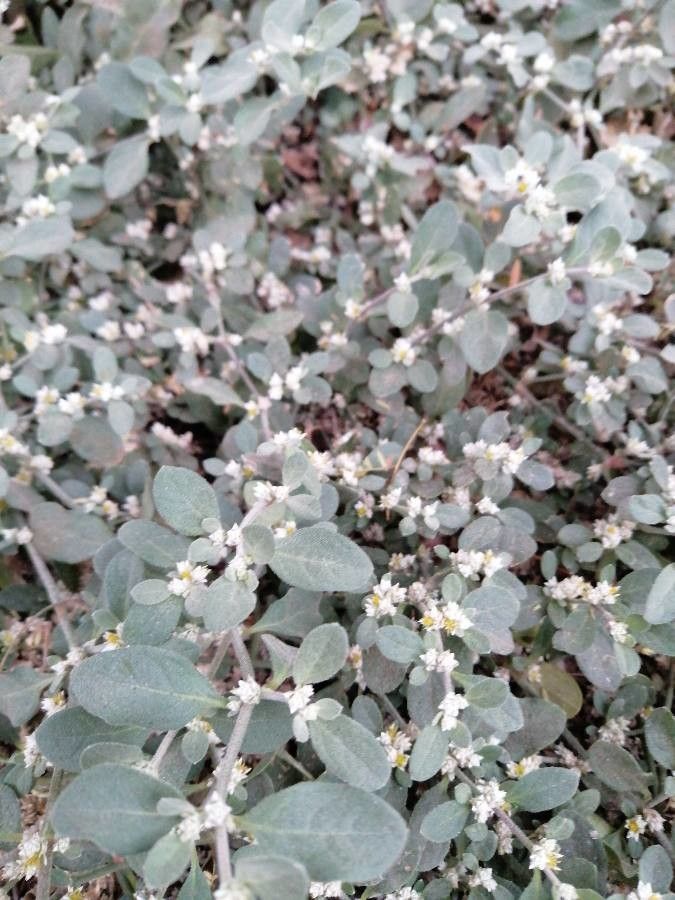
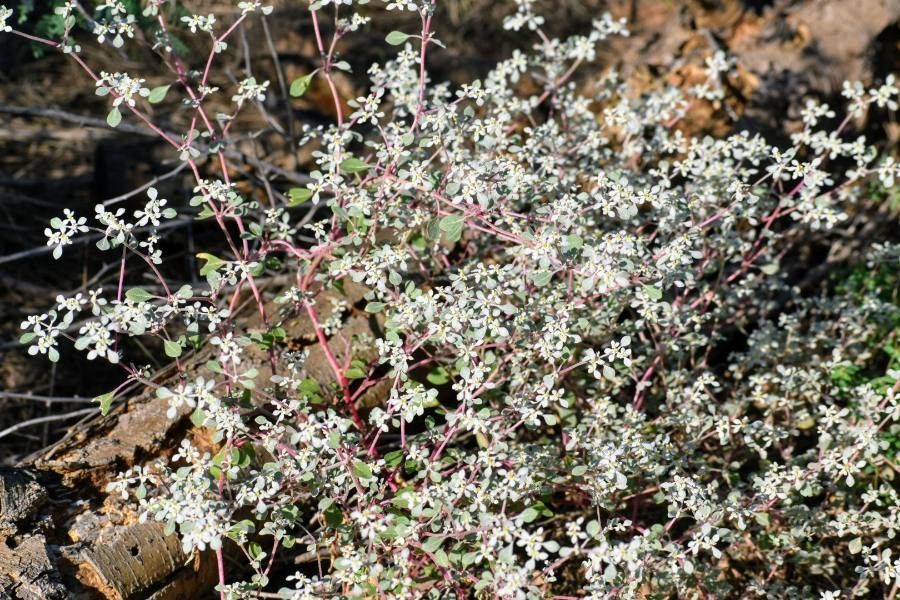
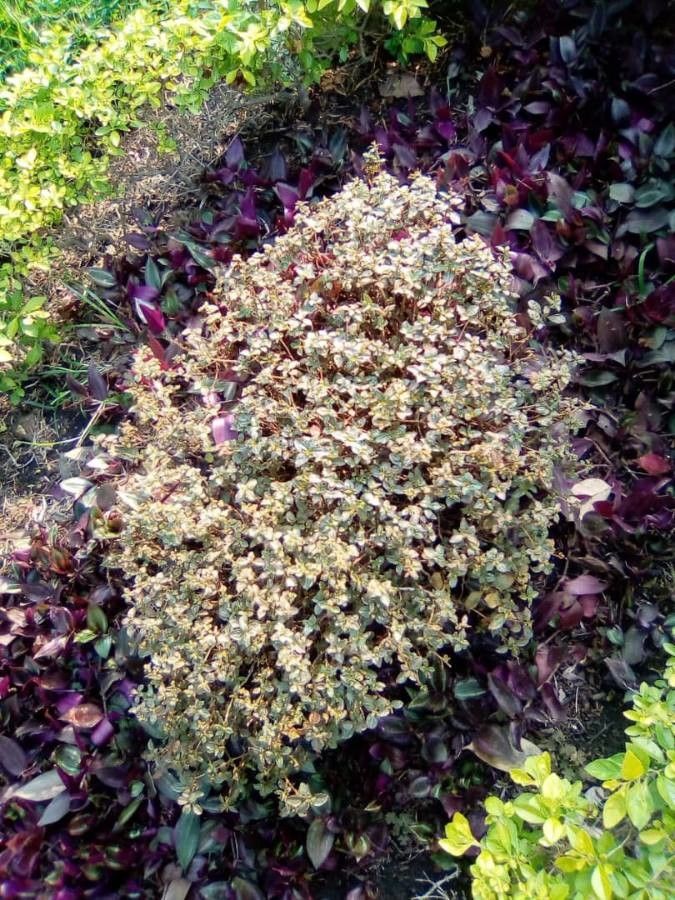
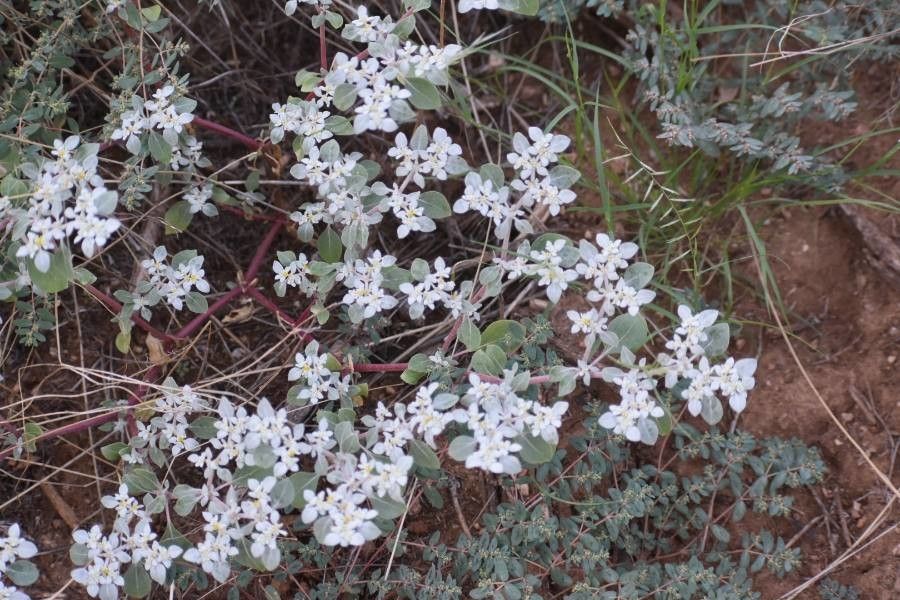
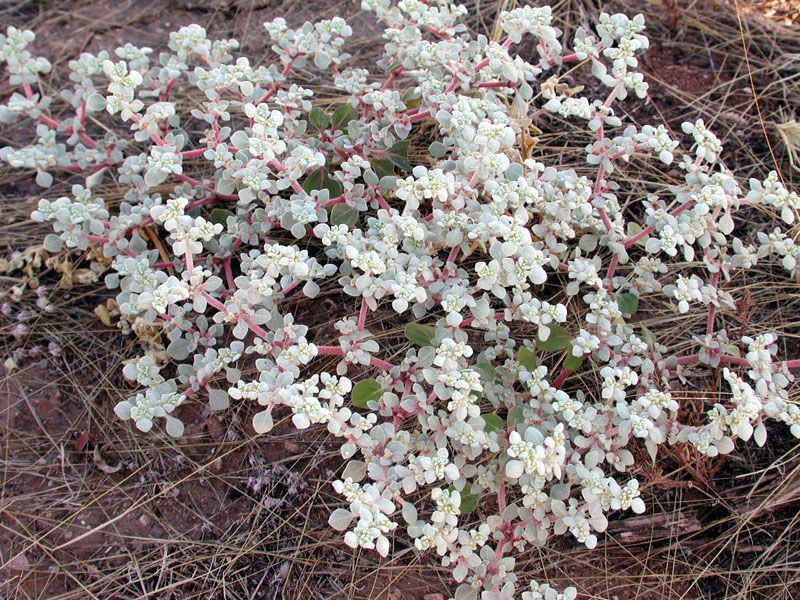
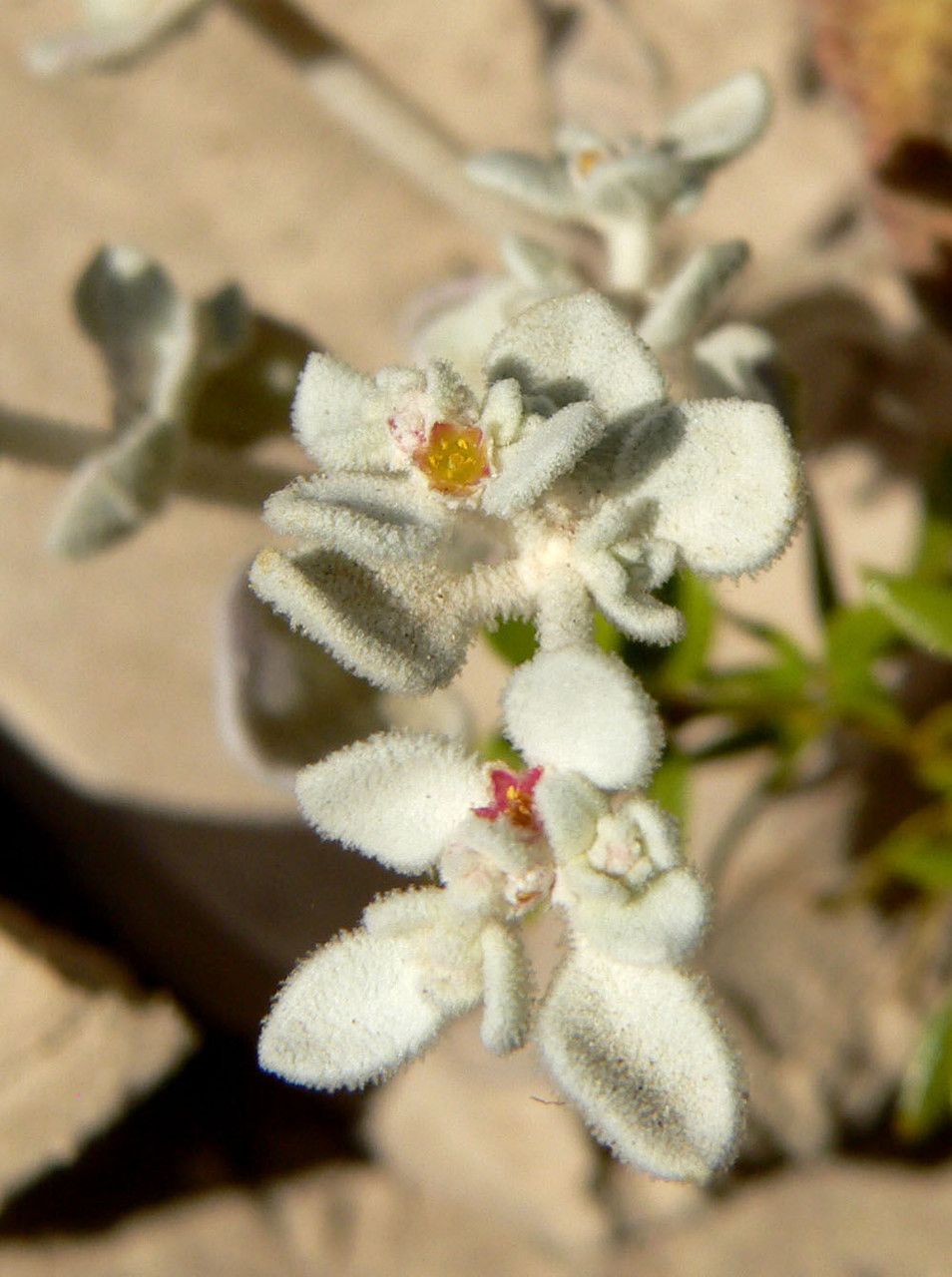
Tidestromia lanuginosa is a species of flowering plant in the family Amaranthaceae known by the common name woolly tidestromia.
Woolly tidestromia is fairly disease-resistant and typically not prone to illnesses. However, it can be vulnerable to pests and diseases present in its surroundings. These infections are usually mild. In terms of care, this plant requires moderate maintenance. It should be pruned regularly to maintain a good appearance and healthy growth. Fertilizing can also help encourage flowering. Woolly tidestromia is suitable for anyone with an outdoor space, such as a garden or patio, and does not require extensive care experience. It may need more attention when grown indoors.
How to keep Tidestromia Lanuginosa.
Light
Woolly tidestromia occurs in bright, open environments and does best in full sun. It can tolerate partial sun but favors direct sunlight for optimal growth. This plant, which can be annual or biennial, is known for its sun-loving nature.
Water
Woolly tidestromia, a plant native to arid environments, is highly drought-tolerant and thrives with minimal moisture. In cultivation, it should be watered weekly, as it prefers dry conditions and plenty of sunlight. As an outdoor plant, its growth cycle is naturally synchronized with periods of rainfall, making it less dependent on frequent manual watering.
Temperature
Woolly tidestromia is native to habitats where temperatures generally range from 68 to 100 °F (20 to 38 ℃). It favors warm climates and performs best under these conditions. Seasonal temperature adjustments may be necessary to replicate this natural habitat.
Fertilizer
Woolly tidestromia does well with regular, light applications of fertilizer to encourage healthy leaf development. You should apply fertilizer roughly once a month during the summer. Nitrogen is important for foliage, and adding nitrogen-rich sources helps Woolly tidestromia prosper.
Pruning
The woolly tidestromia plant is characterized by its woolly leaves and benefits greatly from regular pruning, particularly from early to late spring. Pruning techniques include removing dead stems and lightly shaping the plant to improve its health, appearance, and growth. Be sure to use sterilized tools to prevent the spread of disease.
Botanical profile.
- Plant Type
- Herb
- Life Cycle
- Annual
- Genus
- Tidestromia
- Family
- Amaranthaceae
- Hardiness Zone
- 10-11
- Mature Height
- 49 cm
- Mature Spread
- 20 cm to 61 cm
- Leaf Color
- Gray, Silver
- Leaf Type
- Deciduous
- Flower Color
- Yellow, Green
- Flower Size
- 0.15 cm to 0.25 cm
- Bloom Time
- Summer, Fall
- Planting Time
- Spring, Summer, Autumn
- Harvest Time
- Late summer, Fall, Early winter
- Native Area
- Mexico, Dominican Republic
Other names.
Reader questions.
What are the sunlight requirements for Woolly Tidestromia?
Woolly Tidestromia (Tidestromia lanuginosa), originating from bright, open environments, thrives in conditions of full sun, which is above 6 hours of sunlight daily. It can also tolerate partial sun, entailing about 3-6 hours of sunlight. It's essential to watch how sunlight moves through your garden to find spots that offer the right balance of light and shade, ensuring the plants' optimal growth and happiness.
What is the ideal temperature range for Woolly tidestromia?
Woolly tidestromia, or Tidestromia lanuginosa, is indigenous to warm climates and thrives best in temperatures ranging from 68 to 100 °F (20 to 38°C). This heat-loving plant requires seasonal temperature adjustments to mimic its natural habitat. During the colder months, it's suggested to bring the plant indoors and place it near a bright window while keeping it away from direct heat sources to ensure it stays within its preferred temperature range, notably maintaining temperatures above 20°C. Exposing the plant to temperatures near 5°C is harmful and should be avoided.
How do I use artificial light for Woolly Tidestromia indoors?
When Woolly Tidestromia is grown indoors and natural sunlight is insufficient, especially in winter or less sunny spaces, artificial lights provide a crucial alternative. For optimal growth under artificial lights: 1. Choose LED lights for they can mimic specific wavelengths needed by your plants. Full sun plants require 30-50W/sq ft, partial sun plants 20-30W/sq ft, and full shade plants 10-20W/sq ft of artificial light. 2. The light source should be placed 12-36 inches above the plant, imitating natural sunlight's distance. 3. Mimic natural daylight hours, with most plants needing 8-12 hours of light per day.
How does low temperature affect Woolly tidestromia and what are the solutions?
Woolly tidestromia is not tolerant of low temperatures and thrives when the temperature is above 20°C, requiring it to be kept above 5°C during winter. Exposure to temperatures below 1°C may result in the plant's leaves lightening in color, and subsequent frost damage can turn the leaves brown or black with visible wilting and drooping. If such damage occurs, it's advisable to trim off the frost-damaged parts and move the plant to a warm, indoor environment promptly. Positioning the plant near a south-facing window guarantees ample sunlight, yet care should be taken to avoid direct contact with heaters or air conditioning vents to prevent air dryness.
What are some important symptoms of light deficiency in Woolly Tidestromia?
Woolly Tidestromia shows several symptoms when it faces light deficiency, primarily when grown indoors. These include smaller new leaves, leggy or sparse growth, faster leaf drop, slower or halted new growth, lighter-colored new leaves or chlorosis, sunscald, leaf curling, wilting, and leaf scorching. These symptoms indicate the plant's struggle with inadequate sunlight, affecting its photosynthesis process and overall health.
How does high temperature affect Woolly tidestromia and what are the solutions?
Woolly tidestromia should be shielded from temperatures exceeding 38°C during the summer to prevent high temperature stress. Exposure to temperatures above 43°C can lead to leaves lightening in color and increase susceptibility to sunburn. To address this, trim away sunburned or dried parts of the plant and relocate it to a sheltered area that avoids the harsh midday and afternoon sun. It's crucial to water the plant in the early morning or evening to maintain soil moisture and mitigate the effects of high temperature.
How can I address Woolly Tidestromia's light deficiency symptoms?
To combat light deficiency in Woolly Tidestromia, gradual changes to its environment can help. Indoor plants can benefit from being moved to sunnier locations incrementally, until they receive at least 6 hours of direct sunlight daily or using artificial lighting like desk or ceiling lamps for at least 8 hours daily. For outdoor plants, similarly, gradual relocation to sunnier spots while avoiding sudden changes that could result in sunburn is recommended. Reducing obstructions like pruning trees and transplanting smaller plants to sunnier spots with good drainage during their dormant period can significantly improve their sunlight exposure.