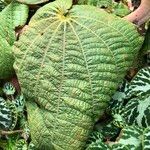
Tigridiopalma magnifica
Spider web leaf
Care Guide
💧 Water
Tigridiopalma magnifica, which originates from humid regions, thrives best with consistent soil moisture. It requires weekly watering to maintain optimal growth. When grown outdoors, this plant benefits from natural rainfall and should be mulched to help retain moisture and regulate soil temperature. These conditions are essential for its successful cultivation.
☀️ Light Partial sun
Tigridiopalma magnifica grows best in a balance of shade and natural light and does not require intense, concentrated sun. It originally inhabited areas where layers of foliage filtered the sunlight, so it does well even in spots with less sun. Being resilient, too much exposure can stress the plant without killing it, while too little exposure will typically only slow its growth.
What are the sunlight requirements for Tigridiopalma magnifica?
Tigridiopalma magnifica requires partial sun, about 3-6 hours of sunlight, and can also thrive in full shade, with less than 3 hours of sunlight. It's important to observe how sunlight moves through your garden to find spots that offer a balance of light and shade, ensuring the plant's well-being.
How does Tigridiopalma magnifica adapt to its lighting conditions?
Tigridiopalma magnifica thrives best in a mix of shadow and natural daylight, avoiding the need for concentrated sunlight. Originating in environments where foliage layers filter the sun's rays, it grows well even in less sunny conditions. While overexposure can stress the plant, it won't be lethal, and underexposure may only slow down its growth.
Can artificial lighting be used for Tigridiopalma magnifica and how?
Yes, artificial lighting can be used for Tigridiopalma magnifica, especially when natural sunlight is insufficient. Indoor plants can benefit from adequate artificial lighting, like LED lights, to promote faster, healthier growth. It's advised to provide 30-50W/sq ft of artificial light for full sun plants, 20-30W/sq ft for partial sun plants, and 10-20W/sq ft for full shade plants. Position the light source 12-36 inches above the plant and mimic natural daylight hours, ensuring plants receive 8-12 hours of light per day.
What are the symptoms of light deficiency in Tigridiopalma magnifica?
Symptoms of light deficiency in Tigridiopalma magnifica include smaller new leaves, leggy or sparse growth, accelerated leaf drop, slower or halted new growth, lighter-colored new leaves, chlorosis, sunscald, leaf curling, wilting, and leaf scorching. These signs indicate the plant's struggle with inadequate light conditions.
How can light conditions for Tigridiopalma magnifica be improved both indoors and outdoors?
Improving light conditions for Tigridiopalma magnifica involves gradually adapting the plant to more sunlight by moving it to sunnier spots each week until it gets 3-6 hours of direct sunlight daily. For indoor plants not easily movable or large, consider using artificial lighting such as a desk or ceiling lamp for at least 8 hours daily, or investing in professional plant grow lights. Outdoors, ensure a careful transition to avoid sunburn. If obstructions like trees block sunlight, prune them to allow more light through. For smaller plants, transplant during the dormant period to a location with ample sunlight and good drainage.
🌡️ Temperature 20–37.8°C
Tigridiopalma magnifica is native to areas with moderate temperate climates. It prefers temperatures from 68 to 100.4 °F (20 to 38 ℃) and can adjust to gradual seasonal temperature fluctuations within that range.
What is the native climate of Tigridiopalma magnifica?
Tigridiopalma magnifica thrives in environments with moderate temperate climates. It prefers temperatures between 68 and 100.4 °F (20 to 38 °C) and can adapt to gradual seasonal changes within this temperature range. This plant is extremely heat-loving and can be negatively affected by cold temperatures. Therefore, to prevent cold damage, it is recommended to move Tigridiopalma magnifica indoors during autumn, positioning it near a bright window but away from heaters. To ensure proper growth, maintaining a temperature above 20°C during winter is beneficial, as temperatures close to 5°C can be harmful to the plant.
How does Tigridiopalma magnifica react to low temperatures?
Tigridiopalma magnifica has a preference for warm environments and does not tolerate low temperatures well. It thrives when the temperature remains above 20°C. During the winter months, it is crucial to keep the plant above 5°C. Exposure to temperatures below 1°C can cause the leaves to lighten in color. Following frost exposure, the affected parts of the plant may turn brown or black, and the plant may show signs of wilting and drooping. To mitigate frost damage, the frost-affected parts should be trimmed off, and the plant should be moved indoors to a warmer setting. Placing the plant near a south-facing window ensures it receives ample sunlight, but it is important to avoid positioning it too close to heaters or air conditioning vents, as this can cause the air around the plant to become excessively dry.
What should be done if Tigridiopalma magnifica experiences high temperatures?
During the hotter summer months, it is important to keep Tigridiopalma magnifica below 38°C to prevent heat stress. When temperatures rise above 43°C, the plant may experience lightening of leaf color, making it more susceptible to sunburn. In such cases, any sunburned or dried parts of the plant should be trimmed away. To protect the plant from excessive heat, it should be relocated to a spot that provides shade during the midday and afternoon sun. Ensuring that the plant is watered in the morning and evening can help keep the soil adequately moist, further assisting in managing the stress from high temperatures.
💨 Humidity
🪴 Soil 5-7
🌱 Fertilizer
Appropriate fertilization is essential for the health and appearance of Tigridiopalma magnifica. Apply fertilizer to Tigridiopalma magnifica during summer, repeating the application monthly throughout the season. Nutrients fuel growth and help maintain the plant's parts. Fertilizing improves Tigridiopalma magnifica's flower display, helping to ensure the best blooms.
🪴 Pot & Repot 2-3 years
When repotting Tigridiopalma magnifica, select a pot 1-2 inches (2.5–5.1 cm) larger with ample drainage. Use a well-draining potting mix. Repot in spring or fall, ensuring the root ball sits slightly lower than the rim of the flower pot. Water thoroughly after repotting and place in a warm location with indirect sunlight.
✂️ Pruning
Tigridiopalma magnifica is known for its vibrant blooms and striking foliage. To keep the plant healthy and well-shaped, it's best to prune it between late winter and early spring. This helps remove damaged branches, encourages more flowering, promotes better air circulation, and improves the plant's overall health. Be sure to use clean tools while pruning to prevent the spread of disease.
🌿 Propagating
🐛 Diseases & pets
☠️ Toxicity
Characteristics
- Plant Type
- Herb
- Life Cycle
- Perennial
- Genus
- Tigridiopalma
- Family
- Melastomataceae
- Hardiness Zone
- 10-11
- Mature Height
- 0.61 m to 1.22 m
- Mature Spread
- 30 cm to 91 cm
- Leaf Color
- Forest Green, Dark Green
- Leaf Type
- Evergreen
- Flower Color
- Pink
- Flower Size
- 22.86 cm to 30.48 cm
- Bloom Time
- Summer
- Planting Time
- Spring, Summer, Autumn
- Harvest Time
- Late summer, Early fall, Mid fall
- Native Area
- China